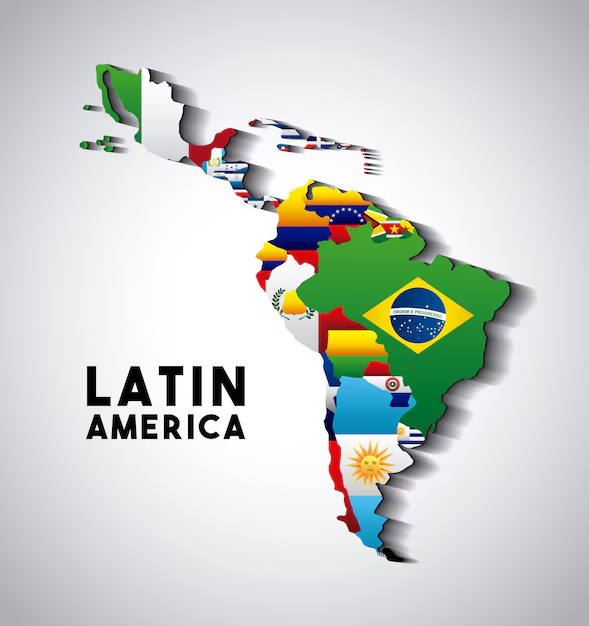
South American Counter-Narcotics Collaboration: A Regional Strategy Against Illicit Drug Trafficking
Updated at: 2025-04-13 02:15:54 (1 year ago by Melkisedeck Leon Shine)
The illicit drug trade casts a long shadow across North and South America, undermining regional security and jeopardizing public health. This pervasive threat demands a unified, collaborative response, transcending national borders and fostering unprecedented levels of cooperation between nations.
South America's historical role as both a source and transit point for illicit narcotics, coupled with the substantial drug consumption in North America, creates a complex dynamic. While past collaborations have yielded some successes, the evolving tactics of drug cartels necessitate a more comprehensive and adaptable strategy. This requires a significant shift towards a truly integrated, pan-American approach.
Addressing the transnational nature of drug trafficking necessitates robust international cooperation. No single nation possesses the resources or capabilities to effectively combat this sophisticated criminal enterprise alone. A coordinated approach, leveraging shared intelligence, resources, and expertise, is paramount to disrupting trafficking networks and dismantling criminal organizations. This requires a paradigm shift from isolated national efforts to a unified, regional strategy.
Joint law enforcement operations, facilitated by open communication and mutual trust, are essential. This includes coordinated intelligence sharing, joint operations to intercept drug shipments, and targeted efforts to apprehend key figures within the trafficking networks. Simultaneously, strengthening border security through advanced technology, best-practice sharing, and comprehensive training for law enforcement personnel is crucial in preventing the cross-border movement of illicit drugs.
Effective counter-narcotics strategies hinge on robust information sharing and intelligence cooperation. Exchanging data on trafficking routes, smuggling methods, and key players allows for more targeted enforcement efforts. Strengthening this exchange, possibly through enhanced regional platforms modeled on successful initiatives, is critical. Furthermore, close judicial cooperation, including extradition treaties and mutual legal assistance agreements, is essential to ensure that criminals face justice. This requires harmonizing legal frameworks across nations to prevent legal loopholes that facilitate evasion.
The vast financial proceeds generated by drug trafficking must be addressed through concerted anti-money laundering measures. Strengthening financial intelligence capabilities and disrupting the flow of illicit funds significantly undermines the profitability of these criminal enterprises.
While supply-side interventions are critical, addressing the root causes of drug demand is equally important. Investing in comprehensive drug education, prevention programs, and readily accessible treatment facilities is crucial in reducing addiction rates. This multifaceted approach directly impacts the market viability of the drug trade itself.
Capacity building and resource allocation in South America remain vital. North American support, through financial assistance, training programs, and technological advancements, can significantly strengthen the capabilities of their Southern counterparts. This shared responsibility ensures a more equitable and effective counter-narcotics effort across the continent.
A truly effective approach requires engagement with civil society, community leaders, and grassroots movements. Empowering local communities, fostering alternative livelihoods, and raising public awareness are vital in creating a culture of collective responsibility. Regional integration platforms, such as the Organization of American States (OAS), provide critical avenues for dialogue, policy harmonization, and coordinated strategies.
Learning from successful international counter-narcotics models, like the Merida Initiative, and adapting them to the specific contexts of North and South America can significantly enhance collaborative efforts. This requires a constant assessment of current strategies and a willingness to adapt and innovate.
Public engagement is paramount. Public awareness campaigns, educational initiatives, and community outreach programs empower individuals to actively participate in reporting suspicious activities and supporting law enforcement. This collective effort builds a stronger foundation for success.
Combating the illicit drug trade demands a united front. Through collaborative action across law enforcement, intelligence sharing, border security, and demand reduction, North and South America can effectively disrupt drug networks and mitigate the devastating social and economic consequences of drug abuse. This is not merely a regional challenge; it is a shared responsibility demanding a unified response. We must collectively work towards a drug-free future for the Americas.
Updated at: 2023-08-27 11:57:21 (2 years ago by Melkisedeck Leon Shine)
Human Rights and Inclusion: Progress and Struggles in North American Communities
Introduction In today's rapidly evolving world, it is essential to shed light on the contemporary issues in Community and Social Development in North and South America. This article aims to inform and inspire the people of North and South America by exploring the progress and struggles related to human rights and inclusion within their communities.
Understanding Human Rights Human rights are fundamental principles that recognize the inherent worth and equality of every individual. They encompass a wide range of rights, including civil, political, economic, social, and cultural rights. It is crucial to recognize and protect these rights to ensure the well-being and dignity of all individuals.
Progress in Human Rights Over the years, North and South American communities have witnessed significant progress in the promotion and protection of human rights. Efforts have been made to establish legal frameworks and institutions that safeguard individual rights, such as the American Convention on Human Rights and the Inter-American Commission on Human Rights. These advancements have led to greater awareness and enforcement of human rights principles.
Struggles in Human Rights Despite the progress, challenges persist in the realization of human rights in North and South American communities. Discrimination based on race, gender, ethnicity, and socioeconomic status remains a pressing issue. Marginalized groups often face barriers to accessing education, healthcare, and employment opportunities. Addressing these struggles requires collective action and a commitment to inclusivity.
Inclusion and Social Development Inclusion is the key to achieving social development in North and South American communities. It involves creating opportunities and removing barriers that prevent individuals from fully participating in society. While progress has been made, there is still work to be done to ensure equal access and opportunities for all people, regardless of their background or circumstances.
Building Inclusive Communities Creating inclusive communities requires a multifaceted approach. It starts with raising awareness and promoting tolerance and acceptance. Educational institutions and community organizations play a vital role in fostering inclusivity by providing resources and platforms for dialogue. By celebrating diversity and embracing different perspectives, North and South American communities can thrive.
Empowering Marginalized Communities Empowering marginalized communities is crucial for achieving social development in North and South America. This can be done through targeted programs that address the specific needs and challenges faced by these communities. By providing access to education, healthcare, and economic opportunities, individuals can break free from the cycle of poverty and inequality.
Collaborative Efforts Realizing the vision of inclusive communities requires collaborative efforts from governments, civil society organizations, and individuals. By working together, policies can be enacted, resources can be allocated, and initiatives can be implemented to create lasting change. Collaboration also helps amplify the voices of marginalized groups, ensuring their needs and concerns are heard and addressed.
Inspiring Change It is important to remember that each individual has the power to make a difference. By educating ourselves about human rights issues, we can advocate for change and challenge discriminatory practices. Engaging in open and respectful conversations with others can help bridge divides and foster a sense of unity in North and South American communities.
Developing Skills To actively contribute to community and social development, it is essential to develop skills related to human rights and inclusion. This can be achieved through attending workshops, participating in training programs, and volunteering with organizations that promote these values. By continuously learning and growing, we become better equipped to address contemporary issues and effect positive change.
Conclusion The progress and struggles in human rights and inclusion within North and South American communities require our attention and action. Let us come together to build inclusive societies that value and respect the rights of all individuals. By promoting unity, understanding, and empathy, we can create a brighter future for ourselves and future generations.
Follow-up Questions
Share this Article Please share this article with your friends, family, and colleagues to spread awareness about the importance of human rights and inclusion in North and South American communities. Together, we can make a difference! #HumanRights #Inclusion #SocialDevelopment
Hashtags
Updated at: 2025-06-18 08:04:01 (1 year ago by Melkisedeck Leon Shine)
The escalating rates of homelessness in North America constitute a significant societal challenge demanding comprehensive and coordinated intervention. This necessitates a deep understanding of key concepts. Homelessness, in this context, refers to the state of lacking stable, safe, and adequate housing. Housing First is a prominent strategy prioritizing immediate access to permanent housing as a foundational step toward addressing other needs. Social capital, defined as the networks of relationships among people who live and work in a particular society, enabling that society to function effectively, plays a vital role in successful interventions. Finally, systemic issues encompass broader societal factors, such as income inequality and lack of affordable housing, contributing to the problem.
1. The Societal Impact of Homelessness: Homelessness transcends individual hardship; it represents a critical social issue profoundly impacting community well-being and overall societal development. The presence of unsheltered individuals negatively influences public health, safety, and economic productivity. Applying Durkheim's concept of social solidarity, we observe a breakdown in social cohesion, leading to increased social inequality and marginalization of affected populations.
2. The Housing First Model: A Foundation for Stability: The Housing First approach, grounded in the principles of harm reduction and person-centered care, directly addresses the core need for safe and stable housing. This strategic intervention, supported by evidence-based research, prioritizes immediate housing placement, irrespective of other challenges faced by individuals. This contrasts with traditional approaches which often require individuals to meet certain criteria (such as sobriety) before obtaining housing. By providing stability, it establishes a platform for addressing underlying issues and promotes self-sufficiency, effectively mirroring Maslow's Hierarchy of Needs.
3. Comprehensive Support Services: Addressing Underlying Issues: Effective homelessness reduction programs must incorporate comprehensive support services designed to address the multifaceted needs of individuals. These services should encompass mental health counseling, substance abuse treatment, job training, and life skills development. The integration of these services, guided by the biopsychosocial model, recognizes the interconnectedness of an individual's physical, psychological, and social well-being. This holistic approach is essential for fostering successful reintegration into society.
4. Collaborative Partnerships: Leveraging Collective Resources and Expertise: Collaborative efforts among governmental agencies, non-profit organizations, and community stakeholders are crucial for the long-term success of homelessness reduction initiatives. This collaborative approach builds upon the concept of social capital, creating strong networks and leveraging diverse expertise to deliver efficient and impactful solutions tailored to specific community needs. This collaborative model enhances resource allocation and program sustainability, reflecting a systems thinking approach.
5. Context-Specific Solutions: Tailoring Interventions to Local Realities: Recognizing the heterogeneity of homelessness, strategies must be tailored to the unique circumstances of different regions and communities. Applying a contextual approach, solutions should consider factors such as climate, regional economic conditions, and the availability of resources. A one-size-fits-all approach is unlikely to yield sustainable results; localized interventions are imperative for effectiveness.
6. Public Awareness and Engagement: Combating Stigma and Fostering Empathy: Public education campaigns play a pivotal role in challenging the pervasive stigma surrounding homelessness and fostering empathy and understanding within communities. Increasing public awareness enhances community support for initiatives by raising awareness of the issues and humanizing individuals affected. By implementing the theory of planned behavior, public education can influence attitudes, norms, and perceived behavioral control to positively shift public opinions and encourage engagement.
7. Addressing Systemic Factors: Promoting Long-Term Sustainability: Effective long-term solutions require addressing the systemic issues contributing to homelessness, including affordable housing shortages, income inequality, and inadequate social safety nets. This requires governmental policy changes to ensure access to affordable housing, fair wages, and comprehensive social support systems. These policy shifts will reduce the underlying drivers of homelessness, ensuring long-term sustainability of programs and preventing future homelessness.
8. Individual Contributions: Empowering Collective Action: Individuals can contribute significantly by educating themselves about homelessness, volunteering time and resources, and advocating for policy changes that prioritize housing and social support. This reflects the empowerment perspective where individuals take an active role in shaping the outcomes relevant to their community, reinforcing the collective responsibility needed to address this complex issue.
Conclusions and Recommendations: Addressing the homelessness crisis requires a multifaceted and collaborative approach. Effective solutions necessitate the implementation of evidence-based strategies such as Housing First, coupled with comprehensive support services, fostered by strong community partnerships and public awareness campaigns. Furthermore, tackling systemic issues through policy reform is critical for long-term sustainability. Future research should focus on evaluating the effectiveness of different intervention strategies across diverse community contexts, exploring innovative solutions and investigating the impact of these solutions over time. This research should incorporate mixed-methods approaches, employing both quantitative and qualitative data collection methods to provide a nuanced understanding. The ultimate goal should be to create more inclusive communities that offer effective support and pathways out of homelessness for all.
Reader Pool: What innovative approaches or policy changes do you believe hold the most promise for substantially reducing homelessness within your community, and why?
Updated at: 2023-08-27 11:57:00 (2 years ago by Melkisedeck Leon Shine)
Gender Equality and Women's Empowerment: Advances and Struggles in South America
In recent years, South America has witnessed significant progress in the realms of gender equality and women's empowerment. However, these advancements have not come without their fair share of struggles. As we delve into the contemporary issues surrounding community and social development in North and South America, it is imperative that we shed light on the challenges faced by women in the region, while also celebrating the remarkable strides that have been made. Join me on this journey as we explore the landscape of gender equality in South America and discuss the path to a more unified and empowered future.
Gender-based violence: Despite the progress made, South America continues to grapple with high rates of gender-based violence. It is crucial to address this issue head-on and create safe spaces for women, ensuring that their voices are heard and their rights are protected.
Equal access to education: Education is the foundation for empowerment. Encouraging equal access to education for both boys and girls is essential in bridging the gender gap and empowering women to become leaders in their communities.
Economic disparities: Women in South America often face economic inequalities, such as lower wages and limited opportunities for entrepreneurship. By advocating for fair pay and creating supportive environments for women-led businesses, we can foster economic growth and empowerment.
Political representation: While women's participation in politics has improved, there is still a long way to go. By encouraging and supporting women's leadership in politics, we can ensure that their voices are heard and their perspectives are considered in decision-making processes.
Intersectionality: It is crucial to recognize the intersectionality of gender, race, and class when addressing women's issues in South America. By understanding the unique challenges faced by women from different backgrounds, we can develop inclusive solutions that uplift all women.
Social norms and stereotypes: Challenging harmful social norms and stereotypes is essential in promoting gender equality. By encouraging conversations that challenge traditional gender roles and expectations, we can create a more inclusive society where everyone has the opportunity to thrive.
Sexual and reproductive health rights: Access to comprehensive sexual and reproductive health services is a fundamental right. By advocating for comprehensive sex education and ensuring access to contraception and safe abortions, we can empower women to make informed choices about their bodies and futures.
Indigenous women's rights: Indigenous women often face additional barriers to equality due to discrimination and marginalization. By addressing their unique needs and empowering them to participate in decision-making processes, we can promote a more inclusive and equitable society.
Technology and digital inclusion: Bridging the digital divide is crucial in empowering women in South America. By providing access to technology and digital literacy programs, we can create opportunities for women to connect, learn, and thrive in the digital age.
Engaging men and boys: Achieving gender equality requires the active involvement of men and boys. By challenging toxic masculinity and promoting gender equality education for all, we can create a society where everyone is treated with respect and dignity.
Grassroots movements: Grassroots movements have played a pivotal role in advocating for gender equality in South America. By supporting and amplifying the voices of grassroots organizations, we can drive meaningful change and create a more inclusive society.
Role of media: Media has a powerful influence on shaping societal norms and perceptions. By promoting positive and diverse representations of women in the media, we can challenge stereotypes and foster a more inclusive and empowering narrative.
Collaboration and partnerships: Collaboration among governments, organizations, and individuals is crucial in advancing gender equality. By forming partnerships and sharing resources, we can maximize our impact and create lasting change.
Empowering future generations: Investing in the education and empowerment of young girls is key to building a sustainable future. By providing mentorship programs and leadership opportunities, we can inspire the next generation of change-makers.
Your role: As individuals, we all have a role to play in advancing gender equality in South America. Educate yourself on these issues, engage in conversations, support organizations working towards gender equality, and challenge gender norms in your everyday life. Together, we can create a more inclusive and empowered society for all.
Now, I invite you to join the movement towards gender equality and women's empowerment in South America. Share this article with your friends, family, and colleagues. Let's spread awareness and inspire others to take action. Together, we can build a future where everyone, regardless of gender, can thrive and contribute to the progress of North and South America. #GenderEquality #EmpowerWomen #UnityInAmericas
Updated at: 2025-04-13 02:04:26 (1 year ago by Melkisedeck Leon Shine)
The movement of people across borders in the Americas presents a multifaceted challenge demanding innovative and collaborative solutions. This dynamic landscape necessitates a unified approach from North and South America, recognizing the significant impact of migration on regional stability, economic prosperity, and international relations. This article explores the contemporary issues shaping migration and border management, emphasizing the urgent need for cohesive strategies and collaborative partnerships.
The Rising Tide of Migration: Recent years have witnessed a surge in migration flows throughout the Americas, fueled by a complex interplay of factors. Economic disparities, political instability, escalating climate change impacts, and persistent violence drive individuals from their homes, creating significant challenges for receiving nations. A concerted, collaborative response is crucial to effectively address this evolving situation.
Strengthening Border Security and Management: Effective border security is paramount. However, a purely security-focused approach is insufficient. True success hinges on collaborative information sharing, intelligence cooperation, and the adoption of best practices among North and South American nations. This shared approach ensures the safe and orderly movement of people while enhancing national security.
Expanding Legal Migration Pathways: The creation and expansion of legal migration channels is a critical component of any effective strategy. By streamlining immigration processes, facilitating family reunification, and fostering labor mobility programs that meet the demands of both sending and receiving countries, we can significantly reduce irregular migration and protect vulnerable populations.
Upholding Human Rights: Human rights must remain at the forefront of all migration policies. Collaboration must focus on guaranteeing access to essential services – healthcare, education, and legal aid – for all migrants. Simultaneously, combating human trafficking and smuggling requires a unified and relentless effort across borders.
Addressing Root Causes: Sustainable solutions necessitate addressing the underlying drivers of migration. This requires collaborative initiatives targeting poverty, inequality, and political instability – the root causes that force displacement and migration. Joint development programs and conflict resolution efforts are vital in addressing these complex issues.
Leveraging Regional Integration: Regional integration initiatives, such as the USMCA (formerly NAFTA) and other regional organizations, offer a framework for enhanced cooperation on migration issues. Aligning policies, sharing resources, and harmonizing standards can facilitate a more coordinated and effective response to migration challenges.
Knowledge Sharing and Best Practices: The exchange of knowledge, experiences, and best practices among North and South American nations is paramount. This collaborative learning process can lead to improvements in policy development, border management procedures, and the overall effectiveness of migration management strategies.
International Partnerships: Collaboration with international organizations, such as the United Nations and the International Organization for Migration (IOM), significantly strengthens national efforts. These organizations offer vital technical assistance, capacity building programs, and crucial coordination support.
Recognizing the Economic Benefits: Migration can be a powerful engine for economic growth in both sending and receiving countries. Policies should be designed to maximize these benefits, fostering inclusive growth and promoting economic opportunities for all.
Combating Xenophobia and Discrimination: Building inclusive societies that value diversity and reject xenophobia and discrimination is essential. Promoting social cohesion and ensuring the well-being of migrants requires a concerted effort to challenge prejudice and foster mutual understanding.
Climate Change and Migration: Climate change is an emerging driver of migration in the Americas. Addressing its impact requires collaborative climate adaptation and mitigation strategies to reduce displacement and provide support to climate migrants.
Data-Driven Decision Making: Accurate and reliable data is fundamental for evidence-based policymaking. Joint data collection, analysis, and sharing initiatives among nations are crucial for a comprehensive understanding of migration trends and patterns.
Investing in Border Infrastructure: Strategic investments in modernizing border infrastructure can significantly improve efficiency and security. Collaboration on upgrading border facilities, implementing advanced technologies, and promoting interoperability among systems is essential.
Public Awareness and Education: Combating misinformation and fostering informed public discourse is vital. Targeted public awareness campaigns can dispel harmful myths, promoting empathy and understanding towards migrants.
Strengthening Expertise in International Relations: Cultivating expertise in international relations and diplomacy is essential. This specialized knowledge base is critical for facilitating constructive dialogue, forging effective partnerships, and developing policies that promote regional cooperation.
Conclusion: A collaborative approach to migration and border management in the Americas is not merely desirable; it is imperative. By fostering unity, enhancing cooperation, and prioritizing human rights, we can build a future where migration is managed effectively, its benefits are maximized, and the challenges it presents are met with thoughtful, coordinated solutions. This collective endeavor requires dedication, innovation, and the unwavering commitment to build a more just and equitable future for all.
Updated at: 2025-02-24 12:29:26 (1 year ago by Melkisedeck Leon Shine)
```htmlIn our increasingly interconnected world, the significance of inclusive education within North and South American schools cannot be overstated. Embracing the rich tapestry of racial and ethnic diversity is not merely a matter of social justice; it is essential for preparing students to thrive in a globalized society. This article explores key strategies for promoting unity and fostering inclusive learning environments, emphasizing community and social development.
Building Bridges Through Inclusive Practices:
Creating truly inclusive schools demands a multifaceted approach. The following strategies offer a roadmap towards achieving this crucial goal:
Conclusion: A Shared Vision for the Future
By embracing the principles of diversity and inclusivity, North and South American schools can cultivate learning environments that foster unity, respect, and understanding. This is not just an educational imperative; it is a societal responsibility. By working together, we can build a future where all students have the opportunity to reach their full potential and contribute meaningfully to their communities and the world.
```
Updated at: 2025-04-13 02:06:48 (1 year ago by Melkisedeck Leon Shine)
The interconnectedness of our world necessitates robust healthcare cooperation, particularly within regions facing shared challenges. South America, with its diverse nations and unique health landscape, presents a compelling case study in cross-border collaboration. This article explores the critical role of healthcare cooperation in South America, highlighting key lessons learned and the potential for future advancement. Examining these lessons offers valuable insights for other regions striving to improve healthcare access, equity, and overall outcomes.
The Power of Collaborative Healthcare: A Regional Approach to Shared Challenges
South American nations grapple with similar health issues: infectious diseases like Zika and dengue fever; the rising burden of non-communicable diseases; and persistent disparities in healthcare access. Addressing these challenges effectively requires a unified front. By pooling resources, expertise, and knowledge, countries can develop and implement more comprehensive and impactful solutions. This collaborative approach transcends national borders, fostering a sense of shared responsibility and collective efficacy. The exchange of best practices, innovative strategies, and technological advancements accelerates progress and improves healthcare delivery across the region.
Regional Integration: Forging Unity Through Healthcare Cooperation
Healthcare cooperation acts as a powerful catalyst for regional integration, strengthening ties between nations and fostering a shared sense of purpose. Collaborative initiatives build trust and understanding, laying the groundwork for broader partnerships in other sectors. This integration isn't merely political; it reflects a practical acknowledgment that health transcends national boundaries and requires a regional approach for optimal effectiveness. This cooperation fosters a spirit of unity and solidarity, transforming challenges into opportunities for mutual growth and advancement.
Learning from Success: Inspiring Models of Cross-Border Healthcare Initiatives
Numerous successful cross-border healthcare initiatives in South America serve as compelling examples. Programs like Ecuador's "Médicos del Barrio" demonstrate the potential of community-based approaches to improve healthcare accessibility and quality. Analyzing these success stories—identifying best practices, addressing challenges, and scaling up successful interventions—provides valuable lessons for other countries striving to enhance their healthcare systems. Sharing these case studies fosters innovation and encourages the replication of effective strategies within the region and beyond.
Strengthening Healthcare Infrastructure: Building a Foundation for Sustainable Improvement
Collaborative efforts are crucial in building robust and resilient healthcare infrastructure. This includes ensuring access to adequate facilities, resources, trained personnel, and essential technologies. By coordinating investments and infrastructure development, nations can overcome resource constraints, efficiently allocate funds, and avoid duplication of effort. This coordinated approach facilitates a more equitable distribution of healthcare resources, bridging geographical disparities and enhancing the overall quality of care across the region.
Knowledge Exchange and Capacity Building: Fostering Innovation and Best Practices
Facilitating the exchange of healthcare professionals, researchers, and students is essential for fostering innovation and promoting best practices. This involves creating platforms for collaborative research, professional development programs, and educational exchanges. The sharing of knowledge and experience not only improves the technical skills of healthcare professionals but also fosters a deeper understanding of different cultural perspectives within the healthcare sector, leading to more patient-centered care.
Disaster Preparedness and Response: A Collaborative Approach to Crisis Management
Effective disaster preparedness and response require coordinated efforts. The joint response to past seismic events in Chile and Ecuador highlights the crucial role of collaboration in mitigating the impact of natural disasters on healthcare systems. Developing joint protocols, sharing resources, and establishing efficient communication channels ensures a swift and effective response during emergencies, minimizing casualties and protecting vulnerable populations. This proactive approach ensures regional resilience in the face of unforeseen crises.
Harnessing Technology: Bridging Geographic and Resource Gaps
Digital health solutions and telemedicine offer powerful tools for bridging geographical and resource gaps. These technologies can connect remote communities to specialized care, facilitate remote monitoring of patients, and improve access to information and education. Embracing and strategically implementing these technologies is crucial for ensuring equitable access to quality healthcare for all, regardless of location or socio-economic status.
Public-Private Partnerships: Leveraging Synergies for Sustainable Healthcare
Public-private partnerships can effectively leverage the resources and expertise of both sectors, creating sustainable healthcare programs. These partnerships can facilitate the introduction of new technologies, foster innovation, and attract private sector investment in healthcare infrastructure and services. The complementary strengths of public and private entities can ensure a more efficient, effective, and enduring impact on the region's healthcare landscape.
Harmonizing Regulations and Standards: Streamlining Cross-Border Healthcare Services
Aligning healthcare policies and standards across borders streamlines the delivery of healthcare services, improves patient outcomes, and enhances safety. Standardized protocols and regulations facilitate the seamless transfer of patient information, the recognition of professional credentials, and the coordination of care across national borders. This harmonization fosters a more integrated and efficient regional healthcare system.
Community Empowerment: Placing Communities at the Heart of Healthcare Initiatives
Healthcare cooperation must prioritize the active participation and ownership of local communities. Successful initiatives are those that are culturally sensitive, community-driven, and address the specific needs and priorities of the populations they serve. Empowering local communities ensures the sustainability and effectiveness of healthcare programs, reflecting a genuine commitment to improving health outcomes for all.
Securing Sustainable Funding: Attracting International Support and Investment
Effective healthcare cooperation requires sustainable funding mechanisms. Attracting international funding and support can significantly enhance the capacity of countries to address healthcare challenges. This funding can be leveraged to support infrastructure development, research initiatives, capacity building programs, and the implementation of effective healthcare interventions.
Promoting Cultural Competence: Ensuring Inclusive and Effective Healthcare
Healthcare cooperation must promote cultural competence among healthcare professionals. This enables them to understand and address the diverse cultural needs and preferences of the populations they serve. Providing culturally sensitive care enhances patient trust, improves communication, and leads to more positive healthcare experiences and better outcomes.
Strengthening Diplomatic Ties: Building Bridges Through Healthcare Collaboration
Collaborative healthcare efforts create opportunities for diplomatic engagement, fostering goodwill and strengthening relationships between nations. These collaborations build trust and mutual understanding, providing a foundation for broader cooperation across diverse sectors. This diplomatic dimension enhances regional stability and promotes peaceful coexistence.
The Future of Healthcare Cooperation in South America: A Vision for Regional Unity
The future of healthcare in South America hinges on a continued commitment to cross-border collaboration. By building upon past successes, addressing existing challenges, and embracing new opportunities, nations can create a more equitable, accessible, and resilient healthcare system. This collaborative approach not only improves health outcomes but also fosters regional unity and contributes to the overall development and prosperity of the region.
In conclusion, healthcare cooperation in South America offers a powerful model for other regions facing similar challenges. By prioritizing collaboration, resource sharing, and learning from experience, South American nations can forge a path toward improved health outcomes, stronger regional integration, and a shared vision of a healthier future for all.
Updated at: 2025-02-21 19:40:38 (1 year ago by Melkisedeck Leon Shine)
Public safety in the Americas is a dynamic and multifaceted challenge, demanding innovative solutions tailored to the unique contexts of diverse communities. This article explores fifteen key strategies for building safer, more unified neighborhoods across North and South America, focusing on the powerful synergy between community policing and trust-building initiatives.
The foundation of effective public safety lies in a collaborative approach, moving beyond reactive law enforcement to proactive community engagement. This requires a paradigm shift towards building strong, lasting relationships between law enforcement agencies and the communities they serve. This shift recognizes that public safety is not solely the responsibility of law enforcement, but a shared responsibility demanding active participation from all community members.
In conclusion, community policing and trust-building are not merely strategies, but fundamental pillars for creating safer, more inclusive communities across North and South America. By fostering collaboration, prioritizing trust, and embracing innovative approaches, we can collectively work towards a future where public safety is a shared responsibility and a shared achievement. The active participation of every community member is essential in building strong, resilient, and unified neighborhoods. #CommunityPolicing #PublicSafety #TrustBuilding #SocialJustice #Americas
Updated at: 2025-04-13 02:10:51 (1 year ago by Melkisedeck Leon Shine)
```htmlAcross North and South America, the increasing frequency and intensity of natural disasters—from devastating hurricanes and wildfires to catastrophic earthquakes and floods—underscore the critical need for robust community-based disaster preparedness. This article examines contemporary community and social development challenges, drawing valuable lessons from successful North American resilience initiatives. By adopting these strategies, we can foster stronger, more unified communities and build a safer, more resilient future for all.
Communities are the bedrock of society. During emergencies, the capacity for collective action, mutual support, and efficient resource allocation becomes paramount. A strong sense of community forms the essential foundation for effective disaster preparedness and swift recovery. Cultivating this spirit of unity is crucial for navigating challenging times.
Effective disaster preparedness hinges on robust networks that seamlessly connect community members, organizations, and government agencies. Establishing well-defined partnerships and reliable communication channels significantly enhances our collective capacity to respond to and recover from disasters. This interconnectedness ensures a unified and efficient approach during crises.
Meaningful engagement with local stakeholders—including community leaders, organizations, and residents—is vital for developing effective disaster preparedness strategies. Inclusive participation in planning and implementation ensures diverse perspectives are considered, leading to more comprehensive and equitable outcomes. This bottom-up approach guarantees plans are relevant and practically applicable.
Education is the cornerstone of proactive disaster preparedness. Providing easily accessible and culturally relevant information empowers individuals and communities to take necessary precautions. Raising awareness about potential risks, emergency procedures, and available resources equips individuals with the knowledge and confidence to protect themselves and their loved ones.
Investing in resilient infrastructure and housing systems is crucial for minimizing the impact of disasters. Designing and constructing buildings and infrastructure capable of withstanding potential hazards directly protects lives and reduces the long-term economic and social repercussions. This proactive approach minimizes damage and speeds recovery.
Technological advancements offer transformative solutions for disaster preparedness and response. Early warning systems, crowd-sourced mapping tools, and advanced communication platforms significantly enhance our ability to mitigate and effectively manage disasters. Strategic technology adoption is vital for efficient, timely responses.
Inclusive communities are demonstrably more resilient. Prioritizing social cohesion and inclusion ensures that vulnerable populations—such as the elderly, people with disabilities, and marginalized communities—are not overlooked during emergencies. This equitable approach ensures the safety and well-being of all community members.
Volunteers are indispensable in disaster response and recovery. Encouraging community involvement in relevant organizations and initiatives strengthens our collective ability to prepare for and effectively manage disasters. This active participation creates a strong, supportive network.
Analyzing past disasters, identifying successful strategies, and learning from mistakes are crucial for improving future preparedness. Adopting best practices and incorporating lessons learned from past experiences ensures ongoing enhancement of our resilience strategies.
Supporting local economies and fostering self-sufficiency significantly enhances community resilience. Strengthening local businesses and promoting sustainable practices builds economic resilience capable of withstanding and recovering from the impact of disasters. Economic self-reliance strengthens overall community resilience.
Cultural heritage is an integral component of community resilience. Protecting and celebrating cultural traditions fortifies community bonds, creates a strong sense of identity, and fosters resilience in the face of adversity. Cultural preservation provides stability and support during challenging times.
Effective early warning systems are crucial for timely and impactful disaster response. Investing in advanced systems, including robust weather forecasting, seismic monitoring, and public alert systems, dramatically reduces loss of life and property damage. Early warnings are critical for timely evacuation and mitigation.
Cultivating strong leadership skills and providing comprehensive education in disaster management empowers individuals to actively contribute to their communities' resilience efforts. Equipping people with necessary knowledge and tools creates a positive ripple effect throughout the community.
Disasters transcend national borders. Strengthening regional and international partnerships enhances our collective ability to respond to large-scale emergencies, enabling efficient resource sharing and mutual support during crises. Global cooperation is vital for effectively addressing widespread disasters.
Building resilient communities requires immediate action. By actively participating in community-based disaster preparedness programs, we can make a profound impact on our communities' safety and unity. Let's work together to create a safer and more resilient future for North and South America.
The invaluable lessons from North America's community-based disaster preparedness initiatives provide a roadmap for building resilience across North and South America. By prioritizing community strength, engaging stakeholders, investing in resilient infrastructure, leveraging technology, fostering inclusivity, and collaborating regionally and internationally, we can create communities that not only survive but thrive in the face of adversity. Let's unite and build a more resilient future, together.
```
Updated at: 2023-08-27 11:57:34 (2 years ago by Melkisedeck Leon Shine)
Indigenous Land Rights and Autonomy: Challenges and Progress in South American Communities
In recent years, the issue of indigenous land rights and autonomy has gained significant attention in South America. The indigenous communities across the continent have long fought for recognition and protection of their ancestral lands, as well as the right to govern themselves and preserve their cultural heritage. While progress has been made in some areas, challenges still remain. In this article, we will explore the contemporary issues in community and social development faced by indigenous populations in North and South America, and highlight the steps being taken towards unity and progress.
Recognition of Indigenous Land Rights: One of the key challenges faced by indigenous communities is the recognition and protection of their land rights. Many indigenous territories have traditionally been exploited or encroached upon, leading to the displacement and marginalization of these communities.
Deforestation and Environmental Destruction: Indigenous lands are often rich in natural resources, making them targets for deforestation and environmental destruction. This not only threatens the livelihoods of indigenous peoples but also contributes to climate change and the loss of biodiversity.
Extractive Industries: The expansion of extractive industries, such as mining and oil exploration, further exacerbates the issues faced by indigenous communities. These industries often operate without consulting or obtaining the free, prior, and informed consent of the indigenous communities, leading to the loss of lands and cultural heritage.
Lack of Autonomy and Self-Governance: Many indigenous communities strive for autonomy and the right to self-governance. However, bureaucratic processes and legal frameworks often hinder their ability to fully exercise these rights.
Inequality and Poverty: Indigenous populations in both North and South America face high levels of poverty and inequality. Limited access to education, healthcare, and economic opportunities perpetuate these disparities.
Social Marginalization and Discrimination: Indigenous communities often face social marginalization and discrimination, resulting in limited political representation and access to justice.
Language and Cultural Preservation: The preservation of indigenous languages and cultures is crucial for maintaining their identity and collective memory. Efforts to revitalize and promote indigenous languages are gaining momentum, as they are recognized as valuable cultural assets.
Indigenous Women's Rights: Gender inequality within indigenous communities is a pressing issue. Empowering indigenous women and ensuring their rights are protected is essential for promoting social development.
Land Restitution and Reparations: Some progress has been made in land restitution and reparations for indigenous communities. However, the process is often slow and lacks adequate resources and political will.
Indigenous-led Conservation and Sustainable Development: Indigenous communities have consistently demonstrated their ability to be effective stewards of their lands. Acknowledging their traditional knowledge and involving them in conservation and sustainable development initiatives is crucial for the long-term preservation of the environment.
International Collaborations and Partnerships: International collaborations and partnerships play a vital role in supporting indigenous communities' struggles for land rights and autonomy. Sharing experiences and knowledge can lead to collective action and positive change.
Indigenous Education and Knowledge Systems: Recognizing and incorporating indigenous knowledge systems into formal education is essential for promoting cultural diversity, sustainable development, and intercultural dialogue.
Indigenous Youth Empowerment: Engaging and empowering indigenous youth is crucial for the continuity of indigenous cultures and the development of future leaders.
Legal Reforms and Indigenous Rights Protection: Countries in North and South America need to enact and enforce comprehensive legal frameworks that protect indigenous rights, including land rights, self-governance, and cultural preservation.
Building Solidarity and Promoting Unity: It is crucial for all individuals, organizations, and governments in North and South America to stand in solidarity with indigenous communities. Promoting unity and working together towards common goals will lead to a more inclusive and equitable society.
In conclusion, the challenges faced by indigenous communities in North and South America are complex and multifaceted. However, progress is being made, and there is hope for a more inclusive and sustainable future. By understanding and addressing contemporary issues in community and social development, we can contribute to the preservation of indigenous land rights, autonomy, and unity. Let us all take part in this journey of empowerment and positive change.
What are your thoughts on the challenges faced by indigenous communities in North and South America? How can we promote unity and progress? Share your insights and let's continue the conversation. #IndigenousRights #CommunityDevelopment #NorthSouthUnity