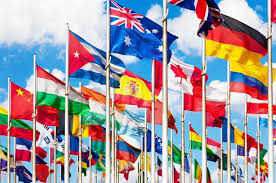
The Power of Sports and Arts in Promoting Global Unity and Understanding
Updated at: 2023-08-13 17:23:10 (2 years ago by Melkisedeck Leon Shine)
The Power of Sports and Arts in Promoting Global Unity and Understanding
In our increasingly interconnected world, the power of sports and arts in promoting global unity and understanding cannot be overstated. These two universal languages have the ability to transcend cultural differences, bringing people together and fostering cooperation for peace and unity. By harnessing the potential of sports and arts, we can create a truly united global community that works towards social, economic, and environmental sustainable development. In this article, we will explore 15 detailed points on how sports and arts can promote global cooperation for peace and unity.
Sports and arts transcend language barriers: Regardless of the language spoken, sports and arts have the ability to communicate emotions, values, and ideas universally. This makes them powerful tools for promoting global unity and understanding.
Breaking stereotypes: Through sports competitions and artistic performances, individuals from diverse backgrounds can challenge stereotypes and preconceived notions, fostering a greater understanding and acceptance of different cultures.
Promoting cultural exchange: Sports events and art exhibitions provide a platform for people from different countries to come together and exchange cultural practices, traditions, and values, fostering a sense of global cooperation.
Building bridges: Sports competitions and artistic collaborations provide opportunities for individuals to connect with others from around the world, building bridges and creating lasting friendships that transcend borders.
Inspiring teamwork: Sports, such as football and basketball, teach individuals the value of teamwork, cooperation, and trust. These skills are essential for fostering global cooperation and unity.
Celebrating diversity: Sports and arts celebrate diversity by showcasing different talents, cultures, and perspectives. This celebration of diversity can help break down barriers and foster respect and understanding among people from different backgrounds.
Addressing global challenges: Through sports and arts, individuals can come together to raise awareness and address global challenges such as climate change, poverty, and inequality. By working together, we can create a better future for all.
Promoting peace: Sports competitions and artistic collaborations have the power to promote peace by creating a platform for dialogue, understanding, and conflict resolution.
Empowering youth: Sports and arts provide opportunities for young people to showcase their talents, boost their self-confidence, and develop essential life skills. Empowering youth is crucial for promoting global cooperation and unity.
Promoting gender equality: Sports and arts have the potential to challenge gender stereotypes and promote gender equality by providing equal opportunities for both men and women to participate and excel.
Inspiring social change: Through sports and arts, individuals can inspire social change by using their platforms to advocate for human rights, social justice, and equality.
Fostering mutual respect: Sports competitions and artistic collaborations create an environment where individuals learn to respect and appreciate each other's differences, fostering a culture of mutual respect on a global scale.
Promoting peacebuilding in conflict zones: Sports and arts have been used as tools for peacebuilding in conflict zones, bringing together individuals from opposing sides and promoting reconciliation and understanding.
Enhancing global diplomacy: Sports events, such as the Olympics and the World Cup, have the potential to enhance global diplomacy by providing a platform for nations to come together, showcase their cultures, and engage in peaceful competition.
Encouraging active citizenship: By participating in sports and engaging in artistic activities, individuals become active citizens who are more aware of their role in promoting global cooperation and unity. This encourages them to take action and make a positive impact in their communities and beyond.
In conclusion, sports and arts have the power to promote global unity and understanding by transcending language barriers, breaking stereotypes, and fostering cultural exchange. They inspire teamwork, celebrate diversity, and address global challenges, while empowering youth and promoting peace. By harnessing the power of sports and arts, we can create a world that truly embraces global cooperation for peace and unity. So, let us all develop our skills in promoting global cooperation and unity and work together for a brighter future.
Are you inspired to use sports and arts to promote global unity and understanding? Share this article with others and join the movement for a more united world. #GlobalUnity #PromotingPeace #SportsAndArts
Updated at: 2025-06-22 11:05:45 (1 year ago by Melkisedeck Leon Shine)
In an increasingly interconnected world, globalization and rapid technological advancements necessitate novel approaches to fostering global harmony. Cultural exchange emerges as a pivotal mechanism in this context, significantly impacting international relations and sustainable development. This article analyzes the multifaceted role of cultural exchange, grounding its discussion in established sociological and economic theories. We will examine how cultural exchange acts as a catalyst for peace, cooperation, and sustainable development. Key theoretical frameworks guiding this analysis include social identity theory, which explores how group membership shapes individual identity and intergroup relations; the contact hypothesis, which posits that positive intergroup contact can reduce prejudice; and cosmopolitanism, emphasizing a global sense of community and shared humanity. Furthermore, Hofstede's cultural dimensions theory will be applied to understand the complexities of intercultural communication.
1. Bridging Cultural Divides and Building Mutual Respect: Direct interaction facilitated by cultural exchange programs directly challenges the limitations of social identity theory, which often leads to in-group bias and out-group prejudice. The contact hypothesis suggests that positive interactions can mitigate these biases. Through firsthand experiences with diverse cultures, participants actively dismantle stereotypes and misconceptions, fostering mutual understanding and respect. This is evident in the success of numerous student exchange programs and international collaborative research projects, demonstrating the practical application of these theoretical frameworks in real-world settings. The increased empathy and appreciation for diverse perspectives contribute to building more harmonious international relations.
2. Enhancing Intercultural Communication and Collaborative Problem-Solving: Effective global collaboration hinges on strong intercultural communication skills. Cultural exchange provides valuable opportunities to develop these skills, teaching participants to navigate diverse communication styles and overcome language barriers. Applying Hofstede's cultural dimensions theory, the nuances of communication styles across different cultures become more readily apparent, fostering more effective collaboration in international business, diplomacy, and addressing global challenges. This improved communication proficiency significantly boosts the efficacy of multinational collaborations in various fields.
3. Stimulating Economic Growth and Sustainable Development: The influence of cultural exchange extends beyond social interaction, profoundly impacting economic cooperation. By fostering comprehension of diverse markets and business practices, it facilitates international trade, investment, and joint ventures, ultimately driving global economic growth. Furthermore, the sharing of best practices in environmental management and the promotion of sustainable consumption patterns contribute directly to the achievement of sustainable development goals. This demonstrates the practical application of sustainable development principles, fostering a shared global responsibility for environmental stewardship.
4. Cultivating Global Citizenship and Promoting Peacebuilding: Cultural exchange plays a crucial role in fostering global citizenship. Exposure to diverse worldviews cultivates empathy, tolerance, and a sense of shared humanity, aligning with the core principles of cosmopolitanism. This enhanced perspective enables individuals to contribute actively to peacebuilding efforts, facilitating constructive conflict resolution and global cooperation. The success of initiatives such as the international Peace Corps highlights the tangible impact of cultural exchange on promoting long-term, positive international relationships.
5. Empowering Individuals and Strengthening Education: Participation in cultural exchange programs empowers individuals to become agents of positive change. The acquired knowledge, skills, and broadened perspectives enhance educational opportunities, preparing students for the complexities of an increasingly interconnected world. The exposure to diverse cultures fosters critical thinking, adaptability, and problem-solving skills β valuable assets in the modern global workforce. Educational institutions can strategically leverage cultural exchange to develop global competencies within their student populations, preparing the next generation of global leaders.
This analysis reveals cultural exchange as a vital instrument for achieving global harmony and understanding in the face of globalization's challenges. By fostering mutual respect, enhancing communication, stimulating economic cooperation, cultivating global citizenship, and empowering individuals, cultural exchange serves as a potent catalyst for positive global transformation. Its impact resonates across economic, social, and environmental domains, directly contributing to the accomplishment of sustainable development goals. To maximize its positive impact, governments, educational institutions, and non-governmental organizations should prioritize investment in and promotion of comprehensive cultural exchange programs. Future research should concentrate on longitudinal studies to gauge the long-term effects of cultural exchange on societal metrics such as prejudice levels, intercultural attitudes, and engagement in global cooperation initiatives. Furthermore, a robust methodological framework for evaluating the impact of cultural exchange programs should be developed to ensure optimal resource allocation and evidence-based policymaking. Integrating cultural exchange principles into educational curricula at all levels is crucial for fostering a globally conscious generation equipped to navigate the complexities of an interconnected world.
Reader Pool: Considering the limitations and potential unintended consequences of cultural exchange programs, what ethical guidelines and best practices should be prioritized to ensure their equitable and beneficial implementation globally?
Updated at: 2023-08-13 18:03:42 (2 years ago by Melkisedeck Leon Shine)
Title: Women as Agents of Peace: Empowering Voices in Global Cooperation
Introduction: In today's interconnected world, where conflicts and divisions seem to dominate our daily news, it is crucial to recognize the untapped potential of women in promoting peace and unity. Women have historically played a significant role in shaping communities and societies, and their empowerment as agents of peace can lead to a brighter and more harmonious future. This article aims to highlight the importance of promoting global cooperation for peace and unity and the invaluable contributions women can make in achieving this goal.
Women's unique perspective: Women bring a unique perspective to peacebuilding and conflict resolution, often focusing on dialogue, empathy, and cooperation. Their ability to nurture relationships, foster understanding, and resolve disputes through peaceful means gives them a powerful advantage in promoting global cooperation.
Peace at the grassroots level: Women are often the backbone of families and communities, making them well-positioned to address conflicts and promote peace at the grassroots level. Through community engagement and dialogue, women can bridge divides and advocate for peaceful coexistence within their own spheres of influence.
Women in leadership roles: Promoting women's participation in leadership roles is crucial for achieving global cooperation. Women leaders bring a fresh, inclusive approach to decision-making processes, prioritizing diplomacy, collaboration, and consensus-building. Their voices, when amplified, can inspire others and promote unity.
Examples from around the world: Across the globe, women have made significant contributions to peace and unity. For instance, Leymah Gbowee played a pivotal role in ending the Liberian civil war through her grassroots movement of Christian and Muslim women. Malala Yousafzai, a young education activist, has become a symbol of resilience and peace, advocating for education as a means to counter extremism.
Women's empowerment: Promoting women's empowerment is crucial for fostering peace and unity. It involves ensuring equal access to education, healthcare, economic opportunities, and political participation. When women are empowered, societies thrive as their diverse perspectives contribute to more holistic and inclusive decision-making processes.
Networks and coalitions: Developing networks and coalitions of women's organizations globally can amplify their voices and promote dialogue on peace and unity. By sharing experiences, knowledge, and best practices, these networks contribute to the development of sustainable peacebuilding strategies.
The role of education: Education plays a pivotal role in empowering women to become agents of peace. By equipping women with knowledge, critical thinking skills, and the tools for conflict resolution, education empowers them to engage in meaningful dialogue and advocate for peaceful solutions at all levels.
Economic empowerment: Ensuring economic empowerment for women is key to promoting peace and unity. By providing equal economic opportunities, societies can address the root causes of conflict and instability, fostering an environment where cooperation and harmony can flourish.
Environmental sustainability: Promoting global cooperation for peace and unity also involves addressing environmental concerns. Women's involvement in environmental activism and sustainability efforts is crucial for creating a peaceful future for all. Their voices can advocate for responsible resource management, climate change mitigation, and the preservation of biodiversity.
The power of storytelling: Women's stories have the power to inspire, unite, and promote peace. By sharing narratives of resilience, forgiveness, and reconciliation, women can challenge stereotypes, break down barriers, and motivate others to join the cause of global cooperation.
Engaging men as allies: Promoting global cooperation for peace and unity requires engaging men as allies and champions of gender equality and women's empowerment. By involving men in dialogue and collaborative efforts, we can foster a shared understanding of the importance of women's participation in peacebuilding.
Youth empowerment: Empowering young women and girls is crucial for sustainable peace and unity. Youth-led initiatives that promote education, dialogue, and social engagement can lay the foundation for a more inclusive and harmonious future.
Building intergenerational bridges: Promoting global cooperation for peace and unity involves bridging the gap between different generations. Women from older generations can share their wisdom and experiences with younger women, empowering them to continue the work of peacebuilding.
Celebrating success and progress: Highlighting success stories and celebrating progress made in promoting global cooperation for peace and unity is essential. By showcasing the achievements of women as agents of peace, we inspire others and remind ourselves of the positive change that is possible.
Conclusion and call to action: In conclusion, women have a crucial role to play as agents of peace and unity in our world. By promoting global cooperation, empowering women, and amplifying their voices, we can build a future where peace, harmony, and sustainable development thrive. It is up to each of us to develop the necessary skills, engage in dialogue, and take action towards a brighter and more united world. Share this article and join the movement for #GlobalUnity and #PeacefulCoexistence.
Questions for reflection:
Updated at: 2023-08-13 17:24:30 (2 years ago by Melkisedeck Leon Shine)
Title: Environmental Stewardship as a Catalyst for Global Peace and Sustainability
Introduction: In today's interconnected world, environmental stewardship plays a vital role in promoting global peace and sustainability. As we face pressing challenges such as climate change, resource depletion, and environmental degradation, it becomes increasingly evident that cooperation and unity are essential for the wellbeing of our planet and future generations. This article aims to shed light on the significance of environmental stewardship as a catalyst for global peace and sustainability, inspiring readers to take action and promote unity on a global scale.
Recognizing our shared responsibility: Environmental stewardship calls upon individuals, communities, organizations, and nations to acknowledge their shared responsibility in protecting and preserving the environment. By embracing this responsibility, we can foster a sense of unity and collaboration towards a common goal.
Building bridges through environmental cooperation: When nations come together to address environmental challenges, they create opportunities for collaboration, dialogue, and shared learning. Through international agreements, initiatives, and forums, countries can work towards sustainable solutions, facilitating global unity and cooperation.
Addressing climate change collectively: Climate change knows no boundaries and affects every corner of the globe. By collectively addressing this issue, nations can build stronger bonds based on a shared commitment to reduce greenhouse gas emissions, transition to renewable energy sources, and adapt to the changing climate.
Protecting biodiversity and ecosystems: Environmental stewardship goes beyond climate change and encompasses the protection of biodiversity and ecosystems. By conserving natural habitats, protecting endangered species, and promoting sustainable land and water management, we contribute to the preservation of life on Earth and foster global cooperation.
Sharing knowledge and expertise: Environmental stewardship encourages the exchange of knowledge and expertise across borders. By sharing best practices, technological advancements, and scientific research, nations can accelerate sustainable development and enhance global unity.
Empowering local communities: Environmental stewardship empowers local communities to play an active role in sustainable development. By involving them in decision-making processes, providing education and resources, and respecting indigenous knowledge, we promote social equity and strengthen the foundation for global peace and unity.
Promoting sustainable agriculture and food systems: Ensuring food security for all requires a shift towards sustainable agriculture and food systems. By promoting regenerative practices, minimizing waste, and supporting small-scale farmers, we can create a more resilient and equitable global food system, fostering unity and cooperation.
Investing in renewable energy: Transitioning from fossil fuels to renewable energy sources is crucial for mitigating climate change and achieving global sustainability. By investing in clean energy technologies and embracing energy efficiency, nations can collaborate on a path towards a greener, more peaceful future.
Preventing conflicts over natural resources: Environmental degradation and resource scarcity can lead to conflicts and instability. By adopting sustainable resource management practices, embracing circular economy principles, and promoting equitable access to resources, nations can reduce the risk of conflicts and promote global peace.
Educating future generations: Environmental stewardship starts with education. By integrating environmental sustainability into school curricula and promoting environmental awareness, we empower future generations to become environmentally conscious and active global citizens, fostering peace and unity.
Supporting green businesses and innovation: Entrepreneurship and innovation play a crucial role in driving sustainable development. By supporting green businesses, investing in clean technologies, and fostering sustainable economic growth, nations can create opportunities for collaboration and unity in the pursuit of a greener future.
Enhancing cross-cultural understanding: Environmental challenges transcend borders, cultures, and religions. By engaging in international environmental cooperation, we foster cross-cultural understanding, dismantle stereotypes, and promote a sense of global unity rooted in our shared responsibility towards the environment.
Valuing indigenous knowledge and wisdom: Indigenous communities have long held wisdom and knowledge about sustainable practices. By respecting and valuing their traditional ecological knowledge, nations can tap into invaluable insights that can contribute to global peace, sustainability, and unity.
Encouraging responsible consumption and production: Promoting responsible consumption and production patterns is essential for reducing our ecological footprint. By prioritizing sustainable lifestyles, reducing waste, and supporting ethical supply chains, we can inspire a global movement towards peace, unity, and sustainability.
Embracing environmental diplomacy: Environmental stewardship requires diplomatic efforts to bridge differences and foster collaboration. By actively participating in environmental diplomacy, nations can work towards common goals, strengthen relationships, and promote a united front in addressing global environmental challenges.
Conclusion: Environmental stewardship serves as a catalyst for global peace and sustainability, requiring collective efforts, collaboration, and unity. By recognizing our shared responsibility, embracing international cooperation, and prioritizing sustainable practices, we can pave the way for a harmonious and resilient future. Let us seize this opportunity to develop our skills in promoting global cooperation for peace and unity, and inspire others to join us in this noble endeavor.
Can we afford to neglect the environment when it holds the key to our shared future? Share this article and let's work together for a greener, more peaceful world. #GlobalUnity #EnvironmentalStewardship #Sustainability
Updated at: 2025-08-21 11:01:55 (11 months ago by Melkisedeck Leon Shine)
```htmlIn an era defined by interconnectedness and complex global challenges such as climate change, pervasive inequality, and escalating conflicts, the need for unprecedented global unity and cooperation has never been more critical. Civil society, a multifaceted ecosystem comprising non-governmental organizations (NGOs), grassroots community groups, advocacy networks, and engaged individuals, emerges as a pivotal force in navigating this intricate landscape. This network possesses a unique capacity to transcend divides, cultivate collaboration, and propel positive change across borders, fostering a more unified and resilient global community. This article delves into fifteen key ways civil society contributes to this essential goal, exploring the strategic application of various concepts and principles.
1. Grassroots Mobilization: Empowering Collective Action
Civil society organizations (CSOs) are adept at grassroots mobilization, a strategy rooted in social movement theory. This approach emphasizes the power of collective action originating from the ground up. CSOs excel at galvanizing individuals and communities by fostering a shared sense of purpose and facilitating collective action towards global objectives. For example, environmental advocacy groups organize local clean-up drives and awareness campaigns, translating global environmental concerns into tangible community-level action. This bottom-up strategy, aligning with principles of participatory development, ensures inclusivity and sustainability, as communities are empowered to shape their own futures and contribute to broader global goals. For more insights into empowering communities, explore Strategic Roadmap: Empowering Nonprofits for Mission Achievement.
2. Advocacy and Policy Influence: Shaping Global Agendas
CSOs play a crucial role in advocacy and policy influence, employing strategies derived from political science and public policy analysis. Through targeted lobbying efforts, public awareness campaigns, and evidence-based research, CSOs effectively engage and influence policymakers. They advocate for the enactment of legislation and the implementation of policies that promote global cooperation and address pressing global challenges, such as climate change mitigation and human rights protection. Amnesty International, for instance, uses its research and advocacy to push for policy changes that protect human rights worldwide. This strategic engagement ensures that citizen concerns are reflected in policy decisions, driving systemic change at both national and international levels.
3. Bridging the Gap Between Governments and Citizens: Fostering Dialogue and Trust
Acting as a crucial intermediary, civil society facilitates dialogue and understanding between governments and citizens, employing principles of Unlocking Effective Communication: A Guide to Clarity and Conciseness. By providing a platform for citizen voices, CSOs bridge the divide between disparate stakeholders, fostering collaboration and shared solutions to complex problems. They organize town hall meetings, conduct public forums, and utilize online platforms to facilitate communication and build trust between government officials and the communities they serve. This mediation is vital for ensuring that government policies are responsive to the needs and concerns of the populace, promoting transparency and accountability.
4. Championing Human Rights: Defending Universal Values
Rooted in the principles of human rights law and ethical frameworks, CSOs are staunch defenders of human rights globally. They monitor human rights abuses, provide legal assistance to victims, and advocate for the enforcement of international human rights standards. By holding governments accountable and advocating for universal human rights, such as freedom of speech, assembly, and religion, CSOs contribute significantly to a more just and equitable world. Human Rights Watch, for example, investigates and reports on human rights violations worldwide, advocating for justice and accountability.
5. Fostering Cross-Cultural Understanding: Building Bridges of Empathy
Drawing on principles of intercultural communication and social psychology, initiatives promoting cross-cultural exchange and understanding break down barriers and build bridges between diverse communities. Through cultural programs, youth exchanges, and interfaith dialogue, civil society fosters mutual respect and appreciation. The Sister Cities program, for example, promotes cultural exchange and cooperation between cities in different countries, fostering understanding and friendship. These initiatives are essential for building social cohesion and promoting peaceful coexistence in an increasingly interconnected world. Related to this, the concept of Fostering Global Unity: A Guide to Understanding and Cooperation promotes understanding through dialogue.
6. Driving Community Development: Empowering Marginalized Groups
CSOs are often at the forefront of community development, employing strategies aligned with community-based participatory research and asset-based community development. They work to improve the lives of marginalized groups and address socioeconomic inequalities by providing access to education, healthcare, and economic opportunities. By empowering communities and promoting sustainable development through initiatives like microfinance programs and skills training workshops, CSOs foster global unity by building stronger, more resilient societies. This localized approach ensures that development efforts are tailored to the specific needs and priorities of each community, maximizing their impact.
7. Environmental Stewardship and Sustainability: Protecting Our Planet
Applying principles of environmental science and sustainable development, civil society plays a critical role in combatting environmental challenges and advocating for sustainable practices. Through awareness campaigns, grassroots initiatives, and policy advocacy, they unite communities in the fight against climate change and environmental degradation. Organizations like Greenpeace, for instance, conduct campaigns to protect forests, oceans, and endangered species. By promoting sustainable consumption, renewable energy, and conservation efforts, CSOs contribute to a healthier planet for future generations, addressing environmental issues with Environmental Stewardship: A Path to Global Peace and Sustainable Development.
8. Peacebuilding and Conflict Resolution: Fostering Peaceful Societies
Drawing on theories of conflict resolution and peace studies, CSOs are essential in peacebuilding efforts, promoting reconciliation and conflict resolution through Empathy and Compassion: Your Guide to Conflict Resolution for Stronger Relationships. By fostering dialogue, promoting peace education, and supporting affected communities, they contribute significantly to global peace and unity. Organizations like the International Crisis Group work to prevent and resolve deadly conflicts by providing analysis and recommendations to governments and international organizations. These efforts are crucial for creating stable and peaceful societies, laying the foundation for sustainable development and cooperation.
9. Global Health Initiatives: Improving Health Outcomes Worldwide
Applying principles of public health and epidemiology, CSOs are key players in global health initiatives, working toward equitable access to healthcare, disease prevention, and improved health outcomes. Their collaborations with governments and international organizations strengthen global health responses, especially during crises such as pandemics. The Global Fund to Fight AIDS, Tuberculosis and Malaria, for example, partners with CSOs to deliver health services and advocate for increased funding for global health initiatives. These collaborations are essential for ensuring that healthcare reaches those who need it most, regardless of their location or socioeconomic status.
10. Youth Empowerment and Future Leadership: Cultivating Global Citizens
Recognizing the transformative potential of youth and drawing on principles of youth development and leadership studies, CSOs prioritize youth empowerment. By offering platforms for youth engagement, leadership development, and skills training, they cultivate a generation committed to global cooperation. Organizations like the YMCA provide youth programs and leadership opportunities that empower young people to become active and engaged citizens. These initiatives are vital for ensuring that young people have the skills and knowledge they need to address global challenges and build a more sustainable and equitable future. Empowering youth is akin to Unlocking Potential: 15 Strategies for a Positive Mindset in African Youth by giving them the skills needed to succeed.
11. Leveraging Technology for Global Impact: Connecting Communities
CSOs effectively utilize technology and innovation to drive positive change, applying principles of digital communication and information technology. From social media advocacy to developing innovative solutions, they leverage technology to connect people across borders and amplify their impact. For example, Ushahidi, a technology platform, allows citizens to report and map incidents of violence and human rights abuses, providing real-time information to aid organizations and policymakers. By harnessing the power of technology, CSOs can reach wider audiences, mobilize support, and create more effective solutions to global challenges.
12. Education and Awareness Raising: Fostering Global Citizenship
Applying principles of education and communication, civil society plays a crucial role in raising awareness about global challenges and promoting education as a tool for empowerment. By improving access to quality education and fostering global citizenship through programs that teach about human rights, sustainable development, and intercultural understanding, they contribute to a more informed and engaged global citizenry. UNESCO, for instance, promotes education as a fundamental human right and works to improve access to quality education worldwide. These efforts are essential for creating a more just and sustainable world, where individuals are empowered to make informed decisions and participate in democratic processes. The idea of global citizenship aligns with Global Citizenship: A Call to Collective Action for a Peaceful, Sustainable World.
13. Philanthropy and Social Entrepreneurship: Funding Critical Work
Many CSOs rely on philanthropy and social entrepreneurship to fund their critical work, applying principles of non-profit management and social innovation. By supporting social enterprises and fostering a culture of giving, they demonstrate the power of collaboration in addressing societal needs. Organizations like Ashoka support social entrepreneurs who are developing innovative solutions to social and environmental problems. By promoting philanthropy and social entrepreneurship, CSOs can create sustainable funding models that allow them to continue their vital work for years to come.
14. Networking and Collaboration: Catalyzing Joint Action
CSOs act as catalysts for networking and collaboration among diverse stakeholders, including governments, businesses, and communities, applying principles of stakeholder engagement and partnership development. They create opportunities for dialogue, idea-sharing, and joint action toward common goals. The World Economic Forum, for example, brings together leaders from government, business, and civil society to address global challenges and promote collaboration. By fostering these networks, CSOs can leverage the resources and expertise of different sectors to create more effective solutions to complex problems.
15. Fostering Global Solidarity and Compassion: Uniting in Times of Crisis
Drawing on principles of humanitarianism and empathy, CSOs build global solidarity by promoting compassion, and understanding. Through humanitarian initiatives and support for vulnerable populations, they unite individuals and communities during times of crisis. The Red Cross, for instance, provides emergency assistance to people affected by disasters and conflicts worldwide. By fostering global solidarity and compassion, CSOs can help to alleviate suffering, promote healing, and build a more just and equitable world.
Conclusion: A Call to Collaborative Action
The role of civil society in fostering global cooperation and unity is undeniable and multifaceted, ranging from grassroots mobilization and policy advocacy to environmental sustainability, peacebuilding, and youth empowerment. These efforts collectively contribute to a more just, equitable, and peaceful world, resonating with the principles of global citizenship and shared responsibility. To further amplify these positive impacts, individuals are encouraged to actively participate in civil society initiatives, supporting organizations aligned with their values and engaging in advocacy for positive change. Governments can facilitate the work of CSOs by creating enabling legal and regulatory environments, ensuring access to funding and resources, and fostering open dialogue and collaboration. Businesses can contribute by adopting socially responsible practices, supporting CSO initiatives through corporate philanthropy, and partnering with CSOs to address shared challenges. By fostering this multi-stakeholder collaboration, we can strengthen the capacity of civil society to address complex global challenges and build a brighter future for all. Future research should focus on measuring the impact of civil society initiatives on global cooperation and unity, identifying best practices for effective collaboration, and exploring innovative funding models to ensure the long-term sustainability of civil society organizations.
Reader Pool: How can we, as global citizens, more effectively support and engage with civil society organizations to amplify their impact on fostering global unity and cooperation?
Related Articles:
Updated at: 2025-04-13 01:34:32 (1 year ago by Melkisedeck Leon Shine)
Our increasingly interconnected world faces unprecedented challenges: climate change, armed conflicts, and escalating inequality. These complex issues demand a level of global cooperation and unity unseen in history. Within this intricate landscape, civil society emerges as a powerful catalyst for positive change, fostering collaboration and progress across international borders. Comprising a vast network of non-governmental organizations (NGOs), community-based groups, and actively engaged individuals, civil society uniquely bridges divides and constructs a more unified global community. This article explores fifteen significant ways civil society contributes to this crucial objective.
1. Grassroots Mobilization and Collective Action: Civil society organizations (CSOs) are exceptionally adept at mobilizing individuals and communities, fostering a collective sense of purpose and driving impactful action toward global goals. This bottom-up approach ensures inclusivity and long-term sustainability, empowering local actors to participate directly in shaping global outcomes.
2. Effective Advocacy and Policy Shaping: Through strategic lobbying and impactful advocacy campaigns, CSOs exert significant influence on policymakers. They champion legislation and policies promoting global cooperation and addressing pressing global issues, ensuring that the voices of citizens and vulnerable populations are heard in the halls of power.
3. Bridging the Divide: Fostering Dialogue Between Governments and Citizens: Civil society acts as a vital intermediary, fostering open dialogue and mutual understanding between governments and their citizens. By providing a platform for citizen participation and feedback, CSOs bridge the gap between diverse stakeholders, facilitating collaborative solutions and shared responsibility.
4. Unyielding Defense of Human Rights: CSOs are steadfast defenders of human rights worldwide. By holding governments accountable to international human rights standards and advocating for the protection of vulnerable groups, they significantly contribute to a more just and equitable global society, promoting fundamental freedoms and equality for all.
5. Cultivating Cross-Cultural Understanding and Harmony: Initiatives promoting cross-cultural exchange and understanding are pivotal in breaking down barriers and building bridges between diverse communities. Through cultural programs, youth exchanges, and interfaith dialogues, civil society fosters mutual respect, appreciation, and collaboration among people from different backgrounds.
6. Driving Sustainable Community Development: CSOs are frequently at the forefront of community development efforts, improving the lives of marginalized groups and addressing socioeconomic inequalities. By empowering communities and promoting sustainable development practices, they strengthen societies and build resilience, contributing to a more unified global community.
7. Environmental Stewardship and Sustainable Practices: Civil society plays a vital role in combating environmental degradation and advocating for sustainable practices. Through impactful awareness campaigns, grassroots initiatives, and robust policy advocacy, CSOs unite communities in the fight against climate change and environmental destruction, securing a healthier planet for future generations.
8. Peacebuilding, Conflict Resolution, and Reconciliation: CSOs are essential in peacebuilding initiatives, promoting reconciliation, and resolving conflicts peacefully. By facilitating dialogue, promoting peace education, and supporting communities affected by conflict, they contribute significantly to a more peaceful and unified world, fostering healing and rebuilding trust among communities.
9. Improving Global Health Outcomes: Civil society organizations are key players in global health initiatives, working toward equitable access to healthcare, disease prevention, and improved health outcomes for all. Their collaborative efforts with governments and international organizations strengthen global health responses, particularly during crises, ensuring that everyone has access to essential healthcare services.
10. Empowering Youth for Future Leadership: Recognizing the transformative potential of young people, CSOs prioritize youth empowerment programs. By offering platforms for youth engagement, leadership development, and skills training, they cultivate a generation of global citizens committed to cooperation and collaboration.
11. Leveraging Technology for Global Impact: CSOs effectively harness technology and innovation to amplify their positive impact. From impactful social media advocacy to the development of innovative solutions, they leverage technology to connect people across borders and maximize their reach and effectiveness.
12. Education for Global Citizenship: Civil society plays a crucial role in raising awareness about global challenges and promoting education as a tool for empowerment. By improving access to quality education and fostering global citizenship, they cultivate an informed and engaged global citizenry capable of tackling complex global issues.
13. Philanthropy and Social Entrepreneurship: Many CSOs rely on philanthropy and social entrepreneurship to fund their essential work. By supporting social enterprises and fostering a culture of giving, they demonstrate the power of collaboration in addressing societal needs and creating a more sustainable model for impact.
14. Fostering Collaboration and Networking: Civil society organizations serve as catalysts for networking and collaboration among diverse stakeholders, including governments, businesses, and communities. They create platforms for dialogue, idea-sharing, and joint action towards shared goals, breaking down silos and promoting collaborative efforts.
15. Cultivating Global Solidarity and Compassion: CSOs build global solidarity by promoting empathy, compassion, and understanding among people of diverse backgrounds. Through humanitarian initiatives and support for vulnerable populations, they unite individuals and communities during crises and create a more interconnected and supportive global community.
Conclusion: A Shared Call to Action for a Better Future
Civil society's role in fostering global cooperation and unity is undeniable. From grassroots mobilization to policy advocacy, their actions contribute to a more just, equitable, and peaceful world. By championing human rights, promoting environmental sustainability, advancing peacebuilding efforts, and empowering youth, civil society organizations inspire global action and effectively address critical global challenges. Building a brighter future for all requires active participation in civil society initiatives. Join the movement and contribute to building a more cooperative and unified world.
Reflection and Engagement: Share your personal experiences with civil society initiatives and your vision for how civil society can further promote global cooperation and unity. Let's work together to create a better future for all.
Share this article to inspire others to participate in building a more cooperative and unified world. #GlobalCooperation #UnityForPeace #CivilSocietyRole #GlobalCitizenship #SustainableDevelopment
Updated at: 2025-06-22 01:59:11 (1 year ago by Melkisedeck Leon Shine)
The contemporary global landscape is characterized by multifaceted challenges, including escalating conflicts, widening socio-economic inequalities, and environmental degradation. These interconnected issues necessitate a paradigm shift towards global solidarity, transcending national boundaries and fostering a unified approach to peacebuilding. This pursuit is not merely idealistic; it is a pragmatic imperative for the sustainable well-being of humanity. This article explores key strategies for achieving global peace, drawing upon relevant theories and models of conflict resolution and international relations.
1. Cultivating Shared Identity and Mutual Understanding: The foundational principle for global peace rests on the recognition and celebration of shared humanity. This involves embracing the diverse tapestry of cultures, languages, and traditions that enrich our global community. Applying the concept of social identity theory, we can understand how fostering a sense of collective identity, encompassing diverse sub-groups, can mitigate intergroup conflict and promote cooperation. This necessitates promoting intercultural dialogue and understanding through educational initiatives and cultural exchange programs, thereby strengthening social cohesion on a global scale. This approach mirrors the principles of peacebuilding efforts that emphasize inclusivity and the creation of a shared narrative of belonging.
2. Bridging Divides through Constructive Dialogue and Diplomacy: The successful implementation of global peace initiatives requires dismantling physical, cultural, and ideological barriers that obstruct global cooperation. This involves embracing strategies of communicative action, as described in Habermas's theory of communicative rationality, promoting open, respectful dialogue and fostering empathetic understanding. Effective diplomacy, based on principles of reciprocity and mutual respect, becomes a critical tool in navigating conflict situations and achieving mutually beneficial outcomes. The application of conflict resolution models, such as transformative mediation, can facilitate constructive dialogue and empower stakeholders in finding lasting solutions. Successful examples of this approach are evident in international negotiations, such as the Oslo Accords or the Paris Agreement on Climate Change.
3. Peaceful Conflict Resolution and Non-violent Conflict Management: Conflict is an inherent aspect of human interaction. However, the method of conflict resolution is paramount. Employing the principles of nonviolent conflict management, including negotiation, mediation, and arbitration, is crucial. Investing in robust diplomatic mechanisms and promoting strategies of non-violent conflict transformation, guided by insights from peace psychology, can mitigate violence and facilitate sustainable peace. Real-world case studies of successful conflict resolution, such as the end of the Cold War or the peace process in Northern Ireland, exemplify the importance of diplomacy and negotiated settlements.
4. Integrating Peace Education and Promoting Intercultural Competence: Education plays a pivotal role in cultivating a culture of peace. By incorporating peace education within curricula, emphasizing values of empathy, cooperation, and mutual respect, we can foster a generation committed to peaceful conflict resolution. This education would incorporate training in intercultural communication and conflict resolution skills, building on theories of social learning and cognitive development. Educational initiatives should actively promote critical thinking and problem-solving skills to empower future generations to contribute effectively to peacebuilding endeavors. This aligns with the broader educational goals of creating globally-minded citizens who understand and engage with diverse perspectives.
5. Addressing Socio-economic Inequalities and Promoting Sustainable Development: Socio-economic disparities often exacerbate conflict and instability. Addressing these inequalities through global economic cooperation is essential for fostering peace. The application of modernization theory and dependency theory helps analyze the root causes of global inequality, offering insights into how to implement sustainable development initiatives, targeted poverty reduction strategies, and fair trade practices. A commitment to global economic justice, informed by principles of distributive justice, is crucial for building a more equitable and harmonious world order.
6. Environmental Stewardship and Sustainable Resource Management: Environmental sustainability is inextricably linked to global peace. Climate change and environmental degradation trigger resource conflicts and mass migrations, thus posing significant threats to global stability. Applying ecological modernization theory, we can identify strategies for promoting sustainable practices, combating climate change, and protecting our planet. International cooperation on environmental protection, encompassing both mitigation and adaptation strategies, is essential for mitigating conflict risks associated with resource scarcity and environmental displacement.
7. Gender Equality and Women's Empowerment: Empowering women is a fundamental human rights imperative and a catalyst for peace. When women are granted equal opportunities and participate fully in all spheres of society, they significantly contribute to peacebuilding. Research consistently demonstrates the positive correlation between women's empowerment and reduced levels of conflict. Promoting gender equality and investing in women's leadership are critical for building a more peaceful and inclusive world, aligned with the principles of feminist peacebuilding.
8. Youth Engagement and Intergenerational Collaboration: Youth possess an unparalleled potential for positive change. Engaging and empowering young people in peacebuilding initiatives is crucial for building a sustainable movement for peace. Utilizing participatory approaches to peacebuilding, we can harness the energy and creativity of young people, fostering their leadership potential. Providing platforms for youth voices and supporting youth-led initiatives are essential for creating a truly inclusive and effective peace movement. This resonates with the concept of generational equity, ensuring the voices of all generations are heard in shaping the future.
9. Global Alliances and Civil Society Partnerships: Building alliances across borders is critical for amplifying the call for global peace. Collaborating with like-minded individuals and organizations globally strengthens the collective voice and expands its impact. Creating strong networks between civil society organizations, governments, and international organizations is crucial for mobilizing collective action. This approach leverages the principles of network governance and collaborative action to achieve impactful results in advancing global peace.
10. Leveraging Technology for Peacebuilding: Social media and digital platforms provide powerful tools for disseminating messages of peace and unity, fostering global dialogue, and promoting effective communication. This involves using technology strategically to create virtual spaces for intercultural exchange, facilitate collaboration, and empower marginalized communities. Effective strategies must address potential downsides, such as the spread of misinformation and hate speech, underscoring the importance of digital literacy and responsible online engagement.
11. Promoting Human Rights and Accountability: Human rights form the bedrock of a just and peaceful society. Advocating for their protection and promotion is fundamental to achieving global peace. Establishing strong international legal frameworks, robust monitoring mechanisms, and commitment to accountability for human rights violations are essential components of a peace-oriented global order. This approach mirrors the principles of international human rights law and mechanisms for its enforcement.
12. Effective Crisis Response and Humanitarian Assistance: Providing timely assistance to those affected by conflicts or disasters is crucial for mitigating suffering and fostering trust. Well-coordinated international relief efforts and robust humanitarian response mechanisms are essential for alleviating adversity and preventing further conflict escalation. This necessitates proactive planning, coordinated response mechanisms, and a commitment to equitable resource allocation in the face of crises.
Conclusions and Recommendations:
Achieving global peace requires a multifaceted, synergistic approach that addresses the root causes of conflict while promoting positive peace. This necessitates a shift away from a reactive, conflict-centric approach towards a proactive, peace-building paradigm. Recommendations include strengthening international cooperation mechanisms, prioritizing diplomacy and peaceful conflict resolution, integrating peace education into national curricula, promoting sustainable development and environmental stewardship, and empowering marginalized groups, particularly women and youth. Further research is needed to refine the conceptual models used in peacebuilding, evaluate the effectiveness of various interventions, and explore innovative approaches to fostering global cooperation. The impact of such a holistic approach will be far-reaching, fostering more just, equitable, and sustainable societies globally. The successful implementation of these strategies will require a renewed commitment from governments, international organizations, and civil society actors, fostering a collaborative effort towards a more peaceful and harmonious world. The long-term sustainability of peace relies on these holistic strategies to build resilience to conflict, promote inclusive development, and ensure lasting peace.
Reader Pool: Considering the interconnectedness of global challenges, how can we best leverage the principles of systems thinking to develop more effective and sustainable strategies for achieving global peace?
Updated at: 2024-05-09 21:12:38 (2 years ago by Melkisedeck Leon Shine)
The Role of Civil Society in Fostering Global Cooperation and Unity
In a rapidly changing world, the need for global cooperation and unity has become more apparent than ever. With challenges like climate change, conflicts, and inequality affecting every corner of the globe, it is essential for civil society to play an active role in fostering cooperation and unity among nations. Civil society, which encompasses non-governmental organizations, community groups, and individuals working towards the betterment of society, has the power to bring about positive change and promote global unity. Here are 15 key points highlighting the role of civil society in fostering global cooperation and unity:
Grassroots mobilization: Civil society organizations have the unique ability to mobilize people at the grassroots level. By engaging individuals and communities, they can create a sense of unity and common purpose, driving collective action towards global goals.
Advocacy and lobbying: Civil society organizations can advocate for policies that promote global cooperation and unity. Through lobbying efforts and advocacy campaigns, they can influence decision-makers and push for the adoption of policies that address global challenges.
Bridge-building between governments and citizens: Civil society acts as a bridge between governments and citizens, facilitating dialogue and fostering understanding. By providing a platform for citizens to voice their concerns and ideas, civil society organizations can bridge the gap between different stakeholders and promote collaboration.
Promotion of human rights: Civil society organizations play a crucial role in promoting human rights globally. By advocating for human rights standards and holding governments accountable, they work towards a more just and equal world.
Cross-cultural exchange and understanding: Civil society initiatives that encourage cross-cultural exchange and understanding can help break down barriers and foster a sense of unity among diverse communities. Through cultural programs, youth exchanges, and interfaith dialogue, civil society organizations facilitate mutual respect and appreciation.
Community development: Civil society organizations are often at the forefront of community development initiatives, working towards improving the lives of marginalized groups and addressing social and economic inequalities. By empowering communities and promoting sustainable development, they contribute to global cooperation and unity.
Environmental stewardship: Civil society organizations play a critical role in addressing environmental challenges and promoting sustainable practices. Through grassroots initiatives, awareness campaigns, and advocacy, they work towards a greener and more sustainable future, uniting people in the fight against climate change.
Peacebuilding and conflict resolution: Civil society organizations are crucial in peacebuilding efforts, working towards reconciliation and conflict resolution. By fostering dialogue, promoting peace education, and providing support to affected communities, they contribute to global peace and unity.
Global health initiatives: Civil society organizations play a vital role in global health initiatives, working towards access to healthcare, disease prevention, and healthcare equity. By collaborating with governments and international organizations, they contribute to global efforts to improve health outcomes and promote unity in times of crisis.
Youth empowerment: Civil society organizations often focus on empowering youth, recognizing their potential as agents of change. By providing platforms for youth engagement, leadership development, and skills training, civil society organizations cultivate a generation that is committed to global cooperation and unity.
Technology and innovation: Civil society organizations leverage technology and innovation to drive positive change and promote global cooperation. From using social media for advocacy to developing innovative solutions to societal challenges, they harness the power of technology to unite people across borders.
Education and awareness: Civil society organizations play a crucial role in raising awareness about global challenges and promoting education as a tool for empowerment. By providing access to quality education and promoting global citizenship, they contribute to the development of informed and engaged global citizens.
Philanthropy and social entrepreneurship: Civil society organizations often rely on philanthropy and social entrepreneurship to fund their initiatives. By promoting a culture of giving and supporting social entrepreneurs, they foster cooperation and unity by addressing societal needs.
Networking and collaboration: Civil society organizations act as a catalyst for networking and collaboration among different stakeholders. By bringing together governments, businesses, and communities, they create opportunities for dialogue, exchange of ideas, and joint action towards shared goals.
Global solidarity: Civil society organizations foster a sense of global solidarity by promoting empathy, compassion, and understanding. Through humanitarian initiatives, disaster response, and support for vulnerable populations, they bring people together in times of need and strengthen the bonds of unity.
In conclusion, civil society plays a vital role in fostering global cooperation and unity. Through grassroots mobilization, advocacy, bridge-building efforts, and community development, civil society organizations contribute to a more united and cooperative world. By promoting human rights, environmental stewardship, peacebuilding, and youth empowerment, they address global challenges and inspire others to act. It is essential for individuals to develop the necessary skills and actively participate in civil society initiatives to promote global cooperation and unity. Together, we can build a better future for all. Will you join the movement?
Follow up questions: What civil society initiatives have you been involved in? How do you think civil society can further promote global cooperation and unity?
Share this article to inspire others to take part in fostering global cooperation and unity. #GlobalCooperation #UnityForPeace #CivilSocietyRole
Updated at: 2025-08-21 10:57:13 (11 months ago by Melkisedeck Leon Shine)
```htmlIn our increasingly interconnected world, the concept of citizenship transcends geographical boundaries. Global citizenship emerges as a crucial framework, advocating for a shared sense of responsibility towards global harmony and sustainability. This article delves into the core tenets of global citizenship, illustrating its potential to empower individuals as active participants in fostering a more peaceful and equitable world. We will explore how embracing this perspective can lead to concrete actions that contribute to a more united and harmonious global community.
Defining Global Citizenship: A Paradigm Shift
Global citizenship extends beyond the traditional notion of national identity. It embodies the recognition of our shared humanity and interconnectedness, fostering a sense of belonging to a global community. At its core, it necessitates embracing diversity, cultivating cross-cultural collaboration, and acknowledging the far-reaching impact of our actions. This aligns with the principles of cosmopolitanism, which emphasizes universal moral standards and the importance of transcending local affiliations. This perspective is crucial in addressing global challenges that require collective action and shared responsibility.
The Imperative of Global Cooperation: A Collective Approach
Many global challenges, ranging from climate change and poverty to conflict and inequality, demand collaborative, multilateral solutions. Global citizenship highlights the critical need for international cooperation, echoing the principles of collective security where the security of one is linked to the security of all. By recognizing our shared humanity and interdependence, we can work together to develop sustainable solutions and foster a more resilient global society. This involves engaging in diplomatic efforts, supporting international organizations, and promoting policies that address global issues in a coordinated manner.
Cultivating Empathy and Understanding: Bridging Divides
Empathy, the capacity to understand and share the feelings of others regardless of their background, lies at the heart of global citizenship. As highlighted in studies of social psychology, empathy fosters compassion, tolerance, and bridges cultural divides, creating a fertile ground for peaceful coexistence and collaborative problem-solving. Developing empathy requires active listening, perspective-taking, and a willingness to engage with diverse viewpoints, creating a foundation for mutual respect and understanding.
Tolerance, Respect, and Peaceful Coexistence: Embracing Diversity
Appreciating and valuing the world's rich diversity is fundamental to global citizenship. This necessitates promoting tolerance and respect for different cultures, religions, beliefs, and perspectives, laying the groundwork for a harmonious global community free from discrimination and conflict. This aligns with the principles of pluralism, which recognizes the legitimacy and value of diverse perspectives and encourages dialogue and cooperation among different groups. Promoting intercultural dialogue and exchange programs can help foster understanding and break down stereotypes.
Active Participation in Peacebuilding: Empowering Agents of Change
Global citizenship empowers individuals to become active agents of change, encouraging active engagement in peacebuilding initiatives through dialogue, advocacy, and promoting understanding within communities. Every individual has the potential to contribute to creating a more peaceful and inclusive world. This active participation can take various forms, from volunteering in community projects to advocating for policy changes that promote peace and justice. The concept of Uniting for Peace: A Global Call to Action is crucial in empowering individuals and communities to take proactive roles in peacebuilding.
Environmental Stewardship: A Shared Global Responsibility
Recognizing the interconnectedness of the planet and the impact of our actions on the environment is critical. Global citizenship demands a commitment to environmental sustainability, protecting our planet's resources for current and future generations. This involves adopting sustainable practices, supporting environmentally conscious initiatives, and advocating for policies that promote environmental protection. This is in line with the concept of the "tragedy of the commons," which highlights the need for collective action to manage shared resources sustainably.
Bridging Divides and Fostering Unity: Building Connections
Global citizenship actively works to dismantle barriers, whether physical, psychological, or social, that divide us. It fosters connections, builds bridges between communities, and promotes understanding, thereby paving the way for a more united and harmonious world. This involves promoting dialogue and collaboration across different groups, addressing systemic inequalities, and fostering a sense of shared identity and purpose. Initiatives such as sister city programs and international exchange programs can help bridge divides and foster unity.
Education: The Cornerstone of Global Citizenship
Education plays a pivotal role in nurturing global citizens. Incorporating global issues, intercultural understanding, and skills for active participation into curricula equips individuals with the necessary knowledge and tools to effectively contribute to peacebuilding and global cooperation. This includes promoting critical thinking, problem-solving, and communication skills, as well as fostering an understanding of global challenges and the interconnectedness of different societies. Education for Sustainable Development (ESD) is a key framework for integrating global citizenship into educational curricula.
Grassroots Initiatives: Driving Change from the Ground Up
Global citizenship isn't limited to policymakers or international organizations; it begins with individuals and their communities. Grassroots initiativesβcommunity projects, social entrepreneurship, and volunteeringβcreate positive change and inspire others to take action, demonstrating the power of collective engagement. These initiatives often address local issues with a global perspective, promoting sustainable development, social justice, and peace within their communities. They serve as a powerful example of how individuals can make a difference in their own spheres of influence.
Empowering Women: A Catalyst for Peace and Development
Women play a vital role in promoting global cooperation and peace. Empowering women and ensuring their equal participation in decision-making processes is crucial for achieving sustainable peace and development, as their insights and experiences enrich collaborative efforts. Studies have shown that societies with greater gender equality tend to be more peaceful and prosperous. Initiatives that promote women's education, economic empowerment, and political participation are essential for fostering global citizenship.
Leveraging Technology for Global Connectivity: A Digital Bridge
The digital age provides unprecedented opportunities for global citizens to connect and collaborate. Social media, online forums, and virtual networks facilitate the exchange of ideas, the sharing of experiences, and the mobilization of individuals towards positive change on a global scale. Digital Diplomacy: Tech for Global Peace and Cooperation is transforming how we approach international relations, enabling real-time communication and collaboration across borders. However, it is crucial to address the challenges of digital inequality and ensure that everyone has access to these technologies and the skills to use them effectively.
Youth: The Vanguard of Global Citizenship
Young people represent the future of global citizenship, bringing fresh perspectives, energy, and innovative approaches to peacebuilding. Empowering youth through education, mentorship, and platforms for youth-led initiatives unlocks their potential as change-makers and strengthens global cooperation. This involves providing them with opportunities to participate in decision-making processes, supporting their initiatives, and fostering a sense of agency and responsibility.
Peaceful Dialogue and Mediation: Constructive Conflict Resolution
Global citizenship emphasizes peaceful dialogue and mediation as crucial tools for conflict resolution. Promoting open, inclusive, and respectful conversations helps bridge differences, fosters understanding, and facilitates the finding of common ground. This requires developing skills in active listening, empathy, and non-violent communication, as well as creating safe spaces for dialogue and promoting the use of mediation and arbitration to resolve disputes.
Corporate Social Responsibility: A Shared Commitment to a Better World
Businesses have a significant role to play in promoting global cooperation and peace. Adopting sustainable practices, promoting ethical values, and engaging in corporate social responsibility initiatives contribute to a more equitable and peaceful world. This involves integrating environmental and social considerations into business operations, promoting fair labor practices, and supporting community development initiatives. The concept of "creating shared value" emphasizes the importance of businesses creating economic value in a way that also creates value for society.
Taking Action: From Individual Efforts to Global Impact
Global citizenship is not passive; it requires action. Whether through small acts of kindness, community involvement, or advocating for policy changes, every individual can contribute to promoting global cooperation and peace. Collective action amplifies individual efforts, creating a powerful wave of positive change. This involves identifying opportunities to make a difference in your own community, supporting organizations that are working to address global challenges, and advocating for policies that promote peace, justice, and sustainability.
Conclusion and Recommendations
In conclusion, global citizenship serves as a transformative framework for fostering peace, equity, and sustainability in an increasingly interconnected world. By embracing our shared humanity, promoting empathy, and actively engaging in peacebuilding initiatives, we can collectively address global challenges and create a more harmonious global community. The principles of global citizenship align with various theoretical frameworks, including cosmopolitanism, collective security, and pluralism, providing a solid foundation for understanding and promoting global cooperation.
To further advance the principles of global citizenship, the following recommendations are proposed:
The applicability of global citizenship extends to various domains, including education, business, and governance. By embracing the principles of global citizenship, individuals, organizations, and governments can contribute to a more sustainable and equitable future. Further research is needed to explore the challenges and opportunities of promoting global citizenship in different contexts and to develop effective strategies for fostering global cooperation and peace.
Related Articles
Reader Pool: How can educational institutions effectively integrate global citizenship into their curricula to foster a deeper understanding of interconnectedness and global responsibility among students?
```
Updated at: 2025-02-25 15:31:24 (1 year ago by Melkisedeck Leon Shine)
In our increasingly interconnected world, the pursuit of global cooperation for peace and unity is not merely aspirational; it's a paramount necessity. The challenges we face β from climate change and poverty to conflict and inequality β transcend national borders, demanding collaborative solutions. Each individual possesses the agency to contribute to this critical endeavor, beginning with the embrace of shared values and the pursuit of common goals.
Shared Values: The Foundation of Global Unity
At the heart of global cooperation lie shared values β the fundamental principles that unite humanity, irrespective of geographical location or cultural background. These universal tenets include, but are not limited to, respect for human rights, the pursuit of equality and justice, and the expression of compassion. These values form the bedrock upon which a peaceful and prosperous world can be constructed.
The Indispensable Role of Global Cooperation
The interconnected nature of global challenges necessitates a unified response. Poverty, climate change, and armed conflict are not isolated incidents; they are interconnected issues that require collective action. By pooling resources, sharing knowledge, and collaborating on strategies, nations and individuals can collectively mitigate these challenges and foster a more sustainable and equitable future for generations to come.
Building Bridges, Not Walls: Fostering Understanding and Inclusivity
Rather than succumbing to division based on nationality, ethnicity, or religious beliefs, we must actively prioritize the construction of bridges that connect people and cultures. Embracing diversity, fostering mutual understanding, and celebrating the richness of different perspectives are crucial steps towards promoting unity and cooperation on a global scale. This requires conscious effort to dismantle prejudice and celebrate the shared humanity that binds us all.
Learning from Diverse Perspectives: Expanding Horizons and Promoting Innovation
Engagement with diverse cultures broadens our understanding of the world and enriches our perspectives. This exchange of knowledge and ideas fosters innovation, leading to creative solutions to complex global challenges. Such cross-cultural dialogue cultivates a deeper appreciation for our shared humanity and reinforces the interconnectedness of our fates.
Peaceful Conflict Resolution: Prioritizing Diplomacy and Dialogue
While conflict is an unfortunate reality, our response determines the trajectory towards peace. Prioritizing dialogue, mediation, and diplomatic efforts is essential to finding peaceful resolutions that safeguard human dignity and prevent unnecessary suffering. A commitment to non-violent conflict resolution is a fundamental prerequisite for building a lasting peace.
Education: Empowering Agents of Change
Education plays a pivotal role in fostering global cooperation and peacebuilding. By equipping individuals with the knowledge, skills, and critical thinking abilities necessary to navigate a complex world, we empower them to become agents of positive change. Education is the cornerstone of progress, fostering understanding and empathy, and nurturing the skills needed to build a peaceful future.
Empowering Women: A Catalyst for Peace and Development
Gender equality is not merely a human right; it is a crucial driver of peace and development. Empowering women and ensuring their full participation in decision-making processes leads to more inclusive and peaceful societies. Their voices, perspectives, and contributions are vital to achieving lasting global peace.
Environmental Sustainability: Preserving Our Shared Planet
The pursuit of a peaceful world is inextricably linked to environmental sustainability. Prioritizing environmental protection, adopting sustainable practices, and mitigating the impacts of climate change are essential steps toward ensuring a brighter future for all. A healthy planet is a prerequisite for a peaceful one.
Grassroots Movements: Catalyzing Collective Action
Transformative change frequently originates at the grassroots level, with individuals uniting to advocate for common causes. Participating in or supporting grassroots movements focused on peace and unity can significantly amplify our collective impact. Individual actions, when combined, create a powerful force for change.
Economic Cooperation: Building a More Equitable Global Economy
Economic prosperity is strongly correlated with peace and stability. Promoting fair trade practices, investing in sustainable development initiatives, and reducing economic disparities are essential steps towards creating a more equitable and peaceful global economy. Addressing economic inequality is a key element in fostering global stability.
Bridging the Digital Divide: Ensuring Equitable Access to Technology
In our increasingly digital world, access to information and communication technologies is paramount for effective global cooperation. Bridging the digital divide and ensuring equitable access to technology empowers individuals and communities, enabling their active participation in shaping a more peaceful world. Connectivity is crucial for collaboration and understanding.
Engaging Youth: Investing in Future Leaders
Young people are the future leaders of our world, and their active engagement is vital for advancing global cooperation. Providing platforms for youth to share their ideas, participate in decision-making, and take concrete action allows us to harness their energy and creativity for positive change. Investing in youth is investing in a peaceful future.
Strategic Partnerships: Leveraging Collective Strength
No single nation or organization can effectively address global challenges in isolation. Forming robust partnerships and alliances allows us to leverage collective strengths and resources, maximizing our capacity to achieve shared goals for peace and unity. Collaboration is the key to overcoming global challenges.
Conclusion: A Collective Journey Towards Peace
The pursuit of global cooperation for peace and unity is a collective endeavor, beginning with individual action. By embracing shared values, actively engaging in dialogue, and promoting understanding and empathy, each of us can contribute significantly to building a more peaceful and united world. Let us embark on this journey together, inspiring others to join us in the pursuit of this noble cause.