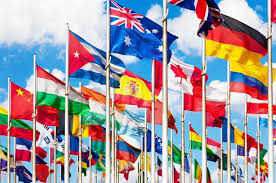
United for Peace: Strengthening Global Cooperation and Unity
Updated at: 2023-08-13 18:03:48 (2 years ago by Melkisedeck Leon Shine)
United for Peace: Strengthening Global Cooperation and Unity
In a world that seems increasingly divided, the need for global cooperation and unity has never been more pressing. The challenges we face, whether they be conflict, poverty, or environmental degradation, require collective action and collaboration across borders. United for Peace, a global initiative aimed at promoting unity and cooperation, seeks to bridge the gaps that divide us and build a more peaceful and sustainable future for all.
Here are 15 detailed points on how we can promote global cooperation for peace and unity:
Embrace diversity: Recognize the value of different cultures, perspectives, and experiences. By celebrating diversity, we can foster understanding and create a more inclusive global community.
Encourage dialogue: Engage in open and respectful conversations with people from different backgrounds. By listening to one another's stories and perspectives, we can find common ground and build bridges of understanding.
Foster empathy: Put yourself in the shoes of others and strive to understand their struggles and aspirations. Empathy is a powerful tool for fostering compassion and unity.
Collaborate on shared challenges: Whether it's poverty, climate change, or conflict resolution, working together is essential. By pooling resources and expertise, we can find innovative solutions to complex global issues.
Support international organizations: Organizations such as the United Nations and World Health Organization play crucial roles in promoting peace, health, and sustainable development. Advocate for their work and support their initiatives.
Promote education: Education is the foundation for a peaceful and just society. Support initiatives that provide quality education for all, regardless of socioeconomic background or geographical location.
Address inequalities: Inequality breeds division and conflict. By addressing economic and social disparities, we can foster a more equitable world where everyone has an equal opportunity to thrive.
Protect the environment: Climate change knows no borders. Promote sustainable practices and support initiatives that protect the planet for future generations.
Foster youth involvement: Young people are the leaders of tomorrow. Empower them to be active participants in shaping a more peaceful and united world.
Encourage interfaith dialogue: Religion can be a source of unity or division. Promote dialogue and understanding between different faith communities to foster peace and cooperation.
Engage in diplomacy: Diplomacy is a powerful tool for resolving conflicts and building bridges between nations. Support diplomatic efforts and advocate for peaceful resolutions.
Volunteer and give back: Engage in community service and support initiatives that promote social, economic, and environmental development. Every small act makes a difference.
Emphasize shared humanity: We are all part of the human family, connected by our shared humanity. Recognize this interconnectedness and treat others with respect and dignity.
Advocate for human rights: Human rights are the foundation of a just and peaceful society. Advocate for the protection and promotion of human rights globally.
Lead by example: Be the change you wish to see in the world. Embody the values of peace, unity, and cooperation in your own actions and inspire others to do the same.
By promoting global cooperation and unity, we can create a world where peace and sustainable development thrive. It is up to each and every one of us to take action and make a difference. Together, we can build a brighter future for all.
Are you ready to join the movement? What steps will you take to promote global cooperation for peace and unity? Share this article with others and let's inspire change together. #UnitedForPeace #GlobalCooperation #UnityForAll
Updated at: 2025-08-21 10:54:51 (10 months ago by Melkisedeck Leon Shine)
A Call for Unity: Mobilizing Worldwide Support for a Peaceful Tomorrow In an era defined by intricate global challenges and multifaceted divisions, the imperative for unified global action towards peace has never been more critical. From escalating geopolitical tensions to the increasingly dire consequences of environmental degradation, the problems confronting humanity transcend national borders, necessitating collaborative strategies rooted in mutual understanding and shared objectives. This discourse aims to elucidate the significance of fostering global cooperation as the cornerstone of lasting peace and to galvanize active participation in this essential endeavor. By embracing our collective responsibility and harnessing the power of collaborative synergy, we can aspire to a future characterized by harmony, stability, and shared prosperity. 1. Cultivating Global Interconnectedness: The concept of interconnectedness underscores the fundamental reality that all inhabitants of Earth share a common ecosystem and resource base. This recognition necessitates an understanding that individual actions, irrespective of scale, reverberate across the global community, influencing the well-being of others. This interconnectedness is a core tenet of systems thinking, which emphasizes the interdependence of various elements within a larger system. For instance, consider the global response to a pandemic, where the actions of individuals and governments in one country have immediate and significant impacts on the health and economies of nations worldwide. Promoting global cooperation begins with acknowledging and acting upon this inherent interconnectedness. 2. Embracing Diversity as a Catalyst for Growth: Rather than perceiving diversity as a source of discord, it should be celebrated as a valuable asset that enriches our collective understanding and fosters innovation. Cultural diversity, in particular, offers a multitude of perspectives and approaches to problem-solving, which can be instrumental in addressing complex global challenges. By actively promoting inclusivity and demonstrating respect for diverse cultures, beliefs, and viewpoints, we can cultivate a more harmonious and equitable global society. Global Citizenship: Activating Individuals for Peace and Global Harmony can be achieved through embracing diversity. 3. Championing Dialogue and Mutual Understanding: Effective communication serves as the bedrock of conflict resolution and reconciliation. By creating platforms for open and respectful dialogue, where all voices are valued and heard, we can bridge divides and foster mutual understanding. This approach aligns with the principles of nonviolent communication, which emphasizes empathy, active listening, and the articulation of needs and feelings. Such dialogue can take various forms, from grassroots community initiatives to international diplomatic negotiations, all aimed at fostering common ground and building trust. 4. Promoting Empathy and Compassionate Action: Empathy, defined as the ability to understand and share the feelings of another, is a critical component of fostering unity and driving collaborative action. By cultivating empathy and compassion, we can transcend self-centered perspectives and work towards the greater good. Empathy and Compassion: Your Guide to Conflict Resolution for Stronger Relationships. Real-world applications of this principle can be seen in humanitarian efforts, where individuals and organizations respond to crises with compassion and a commitment to alleviating suffering. 5. Reinforcing International Organizations and Frameworks: International organizations play a pivotal role in facilitating cooperation and addressing shared global challenges. These institutions provide platforms for nations to collaborate on issues ranging from peace and security to sustainable development and humanitarian assistance. Supporting these organizations through financial contributions, volunteer efforts, and advocacy strengthens their ability to fulfill their mandates and promote global well-being. As highlighted in Global Institutions: Building Blocks for World Peace and Cooperation, these bodies are crucial for maintaining stability. 6. Investing in Education and Awareness: Education is a powerful tool for promoting global citizenship and fostering a deeper understanding of interconnected global issues. By educating ourselves and others about the root causes of conflict, the importance of cooperation, and the potential for peaceful resolution, we can empower individuals to become agents of positive change. This education should extend beyond formal schooling to encompass lifelong learning and engagement with diverse perspectives. 7. Engaging in Peaceful Advocacy and Activism: Peaceful activism provides a platform for individuals to voice their concerns, advocate for change, and mobilize collective action. Whether through peaceful protests, petitions, or online campaigns, activism can raise awareness, influence policy, and promote social justice. The effectiveness of peaceful activism relies on its adherence to principles of nonviolence, respect for human rights, and commitment to constructive dialogue. 8. Advancing Equality and Justice: Inequality and injustice are significant drivers of conflict and instability. By advocating for equal rights and opportunities for all, regardless of gender, race, ethnicity, or socioeconomic status, we can create more inclusive and equitable societies. This requires addressing systemic discrimination, promoting access to education and healthcare, and ensuring fair and just legal systems. 9. Championing Sustainable Development Practices: Environmental degradation and climate change pose existential threats to global peace and security. By supporting sustainable development initiatives that prioritize environmental protection, resource conservation, and climate resilience, we can mitigate these risks and ensure a more sustainable future for all. This includes transitioning to renewable energy sources, promoting sustainable agriculture, and reducing waste and pollution. 10. Seeking Common Ground and Shared Objectives: Despite our differences, humanity shares a common set of values and aspirations, including the desire for peace, security, and well-being. By focusing on these shared values and identifying common objectives, we can build bridges across divides and foster cooperation. This requires a willingness to compromise, negotiate, and find solutions that benefit all stakeholders. 11. Recognizing and Celebrating Successes: Highlighting success stories of cooperation and unity serves as a powerful source of inspiration and reinforces the belief that positive change is possible. By showcasing examples of successful collaborations, innovative solutions, and peaceful resolutions, we can inspire others to emulate these successes and contribute to a more hopeful future. 12. Fostering Intercultural Exchange and Understanding: Exposure to different cultures and traditions is essential for breaking down stereotypes, promoting empathy, and fostering mutual understanding. Intercultural exchanges, whether through travel, cultural events, or online platforms, provide opportunities to learn from one another, appreciate diverse perspectives, and build relationships across cultural boundaries. 13. Building Bridges Between Communities: Actively seeking opportunities to connect with individuals from different communities and backgrounds is crucial for overcoming prejudice, fostering trust, and building social cohesion. This can involve participating in community events, volunteering in diverse neighborhoods, or engaging in dialogue with people from different walks of life. 14. Supporting Peace-Building Initiatives and Reconciliation: Investing in peace-building initiatives in conflict-affected regions is essential for promoting long-term stability and preventing future violence. This includes supporting organizations that provide mediation, reconciliation, trauma healing, and economic development in these communities. 15. Amplifying the Message of Unity and Cooperation: Sharing information and resources that promote global cooperation for peace and unity is a vital step in mobilizing widespread support for this cause. By leveraging social media, educational platforms, and community networks, we can amplify the message of unity and inspire others to join the movement. **Conclusion and Recommendations** In summation, fostering global cooperation for peace and unity constitutes a multifaceted endeavor that necessitates the active engagement of individuals, organizations, and governments worldwide. By embracing our shared humanity, promoting dialogue, and investing in sustainable solutions, we can collectively strive towards a more harmonious and equitable world. **Recommendations:** * **Enhance Educational Initiatives:** Prioritize global citizenship education in school curricula to cultivate awareness of interconnectedness and intercultural understanding. * **Strengthen International Collaborations:** Bolster support for international organizations and frameworks to facilitate coordinated action on shared global challenges. As explained in Fostering Global Unity: Multilateral Strategies for Sustainable Peace, this is an important step. * **Promote Inclusive Dialogue:** Create platforms for open and respectful dialogue among diverse stakeholders to bridge divides and foster mutual understanding. * **Invest in Peace-Building:** Support initiatives that promote reconciliation, trauma healing, and economic development in conflict-affected regions. * **Encourage Sustainable Practices:** Adopt and promote sustainable practices to mitigate environmental degradation and climate change. **Impacts:** * Reduced conflict and violence * Increased social cohesion and inclusion * Improved environmental sustainability * Enhanced economic prosperity * Greater global stability and security **Applicability:** The principles and strategies outlined in this discourse are applicable across diverse contexts, from local communities to international forums. Individuals can promote peace and unity in their daily lives through acts of kindness, empathy, and respect. Organizations can incorporate these principles into their missions and operations, while governments can prioritize policies that foster cooperation and sustainable development. **Further Research:** Future research should focus on evaluating the effectiveness of different approaches to promoting global cooperation, identifying best practices, and exploring innovative solutions to complex global challenges. This includes examining the role of technology, the impact of cultural exchange programs, and the effectiveness of peace-building interventions. Research into the role of Women Leading Peace: Global Cooperation Through Empowered Voices could also yield important insights. **Reader Pool:** In what ways can technology be leveraged to enhance global cooperation and foster a sense of unity among diverse cultures and communities? Related Articles: - Global Citizenship: Activating Individuals for Peace and Global Harmony - Empathy and Compassion: Your Guide to Conflict Resolution for Stronger Relationships - Global Institutions: Building Blocks for World Peace and Cooperation - Fostering Global Unity: Multilateral Strategies for Sustainable Peace - Women Leading Peace: Global Cooperation Through Empowered Voices
Updated at: 2025-05-15 10:49:25 (1 year ago by Melkisedeck Leon Shine)
In an increasingly interconnected world characterized by both globalization and fragmentation, diplomacy assumes a critical role in fostering international cooperation and achieving sustainable peace. Defined as the art and practice of conducting negotiations between representatives of states, diplomacy serves as a primary instrument for conflict resolution, dialogue facilitation, and trust-building among nations. This analysis examines the multifaceted significance of effective diplomacy within the framework of international relations theory, exploring its potential to shape a more peaceful and equitable global order. Key concepts informing this analysis include the realist paradigm, which emphasizes state interests and power dynamics; the liberal paradigm, which highlights the role of international institutions and cooperation; and constructivism, which focuses on the role of ideas and norms in shaping state behavior.
Conflict Prevention and Resolution through Diplomatic Negotiation: A core function of diplomacy is the prevention and peaceful resolution of interstate conflicts. Applying game theory principles, effective diplomacy seeks to identify Pareto-optimal solutionsβoutcomes where neither party can improve their position without harming the otherβthrough meticulous negotiation and compromise. This proactive approach, grounded in the principles of preventative diplomacy, prioritizes dialogue and de-escalation mechanisms to avert the high human and economic costs associated with armed conflict, aligning with the tenets of rational choice theory which posits that actors will pursue actions that maximize their self-interest. The success of such negotiations often depends on the skillful application of power balancing and credible commitment strategies.
Bridging Cultural Divides through Intercultural Communication: Diplomacy serves as a crucial bridge-builder, fostering understanding and cooperation between diverse cultures and civilizations. This process leverages theories of intercultural communication, emphasizing the importance of empathy, active listening, and effective communication strategies to overcome cultural barriers and misconceptions. By promoting respectful dialogue and mutual respect, diplomats can cultivate a global environment of tolerance and collaboration, mitigating the potential for conflict stemming from cultural misunderstandings. This aligns with the constructivist perspective, which emphasizes the role of shared norms and values in fostering cooperation.
Facilitating Multilateralism and Collaborative Governance: Diplomatic engagements provide a vital platform for multilateralism and collaborative problem-solving on pressing global challenges. Drawing upon the principles of collective security and global governance, diplomacy empowers nations to tackle transnational issuesβsuch as climate change, pandemics, and economic crisesβthrough shared responsibility and coordinated action. The establishment and operation of international organizations, analyzed through institutionalist theory, play a key role in this process, facilitating communication, information sharing, and the development of legally binding agreements. The effectiveness of this collaborative approach is enhanced by the application of institutional design principles, which aim to optimize the efficiency and accountability of multilateral institutions.
Promoting Sustainable Development and Economic Cooperation: Diplomacy plays a pivotal role in fostering international economic cooperation and sustainable development. This involves negotiating trade agreements, promoting foreign direct investment, and facilitating access to development finance, all within a framework of fairness and equity. Applying principles of international political economy, effective diplomacy can help reduce poverty, create jobs, and contribute to global prosperity. The success of these efforts often hinges on the ability of diplomats to balance national interests with the broader goals of sustainable development, aligning with the principles of interdependence and mutual gain.
Environmental Stewardship and Global Commons Management: Facing the escalating challenges of climate change and environmental degradation, diplomacy is indispensable for achieving global cooperation in environmental stewardship. Drawing upon insights from environmental policy and international environmental law, effective diplomacy facilitates the negotiation of international environmental agreements, promoting sustainable resource management and the protection of global commons. This requires the skillful application of negotiation techniques, the mobilization of international norms and institutions, and the establishment of effective monitoring and enforcement mechanisms.
Strengthening Global Security and Preventing the Use of Force: Diplomacy offers a critical pathway toward enhancing global security and deterring the use of force. Building on the tenets of peacebuilding and conflict resolution, successful diplomatic initiatives can prevent the escalation of tensions, de-escalate existing conflicts, and foster a culture of peace. This approach requires adept application of negotiation and mediation techniques, as well as the careful management of power dynamics to prevent the outbreak of violence. The contribution of diplomacy to effective conflict management can be assessed using indices such as the Positive Peace Index, which measures factors such as well-functioning government and equitable resource distribution.
Responding Effectively to Global Crises: During crises such as pandemics or natural disasters, effective diplomacy is essential in coordinating international aid and response efforts. This requires the application of crisis management principles, enabling a rapid and efficient response. The success of such collaborative efforts hinges on clear communication channels, the effective coordination of resources, and the establishment of trust among participating actors. The effectiveness of diplomatic response during crises can be analyzed through the lens of crisis communication theory and disaster response frameworks.
Conclusion and Recommendations: Diplomacy remains a crucial tool for achieving global peace and sustainable development. Further research should focus on improving our understanding of the factors that contribute to the success and failure of diplomatic initiatives, including the impact of power imbalances, the role of domestic politics, and the influence of non-state actors. Recommendations include increased investment in diplomatic training and capacity-building, strengthening multilateral institutions, and fostering greater public engagement in diplomacy. Promoting a culture of diplomacy, emphasizing the importance of dialogue and cooperation, is crucial for achieving a more peaceful and equitable world. The ultimate impact of these efforts will be measured by indices of global peace, cooperation, and sustainable development. The applicability of these recommendations extends across diverse contexts, ranging from regional conflicts to global environmental challenges.
Reader Pool: What are the most significant challenges facing contemporary diplomacy in the context of rising nationalism and great power competition, and how can these challenges be overcome?
Updated at: 2023-08-13 17:24:48 (2 years ago by Melkisedeck Leon Shine)
Cultural Exchange as a Catalyst for Global Harmony and Understanding
In today's interconnected world, cultural exchange plays a crucial role in promoting global harmony and understanding. It acts as a catalyst that brings people from different cultures and backgrounds together, fostering a sense of unity and cooperation. By engaging in cultural exchange, we can break down barriers, bridge gaps, and promote the values of peace, unity, and cooperation on a global scale. Let us explore how cultural exchange can be a powerful tool for promoting global cooperation for peace and unity.
Cultural exchange fosters mutual respect: When individuals from different cultures interact and exchange ideas, they gain a deeper understanding and appreciation for each other's traditions, customs, and values. This mutual respect forms the foundation for building peaceful and harmonious relationships.
Cultural exchange breaks stereotypes: Often, misunderstandings and conflicts arise from stereotypes and misconceptions about other cultures. Through cultural exchange, we can challenge these stereotypes by experiencing firsthand the richness and diversity of different cultural practices.
Cultural exchange promotes empathy and understanding: By immersing ourselves in different cultural environments, we develop empathy and understanding towards others. This enables us to see the world from diverse perspectives, leading to a deeper appreciation of our shared humanity.
Cultural exchange encourages dialogue: When individuals from different cultures come together, they engage in meaningful dialogue, exchanging ideas and learning from each other. This dialogue promotes open-mindedness, critical thinking, and the development of innovative solutions to global challenges.
Cultural exchange fosters global citizenship: Engaging in cultural exchange helps individuals develop a sense of global citizenship, reminding us that we are all part of a larger global community. This understanding encourages us to work together towards common goals, such as peace, sustainability, and equality.
Cultural exchange enhances intercultural communication skills: In a globalized world, effective intercultural communication is essential. Cultural exchange provides an opportunity to develop these skills, enabling individuals to navigate diverse cultural contexts with ease and sensitivity.
Cultural exchange promotes economic cooperation: Cultural exchange fosters economic cooperation by creating opportunities for trade, investment, and collaboration between nations. By understanding each other's cultures and markets, countries can foster stronger economic ties, leading to mutual prosperity.
Cultural exchange inspires creativity and innovation: Exposing ourselves to different cultural perspectives fuels our creativity and inspires innovative solutions to global challenges. By embracing diversity, we can unlock the full potential of human ingenuity.
Cultural exchange strengthens social bonds: When individuals from different cultures interact, they form meaningful connections and build social networks that transcend borders. These connections serve as a foundation for fostering global cooperation and solidarity.
Cultural exchange promotes environmental sustainability: Environmental challenges require global cooperation. By exchanging knowledge and practices related to environmental sustainability, cultures can learn from each other and work together towards a more sustainable future.
Cultural exchange encourages peacebuilding: Peace is built upon understanding, empathy, and respect. Through cultural exchange, individuals can contribute to peacebuilding efforts by fostering relationships based on these values.
Cultural exchange enriches education: Cultural exchange provides invaluable educational opportunities, allowing individuals to learn about other cultures, languages, and traditions. This enriches educational experiences and prepares individuals to thrive in a diverse and interconnected world.
Cultural exchange breaks down language barriers: Language is often a barrier to communication and understanding. By engaging in cultural exchange, we have the chance to overcome these barriers, as language learning becomes a natural part of the exchange experience.
Cultural exchange celebrates diversity: Cultural exchange celebrates the beauty of diversity, reminding us that our differences make us stronger. By promoting cultural diversity, we can create a world that embraces and values every individual and culture.
Cultural exchange empowers individuals to be agents of change: Through cultural exchange, individuals gain the tools, skills, and knowledge to become effective agents of change in their communities and beyond. By sharing their experiences and promoting global cooperation, they inspire others to work towards peace and unity.
In conclusion, cultural exchange is a powerful catalyst for promoting global harmony and understanding. By engaging in cultural exchange, we can break down barriers, challenge stereotypes, and foster mutual respect and understanding. It is through these connections that we can build a more peaceful, united, and sustainable world. So, let us embrace cultural exchange, celebrate diversity, and work together towards a future of global cooperation, peace, and unity.
What are some cultural exchange programs that have had a significant impact on promoting global harmony and understanding in your community? How can you personally contribute to promoting global cooperation for peace and unity? Share your thoughts and experiences in the comments below, and don't forget to share this article to inspire others to join the movement for global harmony and understanding. #GlobalCooperation #PeaceAndUnity #CulturalExchange
Updated at: 2025-06-22 02:27:42 (1 year ago by Melkisedeck Leon Shine)
Introduction: The attainment of global peace and cooperation is a paramount objective in our increasingly interconnected world, characterized by persistent conflict and societal fragmentation. This article posits that women represent a critical, yet often underutilized, resource in achieving this goal. We will analyze the multifaceted contributions of women to peacebuilding, drawing upon established theories and models from conflict resolution and social change scholarship. Key concepts examined include the transformative potential of gender equality (as described by feminist theory), the efficacy of grassroots mobilization (informed by community-based participatory research principles), and the power dynamics shaping international relations (through the lens of constructivist and feminist perspectives in IR). The analysis will demonstrate the direct correlation between women's empowerment and global harmony.
1. Empowerment as a Foundation for Peace: The empowerment of womenβdefined as access to education, healthcare, economic opportunities, and political participationβis intrinsically linked to peacebuilding. This aligns with the Capability Approach, which emphasizes expanding human capabilities as a pathway to well-being and societal progress. Empowered women are more likely to actively participate in peace processes, advocate for their rights, and contribute to more equitable and stable societies, thereby diminishing the likelihood of conflict arising from social inequalities. This concept is also linked to the Human Security framework, prioritizing protection of individual and community well-being.
2. The Unique Perspective of Women in Conflict Resolution: Women frequently bring a distinct approach to conflict resolution, characterized by empathy, communication, and a focus on collaborative problem-solving, aligning with restorative justice principles that prioritize dialogue and reconciliation over retribution. Research in conflict mediation consistently demonstrates the efficacy of female mediators, whose strategies foster trust and understanding, resulting in more sustainable peace agreements. This is supported by social psychology research illustrating inherent differences in communication styles and conflict management approaches between genders.
3. Women in Leadership: Catalysts for Inclusive Governance: The inclusion of women in leadership positions is essential for achieving global cooperation. Gender quotas in politics and corporate settings offer a mechanism for greater representation and influence. Empirical studies reveal a positive correlation between female leadership and more inclusive, collaborative, and less conflict-prone decision-making, fostering consensus-building, a cornerstone of effective diplomacy and international relations. This supports the tenets of good governance and democratic participation.
4. Grassroots Peacebuilding and Community Leadership: Women's influential roles within families and communities position them as key actors in grassroots peacebuilding. This aligns with community development frameworks emphasizing local ownership and participation. By fostering dialogue and collaboration within their communities, women effectively bridge divides and promote peaceful coexistence. Their involvement counters top-down approaches, creating more sustainable and inclusive peacebuilding outcomes.
5. Global Networks and Collaborative Action: Global networks and coalitions of women's organizations amplify their voices and facilitate collaborative peacebuilding strategies. This resonates with social movement theory, highlighting the power of collective action in driving social change. Shared experiences, knowledge exchange, and coordinated advocacy significantly enhance individual initiatives, creating a powerful force for peace. This approach demonstrates the principles of transnational advocacy networks.
6. The Role of Education in Cultivating Peacebuilders: Education equips women with the knowledge, critical thinking skills, and conflict resolution tools necessary to become effective peacebuilders. This aligns with human capital theory, which underscores the positive impact of educational investment on individual well-being and societal development. Education fosters empowerment, enabling women to meaningfully participate in peace processes and advocate for peaceful solutions.
7. Economic Empowerment: Addressing Root Causes of Conflict: Economic empowerment for women is directly linked to conflict prevention and resolution. Providing equal economic opportunities addresses root causes of conflict often stemming from poverty and inequality. This is directly linked to the Sustainable Development Goals, emphasizing inclusive and equitable economic growth. Economic independence grants women agency and strengthens their ability to contribute to peaceful and stable societies.
8. Environmental Stewardship and Sustainable Peace: Women play a critical role in environmental activism and sustainability. The link between environmental degradation, resource scarcity, and conflict is increasingly recognized. Women's engagement in environmental protection promotes sustainable development, directly contributing to a more peaceful and stable future. Their participation aligns with environmental justice principles, ensuring equitable access to resources and protection from environmental hazards.
9. The Narrative of Peace: Storytelling and Social Transformation: The power of storytelling in promoting peace and reconciliation is significant. Women's narratives of resilience, forgiveness, and reconciliation challenge stereotypes, break down barriers, and inspire others. This connects to the social construction of reality, emphasizing the power of narratives to shape perceptions and influence behavior. Sharing these stories fosters empathy and collective action towards a more peaceful world. This can be further understood through the lens of narrative therapy.
10. Men as Allies: Fostering Shared Responsibility: Engaging men as allies in promoting gender equality and women's empowerment is crucial for global cooperation for peace. This involves shifting traditional gender roles and fostering a shared understanding of the importance of women's participation. Such collaborative efforts reflect the principles of transformative peacebuilding, addressing root causes of conflict and promoting lasting change. This approach utilizes a collaborative peacebuilding approach.
11. Intergenerational Collaboration: Passing the Torch of Peace: Building bridges between generations is essential for sustainable peace. Intergenerational dialogue and collaboration ensure the continuity of peacebuilding efforts. This fosters mentorship and empowers younger generations, creating a continuous cycle of positive change. This aligns with the principles of social learning and intergenerational equity.
12. Celebrating Achievements: Inspiring Future Action: Recognizing and celebrating successes in promoting global cooperation and women's role in peacebuilding inspires future action. Showcasing achievements reinforces positive impact and motivates further commitment to building a peaceful world. This is consistent with the principle of positive reinforcement and demonstrates the importance of recognizing achievements in sustaining momentum for peacebuilding.
Conclusions and Recommendations: This analysis underscores the indispensable role of women in peacebuilding and global cooperation. Their unique perspectives, community leadership, and advocacy profoundly influence conflict resolution, inclusive governance, and sustainable development. Future research should utilize mixed-methods approaches, incorporating both quantitative analysis of the impact of female leadership on peace outcomes and qualitative studies exploring the effectiveness of diverse peacebuilding strategies within various contexts. Recommendations include policy interventions that empower women through education, economic opportunities, and political participation; supporting global networks of women peacebuilders; and fostering intergenerational collaboration for sustained peacebuilding efforts. Achieving global peace and cooperation necessitates a fundamental shift in power dynamics, placing women at the forefront of peacebuilding endeavors. Longitudinal studies tracking the impact of these interventions will provide valuable insights and inform future strategies.
Reader Pool: Considering the multifaceted contributions detailed in this article, what innovative strategies can be implemented to further amplify the impact of women's leadership and participation in achieving sustainable global peace?
Updated at: 2023-08-13 17:24:30 (2 years ago by Melkisedeck Leon Shine)
Title: Environmental Stewardship as a Catalyst for Global Peace and Sustainability
Introduction: In today's interconnected world, environmental stewardship plays a vital role in promoting global peace and sustainability. As we face pressing challenges such as climate change, resource depletion, and environmental degradation, it becomes increasingly evident that cooperation and unity are essential for the wellbeing of our planet and future generations. This article aims to shed light on the significance of environmental stewardship as a catalyst for global peace and sustainability, inspiring readers to take action and promote unity on a global scale.
Recognizing our shared responsibility: Environmental stewardship calls upon individuals, communities, organizations, and nations to acknowledge their shared responsibility in protecting and preserving the environment. By embracing this responsibility, we can foster a sense of unity and collaboration towards a common goal.
Building bridges through environmental cooperation: When nations come together to address environmental challenges, they create opportunities for collaboration, dialogue, and shared learning. Through international agreements, initiatives, and forums, countries can work towards sustainable solutions, facilitating global unity and cooperation.
Addressing climate change collectively: Climate change knows no boundaries and affects every corner of the globe. By collectively addressing this issue, nations can build stronger bonds based on a shared commitment to reduce greenhouse gas emissions, transition to renewable energy sources, and adapt to the changing climate.
Protecting biodiversity and ecosystems: Environmental stewardship goes beyond climate change and encompasses the protection of biodiversity and ecosystems. By conserving natural habitats, protecting endangered species, and promoting sustainable land and water management, we contribute to the preservation of life on Earth and foster global cooperation.
Sharing knowledge and expertise: Environmental stewardship encourages the exchange of knowledge and expertise across borders. By sharing best practices, technological advancements, and scientific research, nations can accelerate sustainable development and enhance global unity.
Empowering local communities: Environmental stewardship empowers local communities to play an active role in sustainable development. By involving them in decision-making processes, providing education and resources, and respecting indigenous knowledge, we promote social equity and strengthen the foundation for global peace and unity.
Promoting sustainable agriculture and food systems: Ensuring food security for all requires a shift towards sustainable agriculture and food systems. By promoting regenerative practices, minimizing waste, and supporting small-scale farmers, we can create a more resilient and equitable global food system, fostering unity and cooperation.
Investing in renewable energy: Transitioning from fossil fuels to renewable energy sources is crucial for mitigating climate change and achieving global sustainability. By investing in clean energy technologies and embracing energy efficiency, nations can collaborate on a path towards a greener, more peaceful future.
Preventing conflicts over natural resources: Environmental degradation and resource scarcity can lead to conflicts and instability. By adopting sustainable resource management practices, embracing circular economy principles, and promoting equitable access to resources, nations can reduce the risk of conflicts and promote global peace.
Educating future generations: Environmental stewardship starts with education. By integrating environmental sustainability into school curricula and promoting environmental awareness, we empower future generations to become environmentally conscious and active global citizens, fostering peace and unity.
Supporting green businesses and innovation: Entrepreneurship and innovation play a crucial role in driving sustainable development. By supporting green businesses, investing in clean technologies, and fostering sustainable economic growth, nations can create opportunities for collaboration and unity in the pursuit of a greener future.
Enhancing cross-cultural understanding: Environmental challenges transcend borders, cultures, and religions. By engaging in international environmental cooperation, we foster cross-cultural understanding, dismantle stereotypes, and promote a sense of global unity rooted in our shared responsibility towards the environment.
Valuing indigenous knowledge and wisdom: Indigenous communities have long held wisdom and knowledge about sustainable practices. By respecting and valuing their traditional ecological knowledge, nations can tap into invaluable insights that can contribute to global peace, sustainability, and unity.
Encouraging responsible consumption and production: Promoting responsible consumption and production patterns is essential for reducing our ecological footprint. By prioritizing sustainable lifestyles, reducing waste, and supporting ethical supply chains, we can inspire a global movement towards peace, unity, and sustainability.
Embracing environmental diplomacy: Environmental stewardship requires diplomatic efforts to bridge differences and foster collaboration. By actively participating in environmental diplomacy, nations can work towards common goals, strengthen relationships, and promote a united front in addressing global environmental challenges.
Conclusion: Environmental stewardship serves as a catalyst for global peace and sustainability, requiring collective efforts, collaboration, and unity. By recognizing our shared responsibility, embracing international cooperation, and prioritizing sustainable practices, we can pave the way for a harmonious and resilient future. Let us seize this opportunity to develop our skills in promoting global cooperation for peace and unity, and inspire others to join us in this noble endeavor.
Can we afford to neglect the environment when it holds the key to our shared future? Share this article and let's work together for a greener, more peaceful world. #GlobalUnity #EnvironmentalStewardship #Sustainability
Updated at: 2025-03-01 15:48:21 (1 year ago by Melkisedeck Leon Shine)
The persistent challenges of global conflict and division underscore the urgent need for sustainable peacebuilding. A harmonious and prosperous future hinges on fostering global cooperation, a collective endeavor demanding multifaceted strategies. This article explores key multilateral approaches crucial for achieving lasting unity and promoting global cooperation on a significant scale.
Multilateral Diplomacy: The Foundation of Peace
Effective diplomacy is paramount in conflict resolution and unity building. Through open dialogue and collaborative negotiation, nations can identify common ground, paving the way for peaceful resolutions and preventing escalation. This proactive approach prioritizes communication and understanding as cornerstones of sustainable peace.
The Role of International Organizations
International organizations, such as the United Nations (UN) and the World Trade Organization (WTO), serve as vital platforms for global discourse and collaborative problem-solving. These institutions facilitate communication, negotiate agreements, and implement initiatives that directly contribute to sustainable peacebuilding and the advancement of shared goals.
Economic Interdependence: A Catalyst for Unity
Economic interdependence plays a powerful role in promoting global unity. Trade agreements and collaborative economic initiatives foster strong ties between nations, generating mutual benefits and significantly reducing the likelihood of conflict stemming from economic disparities or competition.
Cultural Exchange: Bridging Divides Through Understanding
Appreciating cultural diversity is essential for building unity. Cultural exchange programs provide invaluable opportunities for individuals to learn from one another, dismantling stereotypes and fostering mutual respect, which underpins a cohesive global community.
Education and Awareness: Cultivating a Culture of Peace
Quality education plays a crucial role in promoting peace and global cooperation. Educational systems that instill understanding, tolerance, and empathy cultivate future generations who value unity and actively contribute to its achievement, creating a ripple effect of positive change.
Proactive Conflict Prevention and Resolution
Investing in conflict prevention and resolution mechanisms is essential. Training peacekeepers, developing early warning systems, and supporting mediation efforts are crucial for addressing conflicts before they escalate, preventing large-scale violence and its devastating consequences.
Sustainable Development: Addressing Root Causes of Conflict
Sustainable peacebuilding requires addressing socio-economic disparities. Inclusive and sustainable development initiatives tackle the root causes of conflict, creating environments conducive to unity and stability by improving living conditions and opportunities for all.
Environmental Stewardship: Protecting Shared Resources
Environmental degradation often fuels resource scarcity and conflict. Promoting sustainable environmental practices and addressing climate change are crucial for preventing conflict and building a more unified, environmentally responsible world for future generations.
Upholding Human Rights: The Cornerstone of a Just World
Upholding human rights is fundamental to peace and unity. Promoting equality, justice, and respect for all individuals creates an inclusive society where everyone feels valued and empowered, contributing to a more harmonious global community.
Empowering Youth: Investing in Future Peacebuilders
Empowering youth is crucial for global cooperation and peace. Providing young people with educational opportunities, employment prospects, and meaningful participation in decision-making processes harnesses their energy and creativity to build a brighter future.
Interfaith Dialogue: Harnessing the Power of Shared Values
Religion, when used constructively, can be a powerful force for unity. Interfaith dialogue fosters understanding and collaboration among diverse religious communities, contributing significantly to peacebuilding efforts and promoting tolerance.
Responsible Media: Shaping Narratives of Unity
The media significantly influences public opinion, capable of either fostering unity or exacerbating divisions. Responsible journalism, characterized by unbiased reporting, dialogue promotion, and fact-based narratives, is crucial for sustainable peacebuilding.
Women's Empowerment: Inclusive Leadership for Lasting Peace
Gender equality and women's empowerment are essential for lasting peace. Including women in decision-making processes and ensuring equal rights and opportunities leverage their unique perspectives and contributions towards creating more peaceful and equitable societies.
Grassroots Initiatives: Building Peace from the Ground Up
Sustainable peacebuilding begins at the community level. Grassroots initiatives that bring together diverse individuals and promote cooperation at the local level have a profound impact on fostering unity and fostering a culture of peace.
Global Citizenship: A Shared Responsibility for Peace
Encouraging global citizenship fosters a sense of shared responsibility for promoting peace and unity. Recognizing the interconnectedness of our actions and their global impact encourages individuals to actively contribute to a more cooperative and harmonious world.
Conclusion: A Collective Commitment to Peace
Promoting global cooperation for peace and unity is a collective responsibility demanding engagement from individuals, communities, and nations alike. By embracing multilateral approaches and investing in sustainable peacebuilding, we can create a world where unity triumphs over division. Let us cultivate the skills and passion necessary to contribute to this vital cause, building a peaceful and united future for all.
Updated at: 2025-06-22 11:05:45 (1 year ago by Melkisedeck Leon Shine)
In an increasingly interconnected world, globalization and rapid technological advancements necessitate novel approaches to fostering global harmony. Cultural exchange emerges as a pivotal mechanism in this context, significantly impacting international relations and sustainable development. This article analyzes the multifaceted role of cultural exchange, grounding its discussion in established sociological and economic theories. We will examine how cultural exchange acts as a catalyst for peace, cooperation, and sustainable development. Key theoretical frameworks guiding this analysis include social identity theory, which explores how group membership shapes individual identity and intergroup relations; the contact hypothesis, which posits that positive intergroup contact can reduce prejudice; and cosmopolitanism, emphasizing a global sense of community and shared humanity. Furthermore, Hofstede's cultural dimensions theory will be applied to understand the complexities of intercultural communication.
1. Bridging Cultural Divides and Building Mutual Respect: Direct interaction facilitated by cultural exchange programs directly challenges the limitations of social identity theory, which often leads to in-group bias and out-group prejudice. The contact hypothesis suggests that positive interactions can mitigate these biases. Through firsthand experiences with diverse cultures, participants actively dismantle stereotypes and misconceptions, fostering mutual understanding and respect. This is evident in the success of numerous student exchange programs and international collaborative research projects, demonstrating the practical application of these theoretical frameworks in real-world settings. The increased empathy and appreciation for diverse perspectives contribute to building more harmonious international relations.
2. Enhancing Intercultural Communication and Collaborative Problem-Solving: Effective global collaboration hinges on strong intercultural communication skills. Cultural exchange provides valuable opportunities to develop these skills, teaching participants to navigate diverse communication styles and overcome language barriers. Applying Hofstede's cultural dimensions theory, the nuances of communication styles across different cultures become more readily apparent, fostering more effective collaboration in international business, diplomacy, and addressing global challenges. This improved communication proficiency significantly boosts the efficacy of multinational collaborations in various fields.
3. Stimulating Economic Growth and Sustainable Development: The influence of cultural exchange extends beyond social interaction, profoundly impacting economic cooperation. By fostering comprehension of diverse markets and business practices, it facilitates international trade, investment, and joint ventures, ultimately driving global economic growth. Furthermore, the sharing of best practices in environmental management and the promotion of sustainable consumption patterns contribute directly to the achievement of sustainable development goals. This demonstrates the practical application of sustainable development principles, fostering a shared global responsibility for environmental stewardship.
4. Cultivating Global Citizenship and Promoting Peacebuilding: Cultural exchange plays a crucial role in fostering global citizenship. Exposure to diverse worldviews cultivates empathy, tolerance, and a sense of shared humanity, aligning with the core principles of cosmopolitanism. This enhanced perspective enables individuals to contribute actively to peacebuilding efforts, facilitating constructive conflict resolution and global cooperation. The success of initiatives such as the international Peace Corps highlights the tangible impact of cultural exchange on promoting long-term, positive international relationships.
5. Empowering Individuals and Strengthening Education: Participation in cultural exchange programs empowers individuals to become agents of positive change. The acquired knowledge, skills, and broadened perspectives enhance educational opportunities, preparing students for the complexities of an increasingly interconnected world. The exposure to diverse cultures fosters critical thinking, adaptability, and problem-solving skills β valuable assets in the modern global workforce. Educational institutions can strategically leverage cultural exchange to develop global competencies within their student populations, preparing the next generation of global leaders.
This analysis reveals cultural exchange as a vital instrument for achieving global harmony and understanding in the face of globalization's challenges. By fostering mutual respect, enhancing communication, stimulating economic cooperation, cultivating global citizenship, and empowering individuals, cultural exchange serves as a potent catalyst for positive global transformation. Its impact resonates across economic, social, and environmental domains, directly contributing to the accomplishment of sustainable development goals. To maximize its positive impact, governments, educational institutions, and non-governmental organizations should prioritize investment in and promotion of comprehensive cultural exchange programs. Future research should concentrate on longitudinal studies to gauge the long-term effects of cultural exchange on societal metrics such as prejudice levels, intercultural attitudes, and engagement in global cooperation initiatives. Furthermore, a robust methodological framework for evaluating the impact of cultural exchange programs should be developed to ensure optimal resource allocation and evidence-based policymaking. Integrating cultural exchange principles into educational curricula at all levels is crucial for fostering a globally conscious generation equipped to navigate the complexities of an interconnected world.
Reader Pool: Considering the limitations and potential unintended consequences of cultural exchange programs, what ethical guidelines and best practices should be prioritized to ensure their equitable and beneficial implementation globally?
Updated at: 2025-07-06 10:48:11 (11 months ago by Melkisedeck Leon Shine)
In an increasingly interconnected world, characterized by globalization and its attendant complexities, the concept of global citizenship has emerged as a critical framework for fostering peace and international cooperation. Global citizenship, defined as the recognition of shared humanity and interconnectedness, transcends national boundaries and promotes a sense of responsibility towards the global community. This article examines the multifaceted dimensions of global citizenship and its application in proactive peacebuilding initiatives, drawing upon relevant theories and models of social change.
1. Cultivating Global Consciousness and Interdependence: The foundational principle of global citizenship rests upon the understanding of global interconnectedness. This transcends simple awareness of international affairs and necessitates an understanding of systemic interdependence, mirroring the principles of world-systems theory. For example, climate change, a global challenge, requires transnational cooperation, highlighting the interconnectedness of nations and the shared responsibility for environmental stewardship. Individuals recognizing this interdependence are more likely to engage in collaborative, transnational efforts to address shared challenges.
2. Fostering Empathy and Cross-Cultural Understanding: The development of empathy and cross-cultural understanding are vital components of global citizenship. Social identity theory suggests that understanding and appreciating diverse perspectives is crucial in reducing prejudice and fostering tolerance. Practical applications include intercultural dialogue programs, promoting exposure to diverse cultural narratives through media, and active listening skills development. These initiatives aim to reduce ethnocentrism and promote a more inclusive global community.
3. Promoting Peaceful Conflict Resolution and Mediation: Global citizenship actively champions peaceful conflict resolution mechanisms. Applying principles from conflict resolution theory, global citizens advocate for and utilize techniques such as negotiation, mediation, and arbitration to prevent escalation and foster reconciliation. Real-world examples include individuals participating in peacebuilding initiatives, acting as mediators in local conflicts, or advocating for non-violent conflict resolution strategies in international relations.
4. Active Participation in Global Governance and Advocacy: Global citizenship extends beyond individual actions to encompass active participation in global governance and advocacy. This involves engaging in democratic processes, supporting international organizations, and advocating for policies that promote peace, justice, and human rights. For instance, participating in citizen diplomacy initiatives, advocating for fair trade practices, or lobbying for stronger international environmental regulations all reflect active engagement in shaping global policy.
5. Harnessing Technology for Global Collaboration: The digital age has significantly impacted global citizenship, providing unprecedented opportunities for collaboration and communication. Social network theory can explain how online platforms facilitate the creation of global networks that transcend geographical limitations. This allows for rapid dissemination of information, mobilization for social action, and collaborative problem-solving on a global scale. Examples include online campaigns for human rights, collaborative projects tackling global health crises, and the use of social media to promote peace and understanding.
6. Empowering Women and Youth as Agents of Change: The full realization of global citizenship requires the empowerment of all segments of the global population. Recognizing the unique roles and perspectives of women and youth is critical. This necessitates actively addressing gender inequality and providing platforms for youth-led initiatives. Empowering women in leadership roles and involving youth in peacebuilding efforts can enhance the effectiveness and sustainability of peace-building initiatives. This aligns with feminist theories emphasizing the importance of gender equality in achieving global justice and peace.
7. Integrating Global Citizenship into Education: Education plays a pivotal role in nurturing global citizenship. Integrating global issues, intercultural competence, and critical thinking skills into educational curricula helps equip future generations with the knowledge and abilities to navigate the complexities of an interconnected world. This can be achieved through project-based learning on global challenges, incorporating diverse perspectives into learning materials, and encouraging critical engagement with global issues.
8. Corporate Social Responsibility and Sustainable Development: Businesses also have a crucial role in promoting global citizenship through corporate social responsibility initiatives. This involves integrating sustainability practices, ethical sourcing, and fair labor standards into their operations. By aligning their business strategies with the principles of sustainable development, companies can contribute positively to the global community and promote social and environmental responsibility. This aligns with stakeholder theory emphasizing the importance of corporations considering the interests of all stakeholders, not just shareholders.
Conclusions and Recommendations: Global citizenship is not merely a concept but a call to action, demanding proactive engagement at individual, community, and global levels. The integration of global citizenship principles into education, policy, and business practices is crucial for fostering a more peaceful and sustainable world. Further research should focus on developing effective metrics to measure the impact of global citizenship initiatives, investigating the role of technology in enhancing global solidarity, and exploring ways to address the challenges of global inequality and injustice. By promoting collaborative efforts and fostering a culture of empathy and understanding, we can collectively build a more just and harmonious global community. The ultimate goal is to shift from reactive responses to global challenges towards a proactive, participatory approach to peacebuilding, leveraging the collective power of global citizens.
Reader Pool: How can we most effectively leverage the potential of technology to foster cross-cultural understanding and collaborative peacebuilding initiatives among global citizens?
Updated at: 2025-05-24 12:21:28 (1 year ago by Melkisedeck Leon Shine)
This article examines the pivotal role of international partnerships in fostering global peace and unity within a complex geopolitical landscape characterized by persistent conflict and social unrest. We will analyze the multifaceted contributions of these collaborations, drawing upon relevant theories of international relations and conflict resolution to illustrate their practical application. Key concepts include: functionalism (the idea that cooperation on specific issues leads to broader peace), liberalism (emphasizing the role of international institutions and norms), constructivism (highlighting the importance of shared norms and identities), and realism (acknowledging the persistent role of power dynamics), all of which provide different lenses through which to understand international partnerships.
1. Diplomacy and Conflict Resolution through Collaborative Platforms: International partnerships provide structured avenues for diplomatic engagement, facilitating dialogue and negotiation between nations. The establishment of joint task forces, multilateral forums, and mediation initiatives, drawing on principles of conflict resolution, enables the peaceful resolution of disputes, reducing reliance on coercive measures. This aligns with functionalist theory, where collaborative problem-solving on specific issues fosters broader cooperation and trust.
2. Resource Mobilization and Capacity Building: Collective action enables the efficient pooling of resources, expertise, and technological advancements to address transnational challenges such as climate change, poverty, and pandemics. This collaborative approach, rooted in liberal institutionalism, leverages the comparative advantages of participating nations, strengthening collective capacity and enhancing developmental outcomes. For instance, the Global Fund to Fight AIDS, Tuberculosis and Malaria demonstrates successful resource pooling for a global health challenge.
3. Norm Diffusion and the Promotion of Shared Values: International partnerships play a critical role in disseminating norms and values supportive of peace and security. Constructivist theory highlights how interactions within these partnerships can shape state identities and interests, leading to a convergence of values and a shared understanding of acceptable behavior in international relations. The establishment of international criminal courts and human rights treaties exemplify the promotion of shared norms through collaborative efforts.
4. Economic Interdependence and Mutual Gain: By fostering economic cooperation through trade agreements, investment partnerships, and shared infrastructure projects, international collaborations generate economic interdependence, creating incentives for peaceful relations and discouraging conflict. This aligns with liberal economic theories promoting free trade and mutually beneficial relationships. The European Union's economic integration serves as a real-world illustration of the positive correlation between economic interdependence and peaceful coexistence.
5. Enhanced Global Security and Counter-Terrorism Cooperation: International partnerships are vital for addressing transnational security threats, including terrorism, cybercrime, and weapons proliferation. Sharing intelligence, coordinating law enforcement actions, and establishing joint security initiatives, informed by realist considerations of power balancing and threat mitigation, significantly enhance the collective security of participating states. The success of international counter-terrorism efforts largely depends on the efficacy of these collaborative mechanisms.
6. Empowerment of Civil Society and Grassroots Initiatives: International partnerships increasingly involve collaborations with non-governmental organizations (NGOs) and civil society actors, empowering local communities and promoting bottom-up approaches to peacebuilding. This approach recognizes the importance of local ownership and participation in achieving sustainable peace, aligning with theories that emphasize the critical role of civil society in democratization and conflict resolution. Supporting grassroots initiatives directly contributes to long-term stability and reconciliation.
7. Strengthening Multilateral Institutions and the Rule of Law: International partnerships reinforce the authority and legitimacy of global governance institutions, promoting adherence to international law and norms. This strengthens the international rules-based order, which is fundamental for maintaining peace and preventing conflicts. By working within established frameworks and upholding their commitments, participating states demonstrate their commitment to a just and peaceful world order. The United Nations' role in peacekeeping and conflict resolution illustrates this principle.
Conclusions and Recommendations: International partnerships represent a critical instrument in the pursuit of global peace and security. By fostering dialogue, resource mobilization, norm diffusion, and shared security arrangements, these collaborations offer a powerful means to address the root causes of conflict and promote sustainable peace. However, the effectiveness of these partnerships hinges on factors such as political will, commitment to shared norms, and the equitable distribution of power and resources. Future research should focus on identifying optimal strategies for facilitating effective collaboration, addressing power imbalances, and ensuring the equitable distribution of benefits from international partnerships. Further research into the effectiveness of different models of collaboration and the role of specific actors (e.g., NGOs, regional organizations) is also warranted. The overarching goal is to refine and enhance the capacity of international partnerships to effectively address the complex challenges of global peace and security.
Reader Pool: Considering the multifaceted nature of international partnerships discussed, what specific strategies would most effectively address power imbalances and ensure equitable participation in such collaborations to achieve sustainable global peace?