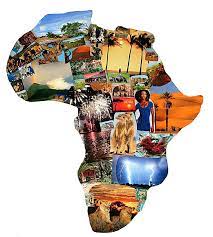
Eco-Heritage: Indigenous Wisdom in Safeguarding African Natural Resources
Updated at: 2023-08-11 20:49:04 (2 years ago by Melkisedeck Leon Shine)
Eco-Heritage: Indigenous Wisdom in Safeguarding African Natural Resources 🌍
Africa, a continent rich in cultural diversity and natural resources, has long been a source of inspiration and wonder. From the majestic landscapes to the vibrant traditions of its people, Africa's heritage is truly a treasure to behold. However, with the rapid changes taking place in our modern world, it is imperative that we safeguard and preserve our unique African culture and heritage. In this article, we will explore strategies that can help us protect and promote our rich heritage for generations to come.
1️⃣ Embrace Indigenous Wisdom: Our ancestors, who lived harmoniously with nature, hold invaluable knowledge about preserving the environment. By learning from their traditional practices, we can develop sustainable approaches to managing our natural resources.
2️⃣ Promote Cultural Education: Educate ourselves and future generations about our diverse cultures. This will foster a sense of pride and appreciation for our heritage, encouraging us to actively preserve it.
3️⃣ Support Traditional Industries: By purchasing products made by local artisans and craftsmen, we can contribute to the preservation of traditional skills and practices.
4️⃣ Establish Cultural Heritage Centers: These centers can serve as repositories of knowledge, showcasing our traditions, languages, and heritage. They can also provide platforms for cultural exchange and dialogue.
5️⃣ Strengthen Laws and Regulations: Implement and enforce laws that protect our cultural heritage, ensuring that it is not exploited or destroyed.
6️⃣ Engage with Local Communities: Involve communities in decision-making processes concerning natural resources. Their input is vital in safeguarding our heritage and ensuring sustainable development.
7️⃣ Develop Eco-Tourism Initiatives: Promote responsible tourism that respects and celebrates our cultural heritage. This can provide economic opportunities for local communities while preserving our traditions.
8️⃣ Preserve Oral Histories: Our stories and traditions are passed down through generations orally. Preserve these narratives by documenting them, ensuring they are not lost to time.
9️⃣ Invest in Cultural Infrastructure: Develop museums, theaters, and cultural centers that showcase our heritage. This will create spaces for cultural exchange and tourism, generating economic benefits for local communities.
🔟 Foster International Collaboration: Collaborate with other nations and organizations to learn from their experiences in preserving cultural heritage. By sharing knowledge and best practices, we can strengthen our efforts.
1️⃣1️⃣ Empower Indigenous Communities: Provide support and resources to indigenous communities, enabling them to protect their land and preserve their culture.
1️⃣2️⃣ Promote Intercultural Dialogue: Engage in meaningful conversations and exchanges with other cultures within Africa and beyond. This fosters understanding, respect, and unity.
1️⃣3️⃣ Harness Digital Technologies: Utilize technology to document and disseminate our cultural heritage. This can include digital archives, virtual tours, and online platforms that promote our traditions.
1️⃣4️⃣ Celebrate National Heritage Days: Commemorate and celebrate our cultural heritage through annual events and festivities. This reinforces the importance of preserving our traditions.
1️⃣5️⃣ Develop Skills for Preservation: Encourage individuals to develop skills in cultural preservation, such as archaeology, anthropology, and heritage management. These skills will be invaluable in safeguarding our heritage for future generations.
As Africans, we have a duty to protect and promote our cultural heritage. By implementing these strategies, we can ensure that our traditions and natural resources are preserved for generations to come. Let us embrace our rich heritage, unite as one continent, and work towards the establishment of The United States of Africa (Muungano wa Mataifa ya Afrika). Together, we can build a future that honors our past and celebrates our diverse African identity.
Are you ready to join the movement to preserve African culture and heritage? Share this article and let's inspire others to take action! #PreserveOurHeritage #UnitedAfrica #AfricanPride
Updated at: 2025-02-28 12:00:42 (1 year ago by Melkisedeck Leon Shine)
Africa's vibrant linguistic tapestry, a rich collection of diverse languages, forms the bedrock of its unique cultural heritage and identity. However, the pervasive threat of language loss casts a long shadow, jeopardizing the invaluable traditions, knowledge systems, and cultural values interwoven within these tongues. The extinction of a language signifies more than just the silencing of words; it represents the erasure of an entire cultural universe. This article explores a comprehensive, community-driven strategy for revitalizing endangered African languages, empowering communities to safeguard their linguistic heritage and fostering a more united and prosperous Africa.
A Multifaceted Strategy for Linguistic Revitalization
The preservation of Africa's linguistic diversity demands a multifaceted approach, encompassing community engagement, technological innovation, and supportive policy frameworks. Success hinges on a collaborative effort involving governments, educational institutions, communities, and individuals. This collaborative approach is critical for the long-term survival and flourishing of African languages.
1. Cultivating Linguistic Pride and Awareness: Igniting a passion for African languages among the youth is paramount. Educational initiatives should emphasize the intrinsic value of these languages, not merely as communication tools but as repositories of cultural memory and identity. This involves highlighting the historical significance, literary richness, and cultural contributions of each language, fostering a deep sense of pride and ownership.
2. Implementing Comprehensive Language Programs: Structured language revitalization programs, extending beyond formal classroom settings, are crucial. These programs must cater to diverse age groups and learning styles, integrating language learning into daily life through interactive workshops, cultural events, and community-based initiatives. The goal is to create environments where African languages are used naturally and frequently.
3. Empowering Communities Through Collaborative Action: Meaningful language preservation necessitates the active involvement of communities. Establishing language clubs, organizing cultural festivals, and creating opportunities for community members to use their languages in public spaces foster a sense of collective responsibility. This collaborative approach builds bridges between generations, strengthens social cohesion, and reinforces cultural identity.
4. Harnessing the Wisdom of Elders: Intergenerational Knowledge Transfer: Elders, as custodians of traditional knowledge, customs, and oral histories, play a crucial role in language preservation. Their active participation, as mentors and educators, ensures the seamless transmission of cultural knowledge to younger generations, fostering a deeper understanding and appreciation of their linguistic heritage. This intergenerational knowledge exchange is vital for maintaining linguistic vitality.
5. Comprehensive Language Documentation: A Legacy for Future Generations: Thorough documentation of endangered languages, encompassing dictionaries, grammar books, and audio-visual archives, is paramount for their long-term survival. This creates a valuable resource for future generations, enabling them to learn and speak these languages, even if they are no longer widely spoken. This collaborative effort requires careful planning and collaboration between linguists and community members.
6. Integrating African Languages into Formal Education: The integration of African languages into formal education systems is crucial for ensuring linguistic continuity. Including these languages in school curricula, from primary to tertiary levels, empowers young learners, strengthens their sense of identity, and fosters multilingualism, enriching cognitive development and intercultural understanding.
7. Leveraging Technology for Wider Reach and Accessibility: Technology offers powerful tools for language preservation. Creating online language learning resources, developing user-friendly mobile applications, and promoting African languages in mainstream media expand their reach and accessibility, encouraging wider use and attracting new generations of speakers. This digital approach significantly enhances language revitalization efforts.
8. Fostering Cross-Cultural Exchange and Linguistic Diversity: Encouraging cultural exchanges between African countries promotes the appreciation of the continent's rich linguistic heritage. Exchange programs, language camps, and immersive cultural experiences facilitate collaboration and strengthen connections between communities, fostering mutual respect and understanding.
9. Securing Government Support: Creating Enabling Policies: Government support is essential for creating a favorable environment for language revitalization. Financial resources, supportive language policies, and the promotion of multilingualism provide the necessary infrastructure and incentives for preservation efforts. Active government participation and leadership are crucial for success.
10. Promoting Intergenerational Language Transmission within Families: Parents and families play a vital role in language preservation by speaking African languages at home. Intergenerational language transmission is the most effective way to ensure the vitality and continuity of these languages for future generations. This family-based approach is a cornerstone of successful language revitalization.
11. International Collaboration: Sharing Best Practices: Collaboration with international organizations and experts experienced in revitalizing endangered languages offers valuable insights and best practices. Learning from successful initiatives worldwide allows for the adaptation and implementation of effective strategies tailored to the specific needs of African communities.
12. Embracing Multilingualism: A Source of Strength and Unity: Africa's linguistic diversity is a source of strength, not weakness. Embracing multilingualism promotes inclusivity and unity, enriching intercultural communication and fostering the coexistence of various languages. This approach challenges linguistic dominance and celebrates the richness of linguistic plurality.
13. Honoring the Legacy of African Leaders: A Continuing Inspiration: The words and actions of visionary African leaders, such as Nelson Mandela, Kwame Nkrumah, and Thomas Sankara, serve as a powerful inspiration for language preservation. Their legacy reminds us of the importance of safeguarding our shared cultural heritage for future generations. Their belief in the significance of language as an integral part of cultural identity continues to inspire.
14. Collective Action: A Shared Responsibility: The preservation of African languages is a collective responsibility. By actively participating in language preservation initiatives, promoting multilingualism, and supporting community-based efforts, we can collectively safeguard Africa's rich linguistic heritage for generations to come. This shared commitment is crucial for the success of language revitalization efforts.
The preservation of African languages is not just a cultural endeavor; it is a testament to our collective strength and unity. By embracing these strategies and celebrating our linguistic diversity, we safeguard our shared heritage and build a more prosperous future for Africa. Let us work together to achieve a truly united and empowered Africa, where our languages flourish, and our cultures thrive.
Join the movement. Share this message, participate in preservation initiatives, and help safeguard Africa’s rich linguistic tapestry for generations to come. #PreserveAfricanLanguages #UnitedAfrica #LanguageRevival
Updated at: 2025-02-28 09:41:09 (1 year ago by Melkisedeck Leon Shine)
Africa's vibrant tapestry of traditions, customs, and languages constitutes a rich cultural heritage spanning millennia. This heritage binds us as a diverse continent, yet its preservation in a rapidly changing world demands proactive measures. This article outlines fifteen key strategies to safeguard this living heritage for future generations.
1. Revitalizing Oral Traditions: Storytelling, the cornerstone of many African cultures, remains a powerful tool. By actively sharing ancestral stories, legends, and folklore with younger generations, we instill pride and cultural identity, ensuring the continuity of our oral histories.
2. Preserving Traditional Arts and Crafts: Africa’s renowned craftsmanship, from intricate wood carvings to vibrant textiles, requires our support. Actively patronizing local artisans ensures the survival of these time-honored techniques, empowering communities and preserving artistic heritage.
3. Celebrating Cultural Festivals and Events: Cultural festivals are vital community events, strengthening bonds and showcasing traditions. Active participation and support for these events help maintain cultural vibrancy and foster a sense of shared identity.
4. Integrating Cultural Education: Formal education plays a crucial role. Integrating cultural studies into school curricula empowers African children with knowledge of their heritage, fostering appreciation and understanding of their cultural diversity.
5. Establishing and Supporting Heritage Centers and Museums: These institutions act as custodians of our history and artifacts. Investing in their creation and maintenance ensures the preservation and accessibility of invaluable cultural treasures for present and future generations.
6. Documenting and Revitalizing Indigenous Languages: Language is the lifeblood of culture. Documenting and actively revitalizing endangered indigenous languages ensures their survival, preserving linguistic diversity and the rich cultural knowledge embedded within them.
7. Fostering Intergenerational Dialogue and Exchange: Elders possess invaluable knowledge and wisdom. Creating platforms for intergenerational dialogue bridges the gap between generations, allowing the seamless transmission of cultural practices and traditions.
8. Promoting Responsible Cultural Tourism: Africa’s stunning landscapes and diverse cultures attract global interest. Promoting responsible cultural tourism showcases our heritage to the world while simultaneously supporting local economies and preserving cultural sites.
9. Empowering Community-Based Heritage Initiatives: Numerous African communities are actively involved in preserving their heritage. Supporting these grassroots efforts through volunteering, resource provision, or participation strengthens community ownership and ensures localized preservation.
10. Leveraging Technology for Heritage Preservation: Digital technologies offer powerful tools for heritage preservation. Utilizing social media, websites, and mobile applications facilitates the documentation and dissemination of cultural practices to a global audience, extending reach and impact.
11. Collaborating with International Organizations: Partnerships with organizations such as UNESCO provide access to vital resources, expertise, and funding, strengthening efforts to safeguard cultural heritage across the continent.
12. Strengthening Cultural Diplomacy: Cultural exchange programs and international collaborations promote African culture globally, fostering understanding and building meaningful connections with diverse communities.
13. Learning from Global Best Practices: Examining successful heritage preservation strategies implemented elsewhere can inform and enhance our own efforts, adapting proven methods to the unique context of African cultures.
14. Honoring the Legacy of Pan-African Leaders: The inspiring words and actions of past leaders, such as Nelson Mandela, Kwame Nkrumah, and Wangari Maathai, serve as guiding principles for preserving our heritage and building a better future.
15. Embracing the Vision of a United Africa: A united Africa, where cultural diversity is celebrated and protected, requires collective effort. Working towards a stronger, more unified continent will amplify our capacity to preserve and promote our shared heritage for generations to come.
Preserving Africa's cultural heritage is not merely a responsibility; it is an opportunity to celebrate our rich past and build a vibrant future. By embracing these strategies and working collaboratively, we can ensure that our living heritage flourishes for generations to come, creating a stronger, more unified Africa.
Updated at: 2025-02-20 05:01:32 (1 year ago by Melkisedeck Leon Shine)
Africa, a continent of breathtaking diversity, boasts a rich tapestry of languages, traditions, and cultures. Music, a universal language transcending geographical and linguistic boundaries, serves as a powerful unifying force, preserving and celebrating this vibrant heritage. This article explores multifaceted strategies for safeguarding Africa's cultural legacy, with music at its heart, fostering a sense of shared identity and unity across the continent.
Embracing Diversity as Strength: Africa's over 1,000 languages and myriad cultures represent not a challenge, but an immense strength. Celebrating the unique traditions of each nation fosters pride and a collective identity, building bridges rather than walls between communities. This celebration of diversity is paramount to fostering a strong sense of unity.
Investing in Cultural Education: Instilling cultural pride in future generations is crucial. Integrating music and cultural education into school curricula ensures the transmission of traditions across generations. This approach cultivates a strong sense of identity and belonging amongst young people, fostering a deep connection to their heritage.
Championing Local Artists: African musicians are the custodians of our cultural heritage. Supporting and promoting local talent ensures the continued vibrancy of traditional music. By celebrating and uplifting these artists, we amplify the voices that tell our stories and preserve our heritage for generations to come.
Safeguarding Indigenous Languages: Language is inextricably linked to culture. Africa’s linguistic richness is a treasure to be protected. Encouraging the use of indigenous languages in music helps keep them alive and vibrant, preserving a vital component of cultural identity.
Fostering Intercultural Exchange: Africa’s interconnected cultures thrive through collaboration. Promoting intercultural exchanges and partnerships strengthens unity among diverse communities. Exploring and learning from neighboring countries’ musical traditions enriches our understanding and appreciation for the continent’s diverse heritage.
Leveraging Modern Technology: In the digital age, technology is a powerful tool for preserving and promoting cultural heritage. Social media and streaming services offer African musicians access to a global audience, amplifying their voices and sharing their unique musical traditions with the world.
Preserving Traditional Instruments: Africa's vibrant musical landscape is enriched by its unique instruments—from the kora to the mbira. Preserving and passing down these instruments ensures the continuation of musical traditions and the unique sounds that define African music.
Documenting Oral Traditions: Many African cultures rely on oral traditions to transmit history and stories. Documenting these traditions through recordings and written accounts is crucial for their preservation, ensuring these invaluable narratives endure for future generations.
Promoting Cultural Tourism: Africa’s stunning landscapes and vibrant cultures attract visitors from around the globe. Promoting cultural tourism showcases our rich heritage while generating economic opportunities for local communities. Encouraging visitors to engage with diverse musical traditions contributes to the preservation of cultural heritage and benefits local communities.
Creating Cultural Exchange Programs: Facilitating cultural exchange programs allows African musicians to share their music internationally. These programs build bridges of understanding and appreciation, fostering global engagement with African culture.
Establishing Cultural Preservation Initiatives: Governments and organizations must invest in cultural preservation initiatives for long-term sustainability. Creating platforms and funding opportunities is critical to supporting the preservation and promotion of African music and its cultural significance.
Learning from Global Best Practices: Successful preservation models from around the world, such as Japan's approach to traditional music, offer valuable lessons. Adapting these models to the African context will enhance our efforts to preserve our musical heritage.
Celebrating African Unity: The vision of a unified Africa holds immense potential. Working towards this vision creates a continent that celebrates and preserves its diverse heritage, uniting its people through a shared identity and appreciation of its rich cultural tapestry.
Investing in Personal Development: Individuals can actively contribute by expanding their knowledge and skills. Learning traditional instruments, researching cultural history, and engaging with local communities deepens understanding and appreciation of our heritage.
Continuing the Conversation: The strategies outlined here represent a starting point. Sharing this article and engaging in ongoing dialogue are critical to the continued preservation of African culture and heritage. Let’s work together towards a united Africa that thrives on its diversity, celebrating its rich musical heritage for generations to come.
Updated at: 2025-02-20 11:33:41 (1 year ago by Melkisedeck Leon Shine)
Africa, a continent of breathtaking diversity and profound cultural richness, boasts a legacy that has endured for millennia. Yet, the forces of globalization and modernization pose significant challenges to the preservation of this invaluable heritage. To ensure that future generations inherit the vibrant tapestry of African traditions and customs, a concerted, collaborative effort is not just desirable, but essential. This collaborative approach is the cornerstone of safeguarding our shared identity and building a unified continent.
The preservation of African culture and heritage requires a multifaceted strategy, encompassing various interconnected approaches. The following fifteen strategies represent a vital roadmap towards achieving this critical goal:
1. Investing in Cultural Education: A deep understanding and appreciation of our history and traditions begin with education. Instilling this knowledge in our children empowers them to become active custodians of their heritage, fostering a sense of pride and belonging.
2. Documenting Oral Traditions: Many African cultures rely heavily on oral traditions for the transmission of knowledge, history, and cultural narratives. Through rigorous documentation—utilizing literature, film, and digital media—we can ensure the preservation and accessibility of these vital oral histories for generations to come, transcending geographical boundaries.
3. Strengthening Museums and Cultural Centers: These institutions serve as vital repositories of African artifacts and cultural expressions. Significant investment in their development, maintenance, and expansion is crucial for the effective display and preservation of our shared heritage, creating vibrant spaces for public engagement and education.
4. Fostering Intergenerational Dialogue: The exchange of knowledge and perspectives between generations is paramount. Encouraging meaningful interactions between elders, who hold a wealth of traditional knowledge, and younger generations, who bring fresh insights and technological skills, ensures the continuous evolution and revitalization of our cultural practices.
5. Supporting Local Artisans: Artisans are the keepers of traditional crafts and artistic expressions. By actively supporting their work, we not only safeguard these invaluable skills but also contribute to the economic empowerment of communities, creating sustainable livelihoods and fostering cultural continuity.
6. Establishing Robust Cultural Heritage Committees: The establishment of dedicated committees at regional and national levels provides a structured framework for overseeing and coordinating preservation efforts. These committees can facilitate collaboration among experts, stakeholders, and communities, ensuring effective strategy implementation.
7. Promoting Sustainable Tourism: Tourism, when managed sustainably, can offer significant economic benefits while simultaneously promoting cultural exchange and awareness. By prioritizing practices that respect and showcase our heritage, we can generate income and build appreciation for our cultural assets.
8. Protecting Sacred Sites: Africa is rich in sacred sites holding immense cultural and spiritual significance. Their protection from destruction and encroachment is paramount, requiring collaborative efforts to ensure their preservation for future generations.
9. Engaging with the African Diaspora: The African diaspora has played a significant role in preserving and promoting African culture globally. Strengthening connections and fostering collaborations with diaspora communities enriches our heritage preservation efforts and amplifies our collective voice.
10. Leveraging Digital Technologies: The digital age provides unprecedented opportunities for heritage preservation. Online platforms, digital archives, and virtual exhibits can expand the reach and accessibility of African culture, facilitating knowledge sharing on a global scale.
11. Forging International Partnerships: Collaborating with international organizations and institutions with expertise in heritage preservation expands our capacity and resources. Pooling knowledge and expertise strengthens our collective efforts and accelerates progress.
12. Promoting Cultural Exchange Programs: Facilitating cultural exchange programs between African countries fosters understanding, appreciation, and collaboration. Learning from one another's traditions strengthens our bonds and builds a stronger sense of continental unity.
13. Empowering Community-Based Initiatives: Grassroots initiatives often represent the most authentic and effective approaches to heritage preservation. Supporting and empowering these community-led projects is crucial to their success and sustainability.
14. Preserving Indigenous Languages: Indigenous languages are integral to African cultural identity. Dedicated efforts to promote and preserve these languages are essential for safeguarding our collective heritage and ensuring linguistic diversity.
15. Investing in Research and Documentation: Academic research plays a vital role in informing effective preservation strategies. Encouraging research and thorough documentation provides a deeper understanding of our heritage, enriching our knowledge and guiding future efforts.
As Nelson Mandela eloquently stated, "Culture is the power of self-identification, a source of pride, and a reference point for development." Let us unite to protect and celebrate our diverse heritage, utilizing this collective strength to pave the way towards a unified and prosperous Africa. Let each of us become an advocate for our shared heritage, inspiring others to join this vital endeavor. Together, we can safeguard our identity and build a stronger, more unified continent.
Share this article and help spread the word. Let’s work together to PreserveOurHeritage #AfricanUnity #CultureMatters #BeyondBorders #AfricaIsOne
Updated at: 2025-05-15 11:56:12 (1 year ago by Melkisedeck Leon Shine)
African cultural heritage, encompassing traditions, languages, art forms, and rituals, constitutes a fundamental aspect of the continent's identity. This heritage is not merely a collection of artifacts; it represents a dynamic system of knowledge transmission, social cohesion, and economic development. Understanding and effectively preserving this heritage requires a multi-faceted approach, drawing upon concepts from various fields such as anthropology (cultural transmission theory), sociology (social capital theory), and economics (sustainable development principles). This article will explore fifteen key strategies for cultural preservation, emphasizing the crucial role of community engagement.
Conclusions and Recommendations: Preserving African cultural heritage is not merely a nostalgic endeavor; it is a vital process for sustainable development and social cohesion. A community-based approach, informed by relevant theories and models from various disciplines, is crucial for the effective safeguarding of this rich heritage. Future research should focus on measuring the impact of these strategies on community wellbeing and developing innovative strategies for addressing the challenges posed by globalization and technological change. Furthermore, strengthening international collaborations and supporting local communities financially and logistically is essential for the long-term success of cultural preservation initiatives. The establishment of a pan-African network for cultural preservation, facilitating information sharing and resource mobilization, would significantly enhance efforts to protect and promote African cultural heritage. Effective policy interventions by governments are needed to ensure adequate funding, legal protection, and awareness-raising programs.
Reader Pool: What are the most effective strategies for ensuring the long-term sustainability of community-based cultural preservation initiatives in the face of rapid societal change?
Updated at: 2025-02-21 20:08:32 (1 year ago by Melkisedeck Leon Shine)
Africa’s vibrant cultural heritage, a legacy woven through countless generations, is far more than a collection of historical artifacts; it's the living heart of the continent, beating with the rhythm of traditions, ceremonies, and rituals. Preserving this invaluable heritage isn't simply an act of remembrance; it's a critical investment in a unified and prosperous future for Africa – a Muungano wa Mataifa ya Afrika built on shared identity and pride. This exploration delves into comprehensive strategies designed to safeguard this legacy, ensuring its vitality for generations to come.
Education: Cultivating Cultural Understanding from the Roots
The cornerstone of cultural preservation is a deep understanding of its significance. A robust education system, encompassing both formal and informal learning environments, is paramount. Integrating African cultural studies into school curricula, from primary education to higher learning, is essential. This necessitates the development of engaging, culturally sensitive educational materials, alongside community-based initiatives that actively engage all age groups in the exploration of the historical context and cultural significance of African rituals and ceremonies. Such initiatives should foster intergenerational dialogue and knowledge transfer, ensuring the continuity of cultural transmission.
Comprehensive Documentation: Archiving Africa's Story for Posterity
Meticulous documentation forms the bedrock of any successful heritage preservation endeavor. This involves utilizing a multi-faceted approach to capture the essence of Africa's rich cultural tapestry. High-quality audio and video recordings, detailed photographic documentation, and comprehensive written accounts are vital for preserving traditional dances, songs, and ceremonies. Crucially, collaboration with museums, libraries, archives, and cultural institutions is essential for the long-term preservation and accessibility of this invaluable information, ensuring its availability for future generations of scholars, artists, and communities.
Fostering Cultural Exchange: Building Bridges Through Shared Heritage
Cultural exchange programs, both within Africa and across the globe, serve as powerful catalysts for mutual understanding and appreciation. These programs provide invaluable opportunities for dialogue, collaboration, and the celebration of diverse cultural expressions. By facilitating the exchange of knowledge and artistic practices, these initiatives strengthen bonds between communities and nations, fostering a shared sense of African identity and promoting a spirit of unity across the continent.
Revitalizing Traditional Arts: Empowering Creativity, Sustaining Heritage
The preservation of traditional art forms – dance, music, storytelling, visual arts – is not merely a matter of archiving; it's an act of empowerment. Providing artists with platforms to showcase their talents, access to resources and training, and opportunities to integrate traditional art into contemporary contexts ensures the continued relevance and transmission of these invaluable traditions. This approach not only safeguards heritage but also creates economic opportunities within artistic communities, fostering sustainable development and cultural pride.
Integrating Heritage into Formal Education: Shaping Future Guardians of Culture
Formal education plays a crucial role in shaping the cultural consciousness of future generations. The integration of African cultural education into curricula at all levels cultivates a sense of pride, belonging, and responsibility towards preserving the continent's rich heritage. This requires the development of engaging and culturally appropriate teaching materials, the integration of cultural events into the academic calendar, and the fostering of strong partnerships between educational institutions and community cultural organizations. By educating future leaders, we ensure the ongoing protection and celebration of Africa's cultural heritage.
Cultural Tourism: A Sustainable Model for Heritage Preservation
Cultural tourism presents a unique opportunity to achieve both economic development and cultural preservation. By showcasing Africa's vibrant rituals and ceremonies to visitors from around the world, communities can generate income that can be reinvested in preservation efforts. Moreover, this approach fosters intercultural understanding and appreciation on a global scale, promoting a more nuanced and informed perspective on African cultures.
Intergenerational Knowledge Transfer: Bridging the Gap Between Past and Future
The transmission of knowledge from elders to younger generations is crucial for the survival of many cultural practices. Creating dedicated spaces and opportunities for intergenerational dialogue – mentorship programs, storytelling sessions, community events – ensures the active practice and celebration of traditions. This participatory approach strengthens community bonds and ensures the vitality of cultural heritage.
Community Engagement: Shared Ownership, Collective Responsibility
Active community participation is the lifeblood of any successful cultural preservation initiative. Involving communities in cultural events, festivals, and decision-making processes cultivates a sense of ownership and pride. This participatory approach ensures that traditions remain vibrant and relevant within the communities they originate from, fostering a collective responsibility for their preservation.
Cultural Entrepreneurship: Innovation and Economic Sustainability
Empowering cultural entrepreneurs is vital for the long-term sustainability of heritage preservation efforts. Supporting businesses and initiatives that creatively integrate and promote traditional arts generates economic opportunities while simultaneously preserving cultural heritage. This necessitates providing access to funding, training, and market opportunities, empowering local communities to become active participants in safeguarding their own cultural heritage.
Pan-African Collaboration: A United Front for Cultural Preservation
Collaboration among African nations is paramount for effective cultural preservation. Sharing resources, expertise, and best practices strengthens preservation efforts across the continent. Joint initiatives, cross-border projects, and the establishment of regional networks are essential for building a collective approach to safeguarding Africa's diverse cultural heritage. A unified front ensures that the unique cultural expressions of each nation are protected and celebrated.
Protecting Sacred Sites: Safeguarding Places of Spiritual and Cultural Significance
Sacred sites hold immense cultural and historical value. Their protection requires a comprehensive strategy, encompassing legal frameworks, community stewardship, and sustainable tourism management. This ensures their accessibility for future generations, allowing for the continued practice and appreciation of the rituals and ceremonies associated with them.
Harnessing Technology: Expanding Reach and Accessibility of Cultural Heritage
Technology offers powerful tools for amplifying cultural preservation efforts. Utilizing digital platforms, social media, and online archives expands the reach of cultural knowledge, making it accessible to a wider audience. Creating accessible digital repositories of traditional arts, songs, and historical accounts promotes cross-cultural understanding and ensures the longevity of cultural heritage.
International Partnerships: Amplifying the Global Voice of African Culture
Collaborating with international organizations dedicated to cultural preservation provides access to additional resources, expertise, and global platforms. These partnerships can amplify the voice of African communities, promoting understanding and support for preservation initiatives on a global scale.
Sustainable Funding: A Long-Term Investment in Cultural Preservation
Securing consistent and adequate funding from governments, private sector organizations, and international donors is essential for the long-term sustainability of cultural preservation efforts. Investing in infrastructure, research, education, and community-led initiatives ensures that cultural preservation remains a priority.
Embracing Adaptation While Preserving Authenticity: A Dynamic Approach to Heritage
Cultural heritage is not static; it evolves and adapts while preserving its core values. Allowing for this organic evolution ensures that traditions remain relevant within a changing world. This dynamic approach safeguards the vibrancy and continuity of cultural heritage, ensuring its enduring legacy for generations to come.
The preservation of African cultural heritage is a collective endeavor, a shared responsibility that demands the concerted efforts of communities, nations, and the global community. By embracing these multifaceted strategies, we can ensure the enduring legacy of our rich traditions and contribute to the vision of a united and prosperous Africa. Let us work together to safeguard our shared heritage for generations to come.
Updated at: 2025-07-12 09:23:42 (11 months ago by Melkisedeck Leon Shine)
```htmlAfrica, often hailed as the cradle of humankind, boasts a vibrant and multifaceted cultural heritage molded by centuries of tradition. This heritage, powerfully expressed through rhythmic traditions ranging from the captivating beats of the djembe to the graceful movements of Maasai dances, forms the very core of African identity. This article posits a comprehensive strategy for preserving this invaluable heritage, emphasizing the pivotal role of drumming and other rhythmic expressions. We will explore key concepts like cultural sustainability, defined as the ability to maintain cultural practices and knowledge across generations; heritage preservation, encompassing actions taken to protect and promote cultural heritage; and community participation, recognizing the crucial role of local communities in preservation efforts. These concepts will be examined through theoretical lenses, including the diffusion of innovations theory, which explains how new ideas and practices spread within a society, and social capital theory, which highlights the importance of social networks and relationships in achieving collective goals, to provide a robust framework for understanding and implementing effective preservation strategies.
The Profound Socio-Cultural Resonance of Rhythm
For millennia, drumming has served as a cornerstone of African societies, transcending mere musical expression. It functions as a potent medium for communication, fostering social cohesion, and reinforcing collective identity. Applying a functionalist perspective, we can appreciate how drumming contributes to maintaining social order and transmitting core cultural values. Its consistent practice is thus vital for cultural continuity, reflecting the enduring power of cultural transmission across generations. Preservation of drumming traditions, therefore, requires recognizing its functional role within African societies, actively promoting its teaching and practice, and documenting its diverse applications. For example, in many West African cultures, specific drum rhythms are used to announce births, deaths, and other significant community events, demonstrating the instrument's deep integration into the social fabric. Preserving these rhythms preserves crucial aspects of community life.
Cultivating Future Generations as Custodians of Culture
Instilling a sense of cultural pride in young people is indispensable for long-term cultural sustainability. This entails implementing targeted educational programs within schools and community centers that underscore the significance of rhythmic traditions and other cultural practices. This aligns with the concept of cultural capital, where the acquisition of cultural knowledge and skills enhances individual and collective well-being. Such initiatives must actively encourage youth participation, fostering a sense of ownership and responsibility for preserving their heritage. Using social learning theory, we can strategize how to effectively transmit these complex skills through mentoring, apprenticeships, and peer-to-peer learning within the community. For instance, a program could pair experienced drummers with young apprentices, allowing them to learn traditional techniques and rhythms firsthand while also developing a sense of cultural identity and purpose.
Documenting Oral Traditions: Preserving Knowledge for Posterity
Africa's rich tapestry of oral traditions, encompassing narratives, myths, and legends, forms an integral part of its cultural fabric. The meticulous documentation and preservation of these oral traditions are paramount to avoid irreversible information loss. This can be effectively achieved through digital archiving techniques, ensuring accessibility while respecting traditional knowledge ownership practices. The application of anthropological research methodologies, including ethnographic fieldwork and oral history recording, is essential for a responsible approach to knowledge preservation. Such methodologies offer deep understanding and contextualization of collected data. For example, ethnographic research can reveal the nuanced meanings and social contexts associated with specific stories or songs, enriching the preservation process. This process necessitates establishing frameworks that respect intellectual property rights and ensure the active participation of the communities owning these traditions. Furthermore, community-based archiving projects can strengthen social capital and foster a sense of collective ownership over cultural assets.
Providing Sustainable Support for Traditional Artisans and Craftspeople
Numerous traditional crafts, including woodcarving, pottery, and textile weaving, are jeopardized by globalization and shifting socioeconomic landscapes. Supporting these craftspersons through fair trade practices, skill development programs, and market access initiatives is critical for cultural preservation. Drawing upon economic development models, we can design sustainable livelihoods programs that connect artisans with markets while simultaneously protecting their traditional knowledge and practices. Consider a fair-trade cooperative that helps artisans market their goods internationally, ensuring they receive fair compensation for their work and intellectual property. This necessitates addressing issues such as intellectual property rights, market access, and the exploitation of traditional knowledge. A comprehensive support system secures economic viability and fosters cultural continuity, ensuring the perpetuation of these valuable art forms.
Facilitating Cultural Exchange and Intercultural Dialogue
Engaging in cultural exchange programs between African nations promotes mutual understanding and enriches cultural heritage. These initiatives, which could include collaborative artistic projects, festivals, and educational programs, leverage the principles of intercultural communication. Such collaborations strengthen inter-African bonds, deepen appreciation for the continent's diverse cultural landscape, and contribute to a shared understanding of common challenges and solutions for cultural preservation. By fostering dialogue and collaboration, we can build stronger networks for mutual learning and support. For example, a joint music residency program could bring together musicians from different African countries to create new compositions that blend their respective traditions, fostering both artistic innovation and intercultural understanding.
Language Preservation: Safeguarding a Cornerstone of Cultural Identity
Language serves as a fundamental pillar of cultural identity, and the preservation of African languages is essential for cultural sustainability. Language loss inevitably leads to the erosion of cultural knowledge and practices. Language revitalization programs, encompassing the integration of African languages into education systems and the promotion of multilingualism, are crucial to ensure linguistic diversity. This work is informed by linguistic anthropology and sociolinguistics, which emphasize the dynamic relationship between language, culture, and identity. This approach fosters cultural pride and maintains the richness and complexity of African cultural expressions. For instance, creating bilingual educational materials that incorporate traditional stories and songs in local languages can help children connect with their cultural heritage while also developing literacy skills. Utilizing linguistic diversity helps in safeguarding the nuanced understanding and transmission of oral traditions and cultural values.
Establishing and Enhancing Cultural Heritage Institutions
The establishment of dedicated museums and cultural centers provides physical spaces for showcasing and celebrating African traditions. These institutions serve as living archives, preserving tangible and intangible cultural heritage for future generations and providing educational opportunities. The design and management of these institutions must follow established museological principles, ensuring the ethical acquisition, preservation, and exhibition of cultural artifacts. Furthermore, these spaces should actively engage with local communities, making them relevant and accessible. An approach of community-based museum development ensures the institution reflects and serves the needs of the people whose heritage it represents. For example, a museum could partner with local elders to develop exhibits that accurately and respectfully portray their cultural traditions, ensuring that the community has a voice in how its heritage is represented.
Cultural Festivals and Events: Platforms for Celebration and Exchange
Cultural festivals and events offer vibrant platforms for celebrating African heritage and fostering cultural exchange. These gatherings build community and shared identity through participation and shared experiences, amplifying the impact of preservation efforts. Using event management principles and engaging stakeholders, these festivals can be designed to not only showcase traditional practices but also promote community engagement and economic development. A well-organized festival featuring traditional music, dance, and crafts can attract tourists, generate income for local artisans, and create a sense of pride and unity within the community.
Integrating Heritage into Formal and Informal Education Systems
Integrating African cultural heritage into educational curricula is crucial for fostering cultural pride and transmitting knowledge to future generations. This should encompass all educational levels, from early childhood to higher education, ensuring a comprehensive understanding of diverse cultures and traditions. This approach aligns with culturally responsive pedagogy, which emphasizes the importance of culturally relevant learning materials and teaching methods. The integration of heritage knowledge into the curriculum empowers students and enhances their sense of belonging. Imagine a history class that incorporates oral histories from local elders, allowing students to learn about the past through the voices of their own community members, making the learning experience more personal and meaningful.
Leveraging Digital Technologies for Global Reach and Accessibility
Digital technologies offer unprecedented opportunities for sharing African cultural traditions with a global audience. Websites, social media platforms, and digital archives facilitate access to and appreciation of heritage globally. Applying digital humanities methodologies, we can create interactive and engaging digital resources that are accessible and meaningful to both local communities and global audiences. This increases the reach and impact of cultural preservation initiatives, fostering intercultural understanding and appreciation. Creating a virtual museum exhibit that allows users to explore artifacts and learn about their cultural significance can bring African heritage to a global audience.
International Collaboration and Partnerships
Securing international support and partnerships is essential for effective cultural preservation. Collaborative efforts with organizations specializing in heritage preservation allow for access to resources, expertise, and best practices from around the globe. This facilitates the exchange of knowledge and skills, enhancing the effectiveness of preservation initiatives. International collaborations can also attract funding and contribute to building global awareness of the importance of preserving African cultural heritage. It requires thoughtful negotiation to ensure equitable partnerships that respect the agency of African communities. For example, a partnership between a local museum and an international conservation organization could provide training and resources for preserving delicate artifacts using best practices.
Adopting Best Practices and Adapting Strategies
Learning from successful cultural preservation initiatives worldwide offers valuable insights and informs the development of effective strategies. By studying and adapting proven methods to the specific needs of African communities, we can enhance the effectiveness and sustainability of preservation efforts. This approach necessitates evaluating the context-specific challenges and opportunities associated with each strategy and adapting them to the needs of local communities. For instance, a community might adapt a successful language revitalization program from another region to fit its own specific linguistic and cultural context.
Pan-African Collaboration for a Shared Legacy
Pan-African collaboration is fundamental to effective cultural preservation. Recognizing that cultural traditions often transcend national borders fosters collaborative efforts, maximizing the impact of preservation initiatives. A unified approach, involving shared resources, expertise, and strategies, is a more effective approach for safeguarding the continent’s rich and diverse cultural heritage. Imagine a joint initiative between several African countries to document and preserve shared musical traditions, pooling resources and expertise to create a comprehensive archive.
Celebrating and Emulating Visionary Leadership
Honoring the legacy of visionary leaders such as Kwame Nkrumah, Nelson Mandela, and Patrice Lumumba, who championed cultural preservation, serves as a powerful inspiration for future generations. Their legacies underscore the importance of cultural safeguarding and provide a framework for future action. Studying their speeches and writings can provide valuable insights into their vision for cultural preservation and inspire future generations to continue their work.
Empowering Communities Through Skill Development and Capacity Building
Equipping individuals and communities with the necessary skills for cultural preservation is critical. Targeted training programs empower communities to actively participate in safeguarding their heritage, ensuring long-term sustainability. This approach centers on community ownership and participation, fostering a sense of responsibility and stewardship over cultural assets. For instance, providing training in digital archiving techniques can empower community members to document and preserve their own oral histories and traditions.
Conclusion and Recommendations
Preserving Africa's rhythmic heritage is not merely an option, but an imperative; a collective responsibility demanding a concerted, multifaceted strategy. This endeavor necessitates a holistic approach, seamlessly integrating community engagement, education, technological innovation, and international collaboration. Employing systems thinking, we recognize that these elements are interconnected and interdependent; a weakness in one area can negatively impact the entire system. Therefore, a balanced and integrated strategy is crucial for success. The application of stakeholder theory highlights the need to involve all relevant stakeholders, from local communities and governments to international organizations and funding agencies, in the planning and implementation of preservation efforts. This inclusive approach ensures that diverse perspectives are considered and that preservation efforts are aligned with the needs and priorities of the communities they are intended to benefit.
Future research should prioritize the development of innovative methodologies for documenting and archiving intangible cultural heritage, exploring effective strategies for promoting sustainable livelihoods for artisans, and critically assessing the impact of digital technologies on cultural preservation efforts. The adoption of participatory action research (PAR) methodologies could empower communities to actively participate in the research process, ensuring that research findings are relevant and actionable. Furthermore, the application of complexity theory can help us to better understand the dynamic and often unpredictable nature of cultural preservation efforts, allowing for more flexible and adaptive strategies. In this approach, instead of seeing cultural preservation as following simple linear approaches, we can use the complexity and the emergent solutions by combining traditional knowledge systems with modern technology, by fostering robust educational initiatives, and by securing unwavering international support, we can ensure that the vibrant rhythms of Africa continue to resonate powerfully through generations to come. A collaborative, participatory, and adequately resourced strategy is indispensable for maintaining the rich diversity of African cultural expression, benefitting both present and future generations. The long-term impacts include strengthened cultural identity, increased social cohesion, and enhanced economic opportunities for local communities. This, in turn, contributes to a more just and equitable society. Further research is needed to assess the long-term impact of these strategies and to identify best practices for scaling up successful initiatives. It would be wise to also invest into ways to prevent illicit trade of cultural artifacts.
Reader Pool: What are some innovative ways we can use virtual reality to immerse global audiences in African rhythmic traditions and promote a deeper understanding of their cultural significance?
Updated at: 2025-07-12 10:30:50 (11 months ago by Melkisedeck Leon Shine)
Safeguarding Africa's Enduring Cultural Legacy: A Comprehensive and Sustainable Approach Africa's cultural heritage constitutes a vast and invaluable repository of traditions, languages, art forms, and belief systems, serving as a cornerstone of both regional and global cultural identity. This intricate tapestry, woven from ancestral connections and collective memory, faces unprecedented challenges in the face of rapid globalization, technological advancements, and socio-economic transformations. To ensure the enduring legacy of African cultures, it is crucial to adopt a comprehensive and sustainable approach that addresses the multifaceted dimensions of cultural preservation. This article proposes fifteen interconnected strategies, grounded in anthropological, sociological, and economic theories, to ensure the enduring legacy of African culture. Key concepts underpinning this discussion include: *cultural preservation*, encompassing the active measures taken to safeguard cultural heritage for future generations, ensuring its accessibility and relevance; *intangible cultural heritage (ICH)*, referring to the non-physical aspects of culture such as oral traditions, performing arts, social practices, rituals, festive events, knowledge and practices concerning nature and the universe or the knowledge and skills to produce traditional crafts; *sustainable development*, a paradigm that emphasizes meeting the needs of the present without compromising the ability of future generations to meet their own needs, integrating economic, social, and environmental considerations; *community participation*, a process that actively involves local communities in all stages of heritage management, empowering them to shape the preservation efforts that affect their lives; and *capacity building*, a strategic investment in developing the skills, knowledge, and resources within communities to effectively sustain heritage preservation initiatives. 1. **Community-Based Participatory Approaches:** The linchpin of successful cultural preservation lies in the active and meaningful involvement of local communities. Employing participatory action research (PAR), ethnography, and community-based monitoring (CBM) ensures that preservation efforts are not only aligned with community values and priorities but also driven by them. This participatory approach, informed by principles of community-based conservation and empowerment, fosters a sense of ownership and shared responsibility, enhancing the effectiveness and sustainability of preservation initiatives. For instance, in the preservation of sacred groves in some African communities, local elders, traditional healers, and youth groups are actively involved in documenting the ecological knowledge embedded in these sites, managing access to resources, and transmitting traditional practices to younger generations. This example of PAR ensures the sustainability of both cultural and natural heritage. 2. **Comprehensive Documentation of Intangible Cultural Heritage (ICH):** Meticulous and systematic documentation of ICH, encompassing oral traditions, traditional knowledge systems, performing arts, and ritual practices, is paramount for its preservation and transmission. This requires the adoption of diverse methodologies, including high-fidelity audio-visual recordings, ethnographic fieldwork employing participant observation, and the creation of secure digital archives using internationally recognized metadata standards. This approach, aligning with UNESCO's 2003 Convention for the Safeguarding of the Intangible Cultural Heritage, ensures the preservation and transmission of this invaluable knowledge. The application of digital tools and platforms facilitates wider access to documented ICH, supporting research, education, and cultural exchange. 3. **Fostering Intergenerational Dialogue and Knowledge Transfer:** Meaningful intergenerational dialogues are crucial for bridging the gap between traditional knowledge holders and younger generations, ensuring the continuity of cultural practices. Employing storytelling, apprenticeship models, and collaborative documentation projects facilitates the transmission of cultural knowledge and skills while adapting to contemporary contexts. Rooted in social learning theory, this approach emphasizes the role of social interaction and mentorship in knowledge transfer, promoting adaptive learning and cultural innovation. An example of this can be seen in communities where master artisans pass down their skills to apprentices through hands-on training, storytelling, and cultural immersion, thereby ensuring the continuity of traditional crafts. 4. **Institutionalizing Cultural Preservation:** Robust cultural institutions, including museums, national archives, and research centers, play a vital role in safeguarding and promoting cultural heritage. These institutions, adhering to international best practices (such as those outlined in UNESCO's 1972 Convention), serve as repositories for cultural artifacts, platforms for scholarly discourse, and centers for public engagement. By establishing clear policies, standards, and ethical guidelines for heritage management, these institutions provide a structured framework for long-term safeguarding and sustainable use of cultural resources. In the real case, museums in Africa must be transformed from colonial repositories to active centers of intercultural dialogue, community engagement, and knowledge production, actively contributing to the revitalization of African cultures. 5. **Integrating Cultural Heritage into Education:** Integrating African history, languages, and cultural studies into formal and informal curricula cultivates cultural awareness, identity, and pride among future generations. This constructivist learning approach fosters active learning and critical engagement, promoting a sense of ownership and responsibility towards cultural heritage. This approach necessitates the development of culturally relevant teaching materials, teacher training programs, and experiential learning opportunities that immerse students in their cultural heritage. An instance of this may be to developing educational programs in schools that integrate local traditions and folklore into the curriculum, enhancing students' understanding of their cultural heritage and promoting cultural pride. 6. **Leveraging Digital Technologies for Preservation and Access:** Utilizing digital technologies expands accessibility and reach, democratizing access to cultural knowledge and promoting cultural exchange. Creating online repositories, virtual museums, and interactive platforms enables widespread dissemination of cultural information, transcending geographical limitations. This strategy leverages the potential of information and communication technologies (ICTs) for broader reach and engagement, aligning with principles of digital humanities and accessibility. In real-world scenarios, one can digitize indigenous languages and make them accessible through online platforms, enabling speakers from across the world to connect and learn, thereby promoting language revitalization. 7. **Empowering Cultural Practitioners:** Supporting artists, artisans, and cultural practitioners through grants, capacity-building workshops (focused on sustainable business practices and intellectual property rights), and market access promotes cultural entrepreneurship and economic sustainability. This aligns with principles of community development and economic empowerment, fostering self-sufficiency within cultural communities. By providing cultural practitioners with the resources and skills they need to thrive, this strategy ensures the continued vitality and innovation of cultural expressions. In practice, funding cultural organizations that promote and support local artisans to maintain and improve existing products and search for new products. 8. **Promoting Regional and International Collaboration:** Collaboration between African nations and international organizations is vital for sharing resources, expertise, and best practices. Joint initiatives and collaborative research projects promote regional and global understanding, fostering a collective approach to heritage safeguarding. This approach, informed by network theory, enhances collaboration and resource sharing for a collective approach to heritage safeguarding. By establishing partnerships between African universities, research institutions, and international organizations, this strategy can facilitate knowledge exchange, technology transfer, and capacity building in the field of cultural heritage preservation. In a real case, establishing research program for joint work that will provide benefits to both parties. 9. **Investing in Research and Scholarship:** Rigorous academic research generates new knowledge and informs effective preservation strategies. Funding for research, support for scholars, and dissemination of findings through publications and public engagement are crucial for advancing the field of African studies and promoting evidence-based practice in cultural heritage management. This approach, based on evidence-based practice, ensures informed decision-making and strengthens the field of African studies. Establishing research grants and fellowships for scholars to study and document African cultural heritage, using scientific and systematic methods, and disseminate their findings through academic publications and public lectures. 10. **Harmonizing Cultural and Environmental Preservation:** Recognizing the intrinsic link between cultural heritage and the environment, sustainable practices are vital for safeguarding both. Protecting sacred sites and traditional landscapes integrates cultural preservation with environmental conservation, aligning with principles of sustainable development and ecological integrity. This strategy emphasizes the importance of incorporating cultural values into environmental management and promoting traditional ecological knowledge as a valuable resource for conservation. For example, creating programs to encourage people to make use of natural resources in a sustainabñe way, protecting the nature and continue living in the same location for a long time. 11. **Sustainable Cultural Tourism:** Developing sustainable cultural tourism prioritizes community benefit, cultural sensitivity, and environmental protection. Careful planning mitigates negative impacts and maximizes benefits for local communities, reflecting responsible tourism principles and adhering to carrying capacity limitations of cultural sites. This strategy ensures that tourism revenues are reinvested in community development, cultural preservation, and environmental conservation, creating a virtuous cycle of sustainability. In practice, promoting cultural tourism initiatives that are owned and managed by local communities, ensuring that tourism revenues directly benefit the communities whose cultural heritage is being showcased. 12. **Revitalizing Oral Traditions and Performing Arts:** Supporting storytelling festivals, dance workshops, and musical performances ensures transmission of cultural narratives and values, fostering a dynamic cultural landscape and emphasizing cultural vitality and adaptation. This strategy promotes the creation of platforms for cultural expression, encouraging creativity, innovation, and intergenerational dialogue. In a real case, supporting the making of cultural events and festival to promote the cultural values and keep them alive with the coming generations. 13. **Strengthening Intellectual Property Rights:** Protecting intellectual property rights ensures fair compensation and prevents cultural appropriation. Legal frameworks safeguarding traditional knowledge and creative expressions promote equitable participation in the global cultural market. This strategy empowers cultural practitioners to control the use of their cultural heritage, ensuring that they benefit from its commercialization and preventing its exploitation. In practice, a body must be created to control any kind of cultural approppiation, which is a regular subject in the modern days. 14. **Capacity Building for Cultural Preservation:** Investing in training programs enhances the skills and knowledge of cultural practitioners and community members. This empowers communities to actively safeguard their heritage, ensuring long-term sustainability, reflecting human resource development principles applied within the cultural sector. This strategy includes training in heritage management, documentation, conservation, interpretation, and sustainable tourism, equipping individuals with the tools they need to protect and promote their cultural heritage. For instance, providing people with courses and training to be able to take good care of the cultural products and places, also teaching them how to keep it alive with the pass of the time. 15. **Advocacy and Policy Development:** Advocating for supportive policies and legal frameworks prioritizing cultural heritage preservation at all levels is crucial. This includes promoting legislation protecting cultural sites, funding cultural programs, and advocating for international cooperation. This strategy requires engaging with policymakers, government officials, and civil society organizations to raise awareness about the importance of cultural heritage and promote its integration into national development plans. For instance, promoting legislation protecting cultural sites, funding cultural programs, and advocating for international cooperation. Conclusions and Recommendations: Preserving Africa's cultural heritage requires a holistic, collaborative, and sustained commitment from all stakeholders. The strategies outlined above provide a comprehensive framework for action, addressing the diverse challenges and opportunities facing cultural heritage preservation in Africa. To ensure the long-term success of these efforts, it is essential to foster a robust policy environment, promote sustained community engagement, and strengthen international cooperation. Applying a systems thinking approach can help to identify interconnectedness and feedback loops within the cultural heritage ecosystem, enabling more effective and sustainable interventions. A diffusion of innovation approach could be employed to accelerate the adoption of best practices across different regions and communities. Further, comparative case studies examining the effectiveness of different strategies in various African contexts would provide valuable insights. Future research should focus on evaluating the effectiveness of these strategies in diverse contexts, developing culturally appropriate methodologies, and adapting them to address emerging challenges. Focusing on capacity building and sustainable development will ensure Africa's vibrant cultural legacy thrives for generations. Reader Pool: Considering the power dynamics and competing interests that often influence cultural heritage preservation efforts, how can we ensure that the voices and perspectives of marginalized communities are prioritized and integrated into decision-making processes, promoting equitable and inclusive outcomes?
Updated at: 2025-06-08 11:15:09 (1 year ago by Melkisedeck Leon Shine)
This article presents a comprehensive framework for preserving and promoting Africa's diverse cultural heritage within a transnational context, ultimately aiming to foster pan-African unity. We will explore key concepts such as cultural preservation, diffusionism (the sociological process by which cultural traits spread from one group to another), and the role of cultural institutions in national identity formation and social cohesion. These concepts will be applied to real-world scenarios, illustrating their practical relevance in achieving a unified Africa, echoing the vision of a "United States of Africa" (Muungano wa Mataifa ya Afrika). The theoretical underpinnings of this framework draw upon social constructivism, heritage management principles, ethnographic methodologies, and theories of linguistic revitalization, cultural economics, and cultural diplomacy.
1. Governmental Policy and Resource Allocation: Effective cultural preservation necessitates strong governmental commitment. This involves substantial resource allocation to cultural institutions, the implementation of policies promoting linguistic diversity, and robust support for community-led initiatives. A national cultural preservation strategy, incorporating clear objectives and measurable outcomes, is crucial for sustained progress and accountability. This aligns with the principles of policy implementation and evaluation, ensuring that resources are targeted effectively and efficiently. The absence of such a framework hinders the efficacy of other preservation efforts, as demonstrated by the numerous unsuccessful cultural preservation efforts worldwide.
2. Protecting and Managing Tangible Heritage Sites: Safeguarding tangible cultural heritage—ancient cities, monuments, and sacred sites—requires proactive management. This involves integrating conservation efforts with community participation and sustainable tourism practices, aligning with heritage site management principles. Collaboration between government agencies, local communities, and international organizations is critical. Failure to effectively manage these sites can lead to irreversible damage, as seen in many examples across the globe where inadequate protection resulted in deterioration or destruction of valuable heritage.
3. Institutional Safeguarding and Accessibility: Strengthening existing cultural institutions (museums, archives, libraries) and establishing new ones is paramount. Ensuring accessibility for all members of society through initiatives such as mobile museums and digital archives is critical to inclusivity and representation. This aligns with the principles of heritage management, prioritizing conservation, interpretation, and accessible presentation of cultural heritage. The success of such efforts can be measured by audience reach and diversity.
4. Formal Education and Cultural Transmission: Integrating African history, traditions, languages, and arts into educational curricula at all levels fosters cultural appreciation in future generations. This is grounded in social constructivist learning theory, which emphasizes active knowledge construction through cultural immersion. Oral history projects, for example, can promote critical thinking and cultural awareness, shaping a future generation better equipped to preserve its heritage. This aligns with successful educational reforms which have prioritized cultural heritage integration.
5. Intergenerational Knowledge Transfer and Youth Engagement: Active engagement of youth in cultural preservation is critical for intergenerational knowledge transmission. This can be achieved through mentorship programs pairing younger generations with experienced cultural practitioners. Failure to engage young people risks the loss of intangible cultural heritage, as observed in many communities where traditional knowledge is not passed on to subsequent generations.
6. Documentation and Revitalization of Oral Traditions: Systematic documentation of oral traditions (stories, songs, proverbs) using audio-visual recordings, transcription, and translation, combined with community engagement, is essential. Employing ethnographic methodologies ensures accurate documentation while respecting intellectual property rights. The loss of oral traditions represents an irreplaceable loss of cultural memory, making their documentation a critical preservation priority.
7. Linguistic Diversity and Language Revitalization: Preserving and promoting African languages requires integrating them into education, media, and public life. This aligns with global linguistic revitalization efforts, emphasizing community-based language learning and the empowerment of native speakers. Multilingual education programs can support linguistic diversity and cultural vitality. Language loss is linked to cultural erosion, so language revitalization efforts directly support the broader goal of cultural preservation.
8. Fostering Pan-African Cultural Exchange and Collaboration: Facilitating cross-border cultural exchanges (artist collaborations, events, educational programs) strengthens intercultural understanding and shared cultural capital. This resonates with diffusionist theory, recognizing the spread of cultural innovations across geographical boundaries to create a more unified cultural identity. The lack of such exchange can lead to cultural isolation and hinder the development of a shared pan-African identity.
9. Community-Based Cultural Preservation: Community involvement in cultural preservation is crucial for fostering ownership and pride. Community-based cultural tourism, combining cultural preservation with sustainable economic development, offers a viable model. This approach aligns with participatory development models that empower local communities and ensure that preservation initiatives are culturally relevant and sustainable.
10. Economic Empowerment through Cultural Tourism and Creative Industries: Sustainable cultural tourism generates economic opportunities while increasing awareness of African heritage. Supporting local artisans and traditional crafts through creative industries strengthens both cultural preservation and economic resilience, promoting fair trade practices. This strategy aligns with the principles of cultural economics, demonstrating the economic benefits of cultural heritage preservation.
11. Leveraging Digital Technologies for Preservation and Accessibility: Digital archiving offers powerful tools for preserving and sharing cultural heritage. Creating accessible online archives of artifacts, oral histories, and languages ensures longevity and global access. This leverages ICTs for cultural preservation, adhering to digital curation best practices. This offers a solution to the accessibility challenges faced by physical archives and museums.
12. Global African Diaspora Engagement: Collaboration with the African diaspora strengthens cultural ties and promotes shared identity. Establishing networks and collaborative platforms for knowledge exchange expands the reach and impact of preservation initiatives. The diaspora’s role in preserving and disseminating African culture is undeniable.
13. Cultural Diplomacy and International Cooperation: Utilizing culture as a diplomatic tool fosters understanding between African nations, promoting peacebuilding and collaboration. International cultural events and collaborative projects enhance international relations and understanding. This leverages the power of soft diplomacy to advance cultural preservation goals.
14. Empowering Individuals and Communities through Skills Development: Providing training in cultural heritage management empowers individuals and communities to become active custodians of their heritage. This includes training in digital archiving, museum studies, and traditional crafts. Empowering local communities enhances their capacity to lead and participate in sustainable cultural preservation initiatives.
Preserving Africa's transnational cultural heritage demands a holistic strategy integrating education, institutional strengthening, community engagement, technological innovation, and robust governmental support. The framework presented offers a path toward pan-African unity through cultural appreciation, economic empowerment, and collaborative action. Future research should evaluate the effectiveness of specific interventions using participatory methodologies, measuring social and economic impacts. Interdisciplinary research involving cultural studies, anthropology, economics, and technology is vital. Research should also address the challenges of cultural commodification and promote intercultural dialogue. International cooperation, knowledge sharing, and collaborative efforts among African nations and the diaspora are paramount for success. The realization of a culturally vibrant and unified Africa depends on the collective commitment of governments, civil society, and communities.
Reader Pool: How can we best leverage advancements in artificial intelligence and machine learning to support the documentation, preservation, and accessibility of Africa's diverse cultural heritage?