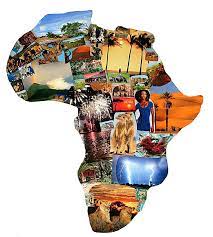
Preserving African Heritage Through Music: 15 Actionable Strategies
Updated at: 2025-03-01 13:05:34 (1 year ago by Melkisedeck Leon Shine)
Africa's vibrant tapestry of cultures, woven from centuries of traditions, languages, and customs, forms a rich heritage demanding preservation. This legacy, the foundation of our identity, must be safeguarded for generations to come. Music, a powerful force throughout African history, stands as a vital tool in this endeavor.
Music has always been integral to African life, serving as a vehicle for communication, storytelling, and communal celebration. Its melodies and rhythms echo our history, reflecting both struggles and triumphs. In the face of globalization and modernization, the preservation of this musical heritage is paramount to maintaining our cultural identity. By harnessing the power of music, we can ensure that the spirit of Africa endures.
Effective preservation requires a multifaceted approach. The following strategies offer a roadmap for safeguarding our invaluable cultural heritage:
Champion Traditional Music: Actively encourage the performance and practice of traditional African music within our communities. Let the sounds of instruments like the mbira, kora, and djembe fill our spaces, fostering a connection to our roots.
Document Oral Histories: Systematically record and transcribe oral traditions passed down through generations. These stories, proverbs, and folktales contain invaluable insights and wisdom from our ancestors.
Establish Cultural Centers: Create dedicated spaces for the teaching, learning, and celebration of African music, dance, and other art forms. These centers serve as hubs for cultural preservation and transmission.
Empower Indigenous Artists: Provide African musicians and artists with platforms, funding, and resources to promote and preserve our heritage through their creative work. Their talent is crucial to our cultural identity.
Forge Institutional Partnerships: Collaborate with universities, museums, and research institutions to conduct comprehensive studies and documentation of African music and cultural practices. Academic rigor strengthens our preservation efforts.
Invest in Education: Integrate African music and cultural heritage into school curricula at all levels. Instilling pride and appreciation in younger generations ensures the continued vitality of our traditions.
Leverage Technology: Utilize digital platforms and social media to share and promote African music and cultural heritage globally. Technology expands our reach and ensures wider appreciation.
Preserve Ritual Music: Recognize and protect the music associated with traditional African rituals. These sacred practices hold deep cultural significance and require careful documentation and preservation.
Cultivate Intergenerational Dialogue: Facilitate communication between older generations, repositories of traditional knowledge, and younger generations eager to learn and carry the torch forward.
Support Local Music Festivals: Actively participate in and support music festivals celebrating African traditions, such as the Essaouira Gnawa Festival or the Sauti za Busara Festival. These events showcase our cultural richness.
Engage with Traditional Instruments: Learn to play and appreciate traditional African musical instruments, fostering a deeper connection to our heritage through hands-on engagement.
Create Music Archives: Establish comprehensive archives containing recordings, sheet music, and historical artifacts related to African music. These resources are crucial for future generations of researchers and artists.
Promote Cultural Exchange: Encourage cross-cultural collaborations and exchanges between African nations. Sharing and learning from each other enriches and strengthens our collective heritage.
Support Ethnomusicological Research: Invest in research exploring the intricate connections between music, culture, and identity, illuminating the profound importance of African musical heritage.
Advocate for Pan-African Unity: Recognize the power of unity in preserving our shared heritage. A united Africa, celebrating its diverse cultures, is essential for the long-term preservation of our traditions.
The preservation of our cultural heritage is a collective responsibility. By embracing the power of music and diligently implementing these strategies, we can ensure that the rich melodies of our past resonate through future generations. Let us work together, united in our diversity, to inspire a global appreciation for the enduring rhythms of Africa.
Consider this: What specific actions can we take within our communities to further safeguard African cultural heritage? What steps will you personally commit to ensuring that the richness of our traditions continues to thrive?
Share this article and let's collectively ignite a movement to preserve the vibrant tapestry of African culture for eternity.
Updated at: 2025-05-08 08:36:43 (10 months ago by Melkisedeck Leon Shine)
The preservation of African cultural heritage is paramount, demanding a multifaceted approach grounded in established theoretical frameworks. This necessitates a comprehensive understanding of key concepts, including cultural preservation, defined as the active safeguarding of cultural traditions, artifacts, and knowledge for future generations; cultural sustainability, emphasizing the long-term viability and relevance of cultural practices; and community engagement, highlighting the vital role of local communities in the preservation process. This article outlines fifteen strategic initiatives, drawing upon relevant theories and models within the fields of cultural heritage management and community development, to ensure the enduring legacy of African culture.
1. Establishing Community Cultural Centers: Utilizing the principles of community-based participatory research (CBPR), establishing community centers serves as a critical hub for cultural activities. These spaces, functioning as nodes within a social network (Granovetter's Strength of Weak Ties), facilitate workshops, exhibitions, and performances, fostering intergenerational knowledge transfer and strengthening social cohesion. This aligns with the diffusion of innovation theory, wherein cultural practices are disseminated and adopted within a community.
2. Documentation of Oral Histories: The preservation of oral traditions, crucial for maintaining cultural memory, requires systematic documentation. Employing ethnographic methodologies, including in-depth interviews with elders, creates valuable archives. This approach aligns with the concept of cultural memory (Assmann), recognizing the collective remembrance of cultural narratives and their crucial role in shaping identity.
3. Celebration and Revitalization of African Festivals: Festivals represent dynamic expressions of cultural identity. Their organized celebration, informed by event management principles, promotes community participation and fosters cultural pride. This mirrors the application of ritual theory, acknowledging the social and symbolic significance of festivals in reinforcing cultural values and beliefs.
4. Promotion and Support of Traditional Arts and Crafts: The economic empowerment of artisans through the promotion of traditional arts and crafts is crucial. This approach, underpinned by principles of sustainable development, ensures the continuity of cultural practices while providing economic benefits. Applying concepts of creative industries, this strategy can stimulate local economies and contribute to national development.
5. Preservation of Sacred Sites: The protection of sacred sites, crucial to cultural identity, requires collaboration between communities, governments, and international organizations. This collaborative approach, reflecting principles of stakeholder engagement and participatory resource management, ensures the long-term protection of these invaluable cultural landscapes, drawing upon ecological anthropology to understand the relationship between culture and the environment.
6. Integration of African Heritage into Educational Curricula: Integrating African history, languages, and traditions into educational systems fosters cultural pride and knowledge transmission. Applying constructivist learning theories, this approach encourages active learning and critical engagement with cultural heritage, shaping the cultural identity of future generations.
7. Fostering Cultural Exchange: Facilitating cultural exchanges with other communities promotes understanding, respect, and mutual enrichment. This aligns with intercultural communication theories, emphasizing the importance of cross-cultural dialogue in bridging differences and fostering mutual appreciation.
8. Support of Traditional Music and Dance: Supporting traditional music and dance through funding, training, and performance opportunities safeguards these vital art forms. Applying principles of arts management and cultural policy, this initiative sustains cultural expression and provides opportunities for artistic growth and innovation.
9. Preservation and Promotion of Indigenous Languages: Active preservation and promotion of indigenous languages are crucial for maintaining cultural identity. Language revitalization programs, informed by linguistic theories, protect cultural knowledge embedded within these languages and contribute to linguistic diversity.
10. Development of Sustainable Cultural Tourism: Developing sustainable cultural tourism strategies fosters economic growth while preserving cultural heritage. Applying principles of sustainable tourism management, this approach ensures that tourism benefits local communities and minimizes environmental impact. This balances the preservation of heritage with the generation of economic opportunities.
11. Restoration and Preservation of Historical Monuments: The restoration and preservation of historical monuments requires specialized knowledge and expertise in conservation. Applying principles of architectural preservation and heritage management, these efforts preserve tangible evidence of African history and civilization.
12. Strategic Use of Technology in Cultural Preservation: Utilizing technologies such as digital archiving, virtual reality, and online platforms expands access to cultural heritage resources. This application of digital humanities principles enables broader dissemination and engagement with cultural materials, ensuring their accessibility to wider audiences.
13. Engaging the African Diaspora: Collaborating with the African diaspora strengthens cultural connections and facilitates knowledge sharing. This approach recognizes the transnational nature of cultural identity and utilizes the resources and expertise of the diaspora in preservation efforts.
14. Strengthening Pan-African Organizations: Strengthening Pan-African organizations fosters collaboration and collective action in cultural preservation efforts. This reflects the importance of institutional frameworks in supporting large-scale initiatives aimed at cultural preservation across nations.
15. Intergenerational Transmission of Cultural Knowledge: Mentorship programs and opportunities for youth involvement are vital for the intergenerational transmission of cultural knowledge. This approach utilizes principles of social learning and youth empowerment, ensuring the continuity of cultural practices for future generations.
The preservation of African cultural heritage requires a comprehensive and collaborative approach integrating community engagement, sustainable development principles, and innovative technologies. The strategies outlined above, grounded in relevant theoretical frameworks and practical applications, offer a robust pathway for safeguarding this invaluable legacy. Future research should focus on evaluating the effectiveness of these strategies, exploring the development of culturally sensitive evaluation methodologies, and investigating innovative technologies for cultural preservation. The ultimate goal is the creation of a sustainable model for cultural preservation that empowers local communities, strengthens cultural identity, and contributes to national and regional development. The success of these initiatives depends upon sustained political will, community participation, and international collaboration. The long-term impact will be the perpetuation of a vibrant and thriving African culture for generations to come, fostering a sense of unity and pride across the continent.
Updated at: 2025-06-19 08:34:00 (9 months ago by Melkisedeck Leon Shine)
This article examines strategies for preserving African cultural heritage, integrating relevant theories and models to ensure effective and sustainable implementation. Central concepts include cultural preservation (the active safeguarding of tangible and intangible cultural expressions, including traditions, practices, and artifacts), sustainable development (meeting present needs without compromising future generations' ability to meet theirs, encompassing economic, social, and environmental dimensions), and cultural tourism (tourism focused on experiencing and learning about a destination's culture, generating economic benefits while preserving heritage). We will analyze these concepts through the lens of several theoretical frameworks to offer a comprehensive approach to heritage management.
Preserving African cultural heritage is crucial for maintaining societal identity and fostering sustainable development. Applying the principles of diffusion of innovations, the adoption of sustainable building practices using traditional, locally sourced materials (mud, thatch, stone) can be accelerated. This honors ancestral knowledge while minimizing environmental impact, aligning with eco-tourism principles. This reduces reliance on unsustainable imports, promoting economic self-sufficiency based on the theory of comparative advantage, highlighting the economic viability of cultural preservation. This approach aligns with the triple bottom line framework, considering social, environmental, and economic sustainability.
Establishing cultural centers, guided by principles of community development, is vital. These serve as educational hubs, offering workshops and training, empowering local communities. Effective management requires understanding organizational behavior and leadership, ensuring long-term sustainability. Digital archiving of oral histories, applying digital humanities methods, preserves invaluable knowledge, aligning with the UNESCO Memory of the World Programme. This strengthens community identity and social cohesion, as supported by social capital theory, that is the networks of relationships among people who live and work in a particular society, enabling that society to function effectively.
Promoting local art and crafts through targeted marketing, informed by marketing management principles, creates sustainable livelihoods and promotes heritage. Integrating African history, traditions, and languages into education, grounded in cultural competency principles, fosters cultural identity and pride, aligning with human capital development theory. This fosters a sense of belonging and empowers future generations to be active participants in heritage preservation.
Preserving historical sites, utilizing heritage management principles, requires sustainable tourism practices. Stakeholder analysis ensures local community involvement. Cultural exchange programs, informed by international relations and cultural diplomacy theories, promote understanding and collaboration among African nations, strengthening cultural bonds and driving economic growth through tourism. These collaborations can facilitate knowledge sharing and best practice adoption in heritage preservation.
Utilizing digital preservation strategies allows for global dissemination of cultural heritage. Social media and online archives reach wider audiences, fostering intercultural dialogue and understanding. Engaging youth through interactive initiatives leverages their creativity and ensures the continuity of preservation efforts. This participatory approach aligns with social capital theory, highlighting the power of collective action in achieving common goals. This is further bolstered by network theory which outlines how interconnected groups can influence the preservation and spread of cultural knowledge.
Preserving African cultural heritage demands a multifaceted, integrated approach encompassing sustainable practices, community engagement, educational initiatives, and technological innovation. Recommendations include increased investment in cultural infrastructure, culturally sensitive tourism strategies, comprehensive digital archiving, and national cultural heritage management strategies informed by stakeholder theory. This approach is crucial for building a sustainable future recognizing the economic and social value of cultural heritage. Further research should conduct comparative studies across African nations to identify best practices and challenges, focusing on funding models and their impact on sustainable development. This research could employ qualitative and quantitative methods, such as case studies and statistical analysis, to provide a comprehensive understanding of the effectiveness of different preservation strategies. By effectively managing and preserving its cultural heritage, Africa can leverage its rich assets to foster economic growth, build stronger communities, and create a vibrant future.
Reader Pool: How can collaborative partnerships between governments, NGOs, and the private sector most effectively contribute to the long-term sustainability of African cultural heritage initiatives?
Updated at: 2025-06-11 10:05:35 (9 months ago by Melkisedeck Leon Shine)
African oral traditions represent a profound repository of cultural knowledge, historical narratives, and societal values, passed down through generations. Their preservation is not merely a cultural imperative but a crucial act of safeguarding collective memory and identity for posterity. This necessitates a holistic strategy integrating technological advancements, community engagement, and international cooperation. This article outlines key strategies grounded in relevant anthropological, sociological, and information science principles for effective preservation.
1. Technological Documentation and Digital Archiving: Employing digital technologies for recording and archiving oral traditions is paramount. High-resolution audio-visual recordings of oral performances, coupled with meticulous transcriptions and metadata tagging, ensure accessibility and longevity. This aligns with the principles of digital humanities and archival science, ensuring the creation of robust, searchable, and easily accessible digital archives. Utilizing cloud-based storage further enhances accessibility and resilience against data loss. The application of this strategy is evident in projects like the Smithsonian's National Museum of African American History and Culture’s digital archive initiatives.
2. Establishment of Community-Based Cultural Centers: The creation of dedicated physical spaces, functioning as community hubs, is essential. These centers serve as repositories of oral histories, artifacts, and educational resources, facilitating cultural exchange and intergenerational learning. This approach leverages the concept of community-based participatory research, empowering local communities to actively participate in the preservation process. Successful models can be found in community museums and cultural centers across Africa, showcasing localized approaches to heritage preservation.
3. Linguistic Revitalization and Language Documentation: The preservation of African languages is intrinsically linked to the survival of oral traditions. Active promotion and documentation of diverse linguistic expressions are crucial, utilizing methods such as language documentation projects and community-based language learning initiatives. This approach aligns with linguistic anthropology’s emphasis on the interconnectedness of language and culture. Existing initiatives focusing on endangered languages in Africa serve as viable case studies.
4. Integration into Formal Education Systems: Formal education holds a significant role in transmitting oral traditions to future generations. Integrating these traditions into national curricula fosters cultural pride, identity, and a deeper understanding of historical contexts. This strategy aligns with constructivist learning theories, emphasizing active learning and cultural relevance in educational design. Examples include incorporating oral narratives and traditional storytelling techniques into language arts and social studies curricula.
5. Intergenerational Knowledge Transfer: Facilitating meaningful dialogues and collaborative projects between elders and younger generations ensures the seamless transfer of knowledge, skills, and cultural practices. This approach is grounded in sociocultural learning theories, highlighting the importance of mentorship and apprenticeship in transmitting cultural heritage. This can be realized through storytelling workshops, mentorship programs, and intergenerational cultural events.
6. Strategic Partnerships with Academic Institutions: Collaborations with universities and research institutions bring rigorous scholarly approaches to documentation, analysis, and interpretation of oral traditions. This ensures the preservation of cultural authenticity and the development of robust scholarly resources. This aligns with collaborative research methodologies, combining academic expertise with community knowledge and insights. Such partnerships can facilitate research projects focused on specific oral traditions, producing scholarly publications and accessible educational materials.
7. Leveraging Digital Media for Dissemination: Social media platforms and digital storytelling initiatives offer effective tools for broadening the reach of African oral traditions globally. This approach utilizes principles of digital ethnography and online community building to increase awareness and understanding of cultural heritage. Examples include creating engaging online content, using platforms like YouTube and podcasts to share stories and establishing online communities for dialogue and knowledge sharing.
8. Development of Comprehensive Oral History Archives: Establishing dedicated, accessible archives for oral history materials, adhering to best practices in archival management, is fundamental. These archives should be designed for researchers, educators, and the broader public, ensuring easy retrieval and preservation. This strategy is guided by archival science principles, which prioritize preservation, accessibility, and metadata creation for efficient retrieval. The archives should also incorporate digitization strategies for wider dissemination.
9. Pan-African Collaboration and Knowledge Exchange: Facilitating collaboration and knowledge sharing across African nations fosters a collective approach to preserving shared cultural heritage. This aligns with principles of collaborative cultural heritage management and international cooperation. This collaboration can involve joint research projects, resource sharing, and the creation of regional networks for the preservation of oral traditions.
10. Recovery and Documentation of Endangered Traditions: Proactive efforts to identify and document endangered or forgotten oral traditions are crucial for a comprehensive understanding of Africa’s cultural diversity. This requires community engagement, participatory research methods, and collaborative efforts with local communities. Ethnographic research methodologies are crucial in this process, with an emphasis on ethical research practices and informed consent from community members.
11. Protection of Sacred Sites and Cultural Landscapes: Preservation of physical locations associated with oral traditions holds great significance. This involves implementing conservation strategies and working with local communities to protect these sites. This strategy aligns with cultural landscape management principles, encompassing the protection of both tangible and intangible heritage elements. This could include developing sustainable tourism initiatives that respect the cultural significance of the sites.
12. Community-Based Participatory Research: The involvement of local communities is fundamental throughout the preservation process. Participatory research methodologies empower communities to actively shape and participate in the documentation and dissemination of their own oral traditions. This strengthens community ownership and ensures that the process is culturally sensitive and respectful.
13. Ethical Considerations and Intellectual Property Rights: Addressing intellectual property rights and ensuring the ethical use of oral traditions are crucial. Respect for cultural sensitivities, community ownership, and informed consent are paramount in all stages of the preservation process. This adheres to ethical guidelines for cultural heritage research, safeguarding the rights and interests of communities.
14. Sustainable Funding Mechanisms: Securing sustainable funding models is critical for long-term preservation efforts. This involves exploring diverse funding sources, including government grants, private donations, and international collaborations. This also involves developing transparent and accountable financial management practices.
15. Advocacy and Raising Awareness: Raising global awareness about the importance of preserving African oral traditions is crucial. This involves advocacy efforts, public awareness campaigns, and collaboration with international organizations to highlight the significance of this cultural heritage.
Conclusions and Recommendations: The preservation of African oral traditions requires a comprehensive, multifaceted approach, integrating technological innovation, community engagement, and international cooperation. The strategies outlined above, informed by relevant theories and models from anthropology, sociology, and information science, provide a framework for effective action. Recommendations include strengthening inter-institutional partnerships, investing in community-based initiatives, promoting digital literacy and access, and advocating for policy changes to support the preservation of linguistic and cultural diversity. Further research could focus on developing culturally appropriate methodologies for digital archiving, assessing the effectiveness of various preservation strategies, and exploring innovative funding models to ensure the long-term sustainability of these efforts. The successful implementation of these strategies will significantly contribute to the preservation of a vital aspect of global cultural heritage, ensuring the continuity of African stories for generations to come.
Reader Pool: What further innovative approaches can be implemented to ensure the long-term sustainability and accessibility of African oral tradition archives, considering the rapid evolution of technology and societal changes?
Updated at: 2025-04-12 08:14:32 (11 months ago by Melkisedeck Leon Shine)
Africa's rich tapestry of art and craft traditions forms the bedrock of its vibrant cultural heritage. From the intricate wood carvings of Nigeria to the dazzling beadwork of Kenya, these age-old practices are more than just creative expressions; they are living repositories of history, values, and African identity. Preserving this invaluable legacy for future generations demands a proactive, multifaceted strategy encompassing education, meticulous documentation, sustainable economic empowerment, and robust international collaboration.
Investing in the Future: Education and Skills Development
Integrating cultural education into formal schooling is paramount. By cultivating an appreciation for traditional arts and crafts from a young age, we empower the next generation to actively participate in preserving these vital traditions. This education must extend beyond theoretical knowledge; practical experience through hands-on workshops, apprenticeships, and mentorship programs are equally crucial to ensure the continuation of these time-honored skills. This approach fosters a deeper understanding and appreciation for the artistry involved, ensuring its continued relevance in a constantly evolving world.
Documenting and Researching Africa's Artistic Treasures
Comprehensive documentation and rigorous research are essential for safeguarding this irreplaceable heritage. This involves meticulously cataloging diverse art forms, techniques, and materials, creating a detailed record of the rich history and cultural significance embedded within each piece. This invaluable knowledge, preserved in museums, galleries, and accessible digital archives, will serve as a resource for researchers, artisans, and the public alike, deepening understanding and promoting appreciation for the artistry involved. Crucially, this process must prioritize protecting traditional knowledge from cultural appropriation and ensure proper attribution to originating communities.
Bridging the Generational Divide: Mentorship and Apprenticeship Programs
The transmission of skills and knowledge across generations is critical for the survival of traditional crafts. Establishing robust apprenticeship and mentorship programs enables seasoned artisans to directly impart their expertise to younger generations. This hands-on learning fosters continuity, ensuring the survival of traditional practices while simultaneously creating space for innovation and adaptation within the framework of established traditions. This intergenerational exchange ensures the enduring legacy of these invaluable skills.
Economic Sustainability: Empowering Artisans Through Fair Trade and Entrepreneurship
Recognizing and promoting the economic value of African art and craft is crucial for the long-term viability of these practices. Fair trade practices, comprehensive entrepreneurship training, and access to wider markets are essential for creating sustainable livelihoods for artisans, empowering them to thrive while preserving their cultural heritage. This requires advocating for supportive policies that protect local artisans from exploitation and ensure fair compensation for their work, fostering economic independence and self-sufficiency.
Governmental and Institutional Support: A Foundation for Preservation
Governments and cultural institutions play a pivotal role in supporting these preservation efforts. This involves substantial financial investment, robust intellectual property rights protection, and targeted international promotion of African cultural heritage. This includes investing in essential infrastructure, providing access to crucial resources, and enacting policies that actively encourage the growth and sustainability of the artisan sector. Strategic partnerships between governmental bodies and private organizations will amplify these efforts, ensuring the long-term sustainability of preservation initiatives.
Tourism and Community Engagement: Shared Ownership and Sustainable Growth
Responsible and sustainable cultural tourism offers a significant opportunity to generate economic benefits for local communities while simultaneously raising global awareness about the importance of preserving their cultural heritage. Meaningful community engagement in all aspects of tourism development fosters a sense of ownership and pride, ensuring long-term commitment and participation. This collaborative approach maximizes the benefits for local communities while guaranteeing the integrity of cultural practices.
Technology and Innovation: Adapting Tradition to the Modern World
Strategic adoption of technology can modernize aspects of traditional crafts, enhancing their accessibility and appeal to younger generations without compromising their authenticity. This might involve leveraging digital platforms for marketing, design, or production, while meticulously maintaining respect for traditional techniques and craftsmanship. This judicious use of technology ensures the continued relevance of these traditions in the contemporary world.
Fostering Dialogue and Collaboration: A Global Partnership for Preservation
Open communication between generations is crucial for fostering a deeper appreciation for cultural heritage. This exchange of ideas and techniques ensures the continuous evolution and adaptation of these traditions within a modern context. Furthermore, international collaborations offer unparalleled opportunities for knowledge sharing, funding, and increased global visibility, strengthening collective preservation efforts. These collaborative partnerships build capacity, expand reach, and amplify the impact of preservation initiatives.
Leveraging Digital Platforms and Cultural Events: Expanding Global Reach
Harnessing the power of social media and digital platforms to connect artisans with global audiences is essential for increasing visibility and generating interest in African craftsmanship. Organizing high-profile cultural festivals and exhibitions provides valuable platforms to showcase artistry, educate the public about the importance of preserving these invaluable traditions, and foster cross-cultural understanding. This synergistic approach combines the power of digital outreach with tangible, in-person engagement.
Strengthening Pan-African Institutions: A Collective Vision for the Future
Supporting regional organizations like the African Union facilitates collaborative efforts towards preserving and promoting the continent's shared cultural heritage. This unified approach creates a stronger voice on the global stage, significantly enhancing the impact of preservation efforts. A united Africa, proud of its rich and diverse cultural heritage, is a prosperous Africa. The preservation of African art and craft is not merely about safeguarding artifacts; it is about safeguarding the soul of a nation, the very essence of African identity.
In the words of Nelson Mandela, "Culture is the soul of a nation." Let us embrace this profound truth, actively participating in the preservation of our artistic legacy and empowering future generations to build a united and culturally vibrant Africa. Let us be the dedicated custodians of this rich heritage, promoting unity, creativity, and unwavering cultural pride across the continent. Join the movement to preserve African culture; the future of our artistic heritage depends on our collective action and unwavering commitment.
Updated at: 2023-08-11 21:53:34 (2 years ago by Melkisedeck Leon Shine)
The Written Legacy: African Literature and the Preservation of Identity 📚🌍
As Africans, it is crucial that we preserve our rich culture and heritage. Our identity is deeply rooted in the traditions, languages, and stories that have been passed down through generations. One powerful tool we have in this preservation is African literature, which allows us to not only celebrate our past but also shape our future. In this article, I will share with you strategies that can help us preserve our African culture and heritage, and promote unity among us. Let's dive in! 💪🏾
1️⃣ Embrace our oral traditions: We have a long history of oral storytelling, and it is important to continue passing down our stories through generations. These stories hold valuable lessons, traditions, and cultural norms that define us as Africans.
2️⃣ Encourage writing in local languages: By encouraging and supporting the use of local languages in literature, we can preserve the linguistic diversity that makes Africa unique. This ensures that our cultural nuances are not lost in translation and strengthens our identity.
3️⃣ Document our history: We must document our history, both ancient and contemporary, through written literature. This includes chronicling the struggles, triumphs, and contributions of our ancestors and leaders.
4️⃣ Promote African authors: By supporting African authors, we ensure that our stories are told from our perspective. This empowers us to control the narrative and combat the stereotypes and misrepresentation often found in Western literature.
5️⃣ Create platforms for African writers: We need to establish and support platforms that promote African literature, such as literary festivals, book clubs, and publishing houses. These platforms provide opportunities for African authors to showcase their work and for readers to engage with our stories.
6️⃣ Integrate African literature into education: By incorporating African literature into school curriculums, we can ensure that our youth have access to our rich literary heritage. This cultivates an appreciation for our culture and helps shape their African identity.
7️⃣ Preserve indigenous knowledge: African literature can be a powerful tool for preserving indigenous knowledge systems. By documenting traditional healing practices, agricultural techniques, and other forms of indigenous knowledge, we can ensure their survival for future generations.
8️⃣ Engage with diaspora literature: African literature is not confined to the borders of the continent. We must engage with literature produced by the African diaspora, as it offers insights into the experiences and struggles faced by Africans around the world.
9️⃣ Collaborate across borders: African literature can be a catalyst for promoting unity among African nations. By collaborating with authors from different African countries, we can showcase the diversity within our continent and foster a sense of pan-African identity.
🔟 Foster a culture of reading: Encourage reading among our communities by establishing community libraries, organizing reading clubs, and promoting literacy programs. Reading expands our knowledge, broadens our perspectives, and strengthens our connection to our heritage.
1️⃣1️⃣ Embrace technological advancements: In the digital age, we must utilize technology to preserve our culture and heritage. Digitize written works, create online platforms for African literature, and leverage social media to share our stories with the world.
1️⃣2️⃣ Learn from other cultures: While preserving our own culture is vital, we can also learn from the preservation strategies of other cultures around the world. By studying their successes, we can adapt and implement techniques that suit our African context.
1️⃣3️⃣ Support cultural initiatives: Attend and support cultural events and initiatives that celebrate African literature and heritage. This includes book fairs, poetry slams, and storytelling festivals. By actively participating, we contribute to the preservation of our culture.
1️⃣4️⃣ Preserve physical artifacts: Literature is not the only form of preserving our culture. We must also preserve physical artifacts, such as artworks, sculptures, and historical landmarks. These physical reminders serve as a tangible connection to our past.
1️⃣5️⃣ Inspire the next generation: As Africans, we have the responsibility to inspire and educate the next generation about the importance of preserving our culture and heritage. By sharing our knowledge and experiences, we empower them to carry the torch and continue this important work.
In conclusion, the preservation of African culture and heritage is a collective effort that requires the active participation of individuals, communities, and governments across the continent. By utilizing the power of African literature, embracing our oral traditions, and supporting initiatives that celebrate our identity, we can ensure that our heritage remains alive and thriving. Let us unite as Africans and work towards a future where our cultural diversity is celebrated and our identity is preserved. Together, we can build "The United States of Africa" (Muungano wa Mataifa ya Afrika)! 🌍💪🏾
What strategies are you already implementing to preserve African culture and heritage? Share your thoughts and experiences in the comments below and inspire others to do the same. Don't forget to share this article with your fellow Africans to spread the message of unity and cultural preservation. #PreserveAfrica #AfricanHeritage #UnitedAfrica #ProudlyAfrican
Updated at: 2025-05-24 11:04:17 (10 months ago by Melkisedeck Leon Shine)
African culinary traditions represent a dynamic and multifaceted cultural heritage, embodying centuries of ingenuity, adaptation, and social exchange. These culinary practices are not simply methods of sustenance; they are integral components of cultural identity, transmitting knowledge, values, and historical narratives across generations. Their preservation is therefore critical, necessitating a strategic and multifaceted approach grounded in established preservation models and frameworks. This article outlines key strategies for the long-term safeguarding of this invaluable aspect of African heritage, focusing on a framework encompassing education, documentation, revitalization, collaboration, and engagement.
1. Documentation and Knowledge Transfer: Ethnographic Methods and Archival Practices. A foundational step involves systematic documentation of traditional culinary practices, employing ethnographic methods to capture the nuanced cultural knowledge embedded within recipes and techniques. This encompasses both textual documentation— compiling recipes, historical accounts, and associated narratives—and visual documentation—preserving images, videos, and audio recordings of culinary processes. This process should actively involve community elders and family members as primary knowledge holders, utilizing participatory action research methods to ensure authenticity and cultural sensitivity. The creation of digital archives and accessible databases ensures broad dissemination and long-term preservation of this information. Applying the principles of cultural resource management, these digital repositories become essential tools for researchers, educators, and future generations.
2. Revitalizing Culinary Traditions: Sustainable Food Systems and Culinary Tourism. Many traditional ingredients and techniques have declined in usage due to globalization and modernization. A crucial element of preservation involves a strategic revitalization process. This requires focusing on the development of sustainable food systems, supporting local producers of indigenous ingredients, and fostering their reintegration into contemporary culinary practices. This approach necessitates an understanding of food systems ecology and supply chain management to ensure the long-term viability of traditional food production. Furthermore, the concept of culinary tourism can be leveraged to promote cultural exchange, generate economic opportunities for local communities, and create a wider market for traditional dishes. This strategic application of tourism principles enhances both cultural preservation and socio-economic development.
3. Empowering Youth Engagement: Educational Initiatives and Community-Based Programs. The long-term success of heritage preservation hinges on the active engagement of younger generations. Implementing educational programs within schools and communities that integrate culinary heritage studies into curriculum is essential. This can take the form of hands-on cooking workshops, apprenticeships with master chefs, and mentorship programs that connect young people with older generations. Applying the principles of transformative learning, these initiatives empower youth to become active custodians of their culinary heritage. Participation in cultural festivals and competitions also provides a valuable platform for showcasing culinary skills and fostering pride in traditional foodways.
4. Fostering Collaboration and Networks: Cross-Cultural Exchange and Institutional Partnerships. Effective preservation requires a collaborative and networked approach. This includes fostering collaborations between African nations to facilitate the exchange of knowledge, recipes, and ingredients. Institutional partnerships—with universities, research centers, museums, and NGOs—are vital in providing resources, expertise, and support for preservation efforts. Applying the principles of collaborative network theory, these partnerships enable the sharing of best practices, resource mobilization, and capacity building. Establishing a robust network enhances the overall effectiveness and sustainability of preservation initiatives.
5. Promoting Cultural Awareness: Public Engagement Strategies and Policy Advocacy. Raising public awareness about the importance of culinary heritage is crucial. This can be achieved through various public engagement strategies, including social media campaigns, documentaries, cookbooks, and public lectures. Furthermore, advocating for policy changes that support the preservation of traditional food systems, protect intellectual property rights related to culinary traditions, and promote culinary heritage tourism is essential. Applying communication and advocacy strategies will elevate public understanding of the significance of culinary heritage and incentivize its protection.
Conclusions and Recommendations: The preservation of African culinary heritage demands a holistic and multifaceted approach that integrates ethnographic documentation, sustainable food systems development, youth engagement programs, collaborative networks, and targeted public awareness initiatives. Success hinges on a strategic application of various theoretical models and practical frameworks drawn from fields like anthropology, sustainable development, cultural resource management, and tourism. Further research is recommended to explore the impact of globalization on traditional foodways, to develop culturally appropriate strategies for digital archiving, and to investigate the economic benefits of culinary tourism. The long-term goal is to foster a dynamic system that ensures the sustainability of traditional food systems while simultaneously empowering local communities and promoting cultural pride. This collaborative effort will secure the enduring legacy of African culinary traditions for future generations.
Reader Pool: Considering the multifaceted nature of cultural preservation outlined in this article, what additional strategies or approaches could be implemented to more effectively safeguard African culinary heritage in the face of ongoing globalization and social change?
Updated at: 2023-08-11 20:32:49 (2 years ago by Melkisedeck Leon Shine)
Cultural Memory: African Literature's Role in Heritage Preservation
Africa, the cradle of civilization, is a continent rich in history, culture, and heritage. Our ancestors have left behind a legacy that deserves to be preserved and celebrated. In this article, I want to emphasize the strategies of preservation of African culture and heritage, with a particular focus on the role of African literature in this noble endeavor.
1️⃣ African literature as a tool for preserving cultural memory: African literature plays a vital role in preserving our cultural memory. Through novels, short stories, poems, and plays, African writers have immortalized our traditions, customs, and values.
2️⃣ Oral tradition: One of the unique aspects of African literature is its foundation in oral tradition. Our ancestors passed down stories from generation to generation, ensuring the preservation of our rich heritage. Today, African writers continue to draw inspiration from oral tradition, using it as a powerful tool for cultural preservation.
3️⃣ Promotion of African languages: African literature promotes the use and preservation of African languages. By writing in our native languages, African writers contribute to the preservation and promotion of linguistic diversity, a crucial aspect of our cultural heritage.
4️⃣ Documentation of history: African literature serves as a powerful means of documenting our history. Historical novels such as "Things Fall Apart" by Chinua Achebe and "Half of a Yellow Sun" by Chimamanda Ngozi Adichie provide valuable insights into the struggles and triumphs of our ancestors, ensuring that their stories are not forgotten.
5️⃣ Representation and identity: African literature plays a crucial role in representing our diverse cultures and identities. By sharing stories that reflect the experiences of different African communities, writers contribute to the preservation and celebration of our cultural heritage.
6️⃣ Inspiration for future generations: African literature inspires and educates future generations about their roots. Through novels like "Nervous Conditions" by Tsitsi Dangarembga and "The Joys of Motherhood" by Buchi Emecheta, young Africans can connect with their heritage and gain a sense of pride in their cultural identity.
7️⃣ Preservation of indigenous knowledge: African literature acts as a repository of indigenous knowledge. It captures traditional practices, rituals, and wisdom, ensuring that they are not lost in the face of modernization and globalization.
8️⃣ Reclaiming African narratives: African literature allows us to reclaim our narratives from the dominant Western perspectives. By telling our own stories, we challenge stereotypes, misconceptions, and colonial narratives, promoting a more accurate and authentic representation of our cultures.
9️⃣ Pan-Africanism: African literature fosters a sense of Pan-Africanism, promoting unity and solidarity among African nations. Writers like Ngũgĩ wa Thiong'o and Wole Soyinka have used their works to advocate for the united progress of Africa, paving the way for initiatives like the African Union and the vision of "The United States of Africa" (Muungano wa Mataifa ya Afrika).
🔟 Preservation of intangible heritage: African literature helps preserve intangible aspects of our culture, such as music, dance, and folklore. Works like "In the Footsteps of Mr. Kurtz" by Michela Wrong explore the influence of music on our cultural heritage, while novels like "Purple Hibiscus" by Chimamanda Ngozi Adichie highlight the significance of traditional rituals and customs.
1️⃣1️⃣ Transnational connections: African literature creates connections between African nations and the global literary community. By sharing our stories with the world, we build bridges and foster understanding, promoting a positive image of Africa and its diverse cultures.
1️⃣2️⃣ Cultural tourism: African literature contributes to cultural tourism by attracting readers and visitors who are interested in exploring our rich heritage. Books like "A Grain of Wheat" by Ngũgĩ wa Thiong'o have led to an increased interest in visiting Kenya, stimulating economic growth and promoting cultural exchange.
1️⃣3️⃣ Educational value: African literature has significant educational value. By incorporating African literary works into school curricula, we can ensure that future generations are exposed to our cultural heritage from an early age, fostering a sense of belonging and pride.
1️⃣4️⃣ Collaboration and exchange: African literature encourages collaboration and exchange between writers from different African countries. Initiatives like literary festivals and workshops provide platforms for African writers to come together, exchange ideas, and collectively contribute to the preservation of our cultural heritage.
1️⃣5️⃣ Empowerment and self-expression: African literature empowers individuals to express themselves and tell their own stories. By encouraging aspiring writers to share their experiences, we create a space for diverse voices to be heard, enriching our cultural memory and heritage.
In conclusion, African literature plays a crucial role in the preservation of our cultural memory and heritage. Through its various forms and genres, it captures our traditions, languages, histories, and identities, ensuring they are passed down to future generations. I invite and encourage all readers to explore African literature, develop their skills in creative writing, and contribute to the preservation and celebration of our African culture and heritage.
What are some African literary works that have inspired you? How do you think African literature can further contribute to the preservation of our cultural heritage? Share your thoughts and let's continue the conversation! #PreserveAfricanCulture #UnitedAfrica #AfricanHeritage #AfricanLiterature #ShareThisArticle
Updated at: 2023-08-11 21:23:49 (2 years ago by Melkisedeck Leon Shine)
Title: Sacred Sites and Spaces: Conserving African Cultural Landmarks
Introduction: Greetings, fellow Africans! Today, we embark on a journey of preserving our rich cultural heritage and ancient landmarks. Our continent boasts a tapestry of traditions, beliefs, and history that deserve to be protected for generations to come. As proud Africans, it is our responsibility to safeguard these sacred sites and spaces, ensuring they remain a testament to our identity and the strength of our unity.
🌍 Acknowledge the significance: Recognize the importance of preserving African cultural landmarks as a way to honor our ancestors, educate future generations, and reinforce our unique African identity.
🔎 Identify at-risk sites: Conduct comprehensive surveys to pinpoint cultural sites and spaces that are under threat due to neglect, urbanization, or political instability.
💡 Develop preservation plans: Create strategic plans that outline specific actions required to safeguard these sites, including restoration, maintenance, and establishing protective legal frameworks.
🌿 Engage local communities: Encourage active participation from local communities to instill a sense of ownership and pride in preserving their cultural heritage.
🏛️ Promote responsible tourism: Implement sustainable tourism practices that respect the integrity of cultural landmarks, while also supporting local economies and creating opportunities for community development.
📚 Educate the youth: Integrate cultural heritage into educational curricula to ensure that our young people develop a deep appreciation and understanding of their heritage.
🤝 Foster international collaborations: Seek partnerships with international organizations and institutions to access expertise, funding, and resources for preservation efforts.
🛡️ Safeguard intangible heritage: Preserve not just physical sites, but also traditions, languages, and oral histories that are integral parts of African culture.
🏞️ Protect natural heritage: Recognize that our cultural heritage is often intertwined with natural landscapes, such as sacred forests and mountains, and take steps to preserve these ecosystems.
🌍 Learn from global best practices: Study successful preservation models from other parts of the world and adapt them to our unique African context.
📜 Draw inspiration from African leaders: Take guidance from visionary African leaders who emphasized the importance of preserving our cultural heritage, such as Kwame Nkrumah, Nelson Mandela, and Wangari Maathai.
🗺️ Embrace Pan-Africanism: Emphasize the unity of the African continent and the power of collective action in preserving our cultural landmarks. Let us envision a future where "The United States of Africa" (Muungano wa Mataifa ya Afrika) can be achieved.
💪 Empower local artisans: Support and promote local artisans, craftsmen, and cultural practitioners who play a vital role in preserving and passing down traditional skills and knowledge.
👥 Share success stories: Highlight successful preservation projects in countries like Egypt (Giza Pyramids), Ethiopia (Lalibela), and Mali (Timbuktu), showcasing the positive impact such initiatives can have on local communities and tourism.
📚 Develop skills and take action: Encourage every reader to develop skills, whether in the field of heritage management, tourism, or community engagement, and actively participate in the preservation of our African culture and heritage.
Conclusion: Dear fellow Africans, the preservation of our sacred sites and spaces is not just an aspiration, but an achievable reality. Let us unite, drawing inspiration from our shared history and diverse cultures, as we work towards the formation of "The United States of Africa" (Muungano wa Mataifa ya Afrika). Together, we can safeguard our cultural heritage for future generations, celebrating our roots and building a brighter future. Share this article and let us ignite the flame of African unity! 🌍✨
Updated at: 2023-08-11 20:33:50 (2 years ago by Melkisedeck Leon Shine)
Commemorating History: Preserving African Liberation and Independence Struggles
As Africans, it is crucial for us to commemorate and preserve our rich history of liberation and independence struggles. Our past is a testament to the resilience, bravery, and determination of our ancestors who fought for freedom and justice. It is through preserving our culture and heritage that we can honor their sacrifices and ensure that their stories are passed down to future generations. In this article, we will explore strategies for preserving African culture and heritage, promoting African unity, and ultimately working towards the formation of the United States of Africa or Muungano wa Mataifa ya Afrika.
1️⃣ Education: Education plays a vital role in preserving our history. It is essential to educate our children about the struggles and achievements of our ancestors. Incorporate African history into school curricula to ensure that our youth are aware of their heritage and understand the significance of the liberation movements.
2️⃣ Museums and Memorials: Establishing museums and memorials dedicated to African liberation and independence struggles can serve as important reminders of our history. These spaces can showcase artifacts, documents, and photographs that tell the stories of our heroes and heroines.
3️⃣ Oral Tradition: The oral tradition has long been a valuable tool for preserving African history. Encourage storytelling within our communities, where elders can pass down their knowledge and experiences to younger generations. Document these stories through audio or video recordings to ensure their preservation.
4️⃣ Cultural Festivals: Organize cultural festivals that celebrate and showcase the diversity of African cultures. These events provide a platform for artists, musicians, and performers to express their heritage, while also educating attendees about the history and struggles that shaped our identity.
5️⃣ Historical Sites: Protect and preserve historical sites that played a significant role in our liberation movements. These sites hold immense cultural and historical value and should be maintained for future generations to visit and learn from.
6️⃣ Digital Archives: Create digital archives that compile important documents, photographs, and audiovisual materials related to African liberation struggles. This will ensure that these resources are accessible to a wider audience and can be preserved for years to come.
7️⃣ Collaborative Research: Encourage research on African history and liberation struggles by supporting collaborations between scholars, researchers, and institutions. This will contribute to the academic understanding and preservation of our culture and heritage.
8️⃣ Art and Literature: Support and promote African artists and writers who use their creativity to express our history and struggles. Art forms such as paintings, sculptures, and literature can serve as powerful tools for preserving and sharing our stories.
9️⃣ Cultural Exchange Programs: Foster cultural exchange programs between different African countries to promote unity and understanding. These programs provide opportunities for people to learn about each other's cultures, traditions, and histories, strengthening the bonds between nations.
🔟 Tourism: Develop sustainable tourism initiatives that highlight the cultural and historical significance of African liberation sites. This will not only generate economic opportunities but also raise awareness among visitors about our history.
1️⃣1️⃣ Youth Involvement: Engage young people in preservation efforts by creating youth-led initiatives that focus on African culture and heritage. Empower them to take ownership of their history and become advocates for preservation.
1️⃣2️⃣ Inter-generational Dialogue: Facilitate dialogue between different generations to bridge the gap in knowledge and understanding. Encourage open conversations about our history, allowing older generations to share their experiences and younger generations to ask questions and learn.
1️⃣3️⃣ International Cooperation: Seek partnerships and collaborations with international organizations and institutions that are dedicated to preserving cultural heritage. By working together, we can leverage resources and expertise to strengthen our preservation efforts.
1️⃣4️⃣ Digital Storytelling: Utilize digital platforms and social media to share stories, experiences, and knowledge about African liberation struggles. Encourage individuals to use their voices and share their own narratives, creating a collective memory of our history.
1️⃣5️⃣ Empowerment through Knowledge: Finally, it is essential for each individual to take ownership of their own learning and development. Seek out resources, books, documentaries, and online courses that delve into African history and liberation struggles. By developing a deep understanding of our past, we can actively contribute to the preservation of our culture and heritage.
In conclusion, preserving African culture and heritage is not only a responsibility but also an opportunity for us to celebrate and embrace our identity. By implementing strategies such as education, museums, oral tradition, and cultural festivals, we can ensure that our history remains alive and relevant. Let us come together as proud Africans, promoting unity, and working towards the formation of the United States of Africa or Muungano wa Mataifa ya Afrika. Together, we can build a future that honors our past and empowers generations to come.
Will you join us in preserving and celebrating our African culture and heritage? Share this article and let's inspire others with the #ProudlyAfrican #PreserveOurHeritage #UnitedAfrica hashtags. Together, we can make a difference!