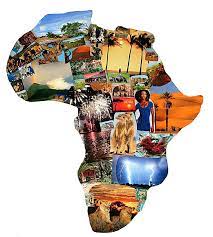
The United States of Africa and Technological Advancement: A Digital Revolution
Updated at: 2023-08-07 08:18:00 (2 years ago by Melkisedeck Leon Shine)
The United States of Africa and Technological Advancement: A Digital Revolution ๐๐ฑ
As an African, I am filled with immense pride for the rich history and cultural heritage of our continent. Africa, with its diverse nations and people, has the potential to become a powerhouse in the global arena. To harness this potential, it is crucial for us Africans to unite and create a single sovereignty body that will be called "The United States of Africa." ๐๐ค
In order to achieve this goal, we must strategize and implement effective strategies that promote African unity and solidarity. Here are 15 detailed points on how we can make this dream a reality:
1๏ธโฃ Promote Pan-Africanism: We must embrace the ideology of Pan-Africanism, which advocates for the political and social unity of Africa. This ideology was championed by great leaders such as Kwame Nkrumah and Julius Nyerere.
2๏ธโฃ Economic Integration: Encourage economic liberalization and regional economic integration. Learn from successful examples like the European Union and ASEAN.
3๏ธโฃ Political Integration: Foster political liberalization and encourage the formation of a continental government that represents the interests of all African nations.
4๏ธโฃ Strengthen African Union: Enhance the role and effectiveness of the African Union as a platform for cooperation and integration.
5๏ธโฃ Education and Awareness: Promote education and raise awareness among African citizens about the benefits of unity and the formation of the United States of Africa.
6๏ธโฃ Cultural Exchange Programs: Develop cultural exchange programs that celebrate the diversity of our continent and foster a sense of solidarity among African nations.
7๏ธโฃ Infrastructure Development: Invest in infrastructure development to facilitate trade and connectivity across the continent.
8๏ธโฃ Technological Advancement: Embrace technological advancements and leverage them to drive economic growth and development in Africa.
9๏ธโฃ Youth Empowerment: Empower the youth with the necessary skills and opportunities to become active contributors to the formation of the United States of Africa.
๐ Peace and Stability: Promote peace and stability across the continent, as unity can only be achieved in an environment of peace and security.
1๏ธโฃ1๏ธโฃ African-led Solutions: Encourage African-led solutions to the challenges facing the continent, as we are best suited to address our own issues.
1๏ธโฃ2๏ธโฃ Gender Equality: Promote gender equality and ensure the full participation of women in all aspects of society and decision-making processes.
1๏ธโฃ3๏ธโฃ Resource Management: Develop sustainable practices for resource management to ensure equitable distribution and utilization of Africa's wealth.
1๏ธโฃ4๏ธโฃ Strong Institutions: Build strong and accountable institutions that can uphold the rule of law and protect the rights of African citizens.
1๏ธโฃ5๏ธโฃ Youth-led Movements: Support and amplify the voices of youth-led movements that advocate for African unity and the formation of the United States of Africa.
"Unity is strength; division is weakness." - Haile Selassie, former Emperor of Ethiopia ๐ฆ
With these strategies in place, we can work towards the formation of the United States of Africa, where Africans can come together as one and harness our collective potential for the benefit of all. Let us encourage each other, develop our skills, and work towards this common goal. Together, we can create a brighter future for Africa. ๐โจ
I invite you, my fellow Africans, to join me in developing our knowledge and skills on these strategies. Let's educate ourselves, engage in meaningful discussions, and take action to pave the way for the United States of Africa. Share this article with your friends and family and let's inspire others to join us on this journey. ๐๐ค
What steps do you think are crucial in promoting African unity and the formation of the United States of Africa? How can we overcome the challenges that lie ahead? Let's continue this conversation and work together towards a united and prosperous Africa. ๐๐ช
Updated at: 2025-05-18 13:45:04 (1 year ago by Melkisedeck Leon Shine)
Introduction: This article explores the multifaceted strategies for fostering pan-African integration, ultimately aiming towards a more unified and prosperous continent. Key concepts underpinning this analysis include regional integration theory, focusing on the process of states pooling sovereignty to achieve shared objectives; the human capital theory, emphasizing the role of education and skills development in economic growth; and the constructivist approach to international relations, highlighting the importance of shared norms and identities in shaping cooperation. We will examine how the application of these concepts can facilitate the advancement towards a more integrated African Union.
1. Establishing a Shared Vision and Collective Identity: The foundational step towards pan-African integration lies in establishing a widely accepted vision for a unified continent. This requires fostering a strong sense of collective identity, transcending national boundaries and emphasizing shared African values, history, and aspirations. This aligns with the constructivist perspective, which argues that shared norms and identities are crucial for promoting cooperation. The establishment of a clear, widely accepted roadmap, perhaps through inclusive pan-African dialogues, can serve as a unifying force.
2. Fostering Economic Integration: Deepening economic integration is critical. The establishment of a robust African Continental Free Trade Area (AfCFTA) represents a significant step, but requires further development to reduce non-tariff barriers, improve infrastructure, and enhance regional value chains. This aligns with the principles of neo-functionalism, which suggests that initial cooperation in specific sectors can spill over into other areas, leading to greater integration. The effective implementation of the AfCFTA will stimulate economic growth and foster interdependence, thereby strengthening the case for political union.
3. Strengthening Political Cooperation and Governance: Effective political cooperation requires strengthening the institutional capacity of the African Union (AU). This includes enhancing the AU's ability to mediate conflicts, promote good governance, uphold the rule of law, and ensure democratic transitions of power. A robust and respected AU can provide the necessary framework for resolving disputes and coordinating policies across member states, reducing the likelihood of conflict and promoting stability, which are crucial for sustainable economic development. This echoes the principles of institutionalism which posit strong institutions as critical for fostering cooperation.
4. Investing in Human Capital Development through Education: Education is a cornerstone of sustainable development. Investing in quality education systems, including access to technology and skills development programs, is essential for empowering the African workforce and promoting innovation. This aligns with human capital theory, which posits that investments in education and skills lead to increased productivity and economic growth. Furthermore, a well-educated populace is more likely to support and engage in the processes of integration.
5. Promoting Cross-Cultural Understanding and Exchange: Recognizing and celebrating Africa's rich cultural diversity is crucial. Promoting cross-cultural exchange programs, encouraging intercultural dialogue, and fostering mutual respect will help build bridges of understanding and strengthen the bonds of unity among diverse populations. This helps to counter potential centrifugal forces that could impede integration.
6. Developing Robust Infrastructure: Modern, efficient infrastructure is essential for facilitating trade, investment, and communication across the continent. Investing in transportation networks, energy systems, and digital connectivity is vital for reducing transaction costs and fostering economic growth. This contributes directly to the overall economic integration efforts and aligns with modernization theory, showing how improved infrastructure is fundamental for economic development.
7. Prioritizing Regional Security and Peacebuilding: A secure and stable environment is essential for attracting investment and promoting development. Strengthening regional security frameworks, collaborating on intelligence sharing, and investing in conflict resolution mechanisms are crucial for fostering a peaceful and prosperous continent. This reinforces the importance of security in international relations and addresses the security dilemma often associated with regional integration.
8. Leveraging Technological Advancements: Harnessing the power of technology is crucial for leapfrogging development challenges. Investing in research and development, bridging the digital divide, and promoting innovation will create opportunities and empower individuals across the continent. This approach, aligning with the principles of dependency theory, focuses on internal capabilities to achieve sustainable development.
9. Engaging the African Diaspora: The vast network of the African diaspora possesses valuable expertise, resources, and networks. Actively engaging the diaspora through partnerships and initiatives can greatly contribute to the continent's development and integration efforts, creating a mutually beneficial relationship and harnessing the knowledge of a dispersed community.
10. Promoting Pan-Africanism and Shared Destiny: Reinvigorating the spirit of Pan-Africanism, emphasizing shared history, culture, and destiny, is crucial for overcoming divisions and fostering a sense of collective purpose. This approach draws heavily from the principles of idealism in international relations, fostering cooperation based on shared values and a commitment to a common future.
Conclusion and Recommendations: The pursuit of pan-African integration through cross-border educational partnerships is a long-term, complex undertaking. Success hinges on sustained commitment to collaborative governance, strategic investments in human capital, robust economic integration initiatives, and concerted efforts towards peace and security. Further research is needed to better understand the specific challenges and opportunities associated with cross-border educational initiatives, including the development of effective curriculum frameworks that promote pan-African identity and values. The establishment of robust monitoring and evaluation mechanisms to assess the impact of various integration strategies is also critical. A stronger emphasis on capacity building within AU institutions is necessary for effective policy implementation and conflict resolution. Finally, further investigation into the role of civil society organizations and the private sector in driving integration efforts is warranted. The ultimate impact of successful pan-African integration would be a continent of enhanced economic opportunities, improved social well-being, and increased global influence, demonstrating the power of regional cooperation to address shared challenges and foster a brighter future for Africa.
Reader Pool: To what extent can the successful implementation of cross-border educational initiatives contribute to overcoming existing political and economic barriers hindering pan-African integration?
Updated at: 2025-05-26 10:15:23 (1 year ago by Melkisedeck Leon Shine)
The aspiration for a unified Africa, often envisioned as a "United States of Africa," transcends mere idealism. It represents a tangible objective achievable through strategic planning and collaborative action. This vision builds upon the historical anti-colonial struggles and the achievements of independent African nations, leveraging shared heritage and collective strength to forge a prosperous and unified continent. This article explores key strategic approaches to achieving this ambitious goal, focusing on translating the concept of African unity into demonstrable improvements in the lives of its citizens. The framework utilizes regional integration theory, particularly its stages of economic, political, and social integration, and applies relevant models, such as the neo-functionalist approach.
A Holistic Approach to Continental Integration: Building a United States of Africa
The path toward a United States of Africa necessitates a comprehensive approach encompassing multifaceted socio-economic and political factors. This involves a phased integration strategy mirroring the stages of regional integration theory, progressing from economic integration toward political and social union. The neo-functionalist theory posits that initial cooperation in specific sectors (e.g., trade) will create a "spillover effect," leading to broader integration. This "spillover" effect, as posited by neo-functionalism, can be observed in the European Union's development, where initial economic cooperation led to deeper political and social integration.
1. Honoring the Legacy of Pan-Africanism: Building on the Ideals of Unity and Solidarity
The legacy of Pan-African leaders like Kwame Nkrumah and Nelson Mandela serves as a powerful testament to the enduring commitment to a united Africa. Building upon their vision and ideals, while adapting them to contemporary challenges, is crucial for maintaining momentum towards integration. This historical context is vital for understanding the long-term aspirations and the ongoing evolution of the Pan-African vision. This approach respects the foundational principles of Pan-Africanism while addressing the realities of the 21st century.
2. Strengthening Pan-African Institutional Frameworks: Governance and Regional Cooperation
Strengthening regional institutions such as the African Union (AU), ECOWAS, and SADC is paramount. These bodies play a crucial role in fostering cooperation and integration. Enhanced institutional capacity, transparency, accountability, and adherence to the rule of law are essential for effective governance. This aligns with institutionalist theory, which emphasizes the role of strong and effective institutions in promoting cooperation and integration. The success of these institutions hinges on establishing efficient mechanisms for conflict resolution, promoting good governance, and tackling corruption to foster trust and stability across the continent.
3. Establishing a Robust Economic Foundation: Fostering Intra-African Trade and Investment
Economic integration is fundamental. Creating a unified African market requires eliminating trade barriers, promoting the free movement of goods and services, and harmonizing economic policies. This fosters economic growth, generates opportunities, and increases overall prosperity. The African Continental Free Trade Area (AfCFTA) serves as a crucial step in this process. This approach aligns with the neo-functionalist theory's emphasis on functional spillover, where initial economic cooperation strengthens the impetus for deeper political and social integration. The success of AfCFTA would demonstrate the principle of functionalism in action, where practical cooperation leads to deeper integration.
4. Developing Robust Infrastructure: Connecting Africa Through Physical and Digital Networks
Investment in modern infrastructure, including transportation, energy, and communication networks, is crucial for connecting communities and fostering economic prosperity. This includes both physical infrastructure development and the advancement of digital infrastructure to improve connectivity and access to information and services. This aligns with development economics' emphasis on infrastructure as a critical driver of economic growth and social development. Improved infrastructure enhances market integration and facilitates the free flow of goods, services, and people, as highlighted by models of regional economic development.
5. Investing in Human Capital: Education, Skills Development, and Technological Advancement
Investment in quality education and skills development is crucial. A skilled workforce is essential for driving innovation and economic transformation. This investment aligns with human capital theory, which posits that increased human capital leads to higher productivity and economic growth. Leveraging technological advancements, including digital infrastructure development, is critical for bridging geographical gaps and fostering connectivity, enhancing both economic and social integration. This addresses the challenges of uneven development across the continent, a key consideration in development economics.
6. Promoting Peace and Security: Conflict Resolution and Collaborative Security Mechanisms
Peace and security are foundational for development and integration. Addressing conflict peacefully through effective conflict resolution mechanisms and collaborative security architectures is crucial for creating a stable environment conducive to growth and integration. This acknowledges the importance of a peaceful environment for economic and social progress, consistent with the principles of peacebuilding and conflict resolution. A secure environment is a prerequisite for economic activity and social progress, as evidenced by various conflict and development studies.
7. Fostering Inclusive Social Cohesion: Celebrating Diversity and Promoting Social Justice
Embracing Africa's diverse cultures, languages, and traditions is essential for building a resilient and inclusive union. Promoting gender equality and empowering women are vital for unlocking the potential of the entire population. Engaging the African diaspora, a significant source of human capital and knowledge, is also critical. This addresses the societal aspects of integration, emphasizing the need for inclusive policies and initiatives that promote social cohesion and equity. This approach addresses social capital theory, recognizing the importance of social cohesion for economic and social development.
8. Empowering Youth: Investing in the Future Leaders of a United Africa
Investing in Africa's youth, providing opportunities for education, skills development, and active participation in decision-making processes, is essential for building a sustainable future. This recognizes the importance of youth engagement in fostering a sense of shared ownership and promoting long-term sustainability. This reflects the principles of youth development and participatory governance, essential for creating a truly inclusive and equitable society. The involvement of youth is crucial for ensuring intergenerational equity and sustainable development.
9. Learning from Global Integration Models: Comparative Analysis and Best Practices
Studying the experiences of other regional unions, such as the European Union, offers valuable insights into successful integration strategies. Comparative analysis allows for the identification of best practices, lessons learned, and potential pitfalls, leading to a more informed and effective approach. This leverages the wisdom of comparative politics and international relations in designing an optimal path for African integration. By learning from successes and failures of other integration models, Africa can adapt strategies to its unique context, minimizing risks and maximizing opportunities.
Conclusion and Recommendations
The creation of a "United States of Africa" is a strategically achievable goal, not a utopian ideal. A phased integration approach, encompassing economic, political, and social dimensions, guided by neo-functionalism and institutionalism, offers a viable path. Successful implementation demands strong political will, robust institutional frameworks, substantial investment in human capital and infrastructure, and a commitment to inclusive and equitable development. Further research should explore the interplay between political stability, economic growth, and social inclusion within the context of African integration. A rigorous assessment of the impact of different integration models on various socioeconomic groups is needed. The engagement of diverse stakeholdersโcivil society organizations, the private sector, and the African diasporaโis crucial. The long-term impact will be a more prosperous, stable, and influential Africa on the global stage, enhancing its ability to address shared challenges and advocate for its interests effectively. Overcoming historical divisions and fostering a shared sense of purpose among African nations and peoples will be paramount to achieving this ambitious goal. The evaluation of the integration process requires robust metrics to gauge progress and adapt strategies as needed.
Reader Pool: Considering the diverse socio-political landscapes across the African continent, what innovative strategies can effectively bridge the gap between aspiration and reality in achieving a unified Africa?
Updated at: 2025-05-26 10:45:38 (1 year ago by Melkisedeck Leon Shine)
The aspiration for a unified African continent, often envisioned as a "United States of Africa," presents a compelling challenge and opportunity. This article explores a strategic framework for achieving this ambitious goal, predicated on the principles of regional integration, economic development, political stability, and socio-cultural cohesion. Key concepts underpinning this framework include Pan-Africanism (the principle of unity and solidarity among all African people and states), regionalism (cooperative strategies among geographically proximate states), and neo-functionalism (the idea that integration in one sector, such as economics, can spill over into other sectors, fostering further unity). We will examine fifteen crucial strategies for realizing this vision, focusing on their practical application and potential impact.
1. Fostering Pan-African Solidarity: The foundation for a United States of Africa lies in a shared Pan-African identity and commitment to collective action. This necessitates strengthening existing Pan-African institutions and fostering a sense of shared destiny through targeted cultural exchange programs and collaborative initiatives. This aligns with the theory of social constructivism, which emphasizes the role of shared norms and values in shaping international relations. Successful implementation requires promoting intercultural dialogue and understanding across diverse African societies, leveraging existing platforms like the African Union.
2. Deepening Regional Economic Integration: The creation of robust regional economic blocs, facilitated by agreements like the African Continental Free Trade Area (AfCFTA), is paramount. This aligns with the principles of economic liberalism, fostering free trade and competition to boost economic growth and convergence. The practical application involves removing trade barriers, harmonizing regulations, and improving infrastructure connectivity within and between regional economic communities, mirroring the success of the European Union's single market. This approach adheres to spillover theory, suggesting that success in one area can motivate progress in others.
3. Establishing a Common Monetary Union: A single African currency, managed by a unified central bank, could significantly reduce transaction costs and enhance economic stability. Drawing on the experience of the Eurozone, a phased approach to currency integration, starting with regional currency unions, could minimize risk and facilitate a smoother transition to a continent-wide currency. This mirrors the stages of integration theory, suggesting a gradual approach is optimal.
4. Promoting Inclusive Economic Growth: The United States of Africa necessitates a commitment to inclusive economic development that benefits all segments of society. This involves fostering entrepreneurship, supporting small and medium-sized enterprises (SMEs), and investing in human capital through education and skills development. This strategy aligns with the dependency theory's focus on overcoming economic inequalities and fostering self-reliance, avoiding dependency on external forces. Microfinancing programs and investment in infrastructure directly relevant to SMEs are key implementation mechanisms.
5. Strengthening Democratic Governance and the Rule of Law: A stable and prosperous United States of Africa requires strong, democratic institutions that uphold the rule of law, protect human rights, and promote good governance. This involves promoting free and fair elections, independent judiciaries, and robust anti-corruption mechanisms. This is critical for attracting foreign investment and ensuring social stability, consistent with liberal institutionalism in international relations theory. Practical applications involve supporting capacity building for democratic institutions and promoting civic engagement.
6. Investing in Pan-African Infrastructure Development: A well-developed transportation network (roads, railways, ports, airports), reliable energy infrastructure, and advanced communication systems are crucial for facilitating trade, investment, and social mobility. This aligns with modernization theory, where infrastructure is seen as a key driver of economic growth. Practical application requires significant investment in infrastructure projects, drawing on public-private partnerships and international development financing.
7. Prioritizing Education, Skills Development, and Human Capital: Investing in education and skills training across all levels is essential for producing a competitive workforce and fostering innovation. This aligns with human capital theory, emphasizing the crucial role of education in driving economic development. Practical application necessitates improving the quality of education, promoting technical and vocational training, and supporting research and development.
8. Leveraging Lessons from Successful Integration Models: Analyzing the successes and failures of other integration projects, such as the European Union and the ASEAN, provides valuable insights for designing effective strategies for the United States of Africa. Learning from past experiences, adapting best practices, and avoiding pitfalls can improve the odds of success. Comparative analysis and knowledge sharing across successful integrations are critical here.
9. Promoting Cross-Cultural Understanding and Dialogue: Celebrating Africa's rich cultural diversity while promoting cross-cultural understanding and dialogue can foster a stronger sense of shared identity and unity. This complements the social constructivist approach to integration by fostering a shared sense of belonging across diverse African communities. This involves supporting cultural exchange programs, promoting intercultural education, and celebrating cultural diversity through festivals and events.
10. Enhancing Regional Security Cooperation: Addressing common security challenges, such as terrorism, transnational crime, and armed conflicts, is critical for maintaining stability and fostering economic development. This involves strengthening regional security institutions, enhancing intelligence sharing, and promoting joint military operations. This aligns with realism in international relations, prioritizing security cooperation as a means to achieve national interests. This requires a cooperative approach to security issues across countries.
11. Empowering African Youth: Engaging young people actively in the process of forming the United States of Africa is critical for ensuring the project's long-term sustainability and relevance. This aligns with the principles of youth development, recognizing the crucial role of youth in shaping the future. This involves creating platforms for youth participation, incorporating their ideas and concerns into policy-making processes, and investing in their education and entrepreneurship.
12. Harnessing the Power of Technology: Leveraging technology to enhance connectivity, improve access to information and services, and promote innovation is critical for unlocking Africa's development potential. This aligns with the information society theory that focuses on the role of technology in driving social and economic development. This involves investing in digital infrastructure, promoting digital literacy, and supporting the growth of the digital economy.
13. Prioritizing Sustainable Development and Environmental Protection: Building a sustainable United States of Africa requires a commitment to environmental protection and the transition to renewable energy sources. This aligns with sustainable development theory, which emphasizes the need to balance economic growth with environmental sustainability. This involves promoting renewable energy, implementing sustainable land-use practices, and protecting biodiversity.
14. Drawing Inspiration from Pan-African Leaders: Learning from the struggles and achievements of past Pan-African leaders who championed unity and liberation provides invaluable lessons and inspiration. This reinforces the importance of historical context in understanding and driving future progress toward the integration goal. Studying their strategies, successes, and challenges provides valuable guidance for achieving a common future.
15. Cultivating a Belief in Collective Achievement: Ultimately, the success of the United States of Africa rests on the collective belief in the vision of a unified and prosperous continent. This aligns with the constructivist view, emphasizing shared beliefs as the basis for cooperation and integration. This involves promoting a sense of collective efficacy, building confidence in the potential for success, and mobilizing broad-based support for the integration process.
The creation of a United States of Africa is a complex, multi-faceted undertaking that requires a long-term commitment, strategic planning, and collective action. This necessitates a phased approach, starting with regional integration and gradually expanding to encompass the entire continent. Success hinges on strong political will, effective governance, sustained economic growth, and a shared commitment to Pan-Africanism. Further research should focus on comparative case studies of successful integration projects, detailed cost-benefit analyses of specific policy proposals, and innovative strategies for fostering inclusivity and participation. The benefits of a unified Africa are substantialโincreased economic opportunities, enhanced regional security, and a strengthened voice on the global stage. However, overcoming existing challenges such as political instability, economic disparities, and cultural diversity requires a collaborative, comprehensive, and long-term strategy based on mutual understanding, respect, and commitment to a shared future.
Reader Pool: Considering the complexities outlined in this article, what specific policy interventions do you deem most crucial for jumpstarting the process of continental integration towards a United States of Africa, and why?

Updated at: 2025-05-29 10:48:30 (1 year ago by Melkisedeck Leon Shine)
Introduction: This paper explores the multifaceted strategies necessary to foster youth empowerment and cultivate future leaders within the context of a potential "United States of Africa." Key concepts, such as Pan-Africanism (the principle of solidarity and cooperation among African nations), political and economic liberalization (the transition towards free markets and democratic governance), and sustainable development (meeting present needs without compromising future generations' ability to meet their own), will be central to this analysis. The application of these concepts, along with relevant theories and models, will be demonstrated through the proposed strategies for realizing a unified and prosperous Africa.
1. Establishing a Pan-African Framework: The foundation for a United States of Africa rests upon a robust Pan-Africanist ideology. This necessitates a concerted effort to transcend national boundaries and foster a sense of shared identity and destiny among African nations. Drawing upon the principles of interdependence and collective action, as articulated in functionalist integration theory, a phased approach to integration, starting with areas of mutual benefit like trade and infrastructure, could be adopted. This mirrors the European Union's evolution, demonstrating a successful pathway towards regional unification.
2. Leveraging History and Fostering Political Liberalization: A critical examination of Africa's rich history, including both successes and failures in unification attempts, provides valuable lessons. The legacies of leaders like Kwame Nkrumah and Nelson Mandela can inform current strategies, highlighting both the potential and the pitfalls of pan-African initiatives. Simultaneously, a strong emphasis on political liberalization is paramount. The promotion of democratic principles, transparent governance, and the rule of law, as advocated by modernization theory, is crucial to ensuring stability and inclusivity within a unified African state. This includes strengthening institutions and fostering a culture of accountability.
3. Driving Economic Growth Through Liberalization and Infrastructure Development: Economic integration is a key driver of political unity. The adoption of neoliberal economic policies, including the removal of trade barriers and the promotion of entrepreneurship, can stimulate economic growth. This approach aligns with dependency theoryโs critique of exploitative global economic structures, advocating for self-reliant development. Furthermore, substantial investments in infrastructure โ transportation networks, energy systems, and digital connectivity โ are essential for facilitating trade, enhancing productivity, and fostering an interconnected African economy. This aligns with Rostow's stages of economic growth, emphasizing infrastructure as a critical factor in development.
4. Investing in Human Capital Through Education and Technology: Human capital development is crucial for sustainable economic growth and social progress. Investing in quality education, accessible to all African youth, is paramount. This aligns with human capital theory, emphasizing the importance of skills and knowledge in driving economic growth. Furthermore, harnessing the power of technology, through digital literacy programs and investments in technological infrastructure, is essential for connecting communities, fostering innovation, and bridging the digital divide.
5. Addressing Conflict and Promoting Regional Cooperation: The resolution of regional conflicts is a prerequisite for achieving unity. Conflict resolution strategies should emphasize dialogue, mediation, and the establishment of robust peacebuilding mechanisms. This echoes the principles of constructivist peacebuilding, focusing on changing perceptions and fostering cooperative relationships. Collaboration with regional organizations and international partners can enhance capacity and provide valuable support.
6. Fostering Cultural Exchange and a Shared Identity: The diverse cultures of Africa are a source of strength and unity. Promoting cultural exchange programs, celebrating African heritage, and fostering a sense of shared African identity are crucial for building a cohesive nation. This mirrors the concept of social cohesion, essential for social stability and progress within a unified entity. Recognizing and celebrating this diversity strengthens the overall identity rather than minimizing it.
7. Empowering Youth and Promoting Grassroots Movements: Active youth participation in decision-making processes is essential. Empowering youth through leadership development programs, providing platforms for their voices to be heard, and promoting youth entrepreneurship are vital. This approach aligns with participatory development models, placing agency and ownership in the hands of those most affected by change. Supporting grassroots movements, community-based initiatives, and local leadership fosters a bottom-up approach to development and enhances community ownership of the unification process.
8. Prioritizing Sustainable Development: The pursuit of a United States of Africa must prioritize sustainable development. This includes responsible resource management, climate change mitigation and adaptation strategies, and investments in renewable energy. This is consistent with the principles of sustainable development goals, which emphasize environmental protection and social equity alongside economic growth.
Conclusion and Recommendations: The creation of a United States of Africa presents a significant, yet achievable, goal. Success necessitates a multi-pronged approach encompassing political and economic liberalization, robust infrastructure development, significant investment in human capital, conflict resolution, and the cultivation of a strong pan-African identity. A phased integration strategy, starting with areas of mutual economic benefit, can mitigate risks and foster a sense of collective progress. Further research should explore the specific challenges and opportunities associated with different integration models, focusing on comparative case studies of successful regional integrations globally. The empowerment of African youth and the promotion of grassroots movements are critical for ensuring broad-based participation and ownership of this transformative process. The long-term impact will be a more unified, prosperous, and influential Africa on the global stage. The successful implementation of these recommendations will be a critical factor in its success, requiring sustained commitment, collaboration, and effective governance at all levels.
Reader Pool: Considering the complexities of regional diversity and potential challenges to sovereignty, what innovative governance structures might best facilitate the successful formation of a United States of Africa?
Updated at: 2023-08-07 07:31:54 (2 years ago by Melkisedeck Leon Shine)
๐ Promoting Sustainable Agriculture: Nourishing Africa in the United States of Africa ๐ฑ
As an African, I firmly believe in the power of unity and the immense potential of our continent. It is time for us to come together and create a single sovereignty body, a force that will be known as "The United States of Africa." This article aims to provide professional advice and strategies towards the formation of this powerful entity, where we can harness our collective strength and work towards a brighter future for all Africans.
1๏ธโฃ Recognize our shared history: We must acknowledge the common struggles and triumphs that have shaped our continent. By studying the successes and failures of our past, we can learn valuable lessons that will guide us towards a united Africa.
2๏ธโฃ Embrace cultural diversity: Africa is a vibrant tapestry of languages, traditions, and customs. Rather than allowing these differences to divide us, we must celebrate and embrace the diversity within our continent. It is this diversity that makes Africa unique and rich.
3๏ธโฃ Develop a common African identity: While we celebrate our individual cultures, it is crucial to develop a sense of belonging to a larger African identity. This will foster a sense of unity and solidarity among all Africans, regardless of their country of origin.
4๏ธโฃ Strengthen regional institutions: Regional bodies such as the African Union and the Economic Community of West African States (ECOWAS) play a vital role in promoting unity and integration. We must invest in these institutions and empower them to drive the agenda of a united Africa.
5๏ธโฃ Foster economic integration: Economic liberalization is key to Africa's progress. We should strive to create a single market, eliminate trade barriers, and promote cross-border investments. This will boost intra-African trade and stimulate economic growth across the continent.
6๏ธโฃ Promote political liberalization: Democracy and good governance are fundamental pillars of a united Africa. We must encourage transparency, accountability, and the rule of law in all African nations. This will ensure that the voices of all Africans are heard and respected.
7๏ธโฃ Learn from other unions: We can draw inspiration from successful unions around the world, such as the European Union. By studying their experiences and strategies, we can adapt their best practices to suit the unique needs of Africa.
8๏ธโฃ Invest in infrastructure: The development of robust infrastructure networks will facilitate the integration of African economies and promote seamless movement of goods, services, and people across the continent. This will create new opportunities for trade and growth.
9๏ธโฃ Harness technology: The digital revolution offers unparalleled opportunities for Africa's development. By investing in technology and innovation, we can bridge the digital divide and create a knowledge-based economy that propels Africa forward.
๐ Educate and empower our youth: Africa's future lies in the hands of our young people. We must prioritize education and ensure that our youth have access to quality education and skills training. By empowering them, we are investing in a future generation that will drive the vision of a united Africa.
1๏ธโฃ1๏ธโฃ Embrace sustainable agriculture: Africa has vast agricultural potential. By promoting sustainable farming practices, we can ensure food security for all Africans while protecting our environment. This will reduce our dependence on imports and create employment opportunities in rural areas.
1๏ธโฃ2๏ธโฃ Emphasize the importance of research and development: Investing in research and development is crucial for Africa's advancement. By prioritizing scientific innovation, we can address Africa-specific challenges and promote sustainable and inclusive growth.
1๏ธโฃ3๏ธโฃ Foster cultural exchange and tourism: Tourism has the power to bridge cultural gaps and foster understanding among nations. By promoting cultural exchange and showcasing Africa's rich heritage, we can attract tourists from around the world, boosting our economies and promoting African unity.
1๏ธโฃ4๏ธโฃ Celebrate African leaders: Throughout our history, Africa has produced visionary leaders who have fought for our liberation and independence. Let us draw inspiration from their wisdom and tenacity. As Nelson Mandela once said, "It is in your hands to create a better world for all who live in it."
1๏ธโฃ5๏ธโฃ Take action: The formation of the United States of Africa is not an impossible dream. It is a vision that can be realized through our collective efforts. Let us come together, share ideas, and work towards a shared future that is prosperous, peaceful, and united.
In conclusion, dear fellow Africans, I invite and encourage you to develop the skills and strategies needed to form the United States of Africa. Together, we can create a continent that is nourished by sustainable agriculture, driven by economic and political liberalization, and united by a sense of common purpose. The journey may be challenging, but with determination and unity, we can make our vision a reality. Share this article with others who share our dream, and let us begin this transformative journey towards a united and prosperous Africa. What are your ideas and thoughts on the formation of the United States of Africa? How can we foster African unity? Let's start the conversation and work towards our shared future.
Updated at: 2025-05-06 12:51:33 (1 year ago by Melkisedeck Leon Shine)
The African continent, a diverse region of immense potential, stands at a critical juncture. A shared history and destiny necessitate a unified future, envisioned as a "United States of Africa." This aspiration transcends utopian ideals; it represents a tangible objective achievable through concerted efforts and strategic action. Realizing this vision necessitates a comprehensive approach encompassing economic integration, political harmonization, and the strategic deployment of a unified media strategy. This strategy will leverage the power of media to shape narratives, foster a shared identity, and promote positive global perception of the continent.
1. Establishing Economic Foundations for Unity: Economic integration is fundamental to continental unity. The application of neoliberal economic principles, such as dismantling trade barriers and establishing free markets across national borders, will create a robust economic ecosystem, generating shared prosperity and laying a strong foundation for lasting unity. This aligns with the principles of comparative advantage and the potential for enhanced regional specialization. The success of the European Union serves as a case study illustrating the symbiotic relationship between economic integration and political stability.
2. Fostering Political Harmony Through Regionalism: Political collaboration is equally crucial. The application of conflict resolution mechanisms such as negotiation, mediation, and arbitration, as described in the conflict resolution literature, can effectively mitigate historical divisions. Strengthening existing regional economic communities (RECs) such as ECOWAS, SADC, and the East African Community, aligns with the principles of functionalism and regional integration theory. These RECs serve as foundational building blocks, fostering greater cooperation and paving the pathway towards a unified political voice capable of pursuing shared objectives and promoting continental prosperity.
3. Cultivating a Shared African Identity: A shared identity and the celebration of diverse heritage are paramount. This resonates with the principles of Pan-Africanism, as articulated by Kwame Nkrumah and Marcus Garvey, emphasizing unity and collective strength. Strategic communication campaigns, highlighting shared history, cultural commonalities, and aspirations, are essential. This process can draw inspiration from successful nation-building initiatives globally, adapting strategies to the unique African context. The role of cultural exchange programs in fostering mutual understanding and unity should not be overlooked.
4. Leveraging Media for Narrative Construction and Promotion: The media plays a pivotal role in shaping perceptions and influencing public opinion. A coordinated Pan-African media strategy is essential to amplify the continent's voice, counter negative stereotypes, and showcase its dynamism and cultural richness. This entails significant investments in media infrastructure and training, promoting collaborative storytelling and cross-border media partnerships. This approach can be informed by media systems dependency theory, recognizing the media's capacity to shape perceptions and influence public opinion within a global context.
5. Investing in Human Capital Development: Investing in quality education and skills development is crucial. Empowering the youth with knowledge and skills, including technological literacy, is paramount. This aligns with human capital theory, emphasizing the vital role of education and training in economic growth and societal development. Access to technology, vocational training, and higher education opportunities must be prioritized.
6. Harnessing Technology for Connectivity and Growth: Technology serves as a catalyst for connectivity and growth. Investing in digital infrastructure facilitates communication, collaboration, and economic development, creating a more informed and connected citizenry. This resonates with the principles of technological determinism and the transformative potential of information and communication technologies (ICTs) in driving societal change.
7. Strengthening Institutional Capacity: The establishment of robust, transparent, and accountable institutions is paramount. This includes investing in judicial systems, anti-corruption measures, and good governance practices. This approach aligns with the tenets of institutionalism, recognizing the crucial role of strong institutions in fostering stability and promoting sustainable development.
8. Engaging the African Diaspora: The African diaspora presents a valuable asset, possessing considerable skills, knowledge, and resources. Actively engaging the diaspora and fostering collaboration will substantially enhance collective progress. Strategies for diaspora engagement should be guided by relevant theories in migration studies, acknowledging the multifaceted contributions of the diaspora.
9. Promoting Effective Leadership and Mentorship: Developing effective leadership and mentorship programs is crucial. Empowering young African leaders and providing mentorship opportunities are pivotal for a successful transition to a unified Africa. Leadership development programs must be designed using principles of transformational leadership, fostering vision and inspiring collective action.
10. Addressing Historical Injustices and Fostering Reconciliation: Addressing past injustices is crucial for genuine unity. Acknowledging historical wrongs, promoting reconciliation, and pursuing justice will build a foundation of trust and equality. This process aligns with transitional justice principles, promoting healing and fostering societal reconciliation.
Conclusions and Recommendations:
The vision of a United States of Africa is not a mere aspiration but a realistic goal achievable through a multifaceted strategy. Economic integration, political harmonization, and a strategically deployed Pan-African media narrative are critical components. Successful implementation requires a concerted effort by African leaders, civil society organizations, and the diaspora. Further research is needed to thoroughly analyze specific strategies for media collaboration, examining the effectiveness of different communication channels and message frameworks. Investing in media capacity-building, fostering cross-border collaborations, and developing strategies to counter misinformation and promote positive narratives are crucial next steps. The success of this endeavour relies on strong institutional capacity, effective leadership, and a commitment to addressing historical injustices. A rigorous evaluation framework needs to be established to measure progress, identify challenges, and adapt strategies as needed. This holistic approach, rooted in economic principles, political pragmatism, and the power of unified media, can guide Africa toward a future of shared prosperity and global prominence.
Updated at: 2023-08-07 08:17:58 (2 years ago by Melkisedeck Leon Shine)
Title: The United States of Africa and the African Union: Collaborative Efforts
Introduction: ๐ Greetings, fellow Africans! Today, let us embark on a journey towards envisioning the formation of "The United States of Africa" - a dream that has lingered in the hearts of countless African leaders, activists, and dreamers. Through the collective strength of our unity, we can create a single sovereignty body that will propel our continent towards greatness. This article aims to present strategies that will inspire and motivate us to work towards this noble goal.
Embrace Pan-Africanism: ๐ค Pan-Africanism is the foundation upon which the United States of Africa can be built. Let us celebrate our shared heritage, values, and aspirations across the continent, transcending tribal and national boundaries. As Ghana's first president, Kwame Nkrumah, once said, "I am not African because I was born in Africa, but because Africa was born in me."
Strengthen the African Union: ๐ช The African Union is an essential platform for fostering collaboration and unity among African nations. It serves as a vital stepping stone towards the formation of the United States of Africa. Let us actively participate in its programs, initiatives, and decision-making processes to enhance its effectiveness.
Promote Economic Integration: ๐ Economic liberalization is crucial for fostering African prosperity. Encourage the creation of a single African market, eliminating trade barriers, and promoting intra-African trade. By pooling our resources and expertise, we can uplift our economies and create opportunities for all.
Facilitate Political Integration: ๐ณ๏ธ Political liberalization will play a pivotal role in forming the United States of Africa. Advocate for democratic governance and respect for human rights across the continent. Together, we can build a political system that reflects the will of the people, ensuring peace, stability, and progress.
Learn from the European Union: ๐ช๐บ The European Union's success can serve as an inspiration for our own path towards unity. Study their challenges and achievements, and adapt their strategies to our unique African context. Let us take the best of what they have accomplished and tailor it to our own needs.
Establish a Continental Parliament: ๐๏ธ Create a Continental Parliament to serve as the legislative body of the United States of Africa. This parliamentary institution will provide a platform for dialogue, debate, and decision-making, giving a voice to all Africans.
Promote Cultural Exchange: ๐ญ Embrace our rich African cultural diversity as a binding force. Encourage cultural exchange programs that foster understanding and appreciation among African nations. Let our cultures be the threads that weave us together as a united continent.
Invest in Infrastructure: ๐๏ธ Develop robust infrastructure networks, including transportation, energy, and telecommunications, that connect all corners of Africa. This will facilitate the movement of people, goods, and ideas, fostering economic integration and strengthening unity.
Collaborate on Education: ๐ Education is the key to unlocking Africa's potential. Foster collaboration among African nations to improve educational systems, promote literacy, and provide quality education for all. Empowered with knowledge, our people will drive Africa's transformation.
Harness African Youth Power: ๐ Africa's youth are our greatest asset. Empower them to actively participate in the political, social, and economic development of our continent. Invest in their education, skills development, and entrepreneurship, laying the foundation for a prosperous United States of Africa.
Draw strength from African history: ๐ The struggles and achievements of African leaders such as Nelson Mandela, Julius Nyerere, and Patrice Lumumba inspire us to overcome obstacles and work towards unity. Learn from their courage, determination, and vision as we embark on our own journey.
Engage the Diaspora: โ๏ธ The African diaspora holds immense potential in our pursuit of unity. Foster closer ties with our brothers and sisters overseas, harnessing their skills, resources, and experiences to build the United States of Africa.
Establish a Common African Passport: ๐ Inculcate a sense of shared citizenship by introducing a common African passport that enables free movement within the continent. This will promote tourism, trade, and cultural exchange, fostering a sense of belonging and unity.
Invest in Peacekeeping: โฎ๏ธ Africa's peacekeeping efforts play a vital role in maintaining stability across the continent. Strengthen these initiatives, enabling African nations to resolve conflicts peacefully and collectively. Peace is the foundation upon which the United States of Africa can thrive.
Believe in the Power of Unity: ๐ "If you want to go fast, go alone. If you want to go far, go together." Let these wise words from an African proverb resonate within us. Together, as one united continent, we can achieve greatness. Believe in our collective abilities, and let us join hands to create the United States of Africa.
Conclusion: ๐ As we conclude, I invite you, my fellow Africans, to deepen your knowledge and skills in the strategies towards the formation of the United States of Africa. Let us inspire others with our commitment to unity and the belief that a brighter future awaits us. Share this article, discuss it with friends and family, and together, let us forge a path towards the realization of our dreams. Together, we can create a sovereign Africa, united as one. Will you join the movement towards the United States of Africa?
Updated at: 2025-05-08 01:53:26 (1 year ago by Melkisedeck Leon Shine)
The aspiration for a unified Africa, often envisioned as a "United States of Africa," represents a compelling objective for enhanced continental strength and prosperity. This article presents a strategic roadmap toward achieving this ambitious goal, emphasizing collaborative action and leveraging existing regional frameworks. Key concepts underpinning this analysis include functionalism (the incremental integration of states through shared functional interests), neo-functionalism (the spillover effects of integration into new policy areas), supranationalism (the transfer of sovereignty to a higher authority), and path dependency (how past choices influence future development). We will examine how these concepts apply to the practical challenges of forming a unified African state.
Foundational Unity: Shared History and Cultural Exchange. The diverse yet interconnected history of African nations provides a fertile ground for a shared identity. Celebrating this common heritage, as posited by Benedict Anderson's concept of "imagined communities," fosters a collective consciousness necessary for fostering a pan-African identity. Active promotion of cultural exchange programs, emphasizing the richness of diverse African cultures, can bridge divides and solidify this sense of shared belonging. This approach counters potential centrifugal forces stemming from ethnic and linguistic diversity.
Economic Integration: A Foundation for Stability. The establishment of a robust African common market is crucial. This requires a strategic dismantling of trade barriers, the promotion of intra-African investment, and the encouragement of economic liberalization, guided by principles of comparative advantage. The application of neo-functionalism suggests that initial economic integration will lead to a "spillover" effect, generating momentum for further political and social cooperation. This economic integration will need to address inequalities between nations, potentially using mechanisms like regional development funds to avoid exacerbating existing disparities.
Political Liberalization and Good Governance: The Rule of Law. A truly unified Africa necessitates a firm foundation of democratic governance, respect for human rights, and an unwavering commitment to the rule of law. This requires strengthening democratic institutions, promoting accountability, and safeguarding the rights of all citizens. Without this strong governance framework, the risk of conflict and instability remains, undermining the very foundations of a united state. This aligns with the principles of democratic peace theory, which suggests that democracies are less likely to engage in conflict with one another.
Infrastructure Development: Connectivity as a Catalyst. Significant investment in infrastructure is paramount. Modern transportation networks (roads, railways, ports), advanced communication systems (broadband access), and reliable energy grids are essential for facilitating intra-African trade, communication, and mobility. This infrastructure development not only supports economic growth but also strengthens social cohesion and enhances regional connectivity, aligning with the principles of spatial economics. This strategy is crucial for reducing the transaction costs associated with trade and interaction across vast distances.
Building upon Existing Regional Blocs: A Gradual Approach. The successful integration of Africa cannot overlook the existing regional economic communities (RECs) like ECOWAS, SADC, and the EAC. These established blocs provide a tested foundation for broader continental integration. A phased approach, building upon the strengths and lessons learned from these RECs, offers a practical pathway to a unified state. This incremental approach, consistent with functionalist theory, mitigates risks and allows for adaptations based on real-world experiences.
Human Capital Development: Investing in Education and Skills. Investing in education and skills development represents an investment in Africa's future. A focus on quality education, vocational training, and the development of a skilled workforce is essential for driving innovation, technological advancement, and sustained economic growth. This aligns with human capital theory, which emphasizes the contribution of skilled labor to economic productivity. Strategic investments in education and training must address both quantitative and qualitative aspects, ensuring access for all and the development of relevant skills for the evolving job market.
Harnessing Technology: Bridging the Digital Divide. The digital revolution presents both challenges and opportunities. Addressing the digital divide, promoting technological innovation, and leveraging digital technologies for governance, education, and economic development is essential. This includes investment in digital infrastructure, skills development in digital technologies, and the creation of a conducive regulatory environment for technological innovation. This strategy recognizes the importance of technology as a key driver of economic growth and social progress in the 21st century.
Learning from Global Integration Models: The European Union Example. Drawing lessons from the successes and challenges of other integrated entities, notably the European Union, can inform the process of African integration. Adapting successful strategies while avoiding past pitfalls โ particularly addressing issues of sovereignty and national identity โ is crucial. This requires a careful assessment of the EU's experience, considering its unique context and adapting elements relevant to the African situation, accounting for path dependency.
Strengthening the African Union: A Central Role. The African Union (AU) must play a central role in guiding the process of continental integration. This requires empowering the AU with the necessary resources, enhancing its institutional capacity, and ensuring its effective representation of all African nations. The AU needs to be a strong and capable driving force behind the establishment and management of a United States of Africa.
Financial Integration: A Common Currency. The creation of a common African currency, similar to the euro, is a significant step towards economic integration. Such a currency would simplify trade, reduce transaction costs, and boost economic stability, contributing to a larger and more integrated African market. This aligns with the principles of monetary union and its potential benefits for economic growth and stability.
Collective Security: A Pan-African Defense Force. Establishing a pan-African army, a collective defense mechanism, is crucial for ensuring the security and stability of the continent. This collective security architecture would safeguard shared interests and values, deter aggression, and foster peace and stability across the continent. A well-structured security apparatus is vital for maintaining order and preventing internal and external threats to the unified African state.
Grassroots Engagement: Fostering Unity from Below. Grassroots movements and community-based initiatives play a crucial role in promoting unity and bridging ethnic and regional divides. These bottom-up efforts foster dialogue, cooperation, and solidarity, strengthening social cohesion and paving the path toward a unified national identity. A participatory approach ensures that the integration process is inclusive and responsive to the needs of all citizens.
The creation of a United States of Africa is a complex and ambitious undertaking. However, by strategically addressing the economic, political, infrastructural, and social challenges, a pathway towards a unified and prosperous Africa can be achieved. The process necessitates a gradual and phased approach, utilizing existing regional structures and learning from global integration examples. The success of this endeavor hinges on the collaborative efforts of African states, supported by strong regional institutions such as the AU. Further research should focus on comparative case studies of regional integration projects, developing detailed economic models to assess the potential benefits of a common market, and investigating the best mechanisms for addressing inter-state inequalities within a unified framework. By embracing a holistic approach that prioritizes inclusivity, good governance, and collaborative action, the vision of a united and prosperous Africa can become a reality. Furthermore, constant evaluation and adaptation based on real-time feedback and data analysis are crucial for successfully navigating the challenges and achieving sustainable results.
Updated at: 2023-08-07 07:31:56 (2 years ago by Melkisedeck Leon Shine)
Promoting Renewable Water Solutions: Ensuring Access in the United States of Africa ๐๐ง
Introduction: As proud Africans, we have the power to create a united and prosperous continent. One of the key steps towards achieving this goal is the formation of "The United States of Africa," where we can collectively address our challenges and harness our vast resources for the benefit of all. In this article, we will explore strategies to promote unity and sovereignty, with a particular focus on ensuring access to renewable water solutions. ๐ช๐
Harnessing African Unity: Africa is a continent blessed with diverse cultures, languages, and resources. By coming together as one, we can leverage our collective strengths to overcome obstacles and create a brighter future. As Kwame Nkrumah once said, "The forces that unite us are intrinsic and greater than the superimposed influences that keep us apart." Let us embrace this unity and work towards the common goal of a united Africa. ๐๐ค
Creating a Single Sovereignty Body: To form "The United States of Africa," we must establish a single sovereignty body that represents all African nations. This body will serve as a platform for collaboration, decision-making, and the promotion of African interests on a global scale. It will empower us to speak with one voice and negotiate more effectively for our common objectives. ๐ฃ๏ธ๐
Economic Liberalization: Promoting economic liberalization is crucial for the development of "The United States of Africa." By removing barriers to trade and investment, we can create a conducive environment for business growth and job creation. We must encourage entrepreneurship, innovation, and the diversification of our economies. This will ensure sustainable development and improve the standard of living for all Africans. ๐ผ๐ธ
Political Liberalization: African unity cannot be achieved without political liberalization. We must uphold democratic principles, respect human rights, and promote good governance across the continent. By ensuring that our governments are accountable to their citizens, we can build trust and foster a sense of collective responsibility. Together, we can create a political landscape that is transparent, inclusive, and responsive to the needs of all Africans. โ๐๏ธ
Utilizing Renewable Water Solutions: Access to clean and sustainable water is a fundamental human right. As we strive towards the formation of "The United States of Africa," we must prioritize the development and implementation of renewable water solutions. This includes investing in infrastructure, promoting water conservation, and adopting innovative technologies to ensure that every African has access to clean water. ๐ง๐
Investing in Infrastructure: To achieve our goal of providing renewable water solutions, we must invest in the development of robust water infrastructure across the continent. This includes the construction of dams, reservoirs, and pipelines to efficiently capture, store, and distribute water resources. By implementing smart and sustainable infrastructure projects, we can ensure reliable access to clean water for all Africans. ๐๏ธ๐
Embracing Water Conservation: Water conservation is essential to preserve our precious resources. Through education and awareness campaigns, we can encourage individuals, communities, and industries to adopt water-saving practices. Simple measures such as reducing water waste, promoting rainwater harvesting, and implementing efficient irrigation systems can make a significant difference. Let us be mindful of our water usage and work towards a sustainable future. ๐ฆ๐ก
Harnessing Innovative Technologies: Innovation plays a crucial role in addressing water challenges. By embracing technological advancements, such as desalination, water purification, and remote sensing, we can optimize water management and minimize wastage. Similarly, digital solutions can enable real-time monitoring of water quality and availability, ensuring efficient allocation and equitable distribution. Let us embrace these advancements and leverage them for the benefit of all Africans. ๐๐ฌ
Learning from Global Experiences: We can draw valuable lessons from other parts of the world that have successfully implemented renewable water solutions. Countries like Israel, with limited water resources, have become pioneers in water conservation and innovation. By studying their best practices and adapting them to suit our unique African context, we can accelerate our progress towards sustainable water solutions. Let us learn from the experiences of others and apply these lessons to our own journey. ๐๐
Historical Wisdom from African Leaders: Our history is rich with wisdom from great African leaders who fought for independence and unity. As we strive to form "The United States of Africa," we should take inspiration from their words. Nelson Mandela once said, "It is in your hands to create a better world for all who live in it." Let us heed their advice, unite as Africans, and create the future we desire. ๐ฃ๏ธ๐
Conclusion: Dear fellow Africans, we have the power to shape our destiny and create "The United States of Africa." By promoting economic and political liberalization, harnessing renewable water solutions, and learning from global experiences, we can overcome our challenges and build a brighter future for generations to come. Let us be united in our purpose, motivated by our potential, and inspired by the possibilities that lie ahead. Together, we can make Africa proud. ๐๐๐ง
Inviting Readers to Develop Skills: To bring our vision of "The United States of Africa" to life, we must develop the skills and knowledge necessary for effective leadership. I encourage you, dear reader, to explore further resources, attend workshops, and engage in discussions on strategies towards African unity. Equip yourself with the tools needed to be an agent of change and contribute to the realization of our collective dream. ๐๐ฉโ๐
Follow-Up Questions: What steps have you personally taken to promote African unity in your community? How can we encourage the youth to actively participate in shaping the future of "The United States of Africa"? Share your thoughts and experiences with us and let us continue the conversation towards a united and prosperous Africa. ๐๐ฃ๏ธ
Share this Article: If you found this article inspiring and informative, share it with your friends, family, and colleagues. Let us spread the message of African unity and empower more individuals to join us on this transformative journey. Together, we can create the future we envision for "The United States of Africa." ๐๐ค๐ฒ