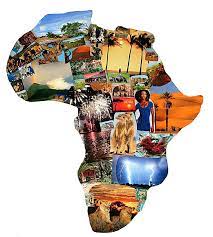
African Leadership Summit: Fostering the United States of Africa
Updated at: 2023-08-07 06:30:46 (2 years ago by Melkisedeck Leon Shine)
π AFRICAN LEADERSHIP SUMMIT: FOSTERING THE UNITED STATES OF AFRICA π
Greetings, fellow Africans! Today, we embark on a journey towards a united and prosperous Africa, a continent that stands tall as "The United States of Africa." With a shared vision and unwavering determination, we can create a single sovereignty body that will amplify our strength and voice on the global stage. Let us explore 15 strategic points on how we can achieve this remarkable feat:
1οΈβ£ Foster Economic Integration: Break down trade barriers and promote inter-African trade, uniting our economies to create a powerful and self-reliant African market.
2οΈβ£ Establish a Common Market: Formulate policies and agreements that encourage the free flow of goods, services, and skilled labor across African borders, stimulating economic growth and development.
3οΈβ£ Political Integration: Promote the adoption of a united African constitution that upholds democratic principles, ensuring fair representation and protection of human rights for all citizens.
4οΈβ£ Strengthen Regional Blocs: Harness the power of our existing regional organizations, such as the African Union and ECOWAS, to coordinate efforts and pave the way towards continental unity.
5οΈβ£ Enhance Infrastructure: Invest in the development of robust transportation networks, power grids, and digital connectivity, linking our nations and facilitating seamless movement and communication.
6οΈβ£ Educational Exchange Programs: Encourage the exchange of students, scholars, and professionals across African universities, fostering cultural understanding and knowledge sharing.
7οΈβ£ Promote African Languages: Embrace and celebrate our diverse languages, making them an integral part of our education systems and official communication channels.
8οΈβ£ Harness Technology: Embrace the digital revolution and leverage technology to bridge the gaps in healthcare, education, and governance, ensuring an inclusive and progressive Africa.
9οΈβ£ Cultural Integration: Celebrate our rich heritage and cultural diversity, promoting cultural exchange programs and events that unite Africans across the continent.
π Strengthen Security Cooperation: Collaborate on security initiatives to combat terrorism, transnational crime, and conflict, safeguarding the peace and stability of our nations.
1οΈβ£1οΈβ£ Empower Women: Ensure gender equality and women's empowerment by promoting their active participation in politics, leadership roles, and decision-making processes.
1οΈβ£2οΈβ£ Harness Renewable Energy: Invest in clean and sustainable energy sources, reducing our dependency on fossil fuels and mitigating the adverse effects of climate change.
1οΈβ£3οΈβ£ Address Corruption: Implement robust anti-corruption measures, promoting transparency, accountability, and good governance across all levels of society.
1οΈβ£4οΈβ£ Youth Empowerment: Engage and empower our youth through mentorship programs, entrepreneurship opportunities, and access to quality education, ensuring their active participation in shaping the African narrative.
1οΈβ£5οΈβ£ Embrace Pan-Africanism: Draw inspiration from our great leaders, such as Kwame Nkrumah who famously said, "Africa must unite," and build upon their dreams for a united continent.
By pursuing these strategies and standing united, we can create "The United States of Africa" β a beacon of hope, progress, and prosperity. Remember, my fellow Africans, that we are capable, and it is possible to achieve this audacious goal. Let us inspire one another, promote African unity, and work tirelessly towards the realization of our collective vision.
Now, I invite you to develop your skills on these strategies, deepening your understanding and spreading the message of unity among your peers. Together, we can sow the seeds of change and build a brighter future for Africa.
What are your thoughts on this vision of a united Africa? How can we overcome the challenges that lie ahead? Share your ideas and let's continue this conversation. Don't forget to share this article with your friends and family. Together, we can spark a movement towards "The United States of Africa." ππ€π
Updated at: 2025-05-16 14:04:32 (9 months ago by Melkisedeck Leon Shine)
The concept of a unified Africa, a βUnited States of Africa,β embodies a transformative vision for the continent's future. This ambitious undertaking requires a meticulously planned and collaborative approach, necessitating the concerted efforts of all African nations to overcome historical divisions and forge a shared destiny. Realizing this vision necessitates a comprehensive strategy encompassing economic, political, and socio-infrastructural development, firmly grounded in effective conflict resolution mechanisms. Key concepts underpinning this analysis include regional integration theory, the principles of democratic governance, human capital theory, and the resource curse paradigm.
1. Establishing Robust Pan-African Governance Structures: The creation of a unified Africa necessitates the establishment of strong, supranational governance structures. This involves leveraging the existing framework of the African Union, potentially evolving it into a more robust and effective federation. This process would draw upon principles of federalism, mirroring successful examples like the European Union, while carefully considering the unique historical, cultural, and political context of Africa. The application of institutional design principles is crucial for establishing legitimacy, accountability, and efficiency in such a system.
2. Fostering Economic Integration Through Regional Value Chains: Sustained peace and development are inextricably linked to a thriving African economy. This requires a concerted push towards economic integration, focusing on the development of regional value chains. This approach moves beyond simple free trade agreements to create synergistic economic linkages across nations, enhancing productivity and competitiveness. This strategy is grounded in the principles of new trade theory, emphasizing the importance of economies of scale, network effects, and knowledge spillovers in driving economic growth.
3. Strengthening Democratic Governance and the Rule of Law: Stable and prosperous nations are characterized by strong, accountable, and transparent governance. This necessitates the promotion and strengthening of democratic institutions, the rule of law, and the fight against corruption. The application of good governance principles, encompassing transparency, accountability, and participation, is vital. This effort should incorporate anti-corruption measures informed by institutional economics and public choice theory, addressing the incentive structures that lead to corrupt practices.
4. Investing in Human Capital Development: Investing in human capitalβthrough education, skills development, and healthcareβis crucial for sustainable development. This requires a significant commitment to improving educational systems at all levels, emphasizing STEM fields and vocational training aligned with market demands. This approach is rooted in human capital theory, which posits that investments in education and skills lead to increased productivity and economic growth. Equitable access to quality education for all, regardless of gender, ethnicity, or socioeconomic background, is paramount.
5. Reconciliation and Social Cohesion: Addressing historical grievances and fostering social cohesion are crucial for achieving national unity. Truth and reconciliation commissions, coupled with restorative justice initiatives, can play a significant role in healing historical wounds and building a more inclusive society. This process draws upon the principles of transitional justice, aiming to establish a foundation of trust and cooperation among diverse groups. The application of social psychology principles can inform the design of effective reconciliation programs.
6. Strategic Partnerships and Knowledge Transfer: Learning from the successes and failures of other regional alliances, such as the European Union, provides valuable lessons for a United States of Africa. A comparative analysis can guide the development of a roadmap tailored to the African context, identifying best practices while mitigating potential pitfalls. This approach leverages the principles of comparative institutional analysis, enabling the selection of appropriate institutional designs and policy approaches.
7. Harnessing the Power of Sustainable Resource Management: Africa's abundant natural resources should be managed sustainably and equitably, preventing the "resource curse." This involves establishing transparent governance structures for resource extraction, ensuring revenue sharing, and promoting environmentally sound practices. This requires a careful application of environmental economics principles, including internalizing externalities and promoting sustainable resource use practices.
8. Leveraging Regional Cooperation Mechanisms: Strengthening existing regional organizations, such as the African Union and ECOWAS, is essential for building a strong foundation for pan-African unity. This involves enhancing their capacity, coordinating their efforts, and ensuring their effective collaboration in advancing regional integration. This approach draws upon the principles of regional cooperation and integration theory, highlighting the importance of shared goals and coordinated actions.
9. Promoting Inclusivity and Empowering Marginalized Groups: Achieving a truly unified Africa necessitates the active inclusion and empowerment of all segments of society. This requires explicit strategies to address gender inequality, youth unemployment, and the needs of marginalized groups. This approach is grounded in the principles of social justice and equity, promoting the full participation of all citizens in the political, economic, and social spheres.
10. Investing in Modern Infrastructure: Modern infrastructureβin transportation, communication, and energyβis crucial for connecting African nations and driving economic growth. Strategic investments in these areas can significantly reduce transaction costs, improve efficiency, and foster economic integration. This aligns with the principles of infrastructure economics, demonstrating the critical role of infrastructure in supporting economic development.
11. Prioritizing Conflict Prevention and Resolution: Investing in conflict prevention and resolution mechanisms, such as early warning systems, peacebuilding initiatives, and robust judicial systems, is critical for maintaining peace and stability. This approach draws upon the principles of conflict management and peacebuilding, emphasizing dialogue, mediation, and the promotion of inclusive political processes.
12. Fostering Cultural Exchange and National Identity: While recognizing the diversity of African cultures, it's vital to foster a shared sense of African identity. This can be achieved through cultural exchange programs, promoting mutual understanding and respect for diverse traditions. This aligns with the principles of social cohesion and nation-building, drawing strength from the diversity of cultures while promoting unity.
13. Promoting Innovation and Technological Advancement: Africa's future prosperity depends on embracing innovation and technological advancements. This requires investments in research and development, supporting entrepreneurship, and fostering a conducive environment for technology transfer and adoption. This approach is guided by the principles of innovation economics, recognizing that technological progress is a key driver of economic growth and development.
14. Ensuring Environmental Sustainability: Sustainable environmental practices must be central to the development of a United States of Africa. This necessitates the implementation of robust environmental regulations, promoting responsible resource management, and addressing climate change impacts. This is grounded in the principles of environmental sustainability and resilience, ensuring the long-term well-being of the continent and its people.
15. Building Strong and Independent Institutions: The success of a United States of Africa relies on the establishment of robust and independent institutions across all sectors. This ensures accountability, transparency, and effective governance, fostering a stable and prosperous environment. This is based on institutional economics principles, emphasizing the role of institutions in shaping economic outcomes and fostering development.
Conclusions and Recommendations
The creation of a United States of Africa is a transformative project demanding a long-term, multifaceted strategy. Success hinges on a collaborative, inclusive approach, drawing upon lessons from other regional integrations while addressing the continent's unique circumstances. The recommended approach utilizes a systems thinking perspective, acknowledging the interconnectedness of various factors influencing the success of this ambitious endeavor. Further research should focus on comparative case studies of successful regional integration efforts, tailoring recommendations to the specific context of the African continent, considering cultural nuances and political realities. The economic benefits of successful integration are substantial, but require careful management of potential risks, including economic disparities between nations and the potential for resource conflicts. A phased approach, starting with pilot projects in specific areas and gradually expanding to encompass broader integration, is recommended to mitigate these risks. The long-term impact will be a more prosperous, stable, and influential Africa on the global stage, enhancing its voice in international affairs and promoting regional cooperation.
Reader Pool: What specific institutional reforms and policy adjustments would be most crucial in facilitating the successful integration of diverse African economies within a United States of Africa framework?
Updated at: 2025-06-18 12:03:17 (8 months ago by Melkisedeck Leon Shine)
The aspiration for a unified Africa, often conceptualized as a "United States of Africa," necessitates a comprehensive approach grounded in established political science theories and economic development models. This article explores fifteen key strategies for achieving this ambitious goal, focusing on the application of relevant frameworks to facilitate continental integration and enhance African diplomacy on the global stage. Key concepts underpinning this analysis include Pan-Africanism β the ideology emphasizing unity and solidarity among African peoples and nations; regional integration β the process of cooperation and coordination among regional economic communities; and neo-functionalism β a theory suggesting that integration in one area (e.g., economics) can lead to integration in other areas (e.g., politics). Furthermore, the role of supranational governance and the challenges associated with state sovereignty will be considered.
1. Strengthening Regional Integration Mechanisms: The existing regional economic communities (RECs) such as the African Union (AU), ECOWAS, and EAC serve as crucial building blocks for continental integration. Strengthening their institutional capacity, harmonizing their policies, and fostering greater synergy amongst them is paramount. This aligns with the neo-functionalist perspective, demonstrating that incremental integration in specific sectors paves the way for broader political unification. Case studies of successful regional integration, such as the European Union's early stages, offer valuable lessons in overcoming obstacles and managing diverse interests.
2. Fostering Pan-African Identity and Shared Values: Cultivating a strong sense of shared African identity is critical. This involves promoting Pan-Africanism through educational initiatives, cultural exchanges, and public awareness campaigns that highlight the continent's rich diversity while emphasizing common historical experiences and aspirations. This approach resonates with social identity theory, which underscores the importance of shared identity in fostering collective action and cooperation.
3. Promoting Economic Liberalization and Sustainable Development: The establishment of a robust, integrated African economy is essential. This involves reducing trade barriers, promoting investment in infrastructure (through models like the African Continental Free Trade Area (AfCFTA)), and encouraging diversification away from reliance on primary commodities. Applying principles of comparative advantage and focusing on sustainable development, as advocated by the Sustainable Development Goals (SDGs), will ensure long-term economic prosperity.
4. Enhancing Good Governance and Democratic Institutions: Building a United States of Africa necessitates robust democratic institutions at both the national and continental levels. This requires promoting political liberalization, strengthening the rule of law, fighting corruption, and ensuring human rights are protected. The success of this aspect hinges on the application of democratic consolidation theory, highlighting the iterative process of strengthening democratic norms and institutions.
5. Investing in Human Capital Development: Education and skills development are vital for driving economic growth and fostering social cohesion. Investing heavily in education, particularly STEM fields, and providing vocational training will create a highly skilled workforce capable of contributing to a modern, unified Africa. Human capital theory emphasizes the crucial role of education and skills in economic productivity.
6. Developing Critical Infrastructure: Modern infrastructure, including transportation, communication, and energy networks, is fundamental to economic integration and social cohesion. Investment in these sectors must be guided by cost-benefit analysis and sustainable infrastructure principles to ensure long-term effectiveness and environmental responsibility.
7. Leveraging Technological Advancements: Harnessing the potential of technology, particularly in areas like information and communication technologies (ICTs), is crucial for connecting people, facilitating communication, and promoting transparency and accountability. The application of digital governance frameworks will improve efficiency and participation in decision-making processes.
8. Promoting Peace and Conflict Resolution: Peace and security are prerequisites for any successful integration process. Investing in conflict prevention mechanisms, strengthening peacekeeping capabilities, and promoting inclusive governance will contribute to a stable and secure environment conducive to development. Conflict resolution theories, such as the transformative approach, will guide effective intervention strategies.
9. Promoting a Culture of Collaboration and Knowledge Sharing: Encouraging collaboration in research, innovation, and technology transfer will propel economic growth and technological advancement. Establishing regional research centers and fostering partnerships between universities and industries will facilitate the diffusion of knowledge and expertise.
10. Learning from Past Experiences and International Best Practices: Analyzing the successes and failures of other regional integration projects, such as the European Union, offers valuable lessons. Adapting successful strategies while avoiding pitfalls is crucial. This comparative approach draws upon insights from international relations theory and comparative politics.
11. Harnessing the Power of African Youth: Engaging youth in the process of building a United States of Africa is vital. Empowering young people through education, entrepreneurship opportunities, and meaningful participation in decision-making processes is essential for securing the continent's future.
12. Promoting a Common African Narrative: A shared understanding of African history, culture, and aspirations is important in fostering unity. This involves promoting inclusive narratives that celebrate diversity while emphasizing commonalities.
13. Adopting a Pragmatic Approach to Language Policy: While a common language might be a long-term aspiration, a more pragmatic approach involves prioritizing multilingualism and investing in translation and interpretation services to facilitate effective communication.
14. Promoting Sustainable Environmental Practices: A United States of Africa should prioritize sustainability and environmental protection. This necessitates investing in renewable energy sources, implementing effective environmental policies, and promoting responsible resource management.
15. Strengthening Continental Diplomacy and Global Engagement: A unified Africa will have a stronger voice on the global stage. This requires strengthening the AU's diplomatic capabilities, promoting collective action on issues of shared concern, and enhancing partnerships with other international organizations.
Conclusions and Recommendations: The creation of a United States of Africa is a long-term vision requiring a phased approach. The strategies outlined above, informed by relevant theoretical frameworks and practical considerations, provide a roadmap for achieving this goal. Success hinges on strong political will, effective leadership, and a commitment to inclusive participation. Further research should focus on evaluating the effectiveness of different integration strategies in various African contexts and exploring innovative mechanisms for managing diversity and overcoming potential obstacles. The impact of a unified Africa will be transformative, fostering economic growth, enhancing regional stability, and elevating Africa's global standing. The long-term implications include a more resilient and prosperous continent, capable of addressing its challenges and seizing its opportunities. The application of these recommendations across diverse African contexts necessitates careful consideration of local realities, ensuring the approach remains flexible and adaptable to unique circumstances. Further research into the comparative effectiveness of various integration strategies within distinct regional contexts is crucial for tailoring strategies effectively.
Reader Pool: Considering the complexities of state sovereignty and diverse national interests, what practical mechanisms could best ensure the effective governance of a United States of Africa?
Updated at: 2025-05-10 11:29:11 (9 months ago by Melkisedeck Leon Shine)
The aspiration for a unified Africa, characterized by collaborative governance and economic prosperity, transcends mere political idealism; it represents a critical imperative for unlocking the continent's immense potential. This article presents a strategic framework for realizing this ambitious vision β the creation of a "United States of Africa" β emphasizing sustainable development and inclusive economic growth. This framework will be analyzed through the lens of several key concepts: functional integration, referencing the gradual integration of specific sectors (e.g., economic or political) as a precursor to broader political union; neo-functionalism, highlighting the spillover effects of initial integration into other areas; dependency theory, acknowledging the historical impact of global power dynamics on African development; and sustainable development goals (SDGs), providing a framework for inclusive and environmentally responsible progress.
I. Establishing a Shared Foundation: Historical Reconciliation and Pan-African Identity
The foundational element lies in a comprehensive understanding of Africa's shared history, acknowledging both triumphs and setbacks. This historical introspection, informed by critical analysis and reconciliation initiatives, will provide valuable lessons for navigating the path towards unity. Applying the principles of restorative justice and truth and reconciliation commissions, as seen in post-conflict societies, could facilitate this process. Furthermore, the cultivation of a robust Pan-African identity must be prioritized. This involves recognizing and celebrating the continent's rich cultural diversity, framing it not as a source of division, but as a vibrant tapestry of unique strengths. This approach aligns with the concept of multiculturalism, promoting a society that values and respects diverse cultural expressions while fostering a shared sense of belonging. The creation of a unifying narrative, one that transcends individual national identities while acknowledging unique cultural heritages, is essential for building collective efficacy and social cohesion.
II. Strengthening Regional Institutions and Fostering Economic Integration
Existing regional bodies, such as the African Union (AU) and Economic Community of West African States (ECOWAS), serve as crucial pillars for continental integration. Strengthening their institutional capacity and effectiveness through enhanced governance, financial resources, and technical expertise is paramount. The application of principles of good governance, transparency, and accountability, informed by the tenets of new public management, is critical. This will enhance the efficacy of these organizations. Moreover, fostering deeper economic integration through the establishment of a pan-African single market is essential. This involves eliminating trade barriers, streamlining customs procedures, and promoting cross-border investments, stimulating intra-African trade, and leveraging the principles of comparative advantage to unlock substantial economic growth, reflecting the core principles of economic integration theories.
III. Promoting Good Governance and Sustainable Development
The establishment of robust, democratic governance structures based on the rule of law, transparency, and accountability is indispensable. This includes empowering civil society organizations, guaranteeing freedom of expression, and ensuring that all voices are heard and respected. The implementation of effective anti-corruption mechanisms and the promotion of transparency and accountability in government operations are crucial for building trust and fostering inclusive growth. This framework aligns with the precepts of democratic consolidation and the promotion of participatory governance, fostering inclusive growth in line with SDG 16: Peace, Justice, and Strong Institutions. Concurrently, achieving food security and environmental sustainability through sustainable agricultural practices is vital. This involves promoting climate-smart agriculture, investing in rural infrastructure, and supporting smallholder farmers, reflecting the sustainable development goals (SDGs). This approach contributes to achieving the SDGs, particularly SDG 2: Zero Hunger and SDG 13: Climate Action.
IV. Investing in Human Capital and Infrastructure Development
Significant investments in modernizing infrastructure β transportation, communication, and energy β are critical for facilitating the seamless movement of goods, services, and people across the continent, underpinning economic integration. This strategic investment aligns with the principles of infrastructure-led growth. The development of robust digital infrastructure is also crucial for bridging the digital divide and creating a knowledge-based economy, fostering innovation and inclusive economic growth. Finally, significant investments in education and skills development, particularly for youth, represent a crucial investment in Africa's future, empowering the next generation to lead the continent towards sustainable prosperity. This human capital investment is aligned with SDG 4: Quality Education and SDG 8: Decent Work and Economic Growth. This directly applies human capital theory.
V. Learning from Global Experiences and Fostering Collaboration
Analyzing the experiences of other regional blocs, such as the European Union, can provide valuable lessons. However, the unique context of Africa demands a tailored approach, adapting best practices while addressing the continent's specific challenges. The lessons learned from successful and unsuccessful integration processes in other regions can inform the strategic design of a United States of Africa, avoiding pitfalls and maximizing opportunities. Furthermore, promoting cultural exchange and tourism will not only foster understanding and bridge cultural divides but also stimulate economic growth by boosting tourism revenue. Prioritizing research and development, particularly in areas relevant to Africa's unique challenges, is essential for achieving sustainable and inclusive growth, supporting innovation and technological advancements within the continent.
Conclusion and Recommendations
The realization of a United States of Africa is a transformative undertaking demanding concerted effort, shared vision, and unwavering commitment. This necessitates a multi-pronged approach emphasizing regional collaboration, strong institutions, inclusive governance, and sustainable development. The successful implementation of this vision will require addressing historical injustices, fostering social cohesion, and building resilient economies. This requires a phased approach, prioritizing the strengthening of regional institutions, fostering economic integration, and establishing mechanisms for conflict resolution and peacebuilding. Further research should focus on the comparative analysis of successful integration models, the impact of historical legacies on integration prospects, and effective strategies for fostering pan-African identity and social cohesion. The long-term benefits β a unified, prosperous, and peaceful Africa β far outweigh the challenges. This transformative journey demands dedication, collaboration, and a shared commitment to a brighter future for all Africans. The ultimate success of this endeavor depends on a collective and continuous commitment to these principles.
Updated at: 2023-08-07 06:23:33 (2 years ago by Melkisedeck Leon Shine)
π African Healthcare Cooperation: Ensuring Wellness in the United States of Africa π
As Africans, we have a rich history of unity and resilience. Throughout our continent, there are countless examples of successful collaborations, proving that when we come together, we can achieve great things. Today, I want to talk about the formation of "The United States of Africa" and how, by uniting as one, we can create a single sovereignty body that will benefit all Africans. Let's embark on this journey towards unity and wellness!
1οΈβ£ The United States of Africa: Imagine a continent where all African nations work together, share resources, and uphold the principles of unity and cooperation. This vision can become a reality if we believe in our collective strength and take action.
2οΈβ£ African Economic Liberalization: To achieve the United States of Africa, we must prioritize economic liberalization. This means removing barriers to trade, promoting entrepreneurship, and fostering economic growth across the continent.
3οΈβ£ Political Liberalization: Alongside economic liberalization, we must also strive for political liberalization. This involves promoting democracy, human rights, and good governance within each African nation, creating a solid foundation for the United States of Africa.
4οΈβ£ Learning from Other Parts of the World: Let's look at successful examples of regional integration, such as the European Union. By studying their experiences and adapting them to our unique African context, we can avoid pitfalls and fast-track our progress towards unity.
5οΈβ£ Celebrating African Leaders: Throughout history, we have had remarkable African leaders who advocated for unity and freedom. As Nelson Mandela famously said, "It always seems impossible until it's done." Let's draw inspiration from their words and actions.
6οΈβ£ Sharing Resources: Africa is blessed with an abundance of natural resources, but they are often exploited by external forces. By uniting as the United States of Africa, we can collectively manage and distribute these resources to benefit all Africans.
7οΈβ£ Investing in Healthcare: Healthcare is a fundamental pillar of any successful nation. By pooling our resources and expertise, we can build a robust healthcare system across the United States of Africa, ensuring the wellness of all our citizens.
8οΈβ£ Embracing Technology: Technological advancements have the power to transform healthcare in Africa. By investing in research and development, and collaborating on innovative solutions, we can bridge the healthcare gap and improve access for all Africans.
9οΈβ£ Strengthening Education: Education is key to empowering our citizens and building a strong future for the United States of Africa. By sharing knowledge and investing in quality education, we can equip our people with the skills they need to drive progress.
π Promoting Cultural Exchange: Africa is a continent rich in diverse cultures and traditions. By promoting cultural exchange and celebrating our shared heritage, we can foster a sense of unity and pride in being part of the United States of Africa.
1οΈβ£1οΈβ£ Addressing Regional Conflicts: To achieve the United States of Africa, we must address regional conflicts that hinder our progress. By promoting peace, dialogue, and diplomacy, we can build a stronger foundation for unity and cooperation.
1οΈβ£2οΈβ£ Infrastructure Development: Adequate infrastructure is essential for economic growth and regional integration. By investing in transportation, energy, and communication networks, we can connect African nations and foster a stronger sense of unity.
1οΈβ£3οΈβ£ Engaging the Youth: The youth are the future of Africa. By involving them in our vision for the United States of Africa, we can harness their energy, creativity, and passion to drive positive change and ensure a brighter future for all Africans.
1οΈβ£4οΈβ£ Building Strong Institutions: The United States of Africa requires strong institutions that can uphold the rule of law, protect human rights, and promote accountability. By investing in our institutions, we can create a solid foundation for our collective progress.
1οΈβ£5οΈβ£ Believe in the Dream: Lastly, we must believe in the dream of the United States of Africa. We, as Africans, have the power to shape our own destiny and create a future where unity, wellness, and prosperity prevail.
I invite you, my fellow Africans, to join me on this journey towards the United States of Africa. Let's develop our skills and knowledge about the strategies needed to achieve this vision. Together, we can create a continent that is united, prosperous, and at the forefront of global development. Share this article with your friends and family, and let's ignite the spirit of African unity within every heart.
What steps do you think we can take to promote African unity? How can we overcome the challenges that lie ahead? Share your thoughts and ideas in the comments below. Together, we can make the United States of Africa a reality!
Updated at: 2025-05-20 13:06:42 (9 months ago by Melkisedeck Leon Shine)
The aspiration for a unified Africa, a continent synergistically pursuing shared prosperity and global leadership, represents a compelling vision. The conceptualization of a "United States of Africa" embodies a bold strategic objectiveβa unified sovereign entity capable of propelling the continent to unprecedented levels of economic advancement and political stability. This unification transcends mere political ambition; it serves as a catalyst for unlocking Africa's immense potential and achieving a brighter future. This necessitates a comprehensive, multi-faceted strategy, encompassing economic empowerment, political modernization, and the cultivation of a robust Pan-African identity. While the path presents formidable challenges, the potential rewards are transformative.
This article presents fifteen strategic pillars designed to facilitate the establishment of a unified and thriving Africa, leveraging established theories and models of regional integration and development.
The vision of a United States of Africa is not merely aspirational; it is a strategically achievable goal. By implementing these interconnected strategies and fostering a spirit of collaborative engagement, we can create a continent where every African has the opportunity to thrive and reach their full potential. The pursuit of this vision requires a sustained commitment to reform, investment, and cooperation, embracing the power of collective action.
The successful realization of this vision will have far-reaching impacts, potentially leading to enhanced global influence, economic diversification, and improved human development indicators across the continent. Further research is needed to explore the specific pathways to integration, considering the complexities of political and economic diversity across different regions. Specific studies could focus on the optimal sequencing of reforms, effective institutional design for a pan-African body, and strategies for managing potential conflicts of interest among member states.
Reader Pool: What are the most significant obstacles to achieving a United States of Africa, and what innovative approaches could be employed to overcome them?
Updated at: 2023-08-07 07:28:36 (2 years ago by Melkisedeck Leon Shine)
Title: Promoting African Literature and Arts: Cultivating Expression in the United States of Africa
Introduction: π Welcome, fellow Africans! Today, we embark on an inspiring journey towards the formation of "The United States of Africa." As proud citizens of this diverse continent, we have the power to unite and create a single sovereignty body that will foster African unity, promote our rich literature and arts, and unleash our untapped potential as a collective force.
Strategies towards the Formation of the United States of Africa: 1οΈβ£ Embrace Pan-Africanism: Let us embrace the ideals of Pan-Africanism, which advocate for the unification of our continent, paying homage to visionary leaders such as Kwame Nkrumah, Patrice Lumumba, and Nelson Mandela, who paved the way for African unity.
2οΈβ£ Promote African Economic Integration: By fostering regional economic integration, we can dismantle trade barriers and improve economic cooperation among African nations. The African Continental Free Trade Agreement (AfCFTA) is a significant step towards this goal, promoting economic growth and creating employment opportunities for our people.
3οΈβ£ Strengthen Political Cooperation: Encourage collaboration among African leaders through platforms like the African Union (AU). By fostering dialogue, we can address common challenges, promote good governance, and ensure the participation of all African nations in decision-making processes.
4οΈβ£ Invest in Education: Education is the cornerstone of progress. We must prioritize investments in education across the continent, ensuring that every African child has access to quality education. By empowering our youth, we lay the foundation for a united and prosperous Africa.
5οΈβ£ Promote Cultural Exchange: Embrace the richness of African heritage by promoting cultural exchanges within and between African nations. Celebrate our diverse traditions, languages, and art forms, fostering a sense of pride and unity among our people.
6οΈβ£ Develop Infrastructure: Invest in infrastructure development to enhance connectivity and facilitate intra-African trade. By improving transportation networks, digital connectivity, and energy systems, we create a framework for economic integration and social cohesion.
7οΈβ£ Foster Technological Advancements: Embrace technological advancements and innovation to drive economic growth and development. By nurturing a robust technology sector, we empower African entrepreneurs and position ourselves as leaders in the global digital economy.
8οΈβ£ Harness Natural Resources Responsibly: Promote responsible management and utilization of our abundant natural resources. By implementing transparent and sustainable practices, we ensure that the benefits derived from these resources are shared equitably among all African nations.
9οΈβ£ Empower Women and Youth: Recognize the invaluable contributions of women and youth in shaping our continent's future. Promote gender equality, provide access to quality healthcare and education, and create opportunities for entrepreneurship and leadership development.
π Strengthen Regional Security: Collaborate to address security challenges across the continent, such as terrorism, conflict, and organized crime. By consolidating regional security initiatives, we foster stability and create an environment conducive to growth and development.
1οΈβ£1οΈβ£ Learn from Global Experiences: Draw lessons from successful integration initiatives in other parts of the world, such as the European Union. Adapt these experiences to suit our unique African context, ensuring that our approach aligns with our values, needs, and aspirations.
1οΈβ£2οΈβ£ Promote African Language and Literature: Celebrate and promote the diversity of African languages and literature. Encourage the production and distribution of African literature and arts, providing a platform for our voices to be heard and appreciated globally.
1οΈβ£3οΈβ£ Embrace Renewable Energy: Transition to clean and renewable energy sources to mitigate the effects of climate change and promote sustainable development. By prioritizing renewable energy investments, we can protect our environment and pave the way for a greener Africa.
1οΈβ£4οΈβ£ Encourage Youth Engagement: Harness the energy and creativity of African youth by involving them in decision-making processes. Create platforms for youth participation, ensuring their voices are heard and their ideas are incorporated into policies that shape our future.
1οΈβ£5οΈβ£ Amplify African Voices: Support and uplift African media platforms, enabling them to tell our own stories and challenge stereotypes. By amplifying African voices, we promote an authentic representation of our continent and inspire future generations to embrace their African identity.
Conclusion: π Dear fellow Africans, the formation of "The United States of Africa" is not an impossible dream. By implementing these strategies, we can forge a path towards unity, prosperity, and the celebration of our rich literature and arts. Let us rise together, embrace our African identity, and work towards a future where the United States of Africa becomes a reality.
β¨ Develop your skills on these strategies, engage in discussions, and share this article with fellow Africans. Together, we can make a difference! π
π What steps are you taking to promote African unity and cultural expression? Share your thoughts below!
Updated at: 2023-08-07 06:23:30 (2 years ago by Melkisedeck Leon Shine)
π African Humanitarian Agency: A Unified Response in the United States of Africa π
As Africans, we have witnessed the power of unity throughout history. From the victories of our ancestors against colonialism to the achievements of independent nations on our continent, unity has always been the driving force behind our progress. Today, we stand at a crucial juncture in our journey towards a united Africa β the formation of "The United States of Africa". In this article, we will explore strategies that can help us unite and create a single sovereignty body that embraces our rich diversity and promotes our shared goals. π€
1οΈβ£ Recognize our shared history: Let us remember the great leaders who fought for the liberation of our continent, such as Kwame Nkrumah, Patrice Lumumba, and Nelson Mandela. Their vision of a united Africa should inspire us to work towards a common goal.
2οΈβ£ Embrace cultural diversity: Africa is home to various cultures, languages, and traditions. Let us celebrate our diversity and use it as a foundation for building a stronger united Africa. π
3οΈβ£ Promote economic integration: By creating a single market and removing trade barriers, we can boost economic growth and create opportunities for all Africans.
4οΈβ£ Invest in education: Education is the key to empowering our people and building a brighter future. By investing in quality education for all Africans, we can nurture future leaders who will drive the growth and development of our united Africa.
5οΈβ£ Strengthen regional cooperation: Regional bodies such as the African Union, Economic Community of West African States (ECOWAS), and Southern African Development Community (SADC) play a crucial role in fostering cooperation and integration. Let us support and strengthen these institutions.
6οΈβ£ Harness the power of technology: Technology has the potential to connect Africans across borders, bridge the digital divide, and accelerate development. Let us embrace and leverage technology to drive innovation and progress.
7οΈβ£ Promote good governance: Transparency, accountability, and respect for human rights are essential for a united Africa. We must demand and uphold good governance practices from our leaders to ensure inclusivity and justice for all.
8οΈβ£ Build strong institutions: Institutions that are independent, efficient, and free from corruption are vital for a united Africa. Let us work towards building institutions that serve the interests of all Africans.
9οΈβ£ Engage the African diaspora: The African diaspora holds immense potential and can contribute to the development of our continent. Let us actively engage and involve them in our efforts towards unity.
π Foster a sense of Pan-Africanism: Pan-Africanism is the ideology that recognizes the common history, struggles, and aspirations of Africans. Let us embrace this ideology and work towards a united continent that is built on solidarity and shared values.
1οΈβ£1οΈβ£ Promote gender equality: Empowering women and ensuring their active participation in all sectors of society is crucial for a united Africa. Let us break down gender barriers and create an inclusive society that harnesses the full potential of all Africans.
1οΈβ£2οΈβ£ Learn from other successful union models: We can draw inspiration from successful union models around the world, such as the European Union. By studying their strategies and experiences, we can adapt and develop our own unique model of unity.
1οΈβ£3οΈβ£ Encourage youth participation: The youth are the future of our continent. It is essential to involve them in decision-making processes and provide them with opportunities to shape the future of a united Africa.
1οΈβ£4οΈβ£ Promote peace and stability: Peace and stability are prerequisites for development and unity. Let us resolve conflicts peacefully and work towards creating a continent free from violence and instability.
1οΈβ£5οΈβ£ Develop strong infrastructure: Reliable infrastructure, including transportation networks, energy systems, and digital connectivity, is essential for the growth and integration of our continent. By investing in infrastructure development, we can enhance connectivity and foster economic prosperity for all Africans.
In conclusion, the formation of "The United States of Africa" is not just a dream, but a tangible reality that we can achieve through unity, determination, and strategic planning. It is within our reach to create a continent that embraces our diversity, promotes our shared values, and harnesses the potential of all Africans. Let us develop our skills, engage in dialogue, and work together towards the realization of a united Africa. The time for unity is now! ππͺ
What are your thoughts on the strategies discussed? How do you envision a united Africa? Share this article and let's inspire more Africans to join the movement towards "The United States of Africa". ππ€π’
Updated at: 2023-08-07 08:05:47 (2 years ago by Melkisedeck Leon Shine)
π The United States of Africa and Education: Empowering Minds for Progress π
As an African, I strongly believe in the potential of our beautiful continent. We have a rich history, diverse cultures, and an abundance of resources. However, in order to truly unlock Africa's greatness, we must unite and create a single sovereignty body that I propose to be called "The United States of Africa." This article aims to provide strategies towards the formation of this united Africa, emphasizing the importance of education in empowering our minds for progress.
1οΈβ£ It is essential for us, as Africans, to recognize that our strength lies in unity. Just like the United States of America, the formation of a united Africa would bring about numerous benefits, including political stability, economic growth, and cultural exchange.
2οΈβ£ We must develop a shared vision for Africa, one that transcends national boundaries and focuses on our collective interests. This vision should prioritize the well-being of our people, sustainable development, and the preservation of our unique cultures.
3οΈβ£ Education plays a pivotal role in empowering individuals and societies. By investing in education, we can equip our young minds with the knowledge and skills necessary to drive progress and innovation in various fields, such as science, technology, engineering, and mathematics (STEM).
4οΈβ£ To ensure equitable access to education, we need to strengthen our education systems across the continent. This includes improving infrastructure, increasing the number of qualified teachers, and providing resources and scholarships to students from underprivileged backgrounds.
5οΈβ£ It is crucial to promote African economic liberalization, allowing for the free flow of goods, services, and investments within the continent. This will create a conducive environment for business growth, job creation, and economic empowerment.
6οΈβ£ Political liberalization is equally important, as it ensures that our governments are accountable, transparent, and inclusive. By promoting democratic principles, we can foster a sense of ownership and participation among our citizens, leading to stability and effective governance.
7οΈβ£ We can draw inspiration from successful regional integration initiatives, such as the European Union, which have brought countries together for mutual benefit. By pooling our resources, talents, and expertise, we can overcome challenges and maximize our potential as a united Africa.
8οΈβ£ As the saying goes, "If you want to go fast, go alone. If you want to go far, go together." It is time for us to set aside our differences and embrace our shared destiny as Africans. Together, we can achieve greatness and become a force to be reckoned with on the global stage.
9οΈβ£ Nelson Mandela once said, "Education is the most powerful weapon which you can use to change the world." Let us harness the power of education to transform Africa into a continent known for its intellectual capital and innovation.
π We should learn from the experiences of other parts of the world, such as the European Union, and adapt their successful strategies to fit our unique African context. By doing so, we can avoid pitfalls and expedite our journey towards unity and progress.
1οΈβ£1οΈβ£ Kwame Nkrumah, the first President of Ghana, envisioned a united Africa and said, "We face neither East nor West; we face forward." Let us take his words to heart and focus on the future of our continent, leaving behind the divisions of the past.
1οΈβ£2οΈβ£ The formation of the United States of Africa will require strong leadership, collaborative efforts, and a commitment to the principles of justice, equality, and respect for human rights. It is our responsibility as Africans to nurture these values within ourselves and our communities.
1οΈβ£3οΈβ£ It is important to remember that the road towards unity may be challenging, but the rewards are immeasurable. As Africans, we have the power to shape our own destiny and create a future that is bright and prosperous for all.
1οΈβ£4οΈβ£ I invite and encourage you, my fellow Africans, to develop your skills and knowledge in strategies towards the formation of the United States of Africa. Educate yourselves on the history of African integration movements, study the successes and failures, and engage in meaningful conversations with your peers.
1οΈβ£5οΈβ£ Together, we can make the dream of a united Africa a reality. Share this article with your friends, family, and colleagues and let us ignite a spark of hope and inspiration in the hearts of every African. The time is now; let us unite and create the United States of Africa, empowering future generations and paving the way for a brighter tomorrow.
ππ€π #UnitedAfrica #AfricaUnite #EducationForProgress ππ€π
What are your thoughts on the formation of the United States of Africa? How do you believe education can contribute to our progress? Share your ideas and let's continue this important conversation. Together, we can make a difference!
Updated at: 2023-08-07 07:28:35 (2 years ago by Melkisedeck Leon Shine)
Promoting African Literature and Education: Nurturing Knowledge in the United States of Africa ππ
The formation of the United States of Africa has been a dream shared by many Africans for years. This vision of a united and prosperous Africa, where its people can thrive and excel, is within our reach. By coming together and creating a single sovereignty body, we can pave the way for a brighter future. In this article, we will discuss strategies towards the formation of the United States of Africa and how Africans can unite to make this dream a reality. Let us embark on this journey of knowledge and empowerment together!
1οΈβ£ Embrace Pan-Africanism: Pan-Africanism is the ideology that emphasizes the unity and solidarity of Africans worldwide. By understanding and embracing this concept, we can strengthen our sense of identity and work towards a common goal.
2οΈβ£ Foster Economic Integration: Economic liberalization is essential for the growth and development of Africa. By promoting trade, investment, and free movement of goods and services among African countries, we can create a stronger and more interconnected continent.
3οΈβ£ Establish Political Cooperation: Political liberalization is crucial in creating a united Africa. We must work towards the establishment of democratic systems that promote good governance, transparency, and accountability. Our leaders should be committed to the well-being of the continent as a whole.
4οΈβ£ Promote African Languages and Literature: Literature is a powerful tool for preserving and promoting African culture. We must encourage the creation and dissemination of African literature, both in local languages and in translations, to ensure that our stories and voices are heard.
5οΈβ£ Invest in Education: Education is the key to empowerment. By investing in quality education systems across the continent, we can equip our youth with the skills and knowledge needed to build a prosperous Africa. Scholarships, training programs, and educational infrastructure should be prioritized.
6οΈβ£ Learn from the Past: History is our teacher. We must study the successes and failures of past attempts at African unity, such as the Organization of African Unity (OAU) and the African Union (AU). By learning from these experiences, we can refine our strategies and avoid repeating past mistakes.
7οΈβ£ Draw Inspiration from African Leaders: Our history is filled with visionary leaders who have fought for African unity. As Kwame Nkrumah once said, "Africa must unite or perish." Let us draw inspiration from great leaders like Nkrumah, Nelson Mandela, and Patrice Lumumba and carry their torch of unity forward.
8οΈβ£ Encourage Youth Participation: The youth are the future of Africa. We must actively involve them in discussions and decision-making processes. Their voices and ideas are essential in shaping the future of our continent.
9οΈβ£ Bridge Ethnic and Tribal Divisions: Africa is a diverse continent, rich in different cultures and traditions. We must embrace our diversity while bridging ethnic and tribal divisions. By promoting inclusivity and cultural exchange, we can foster unity among Africans.
π Embrace Technology: Technological advancements have the power to connect us like never before. By harnessing the potential of technology, we can overcome geographical barriers and foster collaboration among Africans across the continent.
1οΈβ£1οΈβ£ Advocate for Peace and Stability: Peace and stability are prerequisites for progress. We must actively work towards resolving conflicts and promoting peaceful coexistence among African nations. Only then can we fully harness our collective potential.
1οΈβ£2οΈβ£ Learn from Global Examples: We can draw inspiration from successful examples of regional integration around the world, such as the European Union. By studying their models and adapting them to our unique African context, we can lay the groundwork for the United States of Africa.
1οΈβ£3οΈβ£ Support African Entrepreneurs: Entrepreneurship is a driver of economic growth and job creation. We must support and empower African entrepreneurs by providing access to funding, mentorship, and business-friendly policies.
1οΈβ£4οΈβ£ Engage the Diaspora: Africans living abroad have a crucial role to play in the formation of the United States of Africa. We must engage and involve the African diaspora in our efforts, tapping into their skills, expertise, and resources.
1οΈβ£5οΈβ£ Embrace Unity in Diversity: Our strength lies in our diversity. We must celebrate and embrace the various cultures, languages, and traditions that make Africa unique. By fostering unity in diversity, we can build a strong and inclusive United States of Africa.
We, as Africans, have the power to shape our own destiny. The formation of the United States of Africa is not an impossible dream; it is a future that is within our grasp. Let us come together, united by our shared history and aspirations, and work towards a brighter and more prosperous Africa.
In conclusion, I invite and encourage each and every one of you to develop your skills and knowledge on the strategies towards the formation of the United States of Africa. Let us educate ourselves and others, engage in meaningful discussions, and take action towards realizing this vision. Together, we can build a united Africa that is a beacon of hope and progress for generations to come. Share this article with your fellow Africans and let us join hands in nurturing knowledge and promoting African unity! ππͺπΎ