The Importance of Cross-Border Collaboration in Wildlife Conservation
Updated at: 2023-08-06 14:53:58 (3 years ago by Melkisedeck Leon Shine)
π The Importance of Cross-Border Collaboration in Wildlife Conservation πΎ
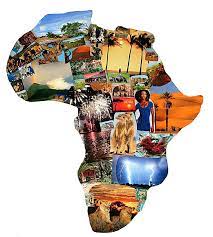
1οΈβ£ Africa, the birthplace of wildlife, is home to some of the most diverse and unique animal species on the planet. From the mighty elephants roaming the savannahs, to the graceful cheetahs sprinting across the grasslands, Africa's wildlife is a treasure that we must protect and preserve for generations to come.
2οΈβ£ As Africans, we have a responsibility to unite and work together in safeguarding our natural heritage. It is only through cross-border collaboration that we can effectively tackle the challenges of wildlife conservation and ensure a sustainable future for our continent.
3οΈβ£ History has shown us the power of collaboration in achieving great things. Just like the ancient African kingdoms that thrived through unity, we too can overcome the obstacles that stand in the way of protecting our wildlife.
4οΈβ£ Let us take inspiration from the words of the great African leader, Nelson Mandela, who once said, "It is in our hands to create a better world for all who live in it." These words ring true when it comes to wildlife conservation. It is our duty to create a better world where our wildlife can thrive.
5οΈβ£ Cross-border collaboration allows us to pool our resources, knowledge, and expertise. By working together, we can develop comprehensive conservation strategies that address the complex challenges faced by our wildlife.
6οΈβ£ Through collaboration, we can establish protected areas that span across borders, allowing animals to migrate freely and ensuring their habitats remain intact. This interconnectedness will not only benefit wildlife but also boost ecotourism, creating economic opportunities for local communities.
7οΈβ£ Take the example of the Serengeti-Mara ecosystem, which spans across Tanzania and Kenya. The annual wildebeest migration, known as the "greatest wildlife spectacle on Earth," attracts thousands of tourists from around the world. By collaborating and managing this ecosystem together, both countries reap the economic benefits while ensuring the survival of this natural wonder.
8οΈβ£ Collaboration also enables us to combat wildlife trafficking, a pressing issue that threatens our wildlife populations. By sharing information and coordinating efforts across borders, we can disrupt the illegal trade networks and protect our endangered species from further harm.
9οΈβ£ Imagine if all African countries set aside their differences and worked hand in hand, leveraging their unique strengths and resources to protect our wildlife. The impact would be remarkable, and we would be recognized as a force to be reckoned with in the global conservation community.
π It is time for us to put aside our individual interests and unite for the greater good of Africa. Together, we can create a future where our children can witness the beauty and wonder of Africa's wildlife.
1οΈβ£1οΈβ£ What can you do to promote cross-border collaboration in wildlife conservation? Share your ideas and experiences with us! Let us know how you have contributed to the conservation efforts in your own community.
1οΈβ£2οΈβ£ Remember, it is not enough to simply read and agree with this article. Action is what will truly make a difference. Share this article with your friends, family, and colleagues to spread the message of unity and collaboration in wildlife conservation.
1οΈβ£3οΈβ£ Together, let us inspire others to join us on this journey towards a united Africa, where our wildlife can flourish, and our continent can once again be the beacon of hope and conservation.
1οΈβ£4οΈβ£ In the wise words of Jomo Kenyatta, the first President of Kenya, "Our children may learn about the heroes of the past. Our task is to make ourselves the architects of the future." Let us be the architects of a future where Africa's wildlife is protected and cherished.
1οΈβ£5οΈβ£ Join us in this noble cause. Together, we can make a difference. Together, we can preserve Africa's wildlife for generations to come. Let us unite and create a brighter future for all. πππΎ
Updated at: 2025-02-28 12:02:01 (1 year ago by Melkisedeck Leon Shine)
Africa, a continent brimming with untapped resources, vibrant cultures, and immense human potential, stands at a pivotal moment. For too long, geographical barriers and infrastructural limitations have hindered our economic growth. However, the dawn of widespread digital connectivity and the explosive growth of e-commerce present an unprecedented opportunity to reshape our economic landscape and unlock prosperity for all Africans.
The transformative power of digital connectivity is undeniable. It bridges geographical divides, connecting communities and fostering collaboration across vast distances. This interconnectedness allows for the seamless exchange of goods, services, and ideas, breaking down traditional barriers to trade and stimulating economic activity. No longer are we limited by physical proximity; technology empowers us to reach global markets and participate in the global economy on a level playing field.
E-commerce, in particular, offers a powerful engine for economic growth. It provides a platform for African entrepreneurs to showcase their unique products and services to a global audience, fostering competition and driving innovation. This digital marketplace creates opportunities for small and medium-sized enterprises (SMEs), empowering individuals and communities to generate income and improve their livelihoods. Imagine a young artisan in rural Ghana selling their handcrafted goods directly to consumers in Europe or North America β a reality made possible by the accessibility of e-commerce.
The success of e-commerce hinges on robust digital infrastructure. Investing in high-speed internet access, reliable mobile networks, and digital literacy programs is crucial. This necessitates collaboration between governments, private sector actors, and international organizations to ensure equitable access to technology across the continent. We must strive to eliminate the digital divide, ensuring that all Africans, regardless of their location or socioeconomic status, can benefit from the opportunities presented by the digital revolution.
Furthermore, fostering a supportive regulatory environment is paramount. Clear and transparent policies that promote fair competition, protect consumer rights, and facilitate cross-border trade are essential for the sustainable growth of e-commerce. Streamlining customs procedures and reducing bureaucratic hurdles will further enhance the efficiency and effectiveness of digital trade.
Inspiration can be drawn from other nations' experiences. The remarkable economic transformation witnessed in countries like China, fueled in part by the adoption of e-commerce, demonstrates the potential for similar success in Africa. However, it's crucial to adapt successful strategies to the unique context of our continent, focusing on solutions tailored to our specific needs and challenges.
Beyond economic gains, the rise of digital connectivity and e-commerce fosters social progress. Increased access to information and educational resources empowers individuals, while the creation of new jobs and entrepreneurial opportunities boosts economic mobility. This digital empowerment has the potential to uplift entire communities, fostering greater inclusivity and reducing inequality.
The journey toward a digitally driven African economy requires a collaborative effort. Governments must prioritize investment in digital infrastructure and create supportive regulatory frameworks. The private sector needs to innovate and develop solutions that meet the specific needs of African consumers and businesses. And individuals must embrace the opportunities presented by the digital world, acquiring the necessary skills and knowledge to thrive in this new economic landscape. By working together, we can harness the transformative power of digital connectivity and e-commerce to build a more prosperous and equitable future for all Africans.
Let us embrace this opportunity to build a vibrant, digitally empowered Africa. Let us share our knowledge, collaborate across borders, and work together to create a continent where technology fuels economic growth, social progress, and lasting prosperity. The future of Africa is digital, and it is ours to shape.
Updated at: 2025-02-21 20:51:34 (1 year ago by Melkisedeck Leon Shine)
Fellow Africans, let us embark on a journey of unity, exploring the immense potential we possess as a single continent. Africa, rich in diverse cultures, history, and resources, holds the power to become a global leader. This article explores how harnessing our collective potential can build a brighter future for all.
Lessons from History: Our past offers invaluable lessons. History demonstrates the transformative power of unity, achieving remarkable progress when nations stand together. Gandhi's words, "Our ability to reach unity in diversity will be the beauty and the test of our civilization," resonate deeply. Let's draw inspiration from iconic leaders like Nelson Mandela, Kwame Nkrumah, and Julius Nyerere, who championed unity as the cornerstone of greatness.
Unity as a Development Catalyst: Imagine the possibilities if we combined our resources, talents, and knowledge. Unity strengthens economies, accelerates technological advancement, and fuels innovation. Collaborative efforts can overcome poverty, unemployment, and underdevelopment, transforming Africa into a global powerhouse.
The African Union: A Foundation for Unity: The establishment of the African Union (AU) represents a monumental step toward progress. It provides a platform for addressing shared challenges and fostering collaboration. Active participation in AU initiatives is crucial, ensuring our voices are heard and concerns addressed.
Celebrating Our Cultural Tapestry: Our diverse cultures, languages, and traditions are not obstacles, but strengths. Respecting and appreciating these differences builds bridges of understanding and harmony, fostering a stronger sense of unity. This diversity is our unique advantage on the global stage.
Regional Integration: A Path to Progress: Regional partnerships like the East African Community (EAC) and the Economic Community of West African States (ECOWAS) highlight the benefits of collaboration. Increased trade, improved infrastructure, and expanded opportunities result from active engagement in such initiatives.
Education: Investing in Our Future: Investing in quality education empowers our youth with the knowledge and skills to drive progress. Accessible, affordable, and high-standard education is vital, nurturing a generation of leaders dedicated to African unity.
Leveraging Technology and Innovation: The digital revolution offers unprecedented opportunities. Harnessing technology bridges divides, promotes cross-border collaboration, improves access to essential services, and creates new avenues for economic growth. Embracing digital connectivity is essential for our future.
The Power of Sports and Cultural Exchange: Sporting events, such as football matches, unite nations and promote camaraderie. Organizing more such events fosters friendly competition and builds connections. Similarly, cultural exchanges promote appreciation and understanding, forging lasting bonds across borders.
Embracing Pan-Africanism: Pan-Africanismβthe ideology of political and economic unityβholds immense potential. Embracing this philosophy fosters a shared African identity, transcending national boundaries and focusing on a common destiny.
African Solutions for African Challenges: We possess the deepest understanding of our challenges. Prioritizing homegrown solutions empowers us to address unique issues effectively. Collaboration, knowledge sharing, and leveraging our collective strengths overcome any obstacle.
The Strength of Solidarity: Solidarity is crucial for positive change. Supporting fellow Africans during crisesβnatural disasters, conflicts, or health emergenciesβdemonstrates the spirit of Ubuntu. Sharing resources and rebuilding communities showcases our collective strength.
Harnessing Diaspora Influence: The African diaspora possesses immense potential. Strengthening ties with those abroad, leveraging their skills, expertise, and resources creates a global network of unity and collaboration.
Youth Engagement and Empowerment: Our youth are Africa's future leaders. Empowering them through education, mentorship, and entrepreneurship ensures a sustainable and united Africa for generations to come. Active youth involvement in decision-making processes is essential.
Building Bridges, Not Walls: Promoting dialogue, understanding, and diplomacy fosters lasting partnerships and resolves conflicts. A future where differences are celebrated and collective potential unleashed is within our grasp.
Join the Movement: Share the Dream: I urge you to join this movement toward a united Africa. Share this message of unity, inspiring change and making a lasting impact. Will you stand united with us?
Conclusion: The power of a united Africa is within our reach. Let's embrace our collective potential, learn from history, and build a future where Africa takes its rightful place on the world stage. Together, we can achieve greatness and create a brighter tomorrow for all Africans. Let us unite and forge ahead, hand in hand, towards a continent we can all be proud of.
Share this article and let's make African unity a reality!
Updated at: 2025-06-22 10:34:14 (1 year ago by Melkisedeck Leon Shine)
This article explores the critical role of empowering indigenous communities in achieving a unified and prosperous Africa. We will examine this objective through the lens of several key concepts: Ubuntu, a fundamental African philosophy emphasizing interconnectedness; the social identity theory, which explains how group membership influences individual behavior; and the resource mobilization theory, illustrating how communities acquire and utilize resources for development. Furthermore, we will analyze the application of these concepts within the context of achieving sustainable development goals (SDGs) and fostering inclusive growth.
The concept of Ubuntu, meaning "I am because we are," highlights the inherent interconnectedness of human beings. This philosophy provides a powerful framework for understanding the importance of collective action and shared responsibility in building a united Africa. Applying Ubuntu requires fostering empathy, understanding, and cooperation among diverse communities, thereby overcoming historical divisions and promoting social cohesion. This mirrors the tenets of social identity theory, which posits that individuals derive part of their self-concept from their group memberships. Positive intergroup relations, fostered by valuing diverse identities, lead to reduced conflict and enhanced cooperation, aligning with the principles of Ubuntu and contributing to social capital.
Historically, various forms of inequality have hindered the progress of indigenous communities in Africa. This has frequently manifested in limited access to resources, education, and political representation. This disparity underscores the need for equitable resource allocation and inclusive governance structures. The resource mobilization theory provides a framework for understanding how communities acquire and utilize resources for development. Applying this theory involves identifying and leveraging local resources, building community capacity, and advocating for fair access to external resources, including financial aid and technology transfer. This directly addresses several SDGs, particularly those related to poverty reduction (SDG 1), quality education (SDG 4), and reduced inequalities (SDG 10).
Education serves as a powerful catalyst for empowering indigenous communities. Investing in quality educationβ encompassing formal schooling and skills developmentβ equips individuals with the knowledge and capabilities needed to participate fully in society and drive economic advancement. This approach aligns with human capital theory, which emphasizes the importance of education and skills in fostering economic growth. Providing access to education is not merely about acquiring literacy; it involves promoting critical thinking, problem-solving skills, and entrepreneurial spirit, enabling individuals to become agents of change and contribute to sustainable development. Moreover, access to information and communication technologies (ICTs) can be instrumental in bridging geographical divides and empowering indigenous communities by connecting them to broader markets and information networks.
Amplifying the voices of indigenous communities is crucial for ensuring their meaningful participation in decision-making processes. This involves creating platforms and mechanisms for indigenous knowledge systems and perspectives to be integrated into policy-making and development initiatives. This directly addresses the power imbalance often experienced by marginalized communities. Participatory approaches to development planning and implementation, which are at the heart of many contemporary development frameworks, require open communication, meaningful engagement, and inclusive governance structures. By actively involving indigenous communities in decision-making, we ensure that development interventions are tailored to their specific needs and aspirations, thereby fostering greater ownership and sustainability.
Addressing historical grievances and divisions is paramount for building a unified Africa. Acknowledging past injustices and working towards reconciliation and restorative justice are essential steps in fostering trust and healing inter-community relations. This requires acknowledging the complexities of historical trauma and creating mechanisms for truth-telling, reconciliation, and addressing the root causes of conflict. This process necessitates not only governmental action but also active participation from civil society organizations, community leaders, and individuals committed to fostering social harmony. It is essential to dismantle systems that perpetuate inequality and discrimination, and foster an environment of respect and mutual understanding. Inclusive institutional structures that incorporate elements of restorative justice and conflict resolution can play a vital role in achieving lasting peace and unity.
Collaborative approaches are essential for achieving long-term sustainable development. The principle of synergy, where the combined effect of multiple factors is greater than the sum of their individual effects, underscores the importance of collaboration among governments, civil society organizations, the private sector, and indigenous communities themselves. This necessitates effective communication, transparent governance, and mutually beneficial partnerships. For example, collaborative efforts in infrastructure development, resource management, and capacity building can ensure that interventions are both effective and sustainable, contributing to equitable and inclusive growth. Such a collaborative approach also fosters a shared sense of ownership and responsibility for the future, which is crucial for long-term sustainability.
Self-reflection and critical analysis are crucial elements of the journey towards unity. This involves examining prevailing power structures and dynamics, identifying implicit biases, and actively challenging discriminatory practices. Through conscious efforts to deconstruct harmful narratives and promote narratives of inclusivity and respect for diversity, we can foster a positive transformation of attitudes and beliefs. Critical self-reflection is also essential for fostering a transparent and accountable governance structure that values diverse perspectives and ensures the equitable distribution of resources and opportunities. This process of ongoing learning and adaptation is crucial for promoting social justice and achieving a truly unified Africa.
Empowering indigenous communities and forging unity through diversity in Africa requires a multifaceted approach grounded in principles of Ubuntu, social identity theory, and resource mobilization theory. This involves prioritizing inclusive education, amplifying indigenous voices, addressing historical injustices, and fostering collaborative partnerships. The achievement of the SDGs and fostering inclusive growth are directly linked to this effort. Future research should focus on evaluating the impact of specific interventions, exploring innovative strategies for empowering indigenous communities, and further investigating the interplay between local knowledge systems and development policies. To ensure sustainable development, a holistic and integrated approach is crucial, aligning with the broader framework of the African Union's Agenda 2063 and the UN's SDGs. Further research should focus on the effectiveness of different models of participatory governance and inclusive development initiatives in various African contexts, taking into account diverse socio-cultural factors. By actively promoting inter-community dialogue, addressing structural inequalities, and embracing the richness of African diversity, we can collectively build a more united, just, and prosperous Africa.
Reader Pool: What are the most significant challenges to implementing the principles of Ubuntu and achieving inclusive development in diverse African contexts, and how can these challenges be effectively addressed?
Updated at: 2023-08-06 13:59:12 (3 years ago by Melkisedeck Leon Shine)
The Role of Education in Fostering African Unity π
Greetings, fellow Africans! Today, let us delve into a topic close to our hearts - the role of education in fostering unity across our beloved continent. Education has always been the key to progress and development, and when it comes to building a united Africa, it plays an indispensable role. πβ¨
Education as a Bridge: Just like a bridge connects two parts of a river, education can bridge the gaps that divide our diverse nations. It has the power to bring us together, breaking down barriers of language, culture, and tradition. ππ
Building a Common Identity: By promoting a shared understanding of our history, values, and traditions, education helps to cultivate a sense of African identity. It reminds us that despite our differences, we are all part of one big African family. π€π
Igniting a Passion for Africa: Education serves as a catalyst, igniting a passion for our continent within the hearts of our youth. When they are equipped with knowledge about Africa's rich heritage and potential, they will be driven to work towards its unity and progress. π₯π
Learning from History: Let us draw inspiration from our great African leaders who fought tirelessly for our independence and unity. As Kwame Nkrumah once said, "We face neither East nor West; we face forward!" Their struggles and triumphs should be etched in our textbooks, serving as a reminder of our collective strength. πͺπ
Empowering the Youth: Education empowers our youth, giving them the tools to become agents of change. By nurturing critical thinking skills and promoting global citizenship, we can shape a generation that is committed to Africa's unity and development. ππ§π½π¦πΏ
Encouraging Pan-Africanism: Education is a powerful tool in encouraging the spirit of Pan-Africanism. By teaching our children about the achievements and challenges faced by other African nations, we can foster a sense of solidarity and collective responsibility. ππ€
Promoting Peace and Tolerance: Education instills values of peace, tolerance, and respect for diversity. Through inclusive education systems, we can create a society where every African feels valued and appreciated, regardless of their background. πποΈ
Strengthening Africa's Economy: Education equips our youth with the skills they need to participate actively in Africa's economy. By investing in quality education, we are investing in the future prosperity of our continent. πΌπ°
Harnessing Technology: Education can harness the power of technology to bridge gaps and connect people across Africa. By embracing digital platforms, we can create virtual classrooms that transcend borders and provide equal opportunities for all. π»π
Collaborating for Success: Education encourages collaboration and cooperation, as it teaches us the value of working together towards a common goal. By fostering a culture of collaboration, we can overcome the challenges that hinder Africa's unity. π₯π€
Understanding Global Dynamics: Education provides us with a deeper understanding of global dynamics and the interconnected nature of our world. By equipping our youth with this knowledge, we can prepare them to navigate the international stage and advocate for Africa's interests. ππ
Transforming Mindsets: Education has the power to challenge stereotypes, prejudices, and misconceptions about Africa. By promoting accurate and positive narratives, we can change the way the world perceives our continent and its people. ππ
Embracing Cultural Exchange: Education encourages cultural exchange and appreciation. By exposing our youth to the diversity of African cultures, we can foster a sense of unity that transcends borders and celebrates our unique identities. ππ
Developing Leadership Skills: Education cultivates leadership skills, empowering Africans to take charge of their own destinies. By nurturing a new generation of African leaders, we can ensure the continuity of our efforts towards unity and progress. ππ
Taking Action: As Africans, it is our duty to take action and support initiatives that promote education and unity across our continent. Let us inspire one another, share this article with our friends and family, and work together to build a stronger and more united Africa. ππͺ
In conclusion, education serves as a powerful tool in fostering African unity. By promoting a shared identity, nurturing critical thinking, and empowering our youth, we can build a brighter future for our continent. Let us embrace education as a means to break down barriers, bridge divides, and create a united Africa that thrives. Together, we can make a difference! πβ¨
Are you ready to join the movement for African unity? What steps can you take in your own community to promote education and foster a sense of unity among Africans? Share your thoughts and ideas below and let's continue this important conversation! π£οΈπ€
Remember to share this article with your friends and family to spread the message of African unity far and wide. Together, we can inspire others to join the movement and work towards a brighter future for our beloved continent. ππ«
Updated at: 2023-08-06 13:47:14 (3 years ago by Melkisedeck Leon Shine)
Africa Unite: Embracing Our Shared Identity ππ€
Greetings to my fellow Africans! Today, I want to talk to you about a topic that is close to my heart - the unity of our beloved continent. Africa is a land of diverse cultures, languages, and traditions, but at our core, we are all one people with a shared identity. It is time for us to come together, embrace our similarities, and celebrate our differences. ππ€π
1οΈβ£ Unity is our strength: Throughout history, we have seen that united nations are stronger and more prosperous. Look at the success stories of other regions like Europe, where countries came together to form the European Union. It is time for us to do the same and harness the power of our collective strength. Together, we can achieve greatness.
2οΈβ£ History as our guide: Our ancestors, the great leaders of Africa, have always emphasized the importance of unity. As Kwame Nkrumah once said, "Divided we are weak; united, Africa could become one of the greatest forces for good in the world." Let us honor their wisdom and work towards fulfilling their vision.
3οΈβ£ Learning from others: We can draw inspiration from the experiences of other parts of the world that have successfully united. Take the example of the United States, a country built on the principle of unity in diversity. Despite their differences, Americans have come together to create a strong nation. We can learn from their example and build a united Africa.
4οΈβ£ Embracing our shared values: Africa is known for its rich cultural heritage and strong moral values. Let us not forget the principles of Ubuntu - the belief in the interconnectedness of all humanity. By embracing our shared values, we can foster empathy, tolerance, and respect among ourselves.
5οΈβ£ Economic prosperity: Together, we have the resources and potential to create economic prosperity for all Africans. Think about the possibilities of a united African market, where goods and services can flow freely across borders, creating jobs and boosting our economies. Let us break down the barriers that separate us and unlock our economic potential.
6οΈβ£ Education and innovation: Through unity, we can prioritize education and innovation. By sharing knowledge and resources, we can uplift each other and empower the next generation of African leaders, thinkers, and innovators. Imagine the impact we can make when we pool our intellectual resources.
7οΈβ£ Cultural exchange: Our diverse cultures are our greatest asset. Let us celebrate our differences and engage in cultural exchange. By doing so, we can deepen our understanding of one another and build bridges of friendship and cooperation. Let us break down the walls that divide us and celebrate the beauty of our shared heritage.
8οΈβ£ Peace and stability: A united Africa is a powerful force for peace and stability. By resolving conflicts through dialogue and cooperation, we can create a peaceful continent where all Africans can thrive. Let us come together and work towards a future where peace prevails.
9οΈβ£ Silencing the voices of division: Unfortunately, there are those who seek to divide us and sow seeds of discord among our people. We must not let their voices overpower our pursuit of unity. Let us rise above hate and condemnation, and instead, embrace love, understanding, and forgiveness.
1οΈβ£0οΈβ£ The power of youth: Our youth hold the key to a united Africa. As leaders of tomorrow, they have the power to shape the future of our continent. Let us engage our young people, listen to their ideas, and empower them to lead the charge towards unity and progress.
1οΈβ£1οΈβ£ Breaking down borders: Physical borders may separate us, but they should not divide us. Let us work towards dismantling barriers and promoting regional integration. By facilitating the movement of people, goods, and ideas, we can forge stronger bonds among African nations.
1οΈβ£2οΈβ£ Harnessing technology: In this digital age, technology has the power to connect us like never before. Let us leverage the power of technology to bridge the gaps between us, foster communication, and collaborate on projects that benefit the entire continent.
1οΈβ£3οΈβ£ Building pan-African institutions: We need strong pan-African institutions that can advocate for the interests of all Africans and facilitate cooperation among nations. Let us support and strengthen organizations such as the African Union, ECOWAS, and SADC to ensure a united and prosperous Africa.
1οΈβ£4οΈβ£ Embracing diversity: Africa is home to over 2,000 distinct ethnic groups, each with its own unique language, customs, and traditions. Let us celebrate this diversity and learn from one another. Together, we can create a tapestry of cultures that enriches our collective identity.
1οΈβ£5οΈβ£ The time is now: My fellow Africans, the time for unity is now. Let us come together, set aside our differences, and embrace our shared identity. Together, we can overcome any challenge and build a brighter future for Africa and its people.
In conclusion, let us remember the wise words of Nelson Mandela, who said, "It is in your hands to create a better world for all who live in it." The power to unite Africa lies within each and every one of us. Let us join hands, encourage dialogue, promote understanding, and work towards a united Africa. Share this article with your family and friends, and together, let us embark on this noble journey towards African unity. ππ€π
Updated at: 2025-05-10 14:29:25 (1 year ago by Melkisedeck Leon Shine)
This article examines the critical role of infrastructure investment in fostering economic growth, social progress, and sustainable development across the African continent. Key concepts explored include infrastructure's multifaceted contributions to societal advancement, the lessons learned from historical infrastructure projects globally, and the application of sustainable development principles in infrastructure planning and implementation. The analysis draws upon established economic theories, such as the Solow-Swan model of economic growth and the gravity model of trade, to illustrate the impact of infrastructure investment on various aspects of development.
1. Infrastructure as a Foundation for Socioeconomic Development: Robust infrastructure serves as the bedrock of any thriving economy. Applying the Solow-Swan model, we understand that infrastructure investmentsβin transportation networks, energy grids, and communication systemsβrepresent crucial additions to capital stock. These investments enhance productivity, leading to higher economic output and improved standards of living. Furthermore, efficient infrastructure facilitates the movement of goods and services, reducing transaction costs and promoting specialization and tradeβconcepts central to the Ricardian theory of comparative advantage. This effect is further amplified by the gravity model of trade, which emphasizes the role of physical proximity and infrastructural connectivity in determining trade volumes between nations. A well-developed infrastructure network minimizes transportation costs, connecting producers and consumers, and unlocking significant economic potential. It attracts foreign direct investment (FDI) by reducing the perceived risk associated with business operations in a given region, contributing to overall economic dynamism.
2. Lessons from Comparative Infrastructure Development: Examining successful infrastructure projects globally provides valuable insights for African nations. The transformative impacts of the Transcontinental Railroad in the United States, the Channel Tunnel between the United Kingdom and France, and China's extensive high-speed rail network exemplify the potential for infrastructure to catalyze economic growth and regional integration. These case studies demonstrate the importance of strategic planning, efficient project management, and the mobilization of both public and private sector resources. Analyzing these examples using a comparative case study approach can inform the development of tailored strategies that account for the specific geographic, economic, and social contexts of various African nations.
3. Bridging the Infrastructure Gap and Fostering Regional Integration: Significant infrastructural disparities exist across Africa, hindering regional integration and economic development. The lack of adequate transportation networks, reliable energy supplies, and robust communication systems creates barriers to trade, limits access to markets, and isolates communities. Applying the principles of regional economic integration theory, we can see that overcoming these challenges requires collaborative efforts and strategic investments in infrastructure projects that transcend national borders. Pan-African initiatives aimed at developing interconnected transportation networks, energy grids, and digital infrastructure are crucial for promoting trade, knowledge sharing, and overall regional economic convergence.
4. Enhancing Connectivity and Unleashing Human Potential: Improved infrastructure directly impacts the lives of ordinary citizens. Enhanced connectivity allows for greater access to education, healthcare, and employment opportunities. For instance, reliable internet access facilitated by improved digital infrastructure can empower entrepreneurs, connect farmers with markets, and facilitate access to essential information and services. This aligns with the concept of human capital development, emphasizing the role of investments in education and infrastructure in raising productivity and living standards. By leveraging technology and enhancing connectivity, Africa can unlock its vast human potential and accelerate its journey towards sustainable development.
5. Stimulating Economic Growth and Foreign Direct Investment: Infrastructure investment is not merely a cost but a strategic investment with significant returns. Empirical studies consistently demonstrate a strong positive correlation between infrastructure development and economic growth. Each percentage point increase in infrastructure investment can lead to a discernible increase in GDP, attracting FDI and enhancing the competitiveness of African nations within the global economy. This aligns with the endogenous growth theory, which highlights the role of investments in human capital and infrastructure in fostering long-term economic expansion.
6. Improving Quality of Life and Achieving Sustainable Development Goals (SDGs): Investments in infrastructure have a direct and positive impact on various dimensions of human well-being, contributing to the achievement of several Sustainable Development Goals (SDGs). Improved transportation facilitates access to healthcare, education, and employment opportunities, reducing poverty and inequality. Reliable energy supplies enable economic activities, promote industrialization, and improve living standards. By integrating sustainable development principles into infrastructure planning and implementation, including the adoption of green technologies and environmentally friendly construction methods, Africa can achieve economic progress without compromising environmental sustainability.
7. Prioritizing Sustainable and Resilient Infrastructure: In light of the pressing challenges of climate change and environmental degradation, it is crucial to prioritize the development of sustainable and climate-resilient infrastructure. This requires incorporating principles of circular economy, minimizing the environmental footprint of infrastructure projects, and enhancing the resilience of infrastructure systems to climate-related shocks. Investing in renewable energy sources, promoting green building practices, and adopting climate-smart technologies are critical to ensuring that infrastructure development contributes to long-term environmental sustainability and economic viability.
Conclusion and Recommendations:
Infrastructure investment is a cornerstone of sustainable and inclusive development in Africa. By leveraging lessons from global experiences, prioritizing regional integration, and adopting sustainable development principles, African nations can unlock their immense potential. This necessitates a multifaceted approach, encompassing strategic planning, effective project management, mobilization of both public and private sector resources, fostering public-private partnerships, and promoting regional collaboration. Further research should focus on developing tailored infrastructure strategies for specific African contexts, considering factors like geographic conditions, economic structures, and social dynamics. Continuous monitoring and evaluation mechanisms are essential to track progress, identify challenges, and adapt strategies to ensure maximum impact. Investment in capacity building is also critical, equipping African professionals with the knowledge and skills required to design, implement, and manage large-scale infrastructure projects effectively. The integration of technological advancements, such as digital technologies for infrastructure monitoring and management, is vital to achieving efficiency and sustainability. Ultimately, a collaborative and visionary approach is crucial for ensuring that infrastructure investment serves as a catalyst for a prosperous and equitable future for all Africans.
Updated at: 2025-06-14 03:00:36 (1 year ago by Melkisedeck Leon Shine)
Africa's socio-economic development is inextricably linked to the full and equitable participation of its entire population. A critical, yet frequently underestimated, factor in achieving this is the empowerment of women and their ascension to leadership positions across all sectors. Constituting half of the continent's population, women represent a vast reservoir of untapped talent, innovative thinking, and insightful perspectives β essential components for driving sustainable progress and inclusive growth. Their participation is not simply a matter of gender equality; it is a strategic imperative for achieving Africa's developmental aspirations. This assertion is underpinned by theories of human capital development, which posit that maximizing the contribution of all population segments leads to greater economic and social prosperity.
Historically, African women have demonstrated remarkable leadership capabilities, often in the face of immense adversity. The legacies of figures such as Queen Nzinga of Angola, who resolutely resisted colonial subjugation, serve as compelling testaments to women's capacity to inspire and mobilize communities towards positive social change. These historical examples illustrate the transformative potential inherent in female leadership and provide evidence to support the efficacy of gender-inclusive governance models. Applying the principles of transformational leadership theory, we can see how such influential figures can inspire and empower followers to achieve extraordinary outcomes.
The promotion of women's leadership is intrinsically linked to the creation of a more just and equitable society. When women are granted equal access to leadership roles across all sectors, they bring unique perspectives and experiences to bear on challenges facing their communities. This leads to the development of more effective and sustainable solutions. The inclusion of diverse perspectives in leadership enhances the efficacy of decision-making processes, a concept supported by the principle of cognitive diversity in organizational behavior. Moreover, inclusivity fosters a greater sense of shared ownership and collective responsibility for societal advancement, strengthening social cohesion and promoting a sense of shared destiny, aligning with the tenets of social capital theory.
This empowerment transcends political representation, extending into diverse fields such as entrepreneurship, technology, education, and healthcare. In these domains, women are increasingly driving innovation and progress, demonstrating significant entrepreneurial acumen and leadership skills. Investing in women's leadership is a strategic move that yields a multiplier effect, uplifting communities and fostering inclusive economic growth. The concept of empowerment, as understood within feminist theory, highlights the importance of providing women with the resources and opportunities to control their lives and participate fully in society. This investment in women's leadership can be analyzed using economic models that demonstrate the positive impact of human capital development on national productivity and overall GDP growth.
The words of Wangari Maathai, βIn the course of history, there comes a time when humanity is called to shift to a new level of consciousness, to reach a higher moral ground,β resonate deeply. The embrace of women's leadership represents precisely such a critical juncture, a necessary step towards achieving a more just and equitable future for all Africans. This aligns with the concept of social justice, which advocates for a society where all individuals have equal opportunities and are treated fairly, regardless of gender.
The positive correlation between gender parity in leadership and national development is clearly illustrated by countries like Rwanda, with its high representation of women in parliament. This increased female representation has resulted in policies that prioritize education, healthcare, and economic development, benefiting the entire nation. This exemplifies the tangible societal impact of inclusive leadership and the potential for transformative change when women are fully integrated into decision-making processes. This success can be examined through the lens of good governance frameworks, which emphasize the importance of inclusive and representative institutions.
Promoting women's leadership is not about replacing men; rather, it is about fostering a balanced and collaborative partnership. When men and women collaborate, decision-making processes benefit from a broader spectrum of perspectives, leading to more sustainable and equitable outcomes. Embracing the principles of Ubuntuβthe recognition of our interconnectedness and shared humanityβfosters a collaborative environment where all members of society can thrive. This collaborative approach aligns with the principles of participatory governance and emphasizes the importance of inclusivity in achieving sustainable development goals.
Africa's rich tapestry of cultural traditions emphasizes community and unity. Leveraging this collective strength, we can create a future where women's leadership is the norm, not the exception. This collective endeavor is essential for constructing a continent where every citizen, regardless of gender, can flourish and contribute fully to societal progress. This vision aligns with the concept of community development, which focuses on empowering communities to improve their own well-being and achieve sustainable development.
Concrete strategies for advancing women's leadership include ensuring equal access to education, professional development opportunities, and mentorship programs. This equips women with the skills and knowledge necessary to assume leadership roles and advance their careers. Concurrently, it is crucial to actively challenge deeply ingrained cultural norms and stereotypes that limit women's potential, creating a society that values and respects the contributions of all its members. These interventions can be assessed using frameworks for evaluating gender equality and social inclusion.
In conclusion, unlocking Africa's vast potential requires the full and equitable participation of women in leadership positions. Investing in women's leadership is not only a matter of social justice but also a strategic imperative for driving economic growth, promoting sustainable development, and fostering a more just and equitable society. Further research is needed to explore specific policy interventions and cultural sensitivities in different African contexts to optimize strategies for empowering women in leadership. The impact of these interventions should be evaluated using a mixed-methods approach, incorporating both quantitative and qualitative data to gain a comprehensive understanding of their effectiveness. Recommendations include prioritizing investment in education and training for women, implementing affirmative action policies to increase female representation in leadership, actively challenging gender stereotypes, and fostering inclusive governance structures.
Reader Pool: What specific policy recommendations, tailored to the unique socio-cultural contexts of different African nations, would most effectively promote women's leadership and contribute to sustainable development?
Updated at: 2025-06-22 10:14:24 (1 year ago by Melkisedeck Leon Shine)
The African continent, endowed with diverse cultures and abundant natural resources, possesses immense, yet largely untapped, economic potential. Realizing this potential necessitates a transformative approach centered on economic integration, a fundamental pillar for achieving sustainable African unity. This requires a comprehensive strategy informed by both neoclassical and institutional economics, emphasizing market efficiency alongside the critical role of robust institutions in fostering collaboration and trust. Neoclassical economics, with its focus on rational actors and market mechanisms, provides a framework for understanding how resource allocation and trade liberalization can drive economic growth. Conversely, institutional economics highlights the significance of formal and informal rules, norms, and enforcement mechanisms in shaping economic outcomes. Understanding and leveraging these complementary perspectives is crucial for designing effective integration strategies.
Economic integration offers substantial and multifaceted benefits. The dismantling of trade barriers and the promotion of regional cooperation unlock significant economic growth potential. This aligns with the neoclassical growth model, which demonstrates how increased market efficiency, facilitated by integration, leads to higher capital accumulation, technological progress, and ultimately, improved living standards. The multiplier effect further amplifies this positive impact, generating a ripple effect across various sectors. This translates into substantial improvements in infrastructure development, healthcare systems, educational opportunities, and overall quality of life, creating a virtuous cycle of sustainable development.
A key outcome of economic integration is the expansion of intra-African trade. Reduced reliance on external markets enhances the resilience of individual national economies, fostering greater self-sufficiency and mitigating vulnerability to external economic shocks. The theory of comparative advantage explains how nations can specialize in sectors where they hold a competitive edge, maximizing resource utilization and efficiency. This specialization leads to increased trade volumes, stimulating job creation, raising income levels, and significantly contributing to poverty reduction. A robust internal market fosters greater economic stability and reduces vulnerability to global economic fluctuations. The Heckscher-Ohlin model provides a framework for understanding how countries can gain from specializing in the production of goods and services based on their factor endowments (land, labor, capital), maximizing comparative advantage.
The benefits of integration extend beyond purely economic gains; it fosters significant cultural exchange. The sharing of traditions and experiences strengthens inter-African bonds, fostering a shared sense of identity and collective purpose. This cultural synergy promotes social cohesion and mitigates the risk of conflicts stemming from cultural misunderstandings. This aligns with social capital theory, which emphasizes the crucial role of strong social networks in driving both economic and social development. A shared cultural understanding built through integration reinforces social trust and cooperation, essential elements for sustainable development.
Furthermore, economic integration plays a vital role in promoting peace and stability. Interdependence, fostered through strong economic ties, encourages cooperation and reduces the likelihood of conflict β a principle reflected in adaptations of democratic peace theory to a regional context. By creating a network of shared economic interests, the incentive for conflict diminishes substantially, leading to a safer and more stable environment conducive to long-term development. The increased interaction and mutual dependence fostered by integration reduces the potential for conflict by raising the costs and lowering the benefits of aggressive actions between nations.
Successful integration requires well-functioning markets and supportive institutions to ensure the equitable distribution of benefits. The application of the Heckscher-Ohlin model highlights the importance of specializing based on factor endowments. However, effective governance structures are paramount to ensure the equitable distribution of the resulting gains. Institutional economics emphasizes the need for strong, transparent, and accountable institutions to reduce transaction costs, enforce contracts, and provide a predictable regulatory environment.
The European Union (EU) serves as a compelling case study in the transformative power of economic integration. Despite the diversity of its member states, the EU demonstrates the potential of economic cooperation to build a strong economic bloc, providing valuable lessons and a potential roadmap for Africa. Analyzing the EUβs successes and challenges can offer crucial insights into best practices and potential pitfalls in the African context, informing policy choices and implementation strategies.
The East African Community (EAC) exemplifies the positive impact of regional economic integration within Africa. Its successes in fostering cooperation and promoting regional trade demonstrate the tangible benefits achievable through coordinated action and provide a model for other regional blocs to emulate. The EACβs experience offers valuable practical lessons on overcoming challenges and building effective integration mechanisms.
The African Union (AU) plays a central role in guiding the continent's integration process. Its initiatives and policies are instrumental in establishing the framework for a unified and prosperous Africa. The AUβs effectiveness hinges on its ability to enforce agreements, resolve disputes, and create a supportive environment for economic collaboration, applying the core principles of institutional economics. Strengthening the AU's institutional capacity is critical for successful integration.
Ultimately, achieving a unified and prosperous Africa requires a concerted effort from all stakeholders. Individuals, businesses, and governments must actively participate in promoting regional trade, investing in infrastructure, and advocating for integration-facilitating policies. By collaborating and applying sound economic principles, Africa can forge a brighter future for generations to come. The success of African economic integration relies on a multi-faceted approach that addresses both economic and institutional factors.
Conclusions and Recommendations: This analysis underscores that African economic integration, grounded in neoclassical and institutional economic principles, offers substantial benefits across economic growth, poverty reduction, peacebuilding, and cultural enrichment. To ensure successful integration, Africa must prioritize institutional reform, building strong governance structures that are transparent, accountable and efficient; reducing transaction costs associated with trade; investing in infrastructure to enhance connectivity; and addressing economic asymmetries between nations. Future research should focus on empirical analyses of specific integration initiatives, assessing their impact on various sectors and identifying effective strategies for overcoming challenges. The application of game theory can provide valuable insights into optimizing cooperation and conflict resolution. Finally, fostering regional ownership and promoting inclusive decision-making processes are critical for ensuring the long-term sustainability and widespread support for integration efforts. A robust monitoring and evaluation framework is essential to track progress and adapt strategies based on evidence-based findings.
Reader Pool: What specific institutional reforms and policy interventions are most crucial for fostering successful economic integration in Africa, considering the diverse contexts and challenges facing different regions, and how can these reforms be effectively implemented and monitored to ensure equitable outcomes and avoid potential negative consequences?
Updated at: 2023-08-06 14:39:38 (3 years ago by Melkisedeck Leon Shine)
Sports Diplomacy: Uniting Africa through Athletic Events ππ
Introduction: As proud Africans, we often find ourselves divided by borders, cultures, and ideologies. However, in order to truly thrive and make our continent great, we must come together as one. Sports diplomacy provides a powerful platform for Africans to unite, fostering a sense of belonging and shared pride. By organizing and participating in athletic events, we can break down barriers, build bridges, and create a stronger, more unified Africa.
The Power of Sports: Sports have the remarkable ability to transcend language, politics, and differences. They have been used as a tool for diplomacy throughout history, bringing people together and promoting peace. Nelson Mandela, a truly inspirational African leader, once said, "Sport has the power to change the world. It has the power to inspire, the power to unite people in a way that little else does."
Examples from History: History has shown us the immense potential of sports diplomacy in uniting nations and fostering peace. The 1995 Rugby World Cup held in South Africa, just one year after the end of apartheid, showcased the power of sport to heal wounds and unite a divided nation. The hosting of the Olympic Games in Barcelona in 1992 helped restore peace and solidarity in a region previously torn by conflict.
Uniting Africa: Imagine the impact we can have by organizing sporting events that bring together athletes from across the African continent. From football tournaments to athletics championships, we can create opportunities for Africans to interact, learn from one another, and develop a sense of camaraderie. By showcasing our diversity and celebrating our shared values, we can foster a spirit of unity that transcends borders.
Building Bridges: Sports diplomacy not only unites people within Africa but also serves as a bridge to the rest of the world. By hosting international sporting events, we can attract visitors from different countries, showcasing Africa's rich culture, traditions, and natural beauty. This, in turn, promotes tourism, economic growth, and cultural exchange, strengthening the bonds between Africa and the global community.
Promoting Peace and Understanding: Sports provide a neutral ground where people can come together, interact, and gain a deeper understanding of one another. By engaging in friendly competition, athletes from different African nations can develop mutual respect and appreciation for each other's abilities. These connections and friendships formed on the sports field can lay the foundation for lasting peace and cooperation.
Inspiring the Youth: The youth are the future of Africa. By utilizing sports diplomacy, we can inspire and empower young Africans to dream big, strive for excellence, and become ambassadors of unity. Sporting events can serve as a platform to instill values such as teamwork, discipline, and fair play, shaping the leaders of tomorrow and promoting a sense of African identity.
Celebrating African Culture: Sports events provide a unique opportunity to showcase the vibrant and diverse cultures that make up Africa. From colorful opening ceremonies that highlight traditional dances and music to the exchange of culinary delights, we can celebrate our shared heritage while appreciating our individual uniqueness. By embracing our cultural differences, we can strengthen our unity as Africans.
The Economic Impact: Sports events have the potential to boost local economies, creating job opportunities and stimulating economic growth. As stadiums are built, hotels are filled, and local businesses thrive, the economic benefits ripple throughout the community. By investing in sports infrastructure and promoting tourism, we can create sustainable development and improve the quality of life for all Africans.
Follow-Up Questions to Consider:
Conclusion: A united Africa is not just a dream; it is our destiny. Sports diplomacy provides a powerful tool to break down barriers, foster unity, and promote peace. Let us embrace the spirit of sportsmanship and use athletic events as a means to celebrate our diversity, build bridges, and create a brighter future for Africa. By coming together, we can achieve greatness and show the world the strength and resilience of our continent.
Share this article with your fellow Africans and let us ignite a movement of sports diplomacy that unites our beloved continent! ππ€
"Sport can create hope where once there was only despair." - Nelson Mandela