Mary's Maternal Care for All God's Children
Updated at: 2023-08-05 13:19:58 (2 years ago by Melkisedeck Leon Shine)
Mary's Maternal Care for All God's Children π
Mary, the revered Mother of God, holds a special place in the hearts of Christians around the world. π
As a devout Catholic, I've always been inspired by Mary's maternal care for all of God's children. πΉ
It is important to understand that according to the Christian perspective, Mary was a perpetual virgin, meaning she did not have any other children except Jesus. This belief is rooted in biblical evidence and the teachings of the Catholic Church. π
In the Gospel of Luke, when the angel Gabriel appeared to Mary to announce that she would conceive and give birth to Jesus, Mary herself questioned how this would happen since she had no relations with a man. The angel reassured her, stating, "The Holy Spirit will come upon you, and the power of the Most High will overshadow you" (Luke 1:35). This reaffirms the Catholic belief that Mary remained a virgin even after giving birth to Jesus. π
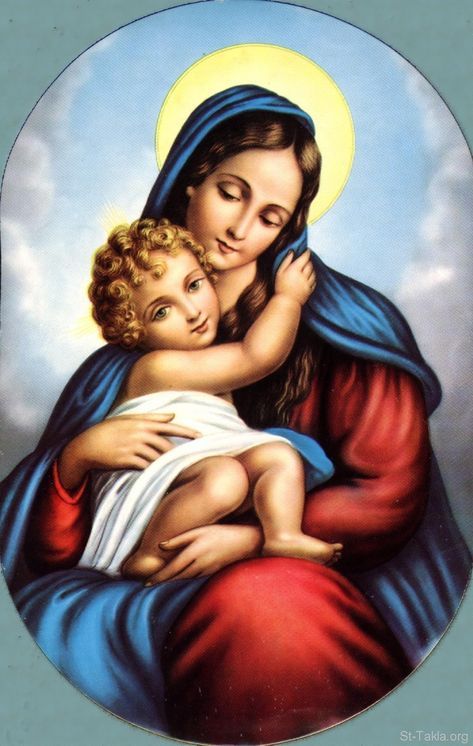
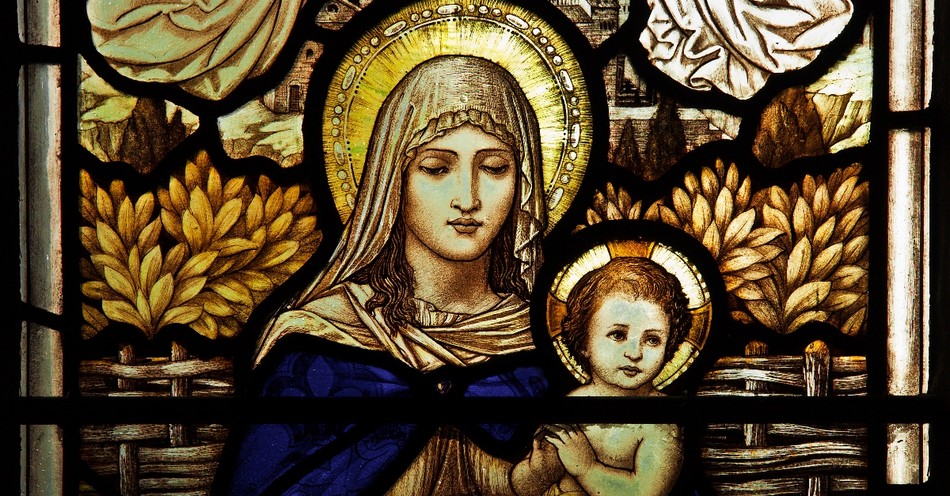
Mary's maternal care extends not only to Jesus but to all of God's children. Just as she nurtured and protected Jesus, she continues to intercede for us and offer her motherly love and care. πΊ
In the Gospel of John, we witness Mary's concern for others when she accompanies Jesus to the wedding at Cana. When the wine runs out, she turns to Jesus and says, "They have no wine." Despite Jesus initially responding, "Woman, what does this have to do with me?" Mary's faith and trust in her son lead her to tell the servants, "Do whatever he tells you" (John 2:3-5). This demonstrates her unwavering love and concern for those in need. π§
According to the Catholic Catechism, Mary's maternal role is not limited to her earthly life but continues in heaven. She is described as the "Mother of the Church" and the "Mother of all the living." This highlights her role as our spiritual mother, who intercedes for us and helps us grow in our relationship with God. π
Throughout history, numerous saints and spiritual leaders have looked to Mary as a source of inspiration and guidance. St. Louis de Montfort, a French priest, wrote extensively about Mary's role in our spiritual lives. He said, "Mary is the safest, easiest, shortest, and most perfect way of approaching Jesus." πΉ
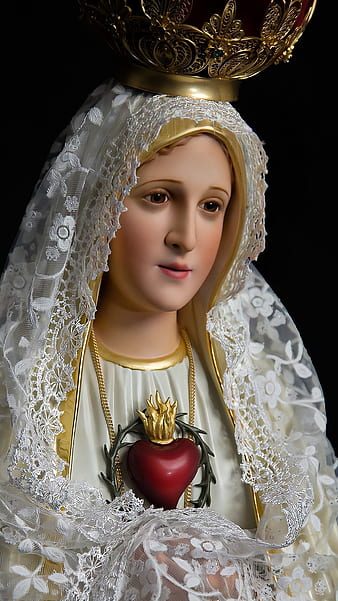
Mary's maternal care can be seen in various Marian apparitions, where she has appeared to individuals, offering them comfort, guidance, and messages of hope. Examples include Our Lady of Lourdes, Our Lady of Guadalupe, and Our Lady of Fatima. These apparitions serve as a reminder of Mary's love and concern for all of humanity. π
Mary's maternal care is not limited to Catholics alone. Christians from various denominations also hold her in high esteem, acknowledging her unique role as the Mother of God. π
The Catholic Church teaches that Mary is our advocate and mediator before God. Just as a child may turn to their mother for support and help, we can turn to Mary with our prayers and seek her intercession. Her love and care for us are boundless. π
In the Book of Revelation, Mary is depicted as the "woman clothed with the sun," representing her role as the Queen of Heaven. This image signifies her exalted position in the heavenly realm as she reigns alongside her divine Son. β¨
It is important to emphasize that Mary's intercession does not replace our direct relationship with Jesus. Instead, she leads us closer to Him, guiding us in our spiritual journey. As the Catechism of the Catholic Church states, "Mary's role in the Church is inseparable from her union with Christ and flows directly from it" (CCC 964). πΉ
Mary's maternal care is a gift to all of God's children. Just as a loving mother cares for and protects her children, Mary does the same for us. We can turn to her with confidence and trust, knowing that she will intercede for us before her Son, Jesus. π
In conclusion, Mary's maternal care for all of God's children is a beautiful aspect of our faith. Her love, compassion, and intercession are truly remarkable. As a Christian Catholic, I encourage you to embrace Mary as your spiritual mother and seek her guidance and protection. How do you personally relate to Mary's maternal care? Share your thoughts and opinions below! π
Updated at: 2023-08-05 13:19:28 (2 years ago by Melkisedeck Leon Shine)
Understanding the Doctrine of Mary as Co-Redemptrix
π Introduction: The Doctrine of Mary as Co-Redemptrix is a belief held by many Roman Catholics that recognizes the unique role of the Virgin Mary in the redemption of humanity alongside Jesus Christ, her divine Son. It is a beautiful and profound teaching that deserves our attention and understanding.
π Mary, the Mother of God: As Catholics, we believe that Mary, the blessed Virgin, was chosen by God to be the mother of Jesus Christ. The Bible tells us that she conceived through the power of the Holy Spirit and gave birth to the Son of God, without losing her virginity. This miraculous event highlights the unique and special role she played in salvation history.
π Biblical Examples: Throughout the Bible, we find instances that point to Mary's significance as the co-redeemer. In the book of Genesis, God promises that the "woman" will crush the head of the serpent, foreshadowing Mary's role in defeating sin and evil through her obedience to God's plan. Additionally, at the wedding at Cana, Mary intercedes for the couple and prompts Jesus to perform his first miracle, symbolizing her intercessory power.
ποΈ Mary's Fiat: One of the most powerful moments in Mary's life is her response to the angel Gabriel when she accepts God's will, saying, "Behold, I am the handmaid of the Lord; let it be to me according to your word" (Luke 1:38). This humble and obedient "yes" opened the door for our salvation and demonstrated Mary's cooperation in the divine plan of redemption.
π Co-Redemptrix and Mediatrix: The title "Co-Redemptrix" does not imply that Mary shares in the divine nature of redemption, but rather recognizes her unique cooperation in the redemptive work of Christ. It signifies her intimate participation in the sufferings of her Son, particularly at the foot of the cross. In a similar vein, the title "Mediatrix" acknowledges Mary as the channel through which all graces flow to humanity.
πΉ Mary as the New Eve: Just as the first Eve played a significant role in the fall of humanity, Mary, the new Eve, played a crucial role in our redemption. She is often referred to as the "New Eve" because her obedience to God's will reversed the disobedience of the first woman, thus opening the way for our salvation. This connection further highlights her role as a co-redeemer.
π Catechism of the Catholic Church: The Catechism states, "Mary's cooperation in the work of redemption is made manifest from the time of the virginal conception of her Son to his death" (CCC 968). This official teaching of the Church emphasizes Mary's indispensable role in the salvation of mankind.
π Saints and Church Fathers: Many saints and Church Fathers have recognized and written about Mary's role as Co-Redemptrix. St. Alphonsus Liguori, a Doctor of the Church, wrote extensively on this topic, highlighting Mary's sufferings and her united offering with Jesus on the cross. Similarly, St. John Paul II referred to Mary as the "Co-Redemptrix" on multiple occasions.
π Bible Evidence: In John's Gospel, Jesus entrusts the care of his beloved disciple to Mary, saying, "Woman, behold, your son!" And to the disciple, "Behold, your mother!" (John 19:26-27). This moment signifies that Mary is not only the mother of Jesus but also the mother of all believers, emphasizing her role in our spiritual journey.
πΉ Mary's Compassion: Mary's compassion for humanity was evident throughout her life, but it shone most brightly at the foot of the cross. As she witnessed the agony and suffering of her Son, she endured immense pain herself. Mary's heart was united with Jesus in his redemptive sacrifice, making her a true co-redeemer.
π Biblical Connection: The book of Revelation describes a woman who gives birth to a child who will rule all nations with a rod of iron (Revelation 12:5). Many theologians interpret this passage as referring to Mary and Jesus. This connection further supports the belief in Mary's role as Co-Redemptrix.
βͺ Marian Devotion: Understanding the Doctrine of Mary as Co-Redemptrix should not overshadow our devotion to Jesus Christ. Instead, it should enhance our understanding of the role Mary played in our salvation and deepen our appreciation for her as our loving Mother.
π Intercessory Power: As Co-Redemptrix, Mary has a special intercessory power before her Son. Just as she interceded at the wedding at Cana, she continues to intercede for us today, presenting our prayers and needs to Jesus, who is always attentive to his mother's requests.
π Conclusion: The Doctrine of Mary as Co-Redemptrix is a rich and beautiful teaching that illuminates Mary's role in our salvation. By understanding and embracing this doctrine, we grow in our love and appreciation for the Mother of God, who lovingly cooperated with God's plan for our redemption.
π What are your thoughts on the Doctrine of Mary as Co-Redemptrix? Do you find it a meaningful and significant aspect of your faith? Share your perspectives and experiences in the comments below.
Updated at: 2025-06-05 14:50:55 (9 months ago by Melkisedeck Leon Shine)
```htmlThis article explores the multifaceted role of Mary within the theological framework of salvation history, employing key concepts from Catholic theology and relevant biblical interpretations. We will define key terms such as "economy of salvation," "intercession," and "Marian devotion" to establish a clear understanding of the subject matter.
Defining Key Concepts: The "economy of salvation" refers to God's plan of redemption, encompassing creation, the fall, the incarnation, Christ's ministry, death and resurrection, and the ultimate consummation of all things. "Intercession" describes the act of pleading on behalf of another, while "Marian devotion" encompasses various practices and beliefs centered on the veneration of Mary, mother of Jesus.
Mary's pivotal role in the economy of salvation stems from her unique status as the Theotokos, the God-bearer (Luke 1:43). This designation, established within the early Church, signifies her unparalleled participation in God's redemptive plan. The Annunciation narrative (Luke 1:26-38) exemplifies her complete submission to God's will ("fiat"), positioning her as the quintessential model of faith and obedience. This act of obedience, interpreted through the lens of theosis (deification), highlights her active cooperation in the Incarnation, initiating the process of humanity's reconciliation with God.
Mary's unwavering faith, as demonstrated in her acceptance of the Angel Gabriel's message, serves as a powerful example for believers. This resonates with the concept of "kenosis," or self-emptying, which Christ himself embodied. Mary's self-emptying surrender to God's plan directly parallels Christ's sacrifice, highlighting her crucial role in the redemptive process. Further, understanding Mary through the lens of typology reveals her as the "New Eve," contrasting the disobedience of Eve that led to the fall with Mary's obedience which facilitated humanity's redemption. This understanding aligns with the soteriological model that emphasizes the restoration of the broken relationship between God and humanity.
Catholic theology posits Mary's continued intercession on behalf of humanity. This is based on her ongoing communion with God and her intimate relationship with Jesus. Her intercession is not a substitution for personal prayer or a bypassing of Christ's mediatorial role; rather, it is a reflection of her ongoing maternal concern for humanity. This theological perspective resonates with the concept of "communion of saints," highlighting the interconnectedness of believers in their shared journey toward salvation. The various forms of Marian devotion, such as the Rosary and other Marian prayers, are understood as expressions of this belief and acts of spiritual communion with Mary.
Mary's role extends beyond her earthly life, culminating in her heavenly coronation as the Queen of Heaven (Revelation 12:1). This title, though symbolic, emphasizes her exalted position in the eschatological vision of the Church. Her presence in heavenly glory underscores the ultimate triumph of God's plan, emphasizing the complete restoration of creation and the eternal communion of the redeemed. This aligns with the ecclesiological understanding of the Church as the Mystical Body of Christ, with Mary occupying a place of honor within this heavenly community.
It is crucial to distinguish between the veneration of Mary and the worship of God. Catholic tradition unequivocally reserves worship for God alone; the veneration of Mary is an act of profound respect and honor given to the mother of God and a key figure in salvation history. This aligns with the principle of latria (worship due to God alone) and dulia (veneration accorded to saints and angels). This distinction is essential for maintaining the correct theological perspective on Maryβs role.
Maryβs role in the economy of salvation is a complex and deeply significant theological topic. Her unwavering faith, obedience, and active participation in God's redemptive plan make her a central figure in Catholic theology. Understanding her role allows for a richer appreciation of God's love and the power of human cooperation in God's grace. Future research could explore the comparative theological perspectives on Mary's role across different Christian denominations and investigate the evolving interpretations of Marian devotion throughout history. The emphasis should always remain on Jesus Christ as the ultimate source of salvation, with Mary's role being understood within the context of Christ's redemptive work.
Reader Pool: How might a deeper understanding of Mary's role within the systematic theology of salvation impact contemporary pastoral practice and spiritual formation?
```
Updated at: 2023-08-05 13:19:24 (2 years ago by Melkisedeck Leon Shine)
Mary's Perpetual Virginity: A Sign of God's Presence
ππ
In the Christian faith, the Virgin Mary holds a special place of reverence and admiration. She is known as the Mother of God, the woman chosen by God to give birth to His Son, Jesus Christ. However, it is not only her role as a mother that sets her apart, but also her perpetual virginity. Mary, unlike any other woman in history, remained a virgin before, during, and after the birth of Jesus. This unique aspect of her life is not only a testament to her purity and holiness, but also a sign of God's abiding presence in her life.
The Gospel of Matthew tells us that Mary was a virgin when she conceived Jesus by the Holy Spirit. This miraculous event was foretold by the prophet Isaiah: "Behold, a virgin shall conceive and bear a son, and his name shall be called Emmanuel" (Matthew 1:23). Mary's virginity before the birth of Jesus fulfilled this prophecy.
The Gospel of Luke narrates the Annunciation, when the angel Gabriel appeared to Mary and said, "Hail, full of grace, the Lord is with you" (Luke 1:28). Mary's response to the angel reflects her commitment to God's plan: "How can this be, since I have no relations with a man?" (Luke 1:34). Her question affirms her virginity and her dedication to remaining pure.
The Catechism of the Catholic Church teaches that Mary's perpetual virginity is a sign of her total consecration to God. It states, "The deepening of faith in the virginal motherhood led the Church to confess Mary's real and perpetual virginity even in the act of giving birth to the Son of God" (CCC 499).
Mary's perpetual virginity is also affirmed in the early Christian writings. The Protoevangelium of James, a second-century apocryphal Gospel, describes Mary as a consecrated virgin who dedicated her life to God from a young age. This text was widely accepted by the early Church as a source of inspiration and devotion.
The veneration of Mary's perpetual virginity is not only a Catholic belief but is also shared by other Eastern Orthodox and Oriental Orthodox churches. This unity in belief speaks to the universal understanding of Mary's unique role in salvation history.
Some may question why Mary's perpetual virginity is significant. To fully understand its importance, we must look beyond the physical aspect and focus on its spiritual symbolism. Mary's perpetual virginity represents her undivided and exclusive devotion to God. She remained pure in body, mind, and spirit, fully dedicated to fulfilling God's will in her life.
Mary's perpetual virginity is a sign of her exceptional holiness. She was chosen by God to give birth to the Savior of the world, and her virginity serves as a testament to her purity and righteousness. Just as the Ark of the Covenant housed the presence of God in the Old Testament, Mary, as the Ark of the New Covenant, carried within her womb the Son of God Himself.
The perpetuity of Mary's virginity is also a reflection of the unchanging nature of God. Just as God is eternal and unchangeable, so too is Mary's virginity. It is a sign of the divine presence and a reminder of God's faithfulness and constancy.
The early Church Fathers, such as St. Augustine and St. Jerome, upheld and defended Mary's perpetual virginity. They saw it as a sign of her unique and unparalleled role in salvation history. St. Augustine, in particular, wrote, "Mary is the only one who has merited to be called both virgin and mother" (Sermon 186).
The perpetual virginity of Mary also points to the sacredness of marital intimacy. By remaining a virgin, Mary shows us the sanctity of preserving one's purity and the importance of embracing the gift of sexuality within the boundaries of marriage.
The perpetual virginity of Mary deepens our understanding of her as the Mother of God. It emphasizes her spiritual motherhood, which extends beyond the physical act of giving birth. Mary's virginity is a sign of her complete surrender to God's will and her role as the spiritual mother of all believers.
Mary's perpetual virginity is a sign of her total consecration to God. She presents herself as a model of discipleship and an example of living a life of faith, obedience, and selflessness. Her virginity serves as an invitation for us to deepen our own commitment to God and to embrace the call to holiness in our lives.
The perpetual virginity of Mary also highlights the importance of purity of heart and soul. It reminds us of the need to guard our thoughts, desires, and actions, and to keep our hearts focused on God. Just as Mary's virginity signified her undivided devotion to God, so too should we strive for purity in all areas of our lives.
Mary's perpetual virginity is a sign of God's abiding presence in her life. It is a reminder that God chooses to dwell among us and work through us, transforming our lives and using us as instruments of His grace and mercy. Mary's virginity serves as a beacon of hope and a symbol of God's unwavering love for humanity.
As we reflect on the perpetual virginity of Mary, let us ponder the significance of this divine mystery in our own lives. How does it challenge us to embrace purity and holiness? How does it inspire us to deepen our relationship with God? And how does it remind us of God's constant presence in our journey of faith? Share your thoughts and insights below. ππ
What is your opinion on the perpetual virginity of Mary? How does it impact your understanding of her role in salvation history?
Updated at: 2025-06-23 12:50:15 (9 months ago by Melkisedeck Leon Shine)
```htmlThis essay examines the pivotal role of Mary, the Mother of God, within Catholic theology, focusing on her significance in restoring humanity's relationship with the divine. Key concepts such as the Immaculate Conception, the concept of the New Eve, and Marian intercession will be explored through a lens of theological and historical analysis, drawing upon established theological frameworks and doctrines. We will analyze the narrative of Mary within the context of salvation history and assess its implications for contemporary faith.
The doctrine of the Immaculate Conception posits that Mary was conceived without original sin, a unique distinction amongst humanity. This concept, central to Catholic Marian theology, establishes Mary as a vessel entirely consecrated to Godβs plan. This preemptive grace, as understood within the framework of prevenient grace (the concept that God's grace precedes human action, preparing the heart for acceptance), allowed Mary to fully embrace God's will without the impediment of inherited sin. This contrasts starkly with Eve's disobedience in the Garden of Eden, which initiated humanity's estrangement from God. Mary's Immaculate Conception, therefore, provides the theological foundation for her role as the "New Eve," offering a counterpoint to Eve's transgression.
The Annunciation, the moment Gabriel announced Mary's divine motherhood, highlights the pivotal role of obedience. Mary's "fiat" β "Let it be to me according to your word" β signifies a complete surrender to God's will, a stark contrast to Eve's act of disobedience. This act of perfect obedience, understood within the framework of the theocentric model (placing God as the central focus), directly addresses the theological problem of original sin and lays the foundation for redemption. The Annunciation presents a radical shift from the fall, illustrating a path towards reconciliation with the divine through absolute obedience and faith. Applying this model practically requires a continual examination of our own obedience to God's will in daily life, recognizing that our compliance with his precepts acts as a mirror to Mary's and contributes to the restoration of our relationship with Him.
The comparison of Mary to the Ark of the Covenant, a sacred vessel holding the divine presence in the Old Testament, underscores her role as the bearer of Godβs grace. Just as the Ark symbolized God's presence among his people, Mary, through her womb, carried the incarnate Word of God, Jesus Christ. This symbolic equivalence serves to highlight Maryβs central role in the divine economy of salvation. The Visitation, where the unborn John the Baptist leaped in Elizabeth's womb upon Mary's arrival, further strengthens this concept, demonstrating the tangible outpouring of grace emanating from Mary. This resonates with the concept of sacramental theology which states that certain actions or objects become channels of divine grace.
Mary's role as intercessor, evident in episodes such as the wedding at Cana (where she interceded with Jesus to perform his first miracle), reinforces her maternal connection to humanity. This intercession is understood within the context of ecclesiology (the study of the church) in which the church acts as the mediator and acts between man and God. Similarly, Mary acts as a mediator between humankind and the grace of God, echoing the motherly concern and advocacy for her children. Her compassion and concern reflect a deep understanding of the human condition, facilitating our access to divine mercy and grace. We can model this by practicing compassion and advocacy for others as an extension of Mary's intercessory role.
The titles "Queen of Heaven and Earth" and the dogma of the Assumption highlight Mary's exalted position and the eschatological (end-times) hope she represents. Her queenship signifies her unique union with Christ and her participation in his reign. The Assumption, her bodily ascension into Heaven, serves as a powerful symbol of the ultimate triumph over death and the hope of resurrection for all believers. This aligns with the concept of theosis (divinization), which emphasizes the potential for humanity to achieve communion with God. Observing Maryβs glorified state offers believers a tangible hope for the fulfillment of Godβs promises in the afterlife. We can strive to emulate her holiness, seeing her life as a roadmap to achieving our own communion with the Divine.
Devotions like the Rosary, combined with theological affirmations found in the Catechism of the Catholic Church and the testimonies of saints, reinforce Mary's role in salvation history. The Rosary, through its meditative structure, fosters a deeper relationship with Christ and Mary, while the Catechism and saintly testimonies offer further theological insight and personal inspiration. These different methods β meditation, theological study, and hagiography β provide avenues for believers to engage with Maryβs role and its implications for their personal faith journey. This interdisciplinary approach to religious study provides a rich tapestry that enriches our understanding.
Mary's role as the New Eve transcends simple historical narrative; it constitutes a dynamic theological concept with profound implications for contemporary faith. Her obedience, intercession, and maternal care offer a powerful model for spiritual growth and a restoration of humanity's relationship with God. Further research could explore comparative religious perspectives on the concept of divine motherhood, and the psychological implications of Marian devotion. The enduring power of Mary's example challenges us to embrace a life of unwavering faith, service, and loveβa path that ultimately leads to a deeper communion with the divine.
Reader Pool: Considering the various theological perspectives presented, what are the practical implications of Mary's role as the "New Eve" for fostering a stronger relationship between individuals and their faith community?
```
Updated at: 2023-08-05 13:19:30 (2 years ago by Melkisedeck Leon Shine)
Mary, Queen of Angels: Protector and Guide π
π Introduction: As a Christian Roman Catholic, I hold a deep reverence for the Virgin Mary, the Mother of God. She is not only the mother of Jesus, but also a powerful intercessor and guide in our spiritual journey. Let us explore the role of Mary as the Queen of Angels, who lovingly protects and guides us.
πΉ Mary's Unique Role: Mary holds a special place in Christianity, as she was chosen by God to bear His Son, Jesus Christ. The Bible tells us in Luke 1:28, "Hail, full of grace, the Lord is with you!" Her unique role as the Mother of God sets her apart and gives her a special influence over the heavenly realm.
ποΈ Protectress of Souls: Mary, as the Queen of Angels, is entrusted by God with the task of protecting our souls from the snares of the enemy. Just as a loving mother shields her children from harm, Mary intercedes for us before the heavenly hosts, defending us against spiritual attacks.
π Guiding Light: In times of confusion and darkness, Mary serves as a guiding light, leading us towards her Son, Jesus. She always points us to Him, saying as she did at the wedding feast of Cana, "Do whatever He tells you" (John 2:5). Her wisdom and guidance help us navigate the challenges of life with faith and hope.
β¨ Mary's Heavenly Court: Mary, as the Queen of Angels, presides over a heavenly court of angels who are ready to assist us in our spiritual journey. Just as earthly queens have a retinue of attendants, Mary's angelic court is at her command, ready to provide guidance, protection, and comfort to those who seek her intercession.
πΏ Holy Rosary: One of the most powerful devotions to Mary is the Holy Rosary. When we pray the Rosary, we join Mary in meditating upon the mysteries of her Son's life. It is a beautiful way to honor her and seek her intercession in our lives. As Pope St. John Paul II said, "Through the Rosary, the faithful receive abundant grace, as though from the very hands of the Mother of the Redeemer."
π Miracles and Apparitions: Throughout history, Mary has appeared to various individuals and communities, bringing messages of love, hope, and conversion. These apparitions, such as Our Lady of Guadalupe or Lourdes, testify to her role as the Queen of Angels and her desire to lead us closer to God. These miracles and apparitions offer us a glimpse of Mary's love and concern for humanity.
π« Immaculate Conception: The dogma of the Immaculate Conception, proclaimed by Pope Pius IX in 1854, affirms that Mary was conceived without the stain of original sin. This unique privilege bestowed upon her by God reflects her purity and holiness, making her an ideal intercessor and guide for us as we strive for sanctity in our own lives.
πΊ Catholic Saints' Devotion: Numerous Catholic saints have had a deep devotion to Mary, recognizing her as their mother, advocate, and Queen. St. Maximilian Kolbe, known for his heroic sacrifice in the Auschwitz concentration camp, considered Mary to be the perfect instrument of the Holy Spirit and encouraged others to consecrate themselves to her.
π₯ The Flame of Love: The Flame of Love Movement, approved by the Catholic Church, emphasizes the role of Mary as the Queen of Angels and the Mediatrix of all graces. This movement encourages us to unite ourselves with Mary's intentions and to allow her to guide and transform our lives through her motherly love.
π Catechism of the Catholic Church: The Catechism affirms Mary's unique role in salvation history, stating, "By her complete adherence to the Father's will, to his Son's redemptive work, and to every prompting of the Holy Spirit, the Virgin Mary is the Church's model of faith and charity" (CCC 967). Her obedience and faithfulness serve as an example for us all.
π Biblical Examples: The Bible provides us with several instances where Mary, as the Queen of Angels, plays a significant role. In Revelation 12:1, she is depicted as a woman clothed with the sun and crowned with twelve stars, symbolizing her exalted status in Heaven. Additionally, Mary's presence at the foot of the cross (John 19:25-27) demonstrates her enduring love and compassion for humanity.
πΉ Devotion to Mary: Devotion to Mary is not worship but a special veneration given to her as the Mother of God. Through our devotion, we honor her, seek her intercession, and strive to imitate her virtues. As we draw closer to Mary, we inevitably draw closer to Jesus.
π£οΈ Follow-up questions: How has your relationship with Mary influenced your spiritual journey? Have you experienced the guidance and protection of Mary in your life? How do you incorporate devotion to Mary into your daily prayers?
π Conclusion: Mary, Queen of Angels, holds a significant place in the hearts of Christians. As a loving mother, protectress, and guide, she intercedes for us before the heavenly court. Let us embrace her maternal love, seek her guidance, and honor her as we journey towards our ultimate goal of eternal life with God. May Mary, the Queen of Angels, bless and protect us always!
Updated at: 2023-08-05 13:20:22 (2 years ago by Melkisedeck Leon Shine)
Mary, Our Mediatrix with Christ: A Source of Grace β¨π
Introduction: Welcome, dear readers, to this uplifting exploration of the role of Mary, Our Mediatrix with Christ. As Christians, we hold Mary, the Mother of God, in the highest regard. Her unique and cherished position in our faith is a source of immense grace and blessings. Let us delve into the depths of this beautiful relationship between Mary and Christ, discovering the spiritual treasures it holds. πΉποΈ
Mary, the Mother of God: In Luke 1:43, Elizabeth refers to Mary as "the mother of my Lord." This Biblical affirmation reinforces the understanding that Mary gave birth to Jesus, the Son of God, and no other children. It is through her divine motherhood that she becomes a powerful intercessor for us with her Son. ππ
The Role of a Mediatrix: According to the Catechism of the Catholic Church (CCC 970), "Mary's function as mother of men in no way obscures or diminishes this unique mediation of Christ but rather shows its power." Mary, as our Mediatrix, is not a rival to Christ but rather a means through which His grace flows abundantly into our lives. ππ«
Examples from the Bible: Throughout the Scriptures, we find numerous instances where Mary's intercession brings forth blessings. At the wedding feast of Cana (John 2:1-12), she intercedes for the couple, prompting Jesus to perform His first public miracle. This shows us that Mary's intercession has the power to influence Christ's actions on our behalf. π·π
The Rosary and Mary's Mediation: The Rosary, a cherished Catholic devotion, highlights Mary's role as our Mediatrix. As we recite the Hail Mary, we ask for her intercession, seeking her powerful aid in bringing our intentions before her Son. Through the Rosary, we deepen our relationship with Mary and open ourselves to the abundant graces she brings. πΏπΉ
The Saints' Testimony: Many saints throughout history have fervently embraced Mary's role as our Mediatrix. St. Louis de Montfort, known for his profound devotion to Mary, wrote, "It was through the Blessed Virgin Mary that Jesus came into the world, and it is also through her that he must reign in the world." The saints' witness reinforces the importance of this special relationship. πβοΈ
Christian Perspective: As Roman Catholics, we honor Mary, Our Mediatrix, in line with our Christian perspective. By acknowledging her intercessory role, we recognize the fullness of God's plan for our salvation. Mary's cooperation with God's will exemplifies the perfect model of faith and trust. She leads us closer to Christ, guiding us on our spiritual journey. ππ₯
The Assumption of Mary: The Assumption of Mary, another essential Catholic belief, confirms her unique position as the Mother of God. In this dogma, we affirm that Mary was taken up, body and soul, into heavenly glory at the end of her earthly life. This extraordinary event is a testament to her special relationship with Christ, granting her unparalleled access to His graces. ππ
Our Loving Mother: Through her maternal love, Mary cares for us as her children. Just as Jesus entrusted John to her care at the foot of the cross (John 19:27), she embraces each one of us with tenderness and compassion. Mary desires to draw us closer to Christ, guiding us towards His mercy and love. ππΉ
The Church's Teachings: The Catholic Church, through its teachings, consistently upholds the role of Mary as our Mediatrix. In the words of Pope St. John Paul II, "Mary is present in the Church as the Mother of Christ, and at the same time as that mother whom Christ, in the mystery of the Redemption, gave to humanity." The Church encourages us to seek her intercession. πβͺ
The Power of the Hail Mary: Each time we pray the Hail Mary, we invoke Mary's intercession and open ourselves to the abundant graces she brings. This powerful prayer encapsulates the mystery of Mary's role as our Mediatrix, and it is a beautiful way to express our love and trust in her. πΉπ«
Our Personal Relationship: As we grow in our devotion to Mary, Our Mediatrix, we develop an intimate and personal relationship with her. She understands our struggles, joys, and deepest desires. Just as a loving mother listens to her children's needs, Mary listens to our prayers and intercedes for us before her Son. πΊπ
Mary's Fiat: The words of Mary's fiat, her "yes" to God's plan (Luke 1:38), echo through the ages. Her profound surrender and willingness to be God's vessel of grace for humanity inspire us to embrace our own calling with humility and trust. Mary's example teaches us how to live in complete surrender to God's will. πβ¨
The Ultimate Goal: Ultimately, our devotion to Mary, Our Mediatrix, should lead us to a deeper union with Christ. She constantly points us towards Him, desiring that we encounter His love and mercy. Mary's role as our Mediatrix draws us closer to the heart of Jesus, where we find true peace, joy, and salvation. πΊποΈ
Conclusion and Your Opinion: Dear friends, we have journeyed together in understanding and appreciating Mary, Our Mediatrix with Christ. As Christians, let us embrace her role in our spiritual lives, seeking her intercession and grace. Now, we would love to hear your opinion. How has Mary, Our Mediatrix, influenced your spiritual journey? Share your thoughts and experiences in the comments below. May the grace of Mary, Our Mediatrix, be with you always. ππβ¨
Updated at: 2025-06-19 15:28:59 (9 months ago by Melkisedeck Leon Shine)
Mary's Queenship: A Christocentric Examination of Marian Theology in the Catholic Tradition
Introduction
The Virgin Mary occupies a position of singular veneration within Roman Catholicism. This article undertakes a comprehensive theological analysis of Mary's elevated status, focusing particularly on the concept of her queenship. We will explore the scriptural foundations, doctrinal evolution, and spiritual implications of Marian queenship, employing established theological frameworks. Key concepts, including Marian doctrines (Immaculate Conception, Perpetual Virginity, Assumption), Christology (the study of Jesus Christ), and intercessory prayer, will be defined and applied within a historical and systematic theological context. The analysis will utilize systematic theology, a method that seeks to synthesize biblical teachings, tradition, and reason to build a coherent and comprehensive understanding of faith. This systematic approach contrasts with other methods, such as historical theology, which focuses primarily on the historical development of doctrine, or biblical theology, which derives its understanding exclusively from scripture.
1. The Theotokos and the Incarnation: Foundational Christology
The Council of Ephesus (431 CE) formally declared Mary "Theotokos," meaning "God-bearer." This christological affirmation, central to understanding Mary's unique role, underscores her participation in the Incarnation. The councilβs decision exemplifies the application of conciliar processesβa vital mechanism within the Catholic Church for clarifying and solidifying theological tenetsβin resolving disputes and establishing doctrinal consensus. This process highlights the importance of reasoned discourse and scriptural exegesis in the formulation of official Church teaching. Applying this to modern contexts, the principle of conciliarity emphasizes the need for collaborative, well-reasoned theological dialogue in contemporary discussions of faith and doctrine.
2. Perpetual Virginity: A Theological Interpretation of Scriptural Texts
The doctrine of Mary's perpetual virginity, while not explicitly detailed in all biblical passages, is a deeply held belief within the Catholic Church. This belief signifies her purity and holiness, emphasizing her role as the chosen instrument of God's Incarnation. The application of this doctrine demonstrates how theological tradition and hermeneutical interpretation build upon and extend scriptural accounts. Different interpretive lensesβsome emphasizing the literal understanding of Matthew 1:25, others focusing on symbolic interpretations of the textβillustrate the complexities of scriptural interpretation and its role in shaping doctrinal developments. This necessitates a robust understanding of hermeneutical principles to navigate diverse interpretations within the Church.
3. Mary as the New Eve: Typological Interpretation and Redemption
The comparison of Mary to Eve offers a powerful typological lens for understanding her role in salvation history. Where Eve's disobedience initiated the Fall, Mary's obedience at the Annunciation, signified by her "fiat," reversed this trajectory through the Incarnation of Christ. This application of typology, an interpretive method identifying parallels between Old and New Testament figures, underscores the redemptive work of Christ, with Mary acting as a pivotal mediating figure. Understanding this typology requires a deep familiarity with both Old and New Testament narratives, allowing for a nuanced appreciation of the connections and contrasts between Eve and Mary. This typological analysis provides a rich framework for understanding the narrative arc of salvation history.
4. The Assumption: Eschatological Implications and Marian Glory
The dogma of the Assumption (1950), asserting Mary's bodily ascension into heaven, is rooted in early Christian tradition and finds resonance with the resurrection of Christ. This doctrine elevates Mary to unparalleled glory and prefigures the ultimate destiny of all believers. This illustrates how theological reflection, guided by tradition and scripture, leads to the development of new doctrines that further elucidate the Church's understanding of faith. The declaration of this dogma by papal authority exemplifies the hierarchical structure of the Catholic Church and its role in defining and clarifying theological concepts to foster doctrinal unity and consistency.
5. Marian Queenship: Intercession and Advocacy
The title "Queen of Heaven and Earth" reflects Mary's exalted position and her role as intercessor for humanity. This builds upon the understanding of Mary's participation in the economy of salvation. The analogy of a queen interceding for her people offers a relatable framework for comprehending Mary's role as advocate before her Son. While the analogy provides accessibility, it does not diminish the transcendent nature of her queenship; instead, it exemplifies the creative application of theological communication strategies to convey complex truths effectively. This highlights the importance of effective communication in theological discourse.
6. Marian Piety and the Saints: A Sociological and Anthropological Perspective
The profound devotion to Mary demonstrated by countless saints underscores her impact on the spiritual lives of believers. This fervent piety offers a rich sociological and anthropological lens through which to understand the development and impact of Marian theology within the context of religious practice. Analyzing the lived experiences and expressions of faith of these saints provides valuable insight into the cultural and historical contexts shaping Marian devotion and its enduring influence on individual piety and communal worship. This approach demonstrates the application of interdisciplinary methodologies to theological inquiry.
7. Mary as Spiritual Mother: A Bond of Spiritual Maternity
Jesus' entrustment of Mary to John at the crucifixion ("Woman, behold your son!β¦ Behold your mother!") establishes her spiritual motherhood extending to all believers. This maternal role fosters a deep spiritual connection between Mary and the faithful. This interpretation, born from careful biblical exegesis and theological reflection, expands our understanding of Maryβs enduring role in the lives of believers. This concept of spiritual motherhood has profound implications for understanding the relationship between the Church and its members.
8. Intercessory Power: Scriptural Examples and Theological Significance
The miracle at Cana, where Mary intercedes with Jesus, serves as a powerful example of her intercessory role. This event provides a model for the faithful, highlighting the efficacy of prayer and the importance of seeking Mary's intercession. The use of this scriptural narrative reinforces the importance of applying concrete biblical examples to illustrate abstract theological concepts and making them more accessible and relatable for believers.
Conclusion and Recommendations
The Catholic understanding of Mary's elevated status rests firmly upon scripture, tradition, and reasoned theological discourse. This analysis has explored the multifaceted application of various theological concepts and interpretive methods in understanding her queenship. Future research could benefit from comparative studies examining diverse expressions of Marian devotion across various cultures and Christian denominations. This comparative approach will illuminate the nuanced interpretations and adaptations of Marian theology throughout history. Additionally, a deeper investigation into the efficacy, psychological impact, and theological implications of Mary's intercessory role within the context of prayer and faith would yield valuable insights. These research endeavors require a sensitive and nuanced approach, balancing theological precision with pastoral considerations.
Reader Pool:
How can a comprehensive understanding of Mary's role within Catholic theology contribute to a more nuanced and effective approach to contemporary pastoral care and spiritual direction?
Updated at: 2023-08-05 13:19:59 (2 years ago by Melkisedeck Leon Shine)
The Magnificence of Mary's Perseverance and Faith π
Mary, the Mother of God, exemplifies the true meaning of perseverance and unwavering faith. πΉ Despite facing numerous challenges and trials throughout her life, she remained steadfast in her devotion to God and her trust in His plan.
One of the greatest examples of Mary's faith and perseverance can be seen in her acceptance of the divine message from the angel Gabriel, who announced that she would conceive a child who would be the Son of God. Despite the confusion and fear that this news may have brought, Mary humbly accepted her role as the Mother of Jesus. π
Throughout her life, Mary faced various hardships, including witnessing the crucifixion of her beloved son. Despite the immense pain and sorrow she must have felt, Mary's faith never wavered. She stood at the foot of the cross, offering her support and love until the very end. π
In the Gospel of Luke, when Mary visited her cousin Elizabeth, she proclaimed a beautiful song of praise, known as the Magnificat. In this song, Mary expresses her deep faith, proclaiming, "My soul magnifies the Lord, and my spirit rejoices in God my Savior" (Luke 1:46-47). Her words are a testament to her unwavering trust in God's plan and His faithfulness. πΆ
Mary's perseverance and faith are also evident in her journey to Bethlehem while heavily pregnant with Jesus. Despite the difficult conditions and the lack of a proper place to give birth, Mary remained steadfast in her trust that God would provide. This shows her complete surrender to His will and her unwavering faith in His guidance. π
The Catholic Church, in the Catechism, teaches that Mary is the "most excellent exemplar" of faith and perseverance (CCC 967). Her life serves as a model for all Christians, encouraging us to trust in God's plan, even in the face of adversity. π
We can also turn to the lives of the saints who held Mary in high regard. Saint Maximilian Kolbe, a well-known Catholic saint, once said, "Never be afraid of loving the Blessed Virgin too much. You can never love her more than Jesus did." This quote beautifully captures the devotion and love that Christians have for Mary. π
The Bible provides further evidence of Mary's unique role as the Mother of God. In the Gospel of John, while hanging on the cross, Jesus entrusted Mary to the care of His beloved disciple, saying, "Woman, behold your son" (John 19:26). This moment signifies Mary's universal motherhood and her spiritual role in the life of every Christian. π
Mary's faith and perseverance were not limited to her earthly life but extended to her Assumption into heaven. Pope Pius XII stated in his Apostolic Constitution, "Mary, the Immaculate Perpetual Virgin Mother of God, after the completion of her earthly life, was assumed body and soul into the glory of heaven." This belief in the Assumption of Mary further emphasizes her unique and magnificent role in salvation history. β¨
In the Catholic tradition, Mary is venerated as the Mother of God and the Queen of Heaven. This devotion is not worship but rather an acknowledgment of her special place in God's plan for humanity. As Catholics, we honor Mary for her faith, perseverance, and her willingness to say "yes" to God's call. πΉ
Mary's faith and perseverance continue to inspire countless Christians around the world. Her example teaches us to trust in God's plan, even when we face challenges and difficulties in our own lives. Mary invites us to surrender ourselves to God's will and rely on His strength to overcome any obstacles we may encounter. π
As we reflect on the magnificence of Mary's perseverance and faith, we can ask ourselves, "How can we emulate her in our own lives? How can we deepen our trust in God and remain steadfast in our faith, just as Mary did?" These questions challenge us to examine our own spiritual journey and seek ways to grow closer to God. π»
Let us take a moment to ponder the words of the Apostle Paul, who wrote in his letter to the Hebrews, "Let us run with perseverance the race marked out for us, fixing our eyes on Jesus, the pioneer, and perfecter of faith" (Hebrews 12:1-2). By imitating Mary's perseverance and faith, we can run this race of life with confidence and hope. πββοΈπββοΈ
So, dear friends, let us turn to Mary, our Mother in heaven, and seek her intercession and guidance. Let us ask for her help in growing in faith, perseverance, and trust in God's plan for our lives. May she lead us closer to her Son, Jesus Christ, who is the source of all strength and grace. ππ
Now, I would love to hear your thoughts. How has Mary's faith and perseverance inspired you? Do you have any personal experiences or reflections that you would like to share? Please feel free to leave a comment below and let us continue this inspiring conversation. πΉπ
Updated at: 2023-08-05 13:20:28 (2 years ago by Melkisedeck Leon Shine)
πΉMary's Intercession: Strengthening Our Prayer LifeπΉ
Introduction: In the realm of Catholic spirituality, the intercession of the Virgin Mary holds a special place. As believers, we acknowledge her unique role as the Mother of God, the one chosen by God to give birth to our Savior, Jesus Christ. π Throughout history, countless individuals have experienced the power of Mary's intercession in their prayer lives. Let us explore how turning to her can strengthen and deepen our own connection with God. π
Mary as the Mother of God: Mary's intercession is rooted in her special relationship with Jesus. She was not only Jesus' earthly mother but also the Mother of God. In Luke 1:43, Elizabeth proclaims, "And why has this happened to me, that the mother of my Lord comes to me?" This title highlights Mary's unique position as the chosen vessel of God's incarnation.
A Model of Faith: Mary's unwavering faith is an inspiration to all believers. Her "yes" to God's plan, as seen in Luke 1:38, reveals her complete trust and obedience. When we turn to Mary in prayer, we can seek her guidance in deepening our own faith and surrendering to God's will.
The Wedding at Cana: One powerful example of Mary's intercession can be found in the wedding at Cana (John 2:1-11). When the wine ran out, Mary approached Jesus and asked for His help. Through her intercession, Jesus performed His first public miracle, turning water into wine. This shows us that Mary's intercession can bring about miraculous interventions in our lives.
The Rosary: The Holy Rosary is a powerful prayer devoted to Mary. By praying the Rosary, we meditate on the life of Jesus through the eyes of His mother. In this way, Mary helps us to deepen our understanding of Christ's teachings and His saving grace. The Catechism of the Catholic Church teaches that "the Rosary is a contemplative prayer" (CCC 2708) and encourages Catholics to embrace its spiritual benefits.
Protection and Guidance: Just as a mother protects and guides her children, Mary intercedes for us in times of need. The saints have attested to her powerful intercession throughout the centuries. Saint Padre Pio once said, "When you have recourse to the intercession of the Blessed Virgin, you are praying with a Mother's heart." Trusting in Mary's intercession can bring us comfort and assurance, knowing that we are under her loving care.
Praying the Hail Mary: The Hail Mary is a prayer that many Catholics recite to seek Mary's intercession. It begins with the words of the angel Gabriel and continues with Elizabeth's greeting. By praying this prayer, we unite ourselves with the words spoken to Mary, inviting her to intercede on our behalf.
The Assumption of Mary: The Assumption of Mary, celebrated on August 15th, affirms the belief that Mary was taken body and soul into heaven. This glorious event reveals her unique role in salvation history and her continued presence among the faithful. When we ask for Mary's intercession, we can trust that she is in heaven, advocating for us before the throne of God.
The Magnificat: Mary's prayer of praise, known as the Magnificat, can inspire our own prayer life. In Luke 1:46-55, Mary magnifies the Lord for the great things He has done. By contemplating her words, we can learn to exalt God in our own prayers and acknowledge His goodness and mercy.
The Saints and Mary: Throughout history, numerous saints have had a deep devotion to Mary and experienced her powerful intercession. Saint Louis de Montfort, known for his teachings on Marian consecration, said, "When the Holy Spirit finds Mary in a soul, He hastens there and enters fully into it." The saints understood that turning to Mary deepens our connection with the Holy Spirit and strengthens our prayer life.
The Mercy of Mary: Mary's intercession is a sign of God's infinite mercy. Just as Jesus entrusted His beloved disciple John to Mary's care, He entrusts us to her maternal love. As Pope Francis once said, "Mary opens the door of mercy to us and shows us the way to reach the Heart of her Son." When we approach Mary with humility and trust, she leads us closer to Jesus and His boundless mercy.
Conclusion: In the Catholic faith, Mary's intercession plays a vital role in strengthening our prayer life. As the Mother of God and our spiritual mother, she beckons us to turn to her in times of joy, sorrow, and need. Throughout the Bible and the teachings of the Church, we find ample evidence of her powerful intercession. By inviting Mary into our prayer life, we can experience a deeper connection with God and a strengthening of our faith. So, dear reader, what are your thoughts on seeking Mary's intercession? How has her intercession impacted your prayer life?