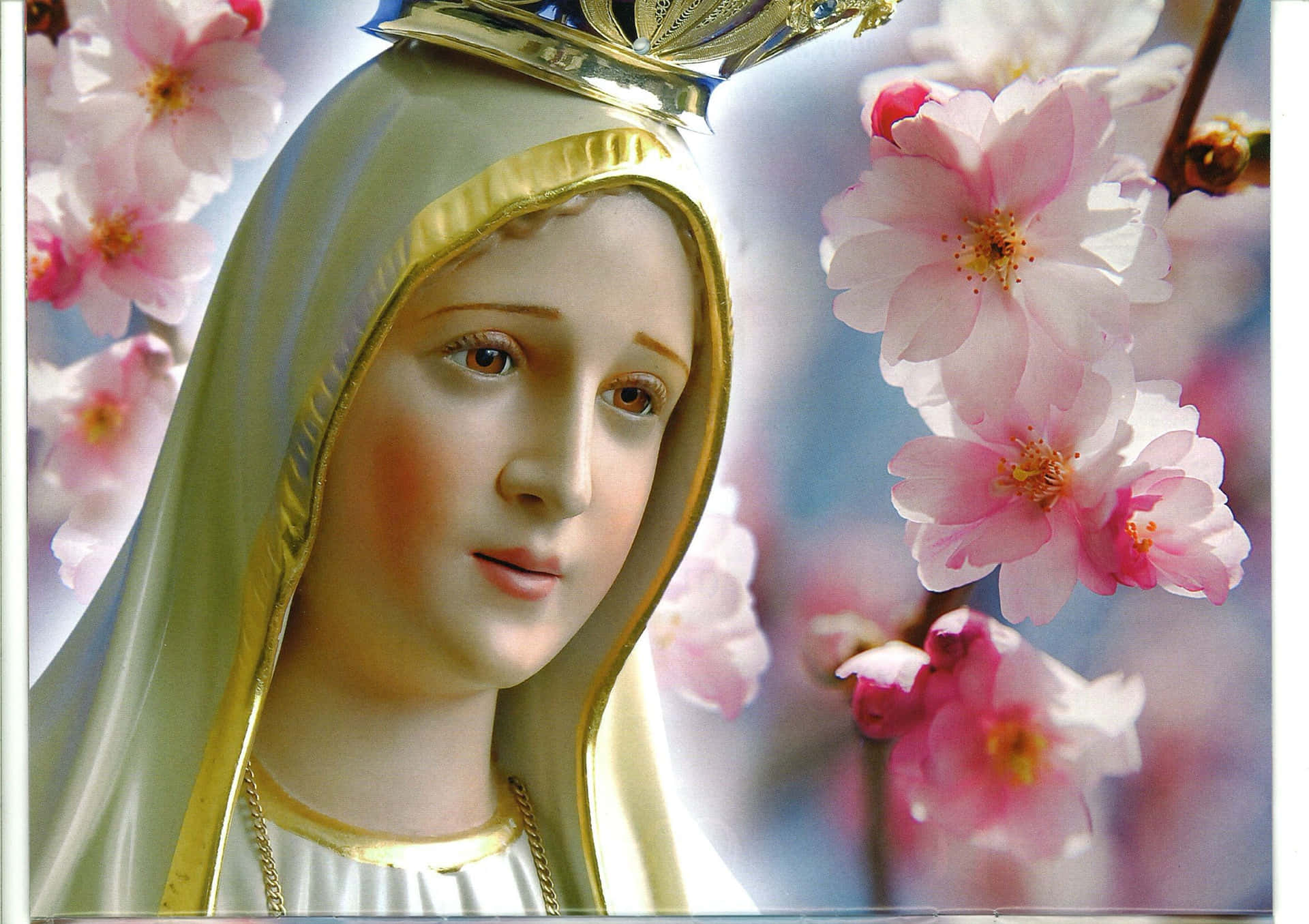
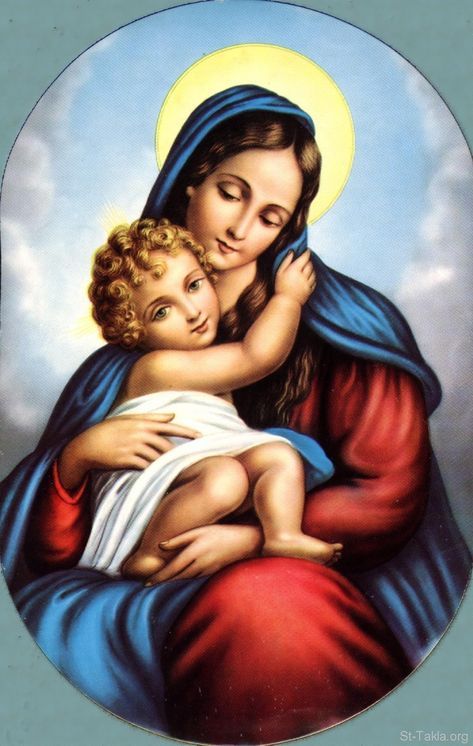
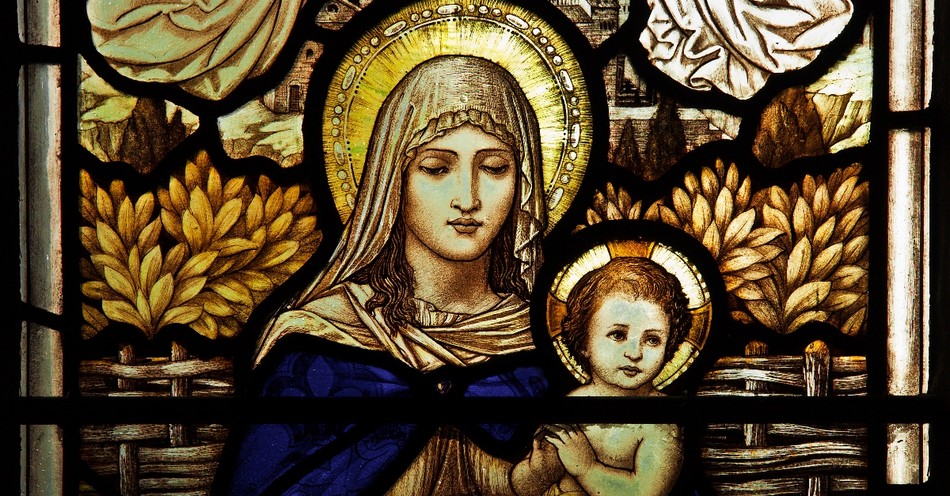
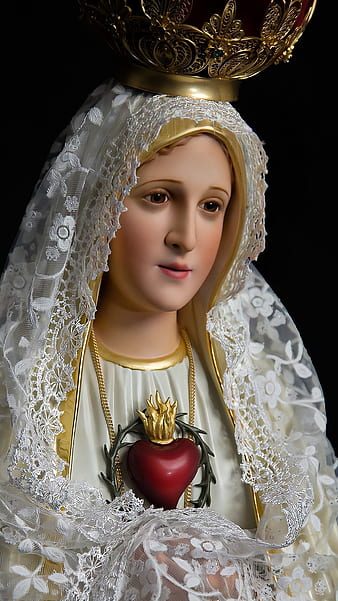
The Blessed Virgin Mary: A Channel of God's Grace
Updated at: 2023-08-05 13:19:31 (2 years ago by Melkisedeck Leon Shine)
The Blessed Virgin Mary: A Channel of God's Grace
"Hail Mary, full of grace, the Lord is with thee!" These words, spoken by the angel Gabriel, forever changed the course of human history. π
The Virgin Mary, the mother of Jesus, holds a special place in the hearts of Catholics around the world. She is seen as a channel of God's grace, a vessel through which His love and blessings flow. πΉ
In the Bible, we see numerous examples of Mary's role as a channel of God's grace. From the moment of the Annunciation, when she humbly accepted God's plan for her life, to the wedding at Cana, where she interceded on behalf of the newlyweds, Mary's presence was a source of blessing. π
One of the most profound biblical examples of Mary's role as a channel of God's grace can be found in the Magnificat, her beautiful prayer of praise and thanksgiving. In Luke 1:46-55, Mary proclaims, "My soul magnifies the Lord, and my spirit rejoices in God my Savior." This prayer reminds us that Mary's faith and trust in God allowed her to be open to His grace and love. π
The Catechism of the Catholic Church teaches us that Mary is "the Mother of God" and "the model of the Church's faith." She is not only the physical mother of Jesus, but also the spiritual mother of all believers. Through her maternal intercession, she brings us closer to her son and helps us grow in holiness. πΊ
Throughout history, countless saints and theologians have recognized the important role of Mary in our spiritual journey. St. Louis de Montfort, for example, wrote extensively about Mary's role as a channel of God's grace in his book "True Devotion to Mary." He encourages us to entrust ourselves to Mary's care, knowing that she will lead us closer to Jesus. β€οΈ
The devotion to the Blessed Virgin Mary is deeply rooted in the Catholic tradition. From the earliest centuries, Christians have looked to Mary as a source of comfort, guidance, and intercession. Her gentle presence and unwavering faith are a shining example for all believers. βͺ
Mary's unique role as the Mother of God sets her apart from any other human being. She was chosen by God to be the vessel through which His Son would enter the world, bringing salvation to all. As Catholics, we deeply honor and love Mary, recognizing her as a powerful advocate and intercessor before God. π
In the words of St. Bernard of Clairvaux, a great medieval saint, "Of Mary there is never enough." This simple yet profound statement reminds us that Mary's love and grace are limitless. No matter how much we turn to her, she always has more to give. π·
The Rosary, a beloved Catholic prayer, is a beautiful way to honor and seek the intercession of the Blessed Virgin Mary. Through meditating on the mysteries of Christ's life, death, and resurrection, we unite ourselves with Mary and open our hearts to God's grace. πΏ
The Catholic Church teaches that Mary's role as a channel of God's grace is not limited to the past. She continues to intercede for us and bring us closer to her Son in the present. Just as she stood at the foot of the cross, offering her love and support to Jesus, she stands with us in our joys and sorrows today. πΉ
As Christians, we are called to imitate Mary's faith, humility, and love for God. Just as she said "yes" to God's plan for her life, we too must surrender ourselves to His will and trust in His providence. Mary shows us that through our openness to God's grace, miracles can happen. π
The devotion to Mary is not meant to detract from our worship of God, but rather to enhance it. She leads us closer to her Son, pointing us always towards Jesus. In the words of Pope Francis, "The Church is like Mary, her mother and model: a Church that is a mother, that has children, that has a mother's heart." π
In conclusion, the Blessed Virgin Mary is indeed a channel of God's grace. Her complete trust in God, her unwavering faith, and her motherly love make her a powerful intercessor on our behalf. Let us turn to her with confidence, knowing that she will guide us closer to her Son and shower us with God's abundant grace. π
What are your thoughts on the Blessed Virgin Mary as a channel of God's grace? How has her presence influenced your spiritual journey? Share your reflections and experiences in the comments below. π
Updated at: 2023-08-05 13:20:28 (2 years ago by Melkisedeck Leon Shine)
πΉMary's Intercession: Strengthening Our Prayer LifeπΉ
Introduction: In the realm of Catholic spirituality, the intercession of the Virgin Mary holds a special place. As believers, we acknowledge her unique role as the Mother of God, the one chosen by God to give birth to our Savior, Jesus Christ. π Throughout history, countless individuals have experienced the power of Mary's intercession in their prayer lives. Let us explore how turning to her can strengthen and deepen our own connection with God. π
Mary as the Mother of God: Mary's intercession is rooted in her special relationship with Jesus. She was not only Jesus' earthly mother but also the Mother of God. In Luke 1:43, Elizabeth proclaims, "And why has this happened to me, that the mother of my Lord comes to me?" This title highlights Mary's unique position as the chosen vessel of God's incarnation.
A Model of Faith: Mary's unwavering faith is an inspiration to all believers. Her "yes" to God's plan, as seen in Luke 1:38, reveals her complete trust and obedience. When we turn to Mary in prayer, we can seek her guidance in deepening our own faith and surrendering to God's will.
The Wedding at Cana: One powerful example of Mary's intercession can be found in the wedding at Cana (John 2:1-11). When the wine ran out, Mary approached Jesus and asked for His help. Through her intercession, Jesus performed His first public miracle, turning water into wine. This shows us that Mary's intercession can bring about miraculous interventions in our lives.
The Rosary: The Holy Rosary is a powerful prayer devoted to Mary. By praying the Rosary, we meditate on the life of Jesus through the eyes of His mother. In this way, Mary helps us to deepen our understanding of Christ's teachings and His saving grace. The Catechism of the Catholic Church teaches that "the Rosary is a contemplative prayer" (CCC 2708) and encourages Catholics to embrace its spiritual benefits.
Protection and Guidance: Just as a mother protects and guides her children, Mary intercedes for us in times of need. The saints have attested to her powerful intercession throughout the centuries. Saint Padre Pio once said, "When you have recourse to the intercession of the Blessed Virgin, you are praying with a Mother's heart." Trusting in Mary's intercession can bring us comfort and assurance, knowing that we are under her loving care.
Praying the Hail Mary: The Hail Mary is a prayer that many Catholics recite to seek Mary's intercession. It begins with the words of the angel Gabriel and continues with Elizabeth's greeting. By praying this prayer, we unite ourselves with the words spoken to Mary, inviting her to intercede on our behalf.
The Assumption of Mary: The Assumption of Mary, celebrated on August 15th, affirms the belief that Mary was taken body and soul into heaven. This glorious event reveals her unique role in salvation history and her continued presence among the faithful. When we ask for Mary's intercession, we can trust that she is in heaven, advocating for us before the throne of God.
The Magnificat: Mary's prayer of praise, known as the Magnificat, can inspire our own prayer life. In Luke 1:46-55, Mary magnifies the Lord for the great things He has done. By contemplating her words, we can learn to exalt God in our own prayers and acknowledge His goodness and mercy.
The Saints and Mary: Throughout history, numerous saints have had a deep devotion to Mary and experienced her powerful intercession. Saint Louis de Montfort, known for his teachings on Marian consecration, said, "When the Holy Spirit finds Mary in a soul, He hastens there and enters fully into it." The saints understood that turning to Mary deepens our connection with the Holy Spirit and strengthens our prayer life.
The Mercy of Mary: Mary's intercession is a sign of God's infinite mercy. Just as Jesus entrusted His beloved disciple John to Mary's care, He entrusts us to her maternal love. As Pope Francis once said, "Mary opens the door of mercy to us and shows us the way to reach the Heart of her Son." When we approach Mary with humility and trust, she leads us closer to Jesus and His boundless mercy.
Conclusion: In the Catholic faith, Mary's intercession plays a vital role in strengthening our prayer life. As the Mother of God and our spiritual mother, she beckons us to turn to her in times of joy, sorrow, and need. Throughout the Bible and the teachings of the Church, we find ample evidence of her powerful intercession. By inviting Mary into our prayer life, we can experience a deeper connection with God and a strengthening of our faith. So, dear reader, what are your thoughts on seeking Mary's intercession? How has her intercession impacted your prayer life?
Updated at: 2025-06-23 05:55:08 (9 months ago by Melkisedeck Leon Shine)
This essay examines the pivotal role of the Virgin Mary within the framework of Christian soteriology, employing theological concepts and principles to illuminate her significance in God's plan of salvation. Key terms will be defined to ensure clarity and precision. "Soteriology" refers to the study of salvation, encompassing the doctrines of Christ's atoning death and resurrection, and the application of this salvation to humanity. "Immaculate Conception" signifies Mary's conception free from original sin. "Perpetual Virginity" highlights Mary's virginity before, during, and after the birth of Jesus. These concepts underpin the theological analysis presented here.
Conclusions and Recommendations: This analysis demonstrates that Mary's role in salvation history is multifaceted and profoundly significant. Her unique position as the Theotokos, her unwavering faith, and her intercessory role are integral to Christian theology and devotion. Further research could explore comparative theological analyses of Marian doctrines across different Christian traditions, examining variations and commonalities in understanding Mary's significance. The application of these principles to contemporary pastoral care and spiritual formation could enhance a deeper understanding of Maryβs role as a model of faith for believers.
Reader Pool: Considering the multifaceted theological perspectives presented in this essay, what implications might a nuanced understanding of Mary's role hold for contemporary theological discourse and spiritual practices?
Updated at: 2023-08-05 13:19:19 (2 years ago by Melkisedeck Leon Shine)
Embracing the Blessings of Mary's Intercession πΉ
The Blessed Virgin Mary holds a special place in the heart of every Catholic. ππΌ She is not only the Mother of God, but also our loving mother and intercessor.
Mary's intercession is a powerful gift from God. Through her prayers, she brings our intentions before her Son, Jesus, with a mother's love and compassion. π
Just as Mary interceded for others during her earthly life, she continues to intercede for us from heaven. π Her maternal care and protection are always available to those who seek her intercession.
Biblical examples highlight the importance of Mary's intercession. In the wedding at Cana, Mary noticed the couple's need for wine and interceded on their behalf, prompting Jesus to perform his first public miracle. π·β¨
The Catechism of the Catholic Church teaches us about Mary's role as our intercessor. It states, "Mary's prayer is revealed to us at the dawning of the fullness of timeβ¦She intercedes for the community of believers, of which she is the image." (CCC 2617) π
Saints throughout history have also attested to the power of Mary's intercession. St. Alphonsus Liguori once said, "She is our refuge, our consolation, and our advocate who will never abandon us." π
Embracing the blessings of Mary's intercession allows us to experience the depth of God's love and mercy. Her intercession can bring healing, peace, and guidance into our lives. π
Mary's intercession is particularly powerful when it comes to the salvation of souls. She desires that all her children be saved and draws us closer to her Son, who is the source of our salvation. βͺοΈβ€οΈ
The Rosary is a beautiful prayer that honors Mary and invites her intercession. Through the repetition of Hail Marys, we entrust our intentions to her maternal care, knowing that she will present them to Jesus. πΏ
Mary's intercession extends to all areas of our lives, from physical healing to spiritual growth. She is a loving mother who desires the very best for her children and will intercede for us in our time of need. πΊ
The Gospel of Luke recounts the Annunciation, where Mary's "yes" to God's plan of salvation forever changes the course of history. Her intercession reminds us of the importance of surrendering to God's will and trusting in His providence. π
Mary's intercession is not meant to replace our direct relationship with God, but rather to enhance it. She helps us draw closer to her Son, guiding us on the path of holiness and leading us to eternal life. π
As Catholics, we are called to imitate Mary's faith and humility. By embracing her intercession, we acknowledge that we are in need of her prayers and seek her guidance in our journey towards holiness. π
Let us not forget that Mary is the Mother of God, the Ark of the New Covenant, and the Queen of Heaven. Her intercession is rooted in her unique role in salvation history, and her prayers hold immense power before the throne of God. ππΉ
Embracing the blessings of Mary's intercession is an invitation to deepen our relationship with her and with her Son. Through her intercession, we can experience the overflowing love and mercy of God in our lives. ππΊ
In conclusion, the blessings of Mary's intercession are a gift that every Catholic can embrace. Her love, care, and prayers can bring healing, guidance, and peace into our lives. Reflecting on her example, let us open our hearts to her intercession and trust in her maternal care. How has Mary's intercession impacted your spiritual journey? Share your thoughts and experiences in the comments below! πΉππΌ
Updated at: 2023-08-05 13:19:44 (2 years ago by Melkisedeck Leon Shine)
π Mary's Humility and Its Influence in Our Lives π
In the realm of spirituality and piety, few figures stand as revered and beloved as Mary, the Mother of God. As a devout Christian Roman Catholic, I have come to truly appreciate the profound humility exemplified by Mary in her life. It is through her unwavering humility and surrender to God's will that we can find inspiration and guidance for our own spiritual journeys. Let us explore the ways in which Mary's humility can influence and enrich our lives.
1οΈβ£ Mary's acceptance of God's plan: When the angel Gabriel announced to Mary that she would bear the Son of God, she humbly accepted this monumental task, saying, "Behold, I am the handmaid of the Lord; let it be to me according to your word" (Luke 1:38). Her willingness to submit to God's will without hesitation is a powerful example of humility.
2οΈβ£ Mary's role as the Mother of God: As Catholics, we believe that Mary was chosen by God to bear His Son, Jesus Christ. This extraordinary calling required immense humility on Mary's part, as she recognized that she was playing a vital role in God's plan for salvation. Her humility in accepting this role sets an example for us to embrace our own unique callings in life.
3οΈβ£ Mary's Magnificat: In the Gospel of Luke, Mary delivers a powerful hymn of praise known as the Magnificat. In this beautiful prayer, Mary acknowledges her lowly state and magnifies the greatness of God. Her humility is evident as she proclaims, "He has looked with favor on the lowliness of his servant" (Luke 1:48). Mary's Magnificat inspires us to humbly recognize God's blessings in our lives and offer Him praise.
4οΈβ£ Mary's presence at the foot of the Cross: One of the most poignant examples of Mary's humility is her unwavering presence at the crucifixion of Jesus. Despite witnessing the unimaginable pain and suffering of her Son, Mary remains steadfast and humble. Her willingness to endure such emotional anguish exemplifies her profound humility and unwavering faith.
5οΈβ£ Mary's intercession and humility: As Catholics, we believe in the intercession of the saints, including Mary. Mary's humility allows her to intercede on our behalf and bring our prayers to her Son, Jesus. Through her humility, she becomes a powerful advocate for us in our spiritual journey.
6οΈβ£ Mary's humility as a model for motherhood: Mary's role as a mother is a testament to her humility. She nurtured and cared for Jesus with a humble and selfless love, always putting God's will above her own desires. As mothers, we can look to Mary as a model of humility and strive to emulate her selflessness in our own lives.
7οΈβ£ Mary's humility in the face of adversity: Throughout her life, Mary faced many challenges and hardships. From the flight to Egypt to the loss of Jesus in the temple, she remained humble and faithful. Her example teaches us to embrace humility even in the midst of difficult circumstances.
8οΈβ£ Mary's humility as a source of strength: In her humility, Mary found strength in God's grace. She recognized her own weaknesses and relied on God for guidance and support. We too can find strength in humility, acknowledging our dependence on God and His infinite love for us.
9οΈβ£ Mary's humility as a path to holiness: The Catechism of the Catholic Church teaches us that humility is the foundation of prayer and the key to receiving God's grace (CCC 2559). Mary's life of humility serves as a roadmap for our own pursuit of holiness, reminding us to humbly surrender ourselves to God's will.
πΉ In conclusion, Mary's humility serves as an inspiration for Christians worldwide. Her unwavering faith and steadfast humility continue to guide and transform our lives. As we reflect on her example, let us strive to emulate her humility, surrendering ourselves to God's will and trusting in His infinite wisdom. May Mary, the Mother of God, continue to intercede for us and lead us closer to her Son, Jesus Christ. πΉ
What are your thoughts on Mary's humility and its influence in our lives? How do you personally incorporate her example into your spiritual journey?
Updated at: 2025-05-27 10:18:58 (10 months ago by Melkisedeck Leon Shine)
Mary's Elevated Role within Catholic Theology: A Marian Christological Analysis
Introduction
Within the Roman Catholic Church, the Virgin Mary holds a position of unparalleled reverence. This article examines the multifaceted theological underpinnings of Mary's elevated status, specifically focusing on the concept of her queenship, exploring its scriptural basis, doctrinal development, and its implications for Catholic spirituality. Key concepts to be addressed include Marian doctrines (such as the Immaculate Conception, Perpetual Virginity, and the Assumption), Christology (the study of Jesus Christ), and the role of intercessory prayer within the Catholic faith. These concepts will be analyzed using established theological frameworks and contextualized within the historical development of Catholic doctrine and Marian piety.
1. Mary: Theotokos and the Incarnation
The title "Theotokos," meaning "God-bearer," bestowed upon Mary at the Council of Ephesus (431 CE), is foundational to understanding her unique role. This title directly affirms the divinity of Jesus Christ, recognizing Mary as the mother of the incarnate Son of God. This christological affirmation underscores Mary's pivotal position in the divine economy of salvation. The council's decision illustrates the importance of applying conciliar pronouncements to clarify and solidify theological understandings, emphasizing the dynamic interplay between scriptural interpretation and reasoned theological discourse within the Church.
2. Perpetual Virginity: Purity and the Vessel of Grace
The doctrine of Mary's perpetual virginity, while not explicitly stated in all biblical texts, is a long-held belief in the Catholic tradition. This belief emphasizes her purity and holiness, representing her as the uniquely chosen vessel through which God entered the world. This concept demonstrates the application of tradition and theological interpretation to build upon scriptural accounts, showcasing how the Church has developed its understanding of Marian theology over centuries. Interpretations vary on how exactly Matthew 1:25 is understood and applied to this specific belief.
3. Mary as the New Eve: A Reversal of the Fall
The comparison between Mary and Eve provides a powerful theological lens for understanding Maryβs role. While Eve's disobedience initiated humanity's fall from grace, Mary's obedience through her fiat ("Let it be") at the Annunciation reversed this trajectory, bringing forth salvation through her Son. This interpretation applies the concept of typology, a method of interpreting scripture that finds parallels between Old Testament figures and events and their New Testament counterparts. This typological approach emphasizes the redemptive work of Jesus Christ, with Mary playing a crucial mediating role.
4. The Assumption: Bodily Glorification and Queenship
The dogma of the Assumption, proclaimed by Pope Pius XII in 1950, asserts Mary's bodily ascension into heaven. This doctrine, rooted in early Christian tradition and consistent with the belief in the resurrection of Christ, elevates Mary to a position of unique glory and foreshadows the ultimate destiny of all believers. This demonstrates how theological reflection, informed by tradition and scripture, leads to the development of new doctrines that further articulate and clarify the Church's understanding of faith. The declaration showcases the application of papal authority in clarifying and defining theological concepts, thereby establishing consistent doctrine across the Church.
5. Queenship: Intercession and Mediation
The title "Queen of Heaven and Earth" signifies Mary's exalted position and her role as intercessor for humanity. This concept builds on the understanding of Maryβs role in the economy of salvation. The idea of a queen interceding for her people draws parallels with earthly monarchies, illustrating a relatable analogy for Mary's role as advocate before her Son. This analogy, while providing a tangible framework, does not diminish the transcendent nature of Mary's queenship, demonstrating a creative theological approach to communicating complex theological truths.
6. Marian Devotion and the Saints: A Legacy of Piety
The deep devotion to Mary expressed by countless saints throughout Church history underscores the profound impact of her role within the spiritual lives of believers. These expressions of piety demonstrate the lived experience of Marian devotion, providing practical examples of the beliefβs influence on personal faith. Analyzing the writings and actions of the saints demonstrates a significant sociological and anthropological lens through which to understand the development and impact of Marian theology within the context of religious practice.
7. Mary as Spiritual Mother: A Maternal Bond
Jesus' entrustment of Mary to John at the crucifixion ("Woman, behold your son!β¦ Behold your mother!") suggests a spiritual motherhood that extends to all believers. This maternal role connects believers to Mary, fostering a profound spiritual connection. This shows the application of biblical interpretation and theological reflection to establish the role of spiritual motherhood within the Catholic faith, further deepening the understanding of Maryβs role in the life of the believer.
8. Intercessory Power: The Wedding at Cana and Beyond
The miracle at Cana, where Mary intercedes with Jesus, exemplifies her intercessory role. Her actions serve as a model for the faithful, illustrating the power of prayer and the importance of seeking Mary's intercession. The application of this scriptural event highlights the importance of utilizing events and imagery within scripture to illustrate and underscore theological concepts, connecting abstract theological ideas to concrete examples.
Conclusion and Recommendations
The belief in Mary's elevated role within Catholic theology is deeply rooted in scripture, tradition, and reasoned theological reflection. This analysis has demonstrated how various theological concepts and interpretative methodologies are used to understand her position as Queen of All Creation. Further research could explore the diverse expressions of Marian devotion across different cultural contexts, examining how the concept of Mary's queenship has been adapted and understood in various parts of the world. A comparative theological study exploring variations in Marian theology across different Christian denominations could provide a further insight into the unique perspectives on Maryβs role within the Catholic tradition. This study also suggests that a focus on the intercessory role of Mary may be a significant area of exploration, analyzing its efficacy, psychological impact, and its theological implications within the context of prayer and faith. The understanding and application of these concepts requires sensitivity and careful consideration, balancing theological accuracy with pastoral sensitivity.
Reader Pool:
Considering the multifaceted aspects of Mary's role explored in this article, how might a deeper understanding of Marian theology inform and enrich contemporary Catholic spirituality and practice?
Updated at: 2023-08-05 13:19:13 (2 years ago by Melkisedeck Leon Shine)
The Miraculous Power of the Virgin Mary: Mother of God
π Introduction π
Have you ever experienced the miraculous power of the Virgin Mary, the Mother of God, in your life? As a devoted Christian Roman Catholic, I have witnessed the divine intercession of Mary countless times, bringing comfort, healing, and miracles to those who seek her intercessory prayers. Let us delve into the wondrous role of the Virgin Mary in our faith and explore the profound impact she continues to have in our lives.
1οΈβ£ The Miracle of the Immaculate Conception
One of the most awe-inspiring aspects of the Virgin Mary's life is her Immaculate Conception. Unlike any other human being, she was conceived without the stain of original sin. Through this divine intervention, Mary was chosen by God to be the vessel through which His Son, Jesus Christ, would be born into the world. This immaculate conception highlights Mary's unique and exalted role as the Mother of God.
β‘οΈ "Full of grace" - Luke 1:28 β‘οΈ "Blessed are you among women" - Luke 1:42
2οΈβ£ The Annunciation: Mary's Fiat
In the Gospel of Luke, we witness the humble obedience of the Virgin Mary when the angel Gabriel appears to her, announcing that she will conceive a child by the Holy Spirit. Despite her initial confusion, Mary submits herself entirely to God's will, stating, "Behold, I am the handmaid of the Lord; let it be to me according to your word." (Luke 1:38) Mary's fiat, her "yes" to God, demonstrates her unwavering faith and trust in His plan.
3οΈβ£ The Mother of God
Mary's unique role as the Mother of God is a central tenet of our Christian faith. At the Council of Ephesus in 431 AD, the Church officially declared Mary as Theotokos, the God-bearer. This title affirms her divine motherhood and emphasizes her integral connection to the Incarnation of Jesus Christ, who is both fully human and fully divine.
β‘οΈ "...the mother of my Lord." - Luke 1:43 β‘οΈ The Catechism of the Catholic Church, paragraph 495
4οΈβ£ Mary's Perpetual Virginity
Contrary to some misconceptions, the Catholic Church firmly upholds the perpetual virginity of Mary. She gave birth to Jesus, the Son of God, but remained a virgin throughout her life. This miraculous aspect of Mary's life underscores her complete devotion to God and her unwavering commitment to her divine mission.
β‘οΈ "I know not man." - Luke 1:34 β‘οΈ The Catechism of the Catholic Church, paragraph 499
5οΈβ£ Mary's Intercession and Miracles
The Virgin Mary's intercessory power is a constant source of comfort and hope for millions of faithful believers. Throughout history, there have been numerous accounts of miraculous healings, conversions, and protection attributed to her intercession. These miracles serve as a testament to Mary's profound love for humanity and her unwavering dedication to assisting us in our spiritual journey.
β‘οΈ "Do whatever he tells you." - John 2:5 β‘οΈ The Catechism of the Catholic Church, paragraph 2677
6οΈβ£ Apparitions of the Virgin Mary
In addition to her intercessory role, Mary has appeared to various individuals throughout history, offering messages of love, repentance, and the call to prayer. Apparitions such as Our Lady of Guadalupe, Lourdes, and Fatima have captured the hearts and souls of believers worldwide, reinforcing Mary's role as a guiding presence in our lives.
7οΈβ£ The Rosary: A Powerful Devotion
The Rosary, a popular and powerful devotion in the Catholic Church, is closely intertwined with the Virgin Mary. Through the repetition of prayers and meditation on the life of Christ, Mary's intercession becomes a tangible and transformative experience. The Rosary serves as a spiritual weapon, battling the forces of evil and bringing peace and comfort to those who faithfully embrace this beautiful practice.
8οΈβ£ The Assumption of Mary
The Assumption of Mary into Heaven is another miraculous event that epitomizes her unique relationship with God. Pope Pius XII declared in 1950 that Mary, at the end of her earthly life, was taken body and soul into the glory of Heaven. This dogma affirms Mary's exalted position as the first among the redeemed and highlights the splendor of her eternal reward.
β‘οΈ "All generations will call me blessed." - Luke 1:48 β‘οΈ The Catechism of the Catholic Church, paragraph 966
9οΈβ£ Mary's Role as Our Mother
As Catholics, we recognize Mary as our spiritual mother, always ready to intercede for us and guide us closer to her Son, Jesus Christ. Just as Jesus entrusted His beloved disciple John to Mary's care at the foot of the cross, He has also entrusted each one of us to her maternal love. Mary's tender care and protection bring solace and strength to those who turn to her in times of need.
π The Power of Love and Devotion
The miraculous power of the Virgin Mary stems from her perfect love for God and her unwavering devotion to His will. As we deepen our relationship with Mary, we open ourselves to the boundless graces and blessings she brings to our lives. Her intercession, like a loving mother's embrace, envelops us in divine love and guides us on the path to holiness.
What are your thoughts on the miraculous power of the Virgin Mary, the Mother of God? How has she touched your life? Share your experiences and opinions below!
Updated at: 2025-07-14 12:26:28 (8 months ago by Melkisedeck Leon Shine)
```htmlIn Christian theology, particularly within the Roman Catholic tradition, the Virgin Mary occupies a position of profound significance within what is known as the divine economy of salvation β God's overarching plan for the redemption of humanity. This plan unfolds through key moments and figures, and Mary's role, characterized by grace, obedience, and unique privilege, is central to understanding the incarnation and subsequent salvation offered through Jesus Christ. We will explore the multifaceted dimensions of Mary's involvement, highlighting her indispensable contribution to the salvific narrative.
The Annunciation: A Paradigm of Obedience and Faith: The narrative commences with the Annunciation, as recounted in the Gospel of Luke (1:26-38). The angel Gabriel's appearance to Mary, her acceptance of God's call to conceive Jesus through the Holy Spirit, marks a pivotal juncture. This moment embodies the concept of *fiat*, or "let it be done," demonstrating Mary's unwavering faith and obedience to the divine will. This event is a practical application of covenant theology, where God initiates a promise and Mary's "yes" is the human response, setting in motion the fulfillment of salvation history. Like in Finding Strength in Transition: A Biblical Guide to Navigating Change with Faith, Mary embraced a life-altering change with faith.
The Immaculate Conception: Divine Preparation: The doctrine of the Immaculate Conception, formally defined in Catholic dogma, posits that Mary was conceived without original sin. This is not to suggest that Mary didn't need salvation, but rather that she was redeemed in a unique and prevenient way, in anticipation of the merits of her Son. This grace prepared her to be a worthy vessel for the incarnation, aligning with the theological principle of *gratia praeveniens* β the grace that precedes and enables human action toward God. This preparation mirrors the proactive approach needed in other areas, like 15 Proven Strategies for Proactive Business Risk Mitigation, where preparation is key to success.
The Mother of God (Theotokos): Incarnation and Divine-Human Union: Mary's title as *Theotokos*, Greek for "God-bearer" or "Mother of God," affirmed at the Council of Ephesus, underscores the profound reality of the Incarnation. Through Mary, God the Son took on human flesh (John 1:14), uniting divinity and humanity in the person of Jesus Christ. This concept illustrates the hypostatic union β the union of Christ's two natures, human and divine, in one person. Mary's motherhood is not merely biological; it's the foundational condition for the enfleshment of the Word. This role highlights the power and significance of motherhood, echoing themes found in Parenting Styles Today: A Comprehensive Guide for Modern Families.
Perpetual Virginity: A Sign of Consecration: The doctrine of Mary's perpetual virginity asserts that she remained a virgin before, during, and after the birth of Jesus. This belief signifies her complete consecration to God and her unique role in salvation history. While debated among various Christian denominations, it's understood within the Catholic tradition as a sign of her total dedication to God's plan, unburdened by other earthly ties. This notion resonates with the idea of focusing on one's strengths, as highlighted in Unlocking Career Success: A Strengths-Based Approach.
The Visitation: Recognizing the Divine Presence: Mary's visit to her cousin Elizabeth (Luke 1:39-45) is a powerful encounter. Elizabeth's recognition of Mary as the Mother of God, and the leaping of John the Baptist in her womb, demonstrate the recognition of Jesus' divine presence even before birth. This episode showcases the concept of *koinonia* β a fellowship or communion centered on shared faith and recognition of the sacred. This also highlights the power of connection, similar to the bonds explored in Long-Distance Friendships: Proven Ways to Build Deep Connections.
The Magnificat: A Song of Liberation and Justice: Mary's Magnificat (Luke 1:46-55) is a revolutionary prayer that expresses her humility, gratitude, and profound understanding of God's preferential option for the poor and marginalized. It echoes themes of social justice and liberation, reflecting a world turned upside down by God's grace. This prayer is a testament to the power of faith in action, reminiscent of the principles of Unlocking Africa's Potential: 15 Mindset Shifts for Unity and Prosperity, which calls for a transformed mindset to achieve societal change.
The Nativity: Humility and Fulfillment: The birth of Jesus in a humble stable in Bethlehem (Luke 2:1-20) underscores the paradox of God's incarnation β divine majesty entering the world in poverty and simplicity. Mary's role in this event is crucial, as she nurtures and protects the infant Jesus, fulfilling ancient prophecies and initiating the era of salvation. This moment symbolizes new beginnings, much like the fresh starts explored in Transform Your Life: A Practical Guide to Breaking Bad Habits.
The Presentation in the Temple: Prophecy and Foreshadowing: Mary and Joseph's presentation of Jesus in the Temple (Luke 2:22-35) is a significant event. Simeon's prophecy foretells both Jesus' destiny and the suffering Mary will endure, highlighting her participation in Christ's redemptive mission. This foreshadowing introduces the theme of *compassion*, Mary's willingness to share in her Son's suffering for the sake of humanity.
The Flight into Egypt: Protection and Perseverance: The Holy Family's flight into Egypt (Matthew 2:13-15) demonstrates their vulnerability and the threats faced by Jesus from the very beginning. Mary's role is that of a protector, safeguarding her Son from harm and persevering through hardship. This act of protecting the vulnerable resonates with themes of nurturing and safeguarding those in need.
The Finding in the Temple: Maternal Concern and Divine Wisdom: The story of finding Jesus in the Temple (Luke 2:41-52) reveals Mary's maternal concern and her eventual understanding of Jesus' unique relationship with God. This event underscores the tension between Jesus' earthly family and his divine mission, highlighting the gradual unfolding of Mary's understanding of God's plan. It highlights the importance of understanding and communication within family dynamics.
The Wedding at Cana: Intercession and Manifestation of Glory: At the Wedding at Cana (John 2:1-12), Mary's intercession prompts Jesus to perform his first public miracle, turning water into wine. This event demonstrates Mary's role as an advocate and intercessor, highlighting her concern for the needs of others and her ability to mediate divine grace. This illustrates the power of proactive problem-solving and resourcefulness.
The Crucifixion: Co-Redemptrix and Spiritual Motherhood: Mary's presence at the foot of the Cross (John 19:25-27) marks the culmination of her participation in Christ's redemptive suffering. Her unwavering faith and sorrowful compassion exemplify her role as *Co-Redemptrix* (a debated title) and spiritual mother of all believers. Jesus' entrustment of Mary to John signifies the extension of her motherhood to the entire Church. The crucifixion highlights the themes of resilience and finding strength in difficult times, as explored in Heartbreak to Healing: Finding Strength and Resilience Through Gratitude.
The Assumption: Triumph and Eschatological Hope: The Assumption of Mary, body and soul, into heaven signifies her complete union with God and her triumph over death. This event foreshadows the ultimate destiny of all believers and offers hope for the resurrection of the body. The Assumption emphasizes the themes of hope and eternal life.
The Coronation: Queen of Heaven and Earth: Mary's coronation as Queen of Heaven and Earth recognizes her exalted status and her continued intercession for all believers. This title acknowledges her unique role in God's plan and her ongoing concern for the welfare of humanity. This event symbolizes recognition of hard work and dedication.
The Rosary: A Pathway to Contemplation and Intercession: The Rosary, a prayer deeply rooted in Marian devotion, provides a structured pathway to contemplate the mysteries of Christ's life through the eyes of Mary. Through the repetition of Hail Mary prayers, believers honor Mary and seek her intercession, fostering a deeper connection with Jesus. The Rosary serves as a tool for mindfulness and spiritual reflection.
Conclusion and Recommendations
The Virgin Mary's role in God's plan of salvation is undeniably significant, intricately woven into the fabric of Christian belief and practice. Her acceptance of God's will, her unique privileges, and her unwavering faith make her a model for all believers. Reflecting on Mary's significance invites a deeper understanding of the Incarnation, the redemptive power of Christ's sacrifice, and the call to discipleship.
Recommendations: Further research could explore the varying perspectives on Mary's role across different Christian denominations, fostering ecumenical dialogue and a richer understanding of her significance. Additionally, studying the impact of Marian devotion on art, literature, and culture can provide valuable insights into her enduring influence. Examining the psychological and sociological aspects of Marian devotion can also offer a nuanced perspective on its appeal and impact on individuals and communities.
Impacts and Applicability: Understanding Mary's role has profound implications for personal faith, spiritual growth, and engagement with the world. Her example encourages humility, obedience, and a willingness to embrace God's will, even when it is challenging. Her intercessory role offers comfort and hope, fostering a sense of connection with the divine. Practically, emulating Mary's virtues can lead to more compassionate, empathetic, and service-oriented lives.
Further Research: Future research could delve into the historical context of Marian doctrines, tracing their development and evolution over time. Comparative studies examining Marian devotion in different cultural contexts could also provide valuable insights into its adaptability and relevance in diverse settings.
Reader Pool: How might a deeper understanding of Mary's role in salvation history influence one's personal spiritual journey and engagement with social justice issues?
Related Posts
Updated at: 2023-08-05 13:19:17 (2 years ago by Melkisedeck Leon Shine)
Experiencing Mary's Motherly Love and Care β€οΈπ
As a devoted Christian and a Roman Catholic, I have always felt a deep connection with the Virgin Mary, the Mother of God. Her unwavering love and care for humanity is truly inspiring, and experiencing her motherly presence in my life has brought me immense comfort and joy. Today, I would like to share with you 15 points that highlight the beautiful experiences I have had with Mary, and how she has impacted my spiritual journey. Let's embark on this uplifting journey together!
1οΈβ£ Mary's Intercession: One of the most amazing aspects of Mary's love is her intercession on our behalf. Just as she interceded at the wedding in Cana (John 2:1-11), she intercedes for us to her Son, Jesus. Through her prayers, she has the power to obtain numerous graces for us from God.
2οΈβ£ Protection and Guidance: Mary is like a loving mother who protects and guides her children. Just as she guided the shepherds to find the baby Jesus (Luke 2:15-20), she guides us on our spiritual journey, leading us closer to her Son.
3οΈβ£ Maternal Comfort: Mary's love brings great comfort in times of sorrow and distress. Like a caring mother, she consoles us and offers solace, just as she did at the foot of the cross (John 19:25-27).
4οΈβ£ Hail Mary: The Hail Mary is a powerful prayer that enables us to connect with Mary on a personal level. By reciting this prayer, we acknowledge her as our mother and ask for her intercession.
5οΈβ£ Holy Rosary: The Holy Rosary is a beautiful devotion that allows us to meditate on the life of Jesus through the eyes of Mary. By praying the Rosary, we invite Mary into our lives and experience her motherly presence.
6οΈβ£ The Assumption: The Assumption of Mary into heaven is a testament to her special role as the Mother of God. Her assumption gives us hope and reassurance that she is with us always, guiding and loving us.
7οΈβ£ Apparitions: Throughout history, Mary has appeared to various individuals, offering messages of love, hope, and conversion. These apparitions serve as a reminder of her constant presence and care for humanity.
8οΈβ£ Miracles and Healings: Many miraculous healings and interventions have been attributed to Mary's intercession. These extraordinary events remind us of her powerful love and her ability to bring about divine interventions in our lives.
9οΈβ£ Mary as the New Eve: Just as Eve played an integral role in the fall of humanity, Mary, as the New Eve, played a pivotal role in our redemption through her Fiat (Luke 1:38). Her obedience and love for God make her an exemplary figure of faith.
π Devotion to Mary: Devotion to Mary is a key aspect of Roman Catholic spirituality. Through practices such as consecration to Mary and attending Marian pilgrimages, we deepen our relationship with her and experience her motherly love more profoundly.
1οΈβ£1οΈβ£ Divine Motherhood: Mary's title as the Mother of God highlights her unique and exalted role in salvation history. This divine motherhood gives us a glimpse into the depths of her love and care for each one of us.
1οΈβ£2οΈβ£ The Catechism of the Catholic Church: The Catechism beautifully describes Mary's role as the mother of believers and her constant intercession for us. It teaches us to turn to her in times of need and to seek her guidance on our spiritual journey.
1οΈβ£3οΈβ£ The Saints' Devotion: Many Catholic saints, such as St. Louis de Montfort and St. Maximilian Kolbe, had a deep devotion to Mary and experienced her motherly love firsthand. Their writings and testimonies inspire us to deepen our own devotion to her.
1οΈβ£4οΈβ£ The Rosary as a Weapon: The Rosary is often referred to as a spiritual weapon, capable of bringing about tremendous graces and spiritual victories in our lives. Through the Rosary, we invoke Mary's intercession and experience her motherly love and protection.
1οΈβ£5οΈβ£ Personal Testimonies: Countless individuals have shared powerful testimonies of experiencing Mary's love and care in their lives. These personal stories serve as a testament to her maternal presence and the transformative power of her love.
In conclusion, experiencing Mary's motherly love and care has been a profound blessing in my life. Through her intercession, guidance, and comfort, she has deepened my faith and brought me closer to her Son, Jesus. I encourage you to open your heart to Mary's love and to seek her intercession in your own spiritual journey. Have you had any personal encounters with Mary's motherly love? How has she impacted your life? I would love to hear your thoughts and experiences. πΉπ
Updated at: 2025-06-05 10:44:09 (9 months ago by Melkisedeck Leon Shine)
This article explores the theological underpinnings and practical applications of Marian intercession within the Catholic faith. Key concepts, such as intercession, maternal piety, and sacramental theology, will be defined and examined within the context of Catholic doctrine and lived experience. Intercession, in this context, refers to the act of one person praying on behalf of another, invoking divine grace. Maternal piety signifies the devotional relationship between the faithful and Mary, seen as a loving mother figure. Sacramental theology explores the efficacy of divinely instituted means of grace, including prayer and the sacraments.
Theological Foundation of Marian Intercession: The Catholic Church affirms Mary's unique role in salvation history. Her fiat at the Annunciation (Luke 1:38), signifying her complete surrender to God's will, is a foundational element of this understanding. This event, within the framework of divine economy, establishes Mary's pivotal role in the Incarnation and Redemption. Her perpetual virginity and her presence at the foot of the cross (John 19:26-27) further emphasize her unwavering faith and compassion. These biblical narratives support the theological understanding of her ongoing intercession for humanity.
Mary's Intercession as a Manifestation of Divine Mercy: The concept of Mary's intercession is deeply rooted in the understanding of God's mercy. Through her prayers, God's grace is mediated, demonstrating His compassion and accessibility. The wedding at Cana (John 2:1-11), where Mary's intercession leads to Jesus's first miracle, exemplifies this mediation. This event can be interpreted through the lens of the "communicatio idiomatum," a theological concept highlighting the interconnectedness of the divine and human natures of Christ, suggesting that Mary's influence is an expression of Christ's own mercy.
Ecclesiological Implications: The Catechism of the Catholic Church explicitly addresses Mary's role as intercessor, highlighting her status as a member of the Church and a model for believers. Her intercession is not a replacement for personal prayer but rather an augmentation of it. This understanding is consistent with the ecclesiological principle of the communion of saints, where the faithful on earth, in purgatory, and in heaven are united in prayer and mutual support.
Historical and Contemporary Evidence: The veneration of Mary and the practice of seeking her intercession have a rich history, as evidenced by the writings of saints and theologians throughout the centuries. The devotion of the Rosary, a form of Marian prayer, demonstrates the enduring significance of her intercession within Catholic piety. Contemporary anecdotal accounts and personal testimonies also attest to the perceived efficacy of this form of prayer. While empirical validation is not possible, these accounts contribute to the lived experience and understanding of Marian intercession within Catholic communities.
Marian Intercession and Personal Spiritual Growth: Embracing Mary's intercession involves a deeper understanding of the complexities of grace and human agency. It encourages a spirit of humility and reliance on God's grace, fostering spiritual growth through a strengthened relationship with Christ. This process aligns with various models of spiritual development, emphasizing the importance of prayer, mentorship, and imitation of virtuous examples.
The Role of Mary in Salvation: Mary's role is not limited to personal blessings but extends to the salvation of souls. Her intercession is viewed as an aid to conversion and growth in faith, drawing individuals closer to Christ. The concept of co-redemption, though debated theologically, underscores Mary's participation in the redemptive work of Christ, offering a compelling context for understanding her supportive role in the salvation of humanity.
Conclusion and Recommendations: The practice of Marian intercession, firmly rooted in Catholic theology and tradition, offers a path to experiencing God's mercy and grace. It fosters a deeper relationship with Christ and encourages spiritual growth. Future research could explore the psychological and sociological aspects of Marian devotion, investigating its impact on the well-being of believers and the dynamics of faith communities. Further investigation into the intersection of Marian piety and contemporary challenges facing the Church is also warranted. The study of historical accounts of Marian apparitions and their impact on individual lives and communities might provide additional insight into the nature of Marian intercession. The efficacy of Marian intercession remains a matter of faith, yet its role in fostering spiritual growth and deepening the connection with God is significant. The continued study of this devotion is important for a comprehensive understanding of Catholic spirituality.
Reader Pool: Considering the theological arguments presented, how might the concept of Marian intercession be further articulated to resonate with contemporary audiences while upholding its traditional significance within the Catholic faith?