Mary's Queenship in Heaven: A Catholic Understanding
Updated at: 2025-06-21 13:54:30 (7 months ago by Melkisedeck Leon Shine)
The title "Queen of Heaven," attributed to the Virgin Mary within Catholic tradition, signifies a profound theological concept requiring careful analysis. This essay explores the multifaceted meaning of this title, examining its scriptural underpinnings, theological interpretations, and significance within Catholic spirituality. Key concepts such as Marian doctrines, biblical hermeneutics, and the role of intercession within the Catholic faith will be central to this exploration. We will examine how these concepts are applied and understood within the context of Catholic belief and practice.
The Assumption and its Theological Significance: The doctrine of the Assumption, central to understanding Mary's elevated status, asserts that Mary, after her earthly life, was taken body and soul into heavenly glory. This belief, while not explicitly stated in scripture, is supported through a tradition rooted in biblical typology and theological reflection. The Book of Revelation's depiction of a woman clothed with the sun, reminiscent of Mary's role in the birth of Christ, serves as a foundational text for this interpretation. The concept aligns with the principle of plenitude, suggesting that the mother of God should participate fully in the salvific work of Christ, culminating in her bodily glorification, echoing Christ's own resurrection. This understanding is further solidified by the Catechism of the Catholic Church, which positions Maryโs assumption as a singular participation in her sonโs resurrection and a prefiguration of the resurrection of all believers.
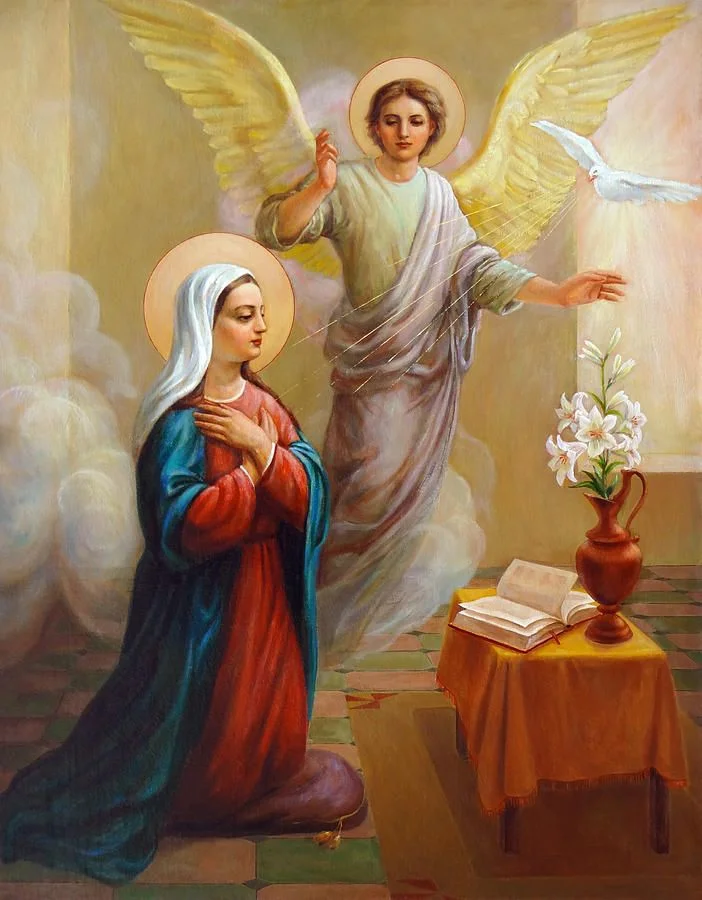
Biblical and Patristic Interpretations: The "Queen of Heaven" title draws upon biblical imagery and early Church interpretations. The angel Gabriel's greeting to Mary in Luke 1:28, "Hail, full of grace, the Lord is with you," underscores her unique election and holiness, foreshadowing her elevated role. Early Church Fathers, such as Saint Augustine and Saint Jerome, contributed to the development of Marian theology, viewing Mary as the "New Eve," whose obedience countered Eve's disobedience, thereby restoring humanity's relationship with God. These interpretations, developed over centuries, have shaped the understanding of Mary's place within the divine economy of salvation.
Mary's Queenship and Intercession: The concept of Mary's queenship is not one of earthly dominion but rather of spiritual authority. She is seen as the "Queen of all creation" and "Queen of saints," reflecting her unique relationship with Jesus. Her role as intercessor aligns with the Catholic understanding of the communion of saints, whereby believers can invoke the prayers of those already in heaven to assist them in their spiritual journey. Mary's intercession is viewed not as bypassing God, but rather as reflecting the filial piety and unity within the Blessed Trinity.
Mary as Spiritual Mother and the Concept of Perpetual Virginity: The belief in Mary's perpetual virginity reinforces her purity and sacredness. Her status as ever-virgin, Mother of God, reflects the theological understanding of the Incarnation and highlights her unique role in Godโs plan. Further emphasizing her importance is the scene at the foot of the cross, where Jesus entrusts Mary to John as a mother figure to the whole Church, showcasing her ongoing role as spiritual mother to believers and emphasizing her position of loving advocacy.
Avoiding Misinterpretations: It's crucial to emphasize that the devotion to Mary as "Queen of Heaven" does not diminish the worship due to God alone. This devotion is understood as a form of hyperdulia, a high level of veneration reserved for Mary, distinct from the latria, or worship, reserved exclusively for God. This distinction highlights the importance of maintaining proper theological balance.
The title "Queen of Heaven" applied to Mary is a rich theological concept, deeply rooted in biblical typology, patristic tradition, and the development of Marian doctrine. Its significance lies not in assigning Mary earthly authority, but in recognizing her unique role in the salvation history of mankind. Her assumed role as Queen of Heaven, born from a synthesis of scripture, tradition, and theological reflection, reinforces her elevated position within the Catholic faith, fostering piety and devotion. It emphasizes the importance of prayer, intercession, and following the example of a model of faith, obedience, and commitment to God. Further research into the evolution of Marian doctrines across different cultural and historical contexts would enhance our understanding of the diverse interpretations of Maryโs elevated status. This research could explore the development of Marian theology through the lenses of feminist theology and comparative religion to gain a better understanding of the global perceptions of Mary.
Reader Pool: Considering the diverse interpretations of Mary's role within Christianity and other religious traditions, how might a comparative theological analysis inform our understanding of the "Queen of Heaven" title and its implications?
Updated at: 2025-06-05 12:22:06 (8 months ago by Melkisedeck Leon Shine)
```htmlIntroduction: Defining Key Concepts
Within the theological landscape of Christianity, the Virgin Mary occupies a pivotal position as the Theotokos (Mother of God). Her unwavering faith, demonstrated through her "fiat" (her "yes" to God's plan), serves as a profound example of surrender and obedience. This exploration delves into the theological implications of Mary's actions, examining them through the lens of key concepts: kenosis (self-emptying), theosis (deification), and the principle of divine initiative. We will analyze how these concepts illuminate Mary's example and their application in contemporary Christian life. We will further investigate the implications of Marian devotion within the context of ecclesiology (the study of the Church).
1. Humility as Foundational Virtue: A Kenotic Act
Mary's "fiat" is inextricably linked to her profound humility. This humility, a characteristic often highlighted in theological discourse, represents a kenotic act. By embracing her role without seeking personal aggrandizement, Mary exemplifies the self-emptying described in Philippians 2:7. This self-emptying allows for the fullness of Godโs grace to operate within her, preparing the way for the incarnation. This parallels the concept of kenosis, a critical element in Christology (the study of Christ). Applying this to contemporary life requires recognizing our limitations and surrendering to God's plan, even when it contradicts our personal desires.
2. Total Surrender to the Divine Will: Embracing the Divine Initiative
Mary's response to the angel Gabriel, "Behold, I am the handmaid of the Lord; let it be to me according to your word" (Luke 1:38), epitomizes complete surrender. This act of faith highlights the principle of divine initiativeโGodโs active involvement in human history and individual lives. By accepting Godโs plan, Mary models a posture of receptivity to the divine will, acknowledging Godโs sovereignty and active participation in her life. This directly contrasts with an anthropocentric worldview (human-centered). In practical terms, this means actively seeking God's guidance through prayer and discernment, trusting that His plan, even amidst uncertainty, is ultimately for our good.
3. Obedience as a Manifestation of Faith: Theosis Through Obedience
Mary's unwavering obedience reflects a deep faith that transcends human understanding. Her obedience, which manifested in the challenges of bearing the Christ child and nurturing him, is not merely passive compliance, but active participation in Godโs redemptive plan. This active obedience contributes to the process of theosis โ the process of becoming more like God โ as she actively participates in the divine plan, mirroring Christ's own obedient submission to the Fatherโs will. In contemporary life, this calls us to active obedience, not simply following rules, but aligning our lives with Christโs teachings and seeking to embody His love and compassion in our daily actions.
4. Marian Piety and Scriptural Exegesis: Case Study: The Wedding at Cana
The Wedding at Cana (John 2:1-11) provides a compelling example of Mary's continued faith and obedience. Her intercession illustrates her role as intercessor and her profound understanding of her Son's ministry. This episode underscores the importance of prayerful intercession and trusting in God's ability to work miracles, even in seemingly mundane circumstances. This narrative illustrates the active role of faith and prayer in transforming life circumstances. Understanding this from an exegetical perspective reinforces the concept of prayer and intercession in actively engaging with Godโs will.
5. Ecclesiological Implications: Mary as Model for the Church
The Catechism of the Catholic Church accurately reflects Mary's role as the model of faith and charity for the Church (CCC 967). Her "fiat" demonstrates a total commitment to Godโs will, embodying the Churchโs mission to proclaim the Gospel. Mary, therefore, serves as a foundational figure in ecclesiology, representing the Church's ideal posture of obedience, faith, and service to God and humanity. This model is applicable to modern Christians and their communities, challenging them to emulate Maryโs dedication to Godโs plan within the context of a global Church.
6. Marian Devotion and the Lives of the Saints: A Historical Perspective
Numerous saints throughout history have emulated Mary's virtues of surrender and obedience. Saints like Therese of Lisieux and Maximilian Kolbe demonstrate the enduring influence of Mary's example on Christian spirituality. Their lives provide practical examples of how Mary's "fiat" can inspire personal holiness and sacrificial service to others. Analyzing the lives of these saints provides valuable insights into the practical application of Marian spirituality and its impact on shaping the lives of believers.
7. Strength in Surrender: Paradox of Control and Trust
Surrender to God's will is not an abdication of responsibility but rather a profound act of trust in His providential care. It involves relinquishing control of outcomes while actively participating in God's plan. This paradox highlights the importance of embracing uncertainty, trusting that God works within and through our circumstances, ultimately guiding us towards His purposes. This understanding combats the contemporary obsession with control, encouraging faith and trust in the face of uncertainty.
8. Obedience as an Act of Love: Reframing Obedience
Obedience, often perceived negatively, reveals itself as an act of love when viewed within the context of Mary's example. Her obedience stems from a deep love for God and a desire to fulfill His will. Therefore, obedience becomes a pathway to freedom and fulfillment, liberating us from the constraints of self-will and directing us toward a life of purpose and meaning. This re-evaluation of obedience counters a potentially legalistic perspective and emphasizes obedience as a loving response to Godโs invitation.
9. Mary as Intercessor and Loving Mother: The Role of Intercession
The Catholic tradition venerates Mary not only as the Mother of God, but also as our loving mother who intercedes for us. Her intercession underscores the importance of seeking Godโs help through prayer and reflecting Maryโs maternal care and protective love for her children. This reinforces the importance of community and spiritual support, demonstrating that our faith journey is not a solitary endeavor.
Conclusion and Recommendations
Mary's "fiat" offers a potent model of faith, humility, and obedience for contemporary Christians. Her example challenges us to embrace kenosis, surrender to divine initiative, and seek theosis through active obedience to God's will. Further research should explore the intersection of Marian devotion and contemporary social justice issues, examining how Mary's example can inspire social action and compassionate service. The implications of Mary's example extend beyond personal spirituality, informing ecclesiology, Christology, and ethical decision-making. The practical application of these principles demands a continuous reflection on our own lives and a commitment to aligning our actions with the divine plan. The transformative power of surrender and obedience, as demonstrated by Mary, remains relevant and essential for navigating the complexities of the modern world.
Reader Pool:
Considering the multifaceted nature of Mary's "fiat" and its implications for contemporary Christian life, how can we effectively communicate its significance and relevance to a diverse audience in the 21st century?
```
Updated at: 2025-06-05 12:58:45 (8 months ago by Melkisedeck Leon Shine)
Introduction: This discourse explores the theological significance and practical applications of devotion to the Immaculate Heart of Mary within the Catholic tradition. We will examine key Marian doctrines, their historical context, and their contemporary relevance, employing theological frameworks and utilizing examples from both scripture and tradition to illustrate the depth and richness of this devotion. Key concepts such as the Immaculate Conception, Marian intercession, and the theological significance of the Rosary will be defined and analyzed within their respective contexts.
1. The Immaculate Conception and the Purity of Heart: The doctrine of the Immaculate Conception, proclaiming Mary's freedom from original sin from the moment of her conception, is foundational to understanding her Immaculate Heart. This dogma, formally defined in 1854, establishes Mary as a unique figure in salvation history, a vessel perfectly prepared to receive and bear the Son of God. This purity of heart, understood not merely as absence of sin, but as a radical openness to God's grace, allows Mary to become the ultimate model of faithful discipleship. Applying this concept, we see the importance of striving for interior purity, allowing God's grace to transform our hearts and shape our actions, aligning them with Godโs will, just as Maryโs heart was perfectly aligned.
2. The Fiat of Mary and the Embrace of Divine Will: Mary's "Fiat," her resounding "yes" to God's plan at the Annunciation (Luke 1:38), exemplifies complete surrender to the divine will. This act of profound faith serves as a paradigm for Christian living, urging us to accept God's plan for our lives, even in the face of uncertainty or suffering. The concept of "kenosis," or self-emptying, as seen in Philippians 2:7, finds its perfect embodiment in Mary's Fiat. In practical application, this means cultivating a spirit of obedience and trust, actively seeking God's guidance in our decisions and accepting challenges as opportunities for spiritual growth.
3. Marian Intercession and the Role of Mediation: The Catholic tradition emphasizes Mary's role as intercessor, mediating between humanity and God. This intercession, however, is not understood as bypassing Christ's unique mediatorship, but rather as a reflection of her profound union with him. This is consistent with the principle of communion of saints, where the faithful, united in Christ, pray for one another. The example of the wedding at Cana (John 2:1-11) illustrates Maryโs intercessory role. Practically, this means acknowledging Maryโs role in bringing our needs and petitions before Christ, cultivating a spirit of humble prayer, and trusting in her compassionate maternal care.
4. The Rosary and Contemplative Prayer: The Rosary, a traditional form of Marian devotion, offers a framework for contemplative prayer by focusing on the mysteries of Christ's life. This method of prayer, rooted in the Lectio Divina tradition, encourages contemplation and reflection, deepening one's understanding of salvation history and fostering a closer relationship with both Christ and Mary. Applying this in a modern context emphasizes the importance of regular, contemplative prayer as a means of spiritual renewal and growth, enhancing our connection with the divine.
5. Fatima and the Call to Conversion: The apparitions of Mary at Fatima in 1917 highlight the importance of conversion, prayer, and devotion to her Immaculate Heart. The messages emphasize the urgency of repentance and the need for prayer as a means of overcoming the challenges facing humanity. Applying this message to today's world requires a critical examination of our individual and collective lives, recognizing our need for conversion and embracing prayer as a tool for fostering peace and justice.
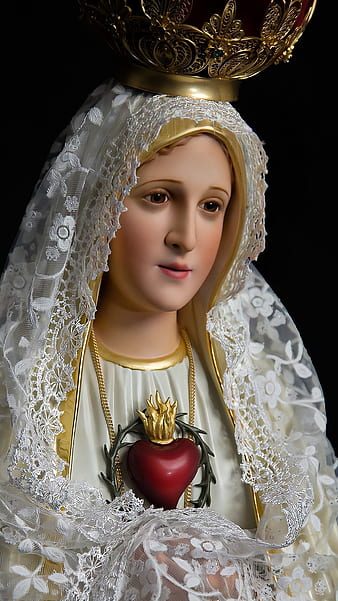
6. Symbolism of the Immaculate Heart and the Sorrowful Mother: The image of the Immaculate Heart, often depicted pierced with thorns, symbolizes Mary's profound compassion and suffering alongside her Son. This visual representation allows us to identify with Maryโs pain and sorrow, understanding that suffering is part of the human condition and the Christian faith journey. Applying this symbolically encourages empathy, compassion, and an understanding of the suffering of others. The understanding of *kenosis* and *sympathy* are further strengthened by understanding the symbolism of the pierced Heart.
7. Marian Promises and the Abundance of Grace: The promises associated with devotion to the Immaculate Heart emphasize the spiritual graces and protections offered to those who embrace this devotion. These promises, rooted in tradition and expressed through various Marian apparitions, invite us to seek the abundance of God's grace, which Mary facilitates through her intercession. Practically, this calls for trusting in God's providence and recognizing the abundance of divine grace available to those who actively seek it.
8. Mary's Unique Role in Salvation History (Catechism of the Catholic Church): The Catechism of the Catholic Church affirms Mary's unique and inseparable role in salvation history, emphasizing her cooperation with God's salvific plan. Her role as Mother of God and โfirst discipleโ underscores the importance of her example of faith and obedience. Applying this to our faith life, we recognize the significance of following Christโs example, and appreciate that Mary serves as a prime model of faith and submission.
9. The Example of the Saints and the Propagation of Devotion: The lives of saints who demonstrate unwavering devotion to Mary, such as St. Maximilian Kolbe, provide inspiring examples of the transformative power of Marian devotion. Their dedication to the spreading of this devotion highlights its importance and its ability to inspire holiness and acts of charity. Applying this, we are reminded of the importance of following the teachings of the Church and imitating the virtuous examples of the saints, who demonstrate both the deep connection between devotion to Mary and the growth in holiness.
10. The Assumption and Coronation: The Culmination of Maryโs Role: The doctrines of the Assumption and Coronation affirm Mary's ultimate triumph over death and her reign as Queen of Heaven and Earth. These dogmas underscore her exalted position and her perpetual intercession. Applying this, we are reminded of the ultimate victory of good over evil and the hope for our own eventual reunification with God.
Conclusions and Recommendations: Devotion to the Immaculate Heart of Mary, rooted in established Catholic doctrines and supported by centuries of tradition, offers a pathway to spiritual growth and deeper communion with God. It emphasizes the importance of faith, obedience, prayer, and compassion. This devotion is not merely sentimental, but deeply theological, highlighting Mary's unique role in salvation history and its relevance to the contemporary Christian experience. Further research might focus on the comparative analysis of different Marian devotions across various cultural contexts and their respective impacts on individual and community faith. The practical application of this devotion in promoting social justice and peace initiatives warrants further investigation. The study of specific Marian apparitions and their contemporary interpretations could offer rich insights into the nature and significance of this devotion.
Reader Pool: How might a deeper understanding of the theological underpinnings of devotion to the Immaculate Heart of Mary enhance contemporary Catholic spirituality and its engagement with the modern world?
Updated at: 2023-08-05 13:20:05 (2 years ago by Melkisedeck Leon Shine)
The Assumption of Mary: A Triumph of God's Love โจ
Introduction: ๐ The Assumption of Mary is a significant event that embodies the triumph of God's love. It is a celebration of the belief that after her earthly life, the Virgin Mary was taken body and soul into heavenly glory. This article will delve into the depth of this beautiful doctrine and explore the profound impact it has on our faith and devotion.
Mary, the Mother of God: ๐ Mary holds a unique and cherished place in the hearts of Catholics worldwide. She is the Mother of God, chosen by God to bring His Son into the world. Just as Mary played an integral role in the Incarnation, her Assumption serves as a testament to her extraordinary role in salvation history.
No other children except Jesus: ๐ซ Contrary to some misunderstandings, the Catholic Church teaches that Mary remained a perpetual virgin throughout her life. She dedicated herself entirely to God and His plans, forsaking any other earthly relationships. This commitment to purity further highlights the significance of her Assumption.
Biblical Examples: ๐ The assumption of Mary is not explicitly mentioned in the Bible, but there are passages that allude to this glorious event. In Psalm 132:8, we read, "Arise, O Lord, and go to your resting place, you and the ark of your might." The Ark of the Covenant, a symbol of God's presence, prefigures Mary's Assumption as she carried the Son of God within her.
A Heavenly Reward: ๐ The Assumption is a divine reward for Mary's unwavering faith and her unique role in salvation. She was chosen among all women to be the Mother of God, and her Assumption demonstrates God's immense love and honor for her. It is a testament to the infinite value of a life lived in total surrender to God's will.
Catholic Teaching: ๐ The Catechism of the Catholic Church affirms Mary's Assumption, stating, "The Immaculate Virgin, when the course of her earthly life was finished, was taken up body and soul into heavenly glory." (CCC 966) This official teaching reaffirms the truth and significance of this blessed event.
Immaculate Conception: โ๏ธ To fully comprehend the Assumption, we must also understand the Immaculate Conception. Mary was conceived without original sin, an exceptional privilege granted by God. Her sinless nature allowed her to be an immaculate vessel for the Incarnation and serves as a vital preparation for her Assumption.
A Glimpse of Heaven: ๐ผ The Assumption of Mary provides us with a glimpse of the glory that awaits us in heaven. It reminds us that our ultimate destiny is to be united with God, body, and soul. Mary's Assumption offers hope and encouragement that we too can attain eternal life through our faith and love for God.
Testimony of the Saints: ๐ Throughout history, numerous saints have attested to the Assumption of Mary. St. John Damascene beautifully proclaimed, "It was fitting...that the most holy body of Mary, God-bearing body, receptacle of God, divinized, incorruptible, illuminated by divine grace and full glory...should be entrusted to the earth." The testimony of the saints strengthens our belief in this wondrous event.
The Assumption in Art: ๐จ The Assumption has been a recurring theme in Christian art, with countless masterpieces depicting Mary's heavenly ascent. These works of art invite us to contemplate the beauty and joy that surrounded this extraordinary event, fostering a sense of awe and reverence in our hearts.
Mary's Intercession: ๐ As the beloved Mother of God, Mary continues to intercede for us and guide us on our spiritual journey. Her Assumption affirms her role as the Queen of Heaven, who intercedes for our needs and brings our intentions before the throne of God. Entrusting ourselves to her loving care can lead us closer to Jesus.
Purity and Holiness: ๐ท Mary's Assumption calls us to embrace purity and holiness in our own lives. Just as she remained faithful and dedicated to God's will, we too are called to live lives of virtue, seeking to conform ourselves more fully to Christ. Mary's Assumption serves as a reminder of the transformative power of God's love in our lives.
A Sign of Hope: ๐ The Assumption of Mary offers us hope in the midst of life's challenges and uncertainties. It reminds us that God's love and grace can transform our lives and lead us to eternal glory. Mary's assumption is a beacon of hope that encourages us to persevere in faith and trust in God's providence.
Conclusion and Your Opinion: ๐ป The Assumption of Mary is a celebration of God's love and the extraordinary role Mary played in salvation history. It is a beautiful reminder that our ultimate destination is heaven, and that through our faith and love for God, we too can attain eternal life. What are your thoughts on this glorious event? Share your opinion below!
Updated at: 2023-08-05 13:19:56 (2 years ago by Melkisedeck Leon Shine)
The Miraculous Healings Through Mary's Intercession
๐น Introduction ๐น
Have you ever experienced a miraculous healing? The power of prayer and intercession is an incredible gift bestowed upon us by our Heavenly Father. In the Catholic faith, we hold a special place in our hearts for the Blessed Virgin Mary, the Mother of God. Through her intercession, countless individuals have witnessed the miraculous healings that can only be described as divine interventions. Let us delve into this fascinating topic and explore the wonders that have been brought about through Mary's loving intercession.
1๏ธโฃ Mary, Our Mother and Advocate 1๏ธโฃ
As Catholics, we believe that Mary holds a unique position in our spiritual journey. She is not only the Mother of Jesus but also our spiritual mother. Just as any loving mother would, Mary cares for and intercedes on behalf of her children. Through her prayers, she brings our intentions before her Son, Jesus Christ.
2๏ธโฃ Healing Through the Rosary 2๏ธโฃ
The Rosary is a powerful prayer that invokes the intercession of Mary. Countless testimonies have been shared by those who have experienced physical and emotional healing through the recitation of this prayer. The gentle rhythm of the beads and the meditative reflection on the life of Jesus and Mary bring solace and peace to those in need.
3๏ธโฃ The Wedding at Cana 3๏ธโฃ
One of the most well-known instances of Mary's intercession for others is seen at the Wedding at Cana. When the wine ran out, Mary, in her loving concern for the wedding couple, approached Jesus and said, "They have no wine." (John 2:3) Through Mary's intercession, Jesus performed His first public miracle by turning water into wine, saving the couple from embarrassment and ensuring their joyous celebration.
4๏ธโฃ The Healing of the Paralytic 4๏ธโฃ
In the Gospel of Mark, we read about a paralyzed man who was brought to Jesus for healing. Unable to reach Jesus due to the crowd, the man's friends lowered him through the roof. Seeing their faith, Jesus said to the paralytic, "Son, your sins are forgiven." (Mark 2:5) Through this miraculous healing, we witness the power of Jesus' forgiveness and the intercession of Mary, who always leads us to her Son.
5๏ธโฃ The Intercession of Saints 5๏ธโฃ
Mary is not the only intercessor in our faith. The saints, who have lived exemplary lives, also intercede on our behalf. They serve as powerful intercessors, guiding us on our spiritual journey and praying for our intentions. Just as we seek the intercession of Mary, we can also turn to the saints for their help and support.
6๏ธโฃ The Catechism of the Catholic Church 6๏ธโฃ
The Catechism of the Catholic Church beautifully expresses our belief in Mary's intercession. It states, "Mary's prayer is revealed to us at the dawning of the fullness of time. Before the incarnation of the Son of God, and before the outpouring of the Holy Spirit, her prayer cooperates in a unique way with the Father's plan of loving kindness." (CCC 2617)
7๏ธโฃ The Canticle of Mary 7๏ธโฃ
In the Gospel of Luke, we find the beautiful prayer known as the Canticle of Mary or the Magnificat. Mary's words reflect her humility, obedience, and trust in God's plan. This prayer is a reminder of Mary's role in salvation history and her unwavering faith in God's promises. Through the Magnificat, we can seek Mary's intercession and find solace in her maternal love.
8๏ธโฃ The Apparitions of Mary 8๏ธโฃ
Throughout history, there have been numerous reported apparitions of Mary. These apparitions serve as a testament to her ongoing presence in our lives and her desire to guide and intercede for us. From Lourdes to Fatima, pilgrims from all over the world travel to these holy sites, seeking physical, emotional, and spiritual healing through Mary's intercession.
9๏ธโฃ The Power of Faith 9๏ธโฃ
In all these examples, a common thread emerges: faith. The individuals who experienced miraculous healings through Mary's intercession had unwavering faith in God's power and Mary's intercessory role. It is through faith that we open ourselves up to the miracles that God can work in our lives.
๐ Our Personal Experiences ๐
Now, it's time to reflect on our own personal experiences. Have you ever sought the intercession of Mary and witnessed a miraculous healing in your life? Take a moment to ponder and share your thoughts.
In conclusion, the miraculous healings through Mary's intercession are a testament to the power of faith, prayer, and the love of our Heavenly Mother. As Christians, we can find comfort in knowing that we have a compassionate advocate in Mary, who continually intercedes for our well-being. Let us approach her with humility and trust, seeking her intercession for our healing and wholeness.
What are your thoughts on the topic? Have you experienced any healings through Mary's intercession? Let's continue the conversation and share our experiences of faith and miracles. Remember, we are all on this spiritual journey together, and through our shared experiences, we can grow in our love for God and one another.
Updated at: 2023-08-05 13:19:39 (2 years ago by Melkisedeck Leon Shine)
Mary, Mother of Sorrows: A Companion in Our Suffering ๐๐
The Virgin Mary, Mother of God, holds a special place in the hearts of Christians around the world. ๐ Her unwavering faith and courage serve as a beacon of hope and inspiration for those navigating the trials and tribulations of life.
In times of suffering, we can turn to Mary as a compassionate companion on our journey. ๐น She understands our pain, having endured unimaginable sorrows throughout her life.
One example of Mary's profound suffering can be found in the biblical account of her standing at the foot of the Cross during Jesus' crucifixion. As Jesus hung there, she witnessed her beloved son's agony and death. Yet, even in the midst of her own heartbreak, she remained steadfast in her faith. ๐
The Catechism of the Catholic Church beautifully describes Mary's role as a companion in our suffering, stating, "In her acceptance of this sorrowful burden, Mary became the Mother of all the living." (CCC 964) ๐
Mary's sorrows did not end with the crucifixion. She experienced the pain of exile in Egypt, the anxiety of losing Jesus in the temple, and the sorrow of witnessing his brutal crucifixion. ๐บ These experiences allow her to empathize with us during our own times of sorrow.
Just as Mary was present with Jesus during his moments of suffering, she is also present with us in our own pain. Her compassion knows no bounds, and she intercedes for us before her Son, seeking comfort and healing for our wounded souls. ๐
The saints have also recognized Mary's role as a companion in suffering. Saint Alphonsus Liguori once said, "The sorrows of Mary were the martyrs of her heart." ๐ Her deep love for humanity led her to share in our pain, offering solace and understanding.
Mary's willingness to embrace her sorrows serves as an example for us all. ๐น She teaches us that in our own suffering, we can find meaning and purpose if we unite our pain with the redemptive suffering of Christ on the Cross.
The Rosary, a powerful devotion in the Catholic Church, offers us a way to meditate on the sorrows of Mary. Through the Sorrowful Mysteries, we can reflect on her journey of suffering and find solace in her company. ๐ฟ
The Gospel of Luke tells us that Mary treasured and pondered all these things in her heart (Luke 2:19). As we face our own trials, we can follow in Mary's footsteps by entrusting our sorrows to her and allowing her to lead us closer to her Son.
Pope Francis has often spoken about the importance of turning to Mary in our times of need. In his encyclical "Lumen Fidei," he writes, "In the faith of the Virgin Mary, we find a model of how to communicate with God when darkness sets in." ๐
The Catholic Church holds a deep reverence for Mary, recognizing her as the Mother of God and the Queen of Heaven. Her maternal love extends to all of humanity, and she intercedes for us with her Son, Jesus Christ. ๐น
Through her sufferings, Mary teaches us perseverance, trust, and surrender to God's will. She reminds us that even in the midst of our pain, there is hope and redemption.
So, dear reader, when you find yourself in the midst of suffering, remember that Mary is there to accompany you. Turn to her in prayer, pour out your heart to her, and allow her to guide you closer to her Son. ๐
What are your thoughts on Mary, the Mother of Sorrows? How has she been a companion in your own journey of suffering? Share your experiences and insights below. ๐น๐ค
Updated at: 2023-08-05 13:19:19 (2 years ago by Melkisedeck Leon Shine)
The Assumption of Mary: A Testimony of Her Heavenly Power
๐ 1. The Assumption of Mary, also known as the Dormition, is a significant event in the Catholic Church that celebrates the belief that Mary, the Mother of God, was taken body and soul into Heaven at the end of her earthly life. It is a testament to her heavenly power and the special role she played in our salvation.
๐ 2. As Catholics, we hold Mary in high esteem, recognizing her as the Queen of Heaven and Earth. ๐น She holds a unique position among all humans, chosen by God to be the mother of His Son, Jesus Christ. This divine appointment sets her apart and makes her worthy of our devotion and admiration.
๐ 3. The belief in the Assumption of Mary is supported by both biblical and historical evidence. In the Gospel of Luke, we read about the Annunciation, where the angel Gabriel appeared to Mary and announced that she would conceive and bear a son. This miraculous event marks the beginning of Mary's extraordinary journey as the Mother of God.
๐ 4. Throughout the Bible, we see countless examples of Mary's unwavering faith and obedience to God. ๐ One such example is the Visitation, where Mary, upon hearing about her cousin Elizabeth's miraculous pregnancy, hastened to her aid and joyfully declared the Magnificat, praising God for His blessings.
๐ 5. Another biblical example of Mary's heavenly power is the Wedding at Cana, where she interceded on behalf of the bride and groom, asking Jesus to perform His first miracle by turning water into wine. Through her intercession, she showed her ability to bring our needs and intentions before her Son, who willingly listens to her.
๐ 6. The Catechism of the Catholic Church teaches us that "the Immaculate Virgin, preserved free from all stain of original sin, when the course of her earthly life was finished, was taken up body and soul into heavenly glory." (CCC 966) This affirmation of the Assumption is a source of comfort and hope for Catholics, knowing that Mary, in her glorified state, continues to intercede for us.
๐ 7. The Assumption of Mary is not just a theological concept; it is a testament to the power of God's love and mercy. ๐ Mary's assumption into Heaven shows us that God desires to bring us all into eternal glory, body and soul. She is a shining example of what awaits us if we faithfully follow God's will.
๐ 8. Many Catholic saints have shared profound insights into the Assumption of Mary and her heavenly power. St. John Paul II once said, "Mary's assumption body and soul into heaven is for us, too, an invitation to trust in God's plan for our lives." Her assumption beckons us to place our trust in God and seek His will in all aspects of our lives.
๐ 9. The Assumption of Mary also reminds us of our own calling to holiness and the ultimate goal of our existence, which is to be united with God in Heaven. Mary's assumption serves as a beacon of hope, guiding us in our journey towards eternal life.
๐ 10. The Assumption of Mary is not only a celebration of her heavenly power but also a reminder of her role as a mother to all believers. Just as she cared for Jesus and interceded for others during her earthly life, she continues to do so in Heaven. We can turn to Mary, our loving mother, in prayer, confident that she will bring our intentions before her Son.
๐ 11. As we reflect on the Assumption of Mary, it is essential to remember that she is not to be worshipped, but rather venerated as a model of faith and humility. ๐บ She leads us closer to Jesus and teaches us to surrender ourselves fully to God's will.
๐ 12. The Assumption of Mary invites us to ponder the immense love God has for His creation. He chose Mary to be the vessel through which His Son would enter the world, and He rewarded her faithfulness by assuming her into Heaven. This event underscores the power of God's love and His desire to draw all people to Himself.
๐ 13. Mary, the Mother of God, holds a unique place in our hearts and in the Catholic Church. Her assumption serves as a constant reminder of her heavenly power and her role in our salvation. As we honor her, let us also strive to imitate her virtues of faith, humility, and love for God.
๐ 14. In conclusion, the Assumption of Mary is a testimony of her heavenly power and the immense love God has for His creation. ๐ Her assumption into Heaven, body and soul, serves as a beacon of hope and a reminder of our own calling to holiness. Let us turn to Mary, our loving mother, and seek her intercession as we journey towards eternal life.
๐ 15. What are your thoughts on the Assumption of Mary? How does her heavenly power inspire you in your spiritual journey? Share your opinions and experiences in the comments below!
Updated at: 2023-08-05 13:19:42 (2 years ago by Melkisedeck Leon Shine)
Mary's Intercession: Prayers Answered through Her Advocacy
๐ Introduction ๐
As Christians, we believe in the power of prayer and the importance of seeking intercession from the saints. Among these saints, one holds a special place in our hearts - the Blessed Virgin Mary, the Mother of God. Throughout history, countless individuals have experienced the profound impact of Mary's intercession in their lives. In this article, we will explore the various ways in which prayers have been answered through her advocacy, providing examples from both biblical accounts and personal testimonies. Let us delve into the beautiful and miraculous world of Mary's intercession.
๐น 1. Mary, the Perfect Intercessor ๐น
In Catholic tradition, Mary is seen as the perfect intercessor between humanity and God. She is revered as the Queen of Heaven and Earth, chosen by God Himself to bear His only Son, Jesus. Just as a loving mother advocates for her children, Mary actively intercedes for us, her spiritual children, before the throne of God.
๐ 2. The Wedding Feast at Cana ๐
One of the most well-known examples of Mary's intercession is found in the Gospel of John, where she plays a crucial role in the miracle at the Wedding Feast at Cana. When the wine ran out, Mary simply said to Jesus, "They have no wine" (John 2:3). Knowing His mother's deep love and concern, Jesus performed His first public miracle, turning water into wine. This incident demonstrates Mary's powerful intercessory role, as she saw the needs of others and brought them before her Son.
๐น 3. The Rosary: A Powerful Devotion ๐น
Through the centuries, countless faithful have turned to Mary through the devotion of the Rosary. This powerful prayer, consisting of meditations on the life of Christ and the intercession of Mary, has been instrumental in obtaining answers to prayers. The repetition of the Hail Mary prayer not only honors Mary but also invites her intercession in our lives.
๐ 4. Personal Testimonies ๐
Beyond biblical accounts, there are numerous personal testimonies that highlight the efficacy of Mary's intercession. Many believers have experienced the power of praying the Rosary and witnessing their intentions answered. From physical healings to reconciled relationships, these stories serve as a testament to Mary's loving advocacy on our behalf.
๐น 5. Saints Who Experienced Mary's Intercession ๐น
Throughout history, many saints have attested to the powerful intercession of Mary in their lives. St. Maximilian Kolbe, a martyr of the Holocaust, had a profound devotion to the Blessed Virgin Mary. He once said, "Never be afraid of loving the Blessed Virgin too much. You can never love her more than Jesus did."
๐ 6. The Catechism of the Catholic Church on Mary's Intercession ๐
The Catechism of the Catholic Church affirms the role of Mary as our intercessor. It states, "Mary, the all-holy ever-virgin Mother of God, is the masterwork of the mission of the Son and the Spirit in the fullness of time" (CCC 721). This teaches us that Mary's intercession is a divine gift, given to us by God Himself.
๐น 7. The Assumption of Mary ๐น
Another example of Mary's unique role can be found in her Assumption into Heaven. The Catholic Church teaches that Mary, due to her sinlessness and special role as the Mother of God, was taken body and soul into Heaven at the end of her earthly life. This further emphasizes her close relationship with God and her ability to intercede for us.
๐ 8. Trusting in Mary's Intercession ๐
When we entrust our prayers to Mary's intercession, we place our complete trust in her maternal care and love. Just as a child runs to their mother in times of need, we can run to Mary, confident that she will bring our intentions to Jesus. Her role as the Mother of God grants her a unique closeness to Him, making her an invaluable advocate for our needs.
๐น 9. The Miraculous Medal ๐น
The Miraculous Medal, popularized by the visions of Saint Catherine Labourรฉ in the 19th century, is another tangible symbol of Mary's intercession. By wearing or holding this medal, believers express their trust in Mary's advocacy and invite her to intercede for their needs. Many have reported experiencing miracles and graces through the wearing of this blessed sacramental.
๐ 10. Conclusion ๐
In conclusion, Mary's intercession is a powerful and comforting reality in our Christian faith. Through her love, she tirelessly advocates for us before the throne of God. Whether through biblical accounts, personal testimonies, or the teachings of the Catholic Church, we can witness the countless prayers that have been answered through her intercession. Let us continue to seek Mary's guidance and intercession in our lives, knowing that she will never cease to lead us closer to her Son, Jesus Christ.
๐น What are your thoughts on Mary's intercession? Have you experienced the power of her advocacy in your life? Share your thoughts and testimonies below! ๐น
Updated at: 2025-07-03 10:40:59 (7 months ago by Melkisedeck Leon Shine)
Introduction: This discourse examines the theological significance and practical implications of devotion to the Immaculate Heart of Mary within the Catholic tradition. We will analyze key Marian dogmas, their historical context, and contemporary relevance, utilizing theological frameworks and examples from scripture and tradition to illustrate the depth and richness of this devotion. Key concepts, including the Immaculate Conception, Marian intercession, and the theological underpinnings of the Rosary, will be defined and analyzed within their respective historical and theological contexts. We will explore how these concepts manifest in practical application for believers today.
1. Mary's Unique Role in Salvation History (Catechism of the Catholic Church): The Catechism of the Catholic Church explicitly affirms Mary's unique and indispensable role in salvation history, emphasizing her active participation in God's salvific plan. Her roles as Theotokos (Mother of God) and "first disciple" underscore her exemplary faith and obedience, serving as a powerful model for Christian discipleship. This aligns with the ecclesiological principle of the communion of saints, highlighting the interconnectedness of all believers in Christ's redemptive work. The practical application here encourages emulation of Mary's steadfast faith and obedience, understanding her life as a model for navigating challenges and embracing God's will. This encourages active engagement in oneโs own spiritual journey, striving for a deeper connection with God through commitment and faith.
2. The Immaculate Conception and the Purity of Heart: The dogma of the Immaculate Conception, declaring Mary's freedom from original sin from her conception, is fundamental to understanding her Immaculate Heart. Defined in 1854, this dogma establishes Mary as uniquely prepared to conceive and bear the Son of God. This purity is not merely the absence of sin, but a radical openness to God's grace, making her a paragon of faithful discipleship. Applying this, we see the importance of striving for interior purity โ not a flawless state, but a constant pursuit of holiness through God's grace, reflected in actions aligned with Godโs will. This process of sanctification, mirroring Mary's example, is a journey of transformation through active participation in the life of grace.
3. The Fiat of Mary and the Embrace of Divine Will: Mary's "Fiat," her unqualified "yes" to God's plan at the Annunciation (Luke 1:38), epitomizes complete surrender to the divine will. This act of profound faith serves as a paradigm for Christian living, urging acceptance of God's plan, even amidst uncertainty or suffering. This embodies the concept of *kenosis*, self-emptying, as described in Philippians 2:7. Practically, cultivating a spirit of obedience and trust involves seeking God's guidance in decisions, accepting challenges as opportunities for spiritual growth, and embracing a life centered on God's plan rather than one's own self-determined will.
4. Marian Intercession and the Role of Mediation: Catholic tradition highlights Mary's role as intercessor, mediating between humanity and God. This intercession doesn't circumvent Christ's unique mediatorship but reflects her profound union with Him. This aligns with the principle of the communion of saints, where believers intercede for each other. The wedding at Cana (John 2:1-11) illustrates this intercessory role. Practically, this means acknowledging Mary's role in presenting our needs to Christ, fostering a spirit of humble prayer, and trusting in her compassionate maternal care. This approach cultivates a deep sense of reliance on the power of communal prayer and the grace of divine intervention through Maryโs mediation.
5. Symbolism of the Immaculate Heart and the Sorrowful Mother: The image of the Immaculate Heart, often shown pierced with thorns, symbolizes Mary's profound compassion and suffering alongside her Son. This powerful visual representation fosters empathy and understanding of suffering as an intrinsic part of the human condition and the Christian faith. Applying this symbolically encourages compassion, understanding the suffering of others, and recognizing that shared suffering fosters deeper spiritual connection and empathy within the communion of saints. The image simultaneously conveys both Mary's unwavering love and her profound sorrow, allowing believers to connect with her experience of intense joy and profound grief.
6. Marian Promises and the Abundance of Grace: The promises associated with devotion to the Immaculate Heart emphasize spiritual graces and protection offered to those who embrace this devotion. These promises, rooted in tradition and expressed through various Marian apparitions, invite us to seek God's abundant grace, facilitated through Mary's intercession. Practically, this encourages trust in God's providence and recognition of the abundance of grace available to those who actively seek it through prayer and faithful devotion to Mary. This understanding fosters a deeper relationship with God and the cultivation of a trustful and faithful spirit.
7. Fatima and the Call to Conversion: The 1917 Marian apparitions at Fatima emphasize the urgency of conversion, prayer, and devotion to her Immaculate Heart. The messages stress repentance and prayer as crucial in overcoming human challenges. Applying this message today requires critical self-examination, recognizing the need for personal and collective conversion, embracing prayer to foster peace and justice. This entails a commitment to living out the Gospel message in daily life and promoting social justice and peace. The messages from Fatima have a continued relevance in a world struggling with moral and social issues.
8. The Rosary and Contemplative Prayer: The Rosary, a traditional Marian devotion, provides a framework for contemplative prayer focusing on the mysteries of Christ's life. Rooted in *Lectio Divina*, it encourages reflection, deepening understanding of salvation history and fostering closeness with Christ and Mary. Applying this in a modern context emphasizes the importance of regular contemplative prayer for spiritual renewal and growth, enhancing connection with the divine. Regular, structured prayer, such as the Rosary, allows for increased focus and deeper reflection on the mysteries of faith.
9. The Example of the Saints and the Propagation of Devotion: The lives of saints demonstrating unwavering devotion to Mary, such as St. Maximilian Kolbe, showcase the transformative power of Marian devotion. Their dedication to spreading this devotion highlights its importance and ability to inspire holiness and charitable acts. Applying this reminds us of the significance of following Church teachings and imitating virtuous examples, illustrating the deep connection between Marian devotion and spiritual growth. This suggests the transformative power of devout lives and their impact on inspiring others towards holiness.
10. The Assumption and Coronation: The Culmination of Maryโs Role: The dogmas of the Assumption and Coronation affirm Mary's ultimate triumph over death and her reign as Queen of Heaven and Earth, underscoring her exalted position and perpetual intercession. Applying this reminds us of the ultimate victory of good over evil and hope for our eventual reunification with God. These doctrines highlight the ultimate victory of faith and the promise of salvation, strengthening oneโs hope in the face of life's challenges.
Conclusions and Recommendations: Devotion to the Immaculate Heart of Mary, firmly grounded in Catholic doctrines and centuries of tradition, provides a path to spiritual growth and deeper communion with God. It emphasizes faith, obedience, prayer, and compassion. This devotion is deeply theological, highlighting Mary's unique role in salvation history and its ongoing relevance for contemporary Christians. Future research could explore comparative analyses of various Marian devotions across cultures and their respective impacts on individual and community faith. Investigating the practical application of this devotion in promoting social justice and peace initiatives warrants further study. Analyzing specific Marian apparitions and their contemporary interpretations could provide deeper insights into the devotion's significance.
Reader Pool: Considering the diverse theological perspectives within Catholicism, how can a balanced and inclusive approach to Marian devotion promote spiritual growth and unity among believers while addressing potential concerns about hyper-Marianism?
Updated at: 2023-08-05 13:20:10 (2 years ago by Melkisedeck Leon Shine)
The Miracles Associated with Marian Shrines โจ๐๐น
The power of faith โ๏ธ: Marian shrines have been revered by Christians for centuries, as they are believed to be holy places where the Virgin Mary, the Mother of God, has appeared and worked miraculous wonders. These shrines serve as a testament to the power of faith and devotion to the Blessed Mother.
Our Lady of Guadalupe ๐น: One of the most famous Marian shrines is located in Mexico City, where the image of Our Lady of Guadalupe appeared to Saint Juan Diego in 1531. The image, imprinted on Juan Diego's cloak, is believed to be a miraculous sign from the Virgin Mary herself. Millions of pilgrims visit this shrine each year to seek Mary's intercession and experience her miraculous touch.
Lourdes, France ๐ฆ: Another extraordinary Marian shrine is found in Lourdes, France. In 1858, the Virgin Mary appeared to a young girl named Bernadette Soubirous in a grotto. Our Lady of Lourdes instructed Bernadette to dig a well, and miraculously, a spring of healing water emerged. Countless individuals have reported miraculous healings after bathing in or drinking from this holy spring.
The power of rosary ๐ฟ: Many miracles associated with Marian shrines are attributed to the power of the rosary. Countless testimonies have been shared by individuals who have prayed the rosary at Marian shrines, believing in the intercession of the Blessed Mother. The rosary is a powerful spiritual weapon that brings comfort, peace, and miracles into the lives of those who devoutly recite it.
Fatima, Portugal ๐๏ธ: In 1917, the Virgin Mary appeared to three shepherd children in Fatima, Portugal. She entrusted them with three secrets and performed the "Miracle of the Sun" witnessed by thousands of people. This event confirmed the authenticity of the apparitions and strengthened the faith of those present. Today, the Shrine of Our Lady of Fatima is a pilgrimage site, drawing millions of faithful seeking Mary's guidance and intercession.
The power of healing ๐ฉบ: Many individuals have reported miraculous healings at Marian shrines. These healings encompass physical, emotional, and spiritual ailments. Through the intercession of the Blessed Mother, people have experienced relief from illnesses, liberation from addictions, and inner peace. These healings serve as a testament to Mary's loving care for her children.
Knock, Ireland ๐: In 1879, several villagers in Knock, Ireland, witnessed an apparition of the Virgin Mary, along with Saint Joseph and Saint John the Evangelist. The silent apparition brought comfort and solace to all who witnessed it. Today, the Shrine of Our Lady of Knock attracts pilgrims seeking healing, consolation, and hope in times of darkness.
Conversion of hearts ๐: One of the most profound miracles associated with Marian shrines is the conversion of hearts. Through the intercession of the Blessed Mother, individuals have experienced a profound transformation in their lives, turning away from sin and embracing a life of faith. Mary's gentle and loving presence touches the hearts of those who seek her intercession.
Medjugorje, Bosnia and Herzegovina โฐ๏ธ: Since 1981, the Virgin Mary has been appearing to six visionaries in Medjugorje, Bosnia and Herzegovina. These apparitions have brought spiritual renewal, conversion, and an outpouring of grace to millions of pilgrims. The messages given in Medjugorje emphasize prayer, fasting, conversion, and peace. This shrine remains a place of pilgrimage for those seeking a deeper relationship with God through Mary's intercession.
The power of pilgrimage ๐ถโโ๏ธ๐ถโโ๏ธ: Visiting Marian shrines on a pilgrimage is a transformative experience for many. It allows individuals to step away from the distractions of daily life and focus on their spiritual journey. Pilgrimages provide an opportunity to deepen one's relationship with God and seek the intercession of the Blessed Mother, resulting in profound spiritual growth and personal miracles.
The Rosary of the Seven Sorrows ๐ฟ๐: The Rosary of the Seven Sorrows is a special devotion dedicated to meditating on the pain and suffering the Virgin Mary endured during her earthly life. This powerful rosary has been known to bring comfort, healing, and miracles to those who pray it with devotion. It allows us to enter into the heart of Mary and unite our sufferings with hers, finding solace and strength in her presence.
The intercession of Mary ๐: The Catholic Church teaches that Mary, as the Mother of God, has a special role in interceding for her children. The Catechism of the Catholic Church states, "By her complete adherence to the Father's will, to his Son's redemptive work, and to every prompting of the Holy Spirit, the Virgin Mary is the Church's model of faith and charity" (CCC 967). Through her intercession, Mary brings blessings and miracles into the lives of those who seek her help.
Saint Therese of Lisieux ๐น: Saint Therese of Lisieux, also known as "The Little Flower," was a devout follower of the Virgin Mary. She experienced many miracles and favors through Mary's intercession and had a deep love for Our Lady. Saint Therese once said, "Mary, my dearest Mother, give me your heart so beautiful, so pure, so immaculate, so full of love and humility, that I may receive Jesus as you did and go in haste to give Him to others." Her words inspire us to seek Mary's intercession and open our hearts to Jesus.
The Visitation ๐คฐ: The Visitation, as described in the Gospel of Luke, is a beautiful example of Mary's intercession and the miracles associated with her presence. When Mary visited her cousin Elizabeth, who was pregnant with John the Baptist, the unborn child leaped in her womb, and Elizabeth was filled with the Holy Spirit (Luke 1:41). This encounter demonstrates the power of Mary's presence and her ability to bring joy and blessings to those around her.
Seeking Mary's intercession ๐: As Christians, we are called to seek the intercession of the Blessed Mother and trust in her maternal care. The Virgin Mary is a powerful advocate, and her love for us knows no bounds. Just as she nurtured and cared for Jesus, she desires to do the same for each of us. Let us approach her with childlike trust, seeking her intercession and experiencing the miracles associated with Marian shrines in our own lives.
What are your thoughts on the miracles associated with Marian shrines? Do you have a personal experience or a favorite Marian shrine? Share your thoughts and experiences below! ๐น๐โจ