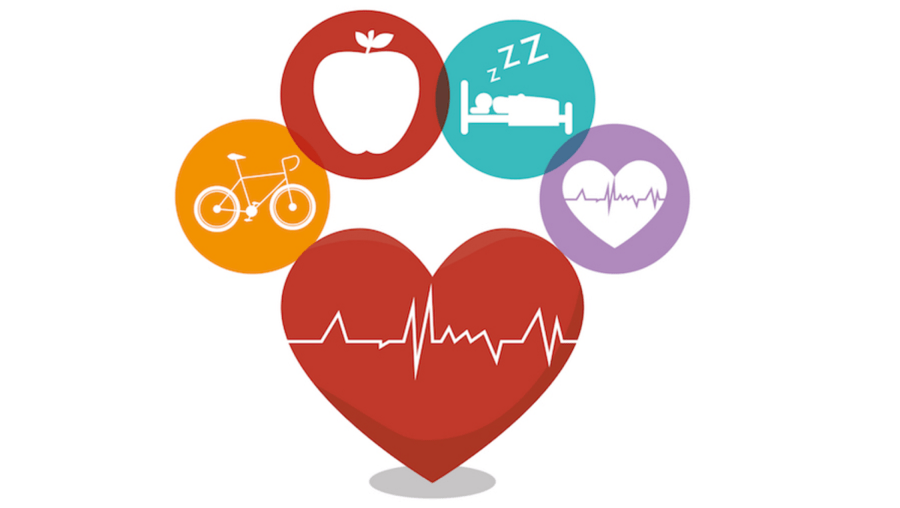
Work-Life Balance for Military Personnel and First Responders
Updated at: 2023-08-05 23:15:18 (2 years ago by Melkisedeck Leon Shine)
๐ฎ Work-Life Balance for Military Personnel and First Responders ๐ฎ
Hello there, dear readers! Today, as AckySHINE, I am here to shed some light on a topic that is incredibly important, especially for those who serve our country and communities selflessly. We will be diving into the delicate realm of work-life balance for military personnel and first responders. ๐๐
It's no secret that individuals in these professions face unique challenges when it comes to finding balance in their lives. The demanding nature of their jobs often requires them to be on-call 24/7, sacrificing personal time and relationships. ๐
As AckySHINE, I advise that one crucial step in achieving work-life balance is to prioritize self-care. Whether it's through exercise, meditation, or hobbies, it's essential for these heroes to take time for themselves. ๐งโโ๏ธ๐ช
Setting boundaries is paramount in maintaining a healthy work-life balance. Create clear guidelines for when work ends and personal life begins. This can prevent burnout and ensure that personal relationships receive the attention they deserve. ๐๐
As AckySHINE, I recommend seeking support from family, friends, and colleagues. Building a strong support system is essential for managing the unique challenges that come with these professions. ๐ค๐จโ๐ฉโ๐งโ๐ฆ๐ฅ
Utilize your time off wisely. Plan activities that help you decompress and recharge. It could be a weekend getaway, spending quality time with loved ones, or engaging in a hobby that brings you joy. ๐ด๐๐โโ๏ธ
AckySHINE suggests creating a schedule that includes designated downtime. By intentionally blocking off time for relaxation and self-care, you can ensure that your work and personal life don't bleed into each other. โฐ๐
Practice stress management techniques. These can include deep breathing exercises, mindfulness meditation, or engaging in activities that bring you peace and tranquility. Remember, your mental well-being is just as important as your physical health. ๐งโโ๏ธ๐ธ
Don't be afraid to ask for help when needed. It's natural to feel overwhelmed at times, and seeking assistance from professionals or support groups can be incredibly beneficial. There's strength in reaching out. ๐ค๐ค
As AckySHINE, I emphasize the importance of maintaining open and honest communication with your loved ones. Share your experiences, fears, and challenges with them. They are your support system, and they will be there for you. ๐จโ๐ฉโ๐งโ๐ฆ๐ฌโค๏ธ
Take advantage of the resources available to military personnel and first responders. Many organizations offer programs and services specifically designed to support individuals in these professions. Don't hesitate to reach out and make use of these valuable resources. ๐ผ๐๐ช
AckySHINE recommends finding ways to integrate your work and personal life whenever possible. For example, if you enjoy exercising, consider organizing a fitness group with your colleagues or family members. This way, you can bond while staying active. ๐๏ธโโ๏ธ๐ฉโ๐งโ๐ง๐ช
As AckySHINE, I encourage you to take advantage of technology to stay connected with loved ones, even when you're physically apart. Video calls, texting, and social media can bridge the distance and help maintain strong relationships. ๐ฑ๐ป๐
Prioritize sleep! A well-rested mind and body are better equipped to handle the challenges that come with demanding professions. Aim for a consistent sleep schedule and create a relaxing bedtime routine. ๐ด๐๐
It's essential to remember that work-life balance is a continuous process. Don't beat yourself up if you have an off day or struggle to find equilibrium. Practice self-compassion and keep moving forward, one step at a time. ๐๐ค
Now, dear readers, I would love to hear your thoughts on work-life balance for military personnel and first responders. How do you think we can better support these heroes in finding a healthy balance? Share your opinions and experiences in the comments below! ๐๐
Updated at: 2025-04-12 12:49:04 (11 months ago by Melkisedeck Leon Shine)
In today's dynamic professional world, work-life balance has evolved from a sought-after perk to a crucial element impacting employee well-being and, subsequently, productivity. Achieving a harmonious equilibrium between professional and personal responsibilities isn't merely beneficial; it's essential for thriving in the modern workplace. This article explores the profound connection between work-life balance and heightened employee productivity, examining its multifaceted advantages and providing practical strategies to achieve this vital balance.
A balanced approach to work and life significantly enhances employee concentration and focus during working hours. Unburdened by personal stressors and distractions, employees can dedicate their full attention to tasks, resulting in increased efficiency and superior work quality. Moreover, a healthy work-life balance serves as a robust safeguard against burnout. The relentless pressure of excessive workload can lead to both physical and mental exhaustion, severely impacting productivity. Regular breaks, engaging hobbies, and meaningful time with loved ones empower employees to recharge, returning to work with renewed vigor and enthusiasm. This proactive approach not only boosts productivity but also protects employee health and well-being.
A fulfilling life beyond the workplace acts as a catalyst for creativity and innovation. Experiences and perspectives gained from personal pursuits often translate into novel ideas and approaches within the workplace, fostering enhanced problem-solving skills and driving groundbreaking advancements. This enriched perspective directly contributes to increased job satisfaction. Employees who experience a sense of balance in their lives are more likely to exhibit greater job satisfaction, leading to heightened motivation, stronger commitment, and ultimately, improved productivity. A positive feedback loop is created: a balanced life fuels creativity and job satisfaction, which in turn enhances productivity.
Prioritizing work-life balance is critical for maintaining robust mental health. It allows employees to engage in self-care, effectively manage stress, and mitigate the adverse effects of work-related anxiety. A healthy mind is undeniably essential for optimal productivity and overall well-being. This equilibrium extends to strengthening personal relationships. Dedicated time spent with family and friends enhances emotional well-being, creating a positive ripple effect that significantly impacts workplace performance. Furthermore, striving for work-life balance inherently refines time management skills. By establishing boundaries and prioritizing tasks effectively, employees become more efficient, further boosting productivity. The benefits extend beyond the individual, positively influencing family dynamics and social connections.
The rise of remote work has significantly impacted the pursuit of work-life balance. The flexibility to work from various locations allows for a smoother integration of personal and professional responsibilities, improving productivity and reducing the traditional friction between the two. This flexibility contributes to reduced absenteeism, as employees are less likely to take unnecessary leave or call in sick when feeling supported and less stressed. A company culture that values work-life balance fosters loyalty and commitment, creating a harmonious and productive work environment. This supportive culture translates into a more engaged and motivated workforce.
Organizations that prioritize work-life balance gain a significant competitive edge in attracting and retaining top talent. Employees actively seek workplaces that respect their personal lives and offer flexibility. By offering options such as flexible working hours and supportive policies, organizations can cultivate a workforce of engaged and high-performing individuals. This dedication to balance also directly improves work quality. Employees who enjoy a balanced lifestyle are often happier and more content, resulting in higher-quality work that benefits both the individual and the organization. Increased employee engagement is a direct result of a balanced work life. Employees who aren't overwhelmed by excessive workloads or personal issues are more likely to be engaged, contributing significantly to organizational success and growth.
The pursuit of work-life balance isn't about complete separation; it's about integration. A holistic approach enables employees to seamlessly blend their work and personal responsibilities. This integrated approach fosters superior time management, enhancing productivity and contributing to a more fulfilling and less stressful life. In conclusion, in today's demanding world, work-life balance isn't merely a desirable outcome, but a fundamental factor in achieving optimal employee productivity and overall well-being. Organizations and individuals must proactively cultivate supportive environments that prioritize this balance for sustained long-term success. Investing in employee well-being is an investment in the organization's future.
We invite you to share your perspectives and experiences with work-life balance. How has it influenced your productivity and overall well-being? Share your thoughts and insights in the comments section below!
Updated at: 2025-05-10 08:30:27 (10 months ago by Melkisedeck Leon Shine)
In the contemporary, dynamic professional landscape, achieving equilibrium between career progression and personal development presents a significant challenge. This article explores the multifaceted benefits of continuing education as a strategic mechanism for attaining this balance, drawing upon established theories of human capital development and self-efficacy. Key concepts examined include human capital theory (the notion that investments in knowledge and skills enhance productivity and earning potential), self-efficacy (an individual's belief in their capacity to succeed in specific situations), and the adult learning theory (emphasizing self-directed learning and experiential knowledge). We will analyze how these concepts intersect and influence the positive outcomes associated with continued learning.
First, continuing education directly contributes to enhanced human capital. By acquiring new knowledge and skills, individuals increase their market value and competitiveness (human capital theory). This is particularly relevant in rapidly evolving fields where technological advancements and industry best practices necessitate continuous upskilling. For example, a healthcare professional participating in continuing medical education programs demonstrates commitment to evidence-based practice and maintains their professional license. This investment in human capital translates to higher earning potential and increased career opportunities.
Second, continuing education fosters skill diversification and adaptability. The acquisition of new skills not only enhances performance in existing roles but also equips individuals to navigate transitions and adapt to changing job demands. This adaptability is crucial in today's volatile job market. For instance, a marketing professional acquiring skills in digital marketing demonstrates adaptability to technological advancements in the advertising industry. This process of continuous skill acquisition directly translates into increased job security and enhanced career resilience.
Third, the process of learning itself significantly boosts self-efficacy. Successfully completing courses and mastering new skills positively reinforces an individualโs belief in their capabilities (Bandura's Social Cognitive Theory). This enhanced self-belief translates to increased confidence in tackling challenges, both in the professional and personal spheres. A project manager completing a leadership course might experience a boost in confidence, enhancing their ability to effectively manage complex projects and team dynamics.
Fourth, continuing education facilitates professional networking. Educational programs often serve as platforms for interaction with peers and industry experts, potentially leading to valuable professional connections. This networking can open doors to collaborations, mentorship opportunities, and career advancement. For example, attending industry conferences or workshops related to a specific skillset allows for direct interaction with specialists and industry leaders, leading to knowledge transfer and relationship building.
Fifth, continuous learning directly improves problem-solving skills and critical thinking abilities. Engagement with new concepts and challenges inherent in continuing education sharpens cognitive skills. This enhances the ability to analyze complex situations, develop creative solutions, and make informed decisions. For example, an engineer undertaking advanced training in design software would improve their problem-solving skills and be better able to design efficient and effective solutions.
Sixth, the flexibility inherent in many continuing education programs aligns with the principles of adult learning theory, which emphasizes self-directed learning and a learner-centered approach. Online courses and flexible scheduling options cater to the diverse needs of adult learners who may balance work, family, and other commitments. The ability to pursue self-paced learning accommodates different learning styles and personal schedules, fostering a more sustainable commitment to lifelong learning.
Seventh, continuing education promotes enhanced job satisfaction. The acquisition of new knowledge and skills can foster a sense of accomplishment and personal growth, leading to greater fulfillment in one's professional role. This improved sense of purpose often translates to a more positive and productive work environment. For instance, an individual mastering a new skill at work might experience a heightened sense of achievement and contribute to higher levels of job satisfaction.
Eighth, a commitment to continuing education significantly enhances an individual's professional credibility and reputation. This demonstrable commitment to professional development positions individuals favorably for promotions and career advancement. For example, industry certifications or advanced degrees are strong indicators of an individual's dedication to their field, thus augmenting their perceived value in the job market.
Ninth, the pursuit of continuing education cultivates a lifelong learning mindset. This proactive attitude towards continuous self-improvement contributes to greater personal and professional resilience, enabling individuals to adapt readily to change and remain relevant throughout their careers. For instance, by actively seeking out new learning experiences, individuals demonstrate a dedication to improvement and career growth, fostering a more dynamic and fulfilling professional journey.
Tenth, strategically balancing work and personal growth through continuing education contributes significantly to reducing burnout and fostering a healthier work-life integration. The sense of accomplishment and self-efficacy gained from learning can offset the pressures of daily work, promoting better mental and physical well-being.
Eleventh, continuing education contributes directly to improved time management skills. The need to effectively manage study time alongside existing work and personal responsibilities often fosters the development of better organizational and time management habits. This enhancement in organizational skills translates into greater efficiency and productivity in various aspects of life.
Twelfth, pursuing continuing education promotes a sense of personal fulfillment that extends beyond career considerations. This intrinsic motivation fosters a more holistic and balanced approach to life, improving overall well-being and quality of life. For instance, the pursuit of knowledge solely for intellectual stimulation contributes to personal growth beyond direct professional applications.
Thirteenth, the knowledge and skills gained through continuing education directly contribute to increased employability. In a competitive job market, individuals with updated skills and relevant certifications are highly sought after. This investment in ongoing learning enhances career prospects and provides greater job security.
Fourteenth, engaging in continuous learning improves an individual's communication and interpersonal skills. Collaborative learning environments and group projects often enhance communication, teamwork, and collaboration skills, enhancing both professional and personal relationships.
Fifteenth, continuing education allows individuals to explore new passions and interests, fostering creativity and fostering a more fulfilling and enriching life beyond the confines of their professional roles. This broadens perspectives and contributes to a more well-rounded individual.
In conclusion, continuing education is not merely a means to enhance career prospects; it is a strategic investment in holistic personal and professional growth. The application of human capital theory, self-efficacy theory, and adult learning principles underscores the profound and multifaceted impact of continuous learning. This study emphasizes the importance of organizations fostering a culture that supports and encourages employee participation in continuing education initiatives. Recommendations for future research include longitudinal studies investigating the long-term impact of continuing education on career trajectories, job satisfaction, and overall well-being. Further research could also explore the effectiveness of different continuing education models in various professional contexts and investigate the role of organizational support in facilitating employee participation in continuing education programs. The findings presented herein advocate for a shift in perspective, viewing continuing education not as a peripheral activity but as a central pillar in fostering individual and organizational success in the dynamic world of work. The implications are far-reaching, spanning from enhanced individual productivity and career advancement to strengthened organizational competitiveness and a more engaged and fulfilled workforce.
Updated at: 2023-08-05 22:59:56 (2 years ago by Melkisedeck Leon Shine)
Creating a Work-Life Balance Culture in Organizations
In today's fast-paced world, where work seems to consume most of our time and energy, it is crucial for organizations to prioritize and promote a healthy work-life balance culture. As AckySHINE, I believe that creating a work-life balance culture not only benefits the employees but also enhances productivity and overall organizational success. Here are 15 points on how organizations can foster a work-life balance culture:
๐ Acknowledge the importance: Organizations should recognize the significance of work-life balance and its impact on employee well-being, job satisfaction, and retention. By acknowledging its importance, organizations can create policies and practices that support work-life balance.
๐ฐ๏ธ Flexible working arrangements: Organizations can offer flexible working hours, remote work options, or compressed workweeks. This allows employees to manage their personal and professional commitments effectively, resulting in reduced stress and improved work-life balance.
๐ Encourage time off: Organizations should actively encourage employees to take their vacation leave and time off. This helps employees recharge, reduces burnout, and promotes a healthier work-life balance.
๐ข Foster a supportive environment: Organizations should cultivate a supportive environment that encourages open communication, empathy, and understanding. This helps employees feel comfortable discussing their work-life balance needs and allows for necessary adjustments to be made.
๐ช Set clear boundaries: It is important for organizations to set clear boundaries between work and personal life. This can be done by establishing policies that discourage after-hours emails or calls, allowing employees to fully disconnect from work during non-working hours.
๐ช Promote self-care: Organizations should encourage employees to prioritize self-care activities such as exercise, mindfulness, and hobbies. By promoting self-care, organizations contribute to employees' overall well-being and work-life balance.
๐ดโโ๏ธ Encourage work breaks: Regular breaks during the workday can boost productivity and employee well-being. Organizations should promote and provide opportunities for employees to take short breaks, stretch, or engage in relaxation techniques.
๐ฑ Provide work-life balance training: Organizations can offer training programs that educate employees on the importance of work-life balance and provide them with techniques and strategies to achieve it. This empowers employees to take control of their work-life balance.
๐ข Lead by example: As AckySHINE, I recommend that leaders and managers should lead by example and demonstrate a healthy work-life balance. This includes taking regular breaks, using vacation days, and setting boundaries. By doing so, leaders create a culture that values work-life balance.
๐ Implement technology solutions: Organizations can leverage technology to streamline processes, improve efficiency, and reduce the workload on employees. This enables employees to focus on tasks that truly matter and helps create a better work-life balance.
๐ Celebrate achievements: Organizations should celebrate achievements and milestones to create a positive work environment. By recognizing employees' hard work and dedication, organizations foster motivation and job satisfaction, leading to a healthier work-life balance.
๐ Embrace diversity and inclusion: Organizations that embrace diversity and inclusion are more likely to prioritize work-life balance. Acknowledging and respecting employees' varying needs and circumstances is essential for creating an inclusive work environment.
๐ผ Delegate and empower: Managers should delegate tasks and empower their team members to make decisions. This not only helps distribute workload effectively but also promotes a sense of autonomy and work-life balance.
๐ฑ Encourage unplugging: As AckySHINE, I advise organizations to encourage employees to unplug from work during vacation or personal time. This means refraining from checking emails or work-related messages, allowing employees to fully disconnect and recharge.
โ Seek employee feedback: Organizations should regularly seek feedback from employees on their work-life balance experiences. This allows organizations to identify areas of improvement, implement necessary changes, and continuously enhance the work-life balance culture.
In conclusion, creating a work-life balance culture in organizations is crucial for the well-being and productivity of employees. By implementing these 15 points, organizations can foster an environment that values work-life balance, resulting in happier and more engaged employees. So, what are your thoughts on creating a work-life balance culture in organizations? Do you think it is important? Let me know in the comments below!
Updated at: 2025-04-12 12:57:03 (11 months ago by Melkisedeck Leon Shine)
```htmlThe shift to remote work has undeniably reshaped the professional landscape, offering unparalleled flexibility and autonomy. However, this newfound freedom necessitates a proactive approach to establishing clear boundaries between work and personal life. Neglecting this crucial aspect can lead to burnout, diminished productivity, and a significant decline in overall well-being. This comprehensive guide explores the critical role of boundaries in successful remote work, illuminating their contribution to a healthier, more balanced, and ultimately, more fulfilling professional journey.
The advantages of well-defined boundaries extend far beyond merely separating work from leisure. They are the cornerstone of a sustainable and rewarding remote work experience. Let's examine the multifaceted benefits in detail:
Implementing clear boundaries significantly enhances time management skills. By designating specific work hours and clearly defining personal time, you gain control over your schedule, preventing work from encroaching on your personal life. This structured approach facilitates focused work sessions, resulting in improved productivity and a reduced risk of feeling overwhelmed. The clear separation between work and personal time minimizes distractions, enabling deeper concentration and more efficient task completion.
One of the most significant challenges of remote work is the potential for the lines between professional and personal life to blur. Without defined boundaries, work can easily spill over into evenings and weekends, leading to chronic stress and burnout. Establishing limits on working hours, creating a dedicated workspace, and consciously disconnecting after work are vital strategies to mitigate this risk. A healthy work-life balance isn't merely aspirational; it's fundamental to sustained well-being and long-term career success.
Establishing boundaries also extends to interactions with colleagues and supervisors. Clearly defining your availability, preferred communication methods, and response times ensures transparency and prevents misunderstandings. This proactive approach streamlines collaboration and minimizes frustration stemming from unclear expectations. It also underscores professionalism and respect for your own time and energy.
Remote work, while offering flexibility, can sometimes lead to neglecting self-care. Setting boundaries allows you to schedule time for activities that nurture your physical and mental health. Whether it's regular exercise, pursuing hobbies, or simply dedicating time for relaxation and rejuvenation, these practices are essential for preventing burnout and maintaining a positive mindset. Prioritizing self-care is not self-indulgent; it's an investment in your overall productivity and well-being.
Even in a home office, creating a dedicated workspace is crucial for mentally separating work and personal environments. This physical distinction helps your brain transition effectively between work mode and relaxation mode. This could be as simple as a designated desk or a specific area solely for work-related tasks. Furthermore, establishing rituals that signal the end of the workday, such as a short walk or mindfulness practice, can facilitate a smoother transition to personal time.
The flexibility of remote work doesn't necessitate a lack of structure. In fact, a structured routine, facilitated by defined boundaries, can be remarkably beneficial. Establishing regular working hours, a dedicated workspace, and a planned schedule creates a sense of normalcy and consistency, reducing stress and boosting productivity. This structured approach contributes to increased job satisfaction as you gain greater control over your workday and achieve a healthier work-life balance.
Boundaries aren't solely about individual work habits; they are essential for successful team collaboration. Clearly defined communication protocols, response times, and meeting schedules foster efficiency and prevent misunderstandings. Respecting the boundaries of your colleagues promotes mutual respect and a positive collaborative environment, enhancing overall team productivity and satisfaction.
In conclusion, establishing clear boundaries isn't a restriction on remote work; it's the key to unlocking its full potential. By prioritizing your well-being, managing your time effectively, and communicating your boundaries clearly, you cultivate a healthy and sustainable remote work experience. Embrace the power of boundaries to build a fulfilling and successful career while maintaining a balanced and enriching personal life.
What strategies have you found most effective for establishing and maintaining boundaries in your remote work environment? Share your insights and suggestions in the comments below!
```
Updated at: 2023-08-05 22:59:47 (2 years ago by Melkisedeck Leon Shine)
Finding Balance in a High-Pressure Work Environment
In today's fast-paced and competitive world, many of us find ourselves working in high-pressure environments. Whether it's meeting deadlines, exceeding targets, or dealing with demanding clients, the constant pressure can take a toll on our physical and mental well-being. As AckySHINE, I am here to provide some expert advice on how to find balance in a high-pressure work environment and thrive in both your personal and professional life. So, let's dive in!
Set Priorities ๐ฏ: It's important to identify what truly matters to you and prioritize your tasks accordingly. This will help you stay focused and avoid feeling overwhelmed.
Delegate ๐ค: Don't be afraid to delegate tasks to others who are capable. It will not only lighten your workload but also empower your team members and foster a sense of collaboration.
Take Breaks โ: Remember to take regular breaks throughout the day. Step away from your desk, stretch your legs, and give your mind a chance to recharge.
Practice Mindfulness ๐งโโ๏ธ: Incorporate mindfulness techniques, such as deep breathing or meditation, into your daily routine. This will help you stay present in the moment and reduce stress levels.
Establish Boundaries ๐ง: Set clear boundaries between your work and personal life. Avoid checking emails or answering work-related calls during your designated non-work hours.
Seek Support ๐ค: Don't hesitate to reach out to your colleagues, friends, or family for support. Sharing your concerns and seeking advice from others can provide fresh perspectives and alleviate stress.
Celebrate Achievements ๐: Acknowledge and celebrate your accomplishments, no matter how small they may seem. This will boost your morale and motivate you to keep pushing forward.
Practice Self-care ๐โโ๏ธ: Take care of your physical and mental well-being by engaging in activities that bring you joy and relaxation. Whether it's exercising, reading, or spending time with loved ones, make time for self-care.
Time Management โฐ: Develop effective time management strategies, such as creating to-do lists or utilizing productivity tools, to ensure you are maximizing your time and staying organized.
Foster Positive Relationships ๐ค: Cultivate positive relationships with your colleagues and superiors. A supportive work environment can make a world of difference in managing stress and finding balance.
Learn to Say No ๐ โโ๏ธ: It's important to set boundaries and learn to say no when you feel overwhelmed. Taking on too much can lead to burnout and hinder your ability to perform at your best.
Seek Professional Help ๐: If you're feeling overwhelmed and struggling to cope with the pressure, seeking professional help from a therapist or counselor can be immensely beneficial.
Maintain a Healthy Lifestyle ๐ฅฆ: Eating a balanced diet, getting regular exercise, and getting enough sleep are vital in maintaining your physical and mental well-being.
Engage in Hobbies and Interests ๐จ: Pursue hobbies and interests outside of work that bring you joy and help you unwind. This will provide a much-needed escape from the demands of your professional life.
Reflect and Recharge ๐: Take time to reflect on your achievements and recharge your batteries. Acknowledge how far you have come and set new goals for yourself.
Finding balance in a high-pressure work environment is a continuous process that requires self-awareness and intentional effort. By implementing these strategies, you can navigate the challenges of a high-pressure work environment while maintaining your overall well-being. Remember, it's not about eliminating stress entirely but rather managing it effectively. As AckySHINE, I recommend taking small steps each day to find that delicate balance and live a fulfilling life both inside and outside of work.
What are some strategies that have helped you find balance in a high-pressure work environment? Please share your opinions and experiences below!
Updated at: 2025-05-13 10:09:53 (10 months ago by Melkisedeck Leon Shine)
The Synergistic Impact of Supportive Work Environments on Employee Well-being and Organizational Performance
The contemporary workplace necessitates a nuanced understanding of work-life integration, moving beyond the traditional dichotomy of work-life balance. This article explores the profound influence of supportive work environments on employee well-being and organizational outcomes, drawing upon established organizational behavior theories and models. Key concepts such as organizational support theory, job demands-resources model, and social exchange theory will frame our analysis.
Organizational Support Theory (OST) posits that employees' perceptions of organizational support (OS) โ the extent to which the organization values their contributions and cares about their well-being โ significantly impacts their attitudes and behaviors. Job Demands-Resources (JD-R) model suggests that job demands (e.g., workload, time pressure) can lead to burnout unless mitigated by job resources (e.g., social support, autonomy). Finally, Social Exchange Theory emphasizes the reciprocal nature of relationships; supportive behaviors from the organization elicit positive reciprocation from employees. We will explore how these theories manifest in the following key areas:
1. Enhanced Employee Engagement and Job Satisfaction: A supportive environment fosters a sense of psychological safety, allowing employees to engage more fully with their work. This aligns with OST, where perceived OS leads to increased job satisfaction and organizational commitment. The JD-R model highlights the role of social support as a crucial job resource, buffering the negative effects of job demands and enhancing engagement. This results in greater intrinsic motivation and proactive behavior, directly impacting productivity and innovation.
2. Mitigation of Stress and Burnout: Supportive work environments provide crucial job resources to counter the negative effects of job demands, as articulated by the JD-R model. Access to flexible work arrangements, resources for stress management, and a culture of open communication allow employees to better manage their workload and prevent burnout. This is further supported by OST, where perceived OS acts as a buffer against work-related stress, improving both mental and physical health.
3. Improved Work-Life Integration: Contrary to the traditional work-life balance paradigm, a supportive work environment promotes work-life integration, facilitating the seamless blending of professional and personal life. This involves providing flexible work arrangements, generous leave policies, and a culture that values employee well-being outside of work hours. Such practices demonstrate organizational support (OST) and are crucial resources within the JD-R model.
4. Strengthened Collaboration and Teamwork: A supportive culture encourages open communication, mutual respect, and a sense of shared purpose. This fosters strong team dynamics and enhances collaboration, improving overall team effectiveness. Social Exchange Theory suggests that the organization's investment in employee support leads to increased team cohesion and a willingness to collaborate.
5. Increased Employee Retention and Reduced Turnover: Organizations that cultivate supportive work environments experience lower employee turnover rates. This is a direct consequence of increased job satisfaction, engagement, and reduced stress. The investment in employee well-being translates to reduced recruitment and training costs, and the retention of valuable institutional knowledge and expertise. This aligns with OSTโs prediction that perceived organizational support leads to increased organizational commitment and reduced turnover intention.
6. Fostering Creativity and Innovation: A supportive work environment encourages risk-taking, open communication, and knowledge sharing. This climate of psychological safety allows employees to be more creative and innovative, leading to improved problem-solving and the generation of novel solutions. The absence of fear of failure, a key aspect of supportive cultures, is a critical resource for fostering creativity and innovation, as explained by the JD-R model.
7. Enhanced Organizational Performance and Success: The cumulative effect of increased employee engagement, reduced stress, improved collaboration, and enhanced innovation significantly improves overall organizational performance. A supportive work environment leads to higher productivity, improved customer satisfaction, and a positive organizational reputation, ultimately driving organizational success. This is a clear demonstration of the positive returns on investment in employee well-being, aligning with concepts of human capital theory.
Conclusions and Recommendations: Creating a supportive work environment is not merely a matter of employee satisfaction; it's a strategic imperative for achieving sustainable organizational success. Organizations should prioritize initiatives that foster a culture of psychological safety, open communication, work-life integration, and employee well-being. This requires a multi-pronged approach encompassing policy changes (flexible work arrangements, generous leave policies), investment in employee resources (mental health support, stress management programs), and leadership training to cultivate supportive management styles. Further research could explore the specific interventions most effective in fostering supportive work environments across diverse organizational contexts and industries, and examine the long-term impact of these interventions on both employee well-being and organizational outcomes. The impact of technology and remote work models on creating and maintaining supportive work environments also warrants further investigation.
Reader Pool: Considering the multifaceted benefits outlined in this article, how can organizations effectively measure the impact of their supportive work environment initiatives on both employee well-being and organizational performance?
Updated at: 2025-02-13 21:58:59 (1 year ago by Melkisedeck Leon Shine)
```The rise of remote work has fundamentally reshaped the modern workplace, offering unparalleled flexibility and access to a global talent pool. However, this shift presents unique challenges, particularly in maintaining a healthy work-life balance within virtual teams. Successfully navigating this landscape requires a proactive and multifaceted approach, prioritizing both individual well-being and team productivity.
Establishing clear boundaries is paramount. The fluidity of remote work can easily blur the lines between professional and personal life. Designating specific work hours, creating a dedicated workspace free from distractions, and adhering to a strict "log-off" time are crucial steps in preventing burnout and fostering a sustainable work rhythm. This conscious separation allows for dedicated personal time, essential for recharging and preventing work from encroaching on personal life.
A structured daily routine provides a sense of normalcy and predictability in the remote work environment. Incorporating regular breaks, scheduled exercise, and dedicated time for personal pursuits into a daily schedule not only boosts productivity but also contributes to a more balanced lifestyle. The predictability reduces the feeling of constant work pressure and promotes a sense of control, combating potential feelings of overwhelm.
Leveraging the power of virtual collaboration tools is key to efficient and balanced teamwork. Project management software, video conferencing platforms, and instant messaging applications streamline communication and collaboration. These tools also facilitate asynchronous work, reducing the pressure of constant real-time availability and fostering a more flexible and balanced work environment.
Encouraging regular breaks is not just beneficial; it's essential. Implementing techniques such as the Pomodoro Technique, which involves focused work periods interspersed with short breaks, can significantly improve concentration and prevent mental fatigue. Regular breaks allow for mental rejuvenation, preventing burnout and promoting sustained productivity throughout the workday.
Open and transparent communication forms the bedrock of a successful remote team. Regular check-ins, virtual team meetings, and accessible platforms for sharing concerns and challenges are vital. A supportive and communicative environment ensures everyone feels heard, understood, and connected, contributing to a healthier and more balanced work experience for all.
Clearly defined goals and expectations are crucial for efficient task management and reduced stress. Setting clear objectives, deadlines, and milestones minimizes ambiguity and fosters a sense of accomplishment. This clarity allows team members to effectively prioritize tasks and manage their time, leading to improved work-life balance and reduced feelings of being overwhelmed.
Prioritizing self-care is not a luxury; it's a necessity. Encouraging team members to engage in activities that promote physical and mental well-being, such as exercise, mindfulness practices, and hobbies, is critical for long-term health and productivity. These activities serve as essential counterpoints to work demands, promoting overall well-being and preventing burnout.
Embracing the flexibility inherent in remote work empowers individuals to tailor their schedules and work environments to their personal needs. Allowing for this autonomy fosters a sense of ownership and control, contributing to a more balanced and satisfying work experience.
Leadership plays a crucial role in modeling healthy work-life balance. Leaders should actively demonstrate balanced behaviors and practices, inspiring their teams to prioritize their well-being. This leadership by example creates a culture where work-life balance is valued and supported.
Time zone differences, often a characteristic of global remote teams, can be leveraged strategically. Assigning tasks and scheduling meetings strategically across time zones allows for asynchronous collaboration and provides each team member with dedicated personal time. This ensures that no one is constantly "on-call" and promotes a healthier distribution of work across time zones.
Setting realistic expectations for remote work is vital. Understanding individual circumstances, availability, and personal responsibilities prevents unrealistic workloads and minimizes stress. Realistic expectations promote a more sustainable and achievable work-life balance for each team member.
Combatting the potential isolation of remote work requires proactive measures to foster social interaction. Organizing virtual team-building activities, informal online chats, or establishing dedicated social channels helps cultivate camaraderie and a stronger sense of team connection.
Regular assessment and adaptation are key to maintaining a healthy work-life balance. Strategies should be regularly evaluated, and adjustments made as needed to ensure they remain effective and aligned with individual and team needs. This flexibility acknowledges the dynamic nature of work-life balance and ensures its ongoing effectiveness.
Celebrating achievements, both individual and team-based, is crucial for motivation and maintaining morale. A system for recognizing accomplishments reinforces positive contributions and fosters a sense of shared success, contributing to a more positive and balanced work environment.
Finally, actively seeking feedback on work-life balance strategies ensures ongoing improvement and adaptation. Regularly soliciting input from team members allows for the identification of areas needing adjustment and the implementation of solutions that address individual needs and enhance overall team well-being.
In conclusion, cultivating a thriving remote team requires a deliberate and comprehensive approach to work-life balance. By implementing these strategies, organizations can create a supportive and productive environment that fosters both individual well-being and collective success in the evolving landscape of remote work. The journey towards achieving this balance is ongoing, demanding continuous evaluation and adaptation to ensure sustained success and happiness for everyone involved.
```
Updated at: 2025-04-12 12:43:33 (11 months ago by Melkisedeck Leon Shine)
The relentless pace of modern life often makes achieving a healthy work-life balance feel like a distant dream. Career demands and personal pressures can leave us feeling overwhelmed and perpetually stressed. But regaining control and cultivating harmony between our professional and personal lives is entirely achievable. This article explores practical strategies to help you reclaim your time and live a more balanced, fulfilling life.
Prioritize and Plan Your Time: The foundation of work-life balance is effective time management. Begin by identifying your most crucial priorities โ both personal and professional. Use a planner, calendar, or app to schedule tasks, appointments, and personal time. By focusing your energy on what truly matters, you'll avoid wasting precious time on less important activities. This focused approach significantly reduces stress and enhances overall productivity.
Establish Clear Boundaries: One of the most significant steps towards achieving balance is setting firm boundaries between work and personal life. Define specific work hours and adhere to them. Resist the urge to check emails or respond to work calls outside of these hours. Similarly, dedicate uninterrupted time for personal activities, hobbies, and relaxation, allowing yourself to disconnect completely from work. This intentional separation is crucial for mental well-being and prevents burnout.
The Power of "No": Learning to say no is essential for self-preservation. Overcommitting leads to stress, diminished performance, and ultimately, an imbalance. Prioritize your well-being and politely decline additional tasks or projects that will overwhelm your capacity. It's a skill that protects your time and mental energy, allowing you to focus on what truly contributes to your overall happiness.
Prioritize Self-Care: Regular self-care isn't a luxury; it's a necessity. Schedule time for activities that nourish your mind, body, and soul. This could involve anything from a relaxing bath, engaging in a favorite hobby, spending time in nature, or practicing mindfulness. These activities recharge your batteries and enable you to tackle challenges with renewed energy and focus.
Delegate and Seek Support: It's unrealistic to attempt to handle everything independently. Learn to delegate tasks both at work and at home. Don't hesitate to ask for help when needed. Sharing the workload reduces stress and frees up valuable time for personal pursuits and essential downtime. Building a supportive network at home and at work is vital for success.
Embrace Mindfulness: Incorporating mindfulness practices, such as meditation or deep breathing exercises, into your daily routine fosters present moment awareness and stress reduction. Mindfulness techniques help improve focus, boost productivity, and enhance overall well-being, promoting a calmer and more centered approach to life.
Manage Technology Effectively: Technology, while incredibly useful, can easily blur the lines between work and personal life. Set specific times to check emails and social media, avoiding constant notifications outside of work hours. This conscious disconnection is vital for mental clarity and promotes genuine relaxation during personal time.
Strategic Breaks for Peak Performance: Taking regular breaks throughout the day isn't about laziness; itโs about optimizing energy levels and concentration. Short breaks, even just five or ten minutes every hour, allow you to stretch, move around, or practice a quick relaxation technique. This prevents burnout and significantly increases productivity, making your work more efficient.
Cultivate Meaningful Connections: Prioritize quality time with loved ones. Plan regular activities and outings that nurture relationships and create lasting memories. A strong support network outside of work is crucial for maintaining a healthy work-life balance and provides essential emotional support during stressful periods.
Set Achievable Goals: Setting realistic goals for both your personal and professional life provides direction and motivation. Break down large goals into smaller, manageable steps. Celebrate accomplishments along the way; recognizing achievements fosters a sense of progress and reinforces positive habits.
Develop Healthy Stress Management Techniques: Stress is unavoidable, but how we manage it is entirely within our control. Develop healthy coping mechanisms such as exercise, relaxation techniques, or engaging in calming hobbies. Effective stress management prevents it from negatively impacting your work-life balance and overall well-being.
Nurture Your Passions and Hobbies: Dedicate time to activities that bring you joy and fulfillment outside of work. These passions provide a much-needed sense of balance and prevent your life from becoming solely defined by your professional role. Engaging in hobbies enhances creativity and reduces stress levels.
Develop a Transition Ritual: Create a conscious separation between work and personal life at the end of each workday. This might involve a calming activity such as listening to music, going for a walk, or practicing mindfulness. This ritual helps you mentally detach from work and promotes a smoother transition into personal time.
Seek Support When Needed: Don't hesitate to seek support from trusted friends, family, or professionals if you're struggling to achieve work-life balance. A life coach or therapist can provide guidance and strategies for navigating challenges and developing effective coping mechanisms.
Regular Reflection and Adjustment: Regularly review your work-life balance and make adjustments as necessary. Life is dynamic, and what works today might require modification tomorrow. Periodically reassess your priorities, boundaries, and goals to ensure they align with your current needs and aspirations.
Achieving a perfect work-life balance is an ongoing process, not a destination. The key lies in striving for harmony, making intentional choices, and prioritizing your overall well-being. By implementing these strategies, you can create a life that is both professionally rewarding and personally fulfilling. Share your thoughts and experiences with work-life balance in the comments below!
Updated at: 2025-07-12 10:09:58 (8 months ago by Melkisedeck Leon Shine)
```htmlThis article delves into the profound connection between work-life balance and the cultivation of creativity and innovation within organizations. We will explore how achieving equilibrium between professional responsibilities and personal pursuits not only enhances individual well-being but also serves as a catalyst for organizational growth and competitive advantage. Work-life balance, in this context, is defined as the perceived adequacy of time and energy allocation across work and non-work domains, aiming to minimize conflict and maximize overall life satisfaction. Creativity is understood as the generation of novel and valuable ideas, while innovation encompasses the successful implementation of these ideas, resulting in tangible improvements to products, processes, or services. The analysis will be grounded in established organizational behavior and strategic management theories, including the Job Demands-Resources (JD-R) model, the Resource-Based View (RBV) of the firm, and social capital theory, providing a robust framework for understanding these interconnected concepts.
1. Combating Burnout and Cultivating Employee Well-being Through Resource Optimization: The Job Demands-Resources (JD-R) model provides a valuable lens through which to understand the impact of work-life balance on employee well-being. This model proposes that job demands (e.g., workload, time pressure) can lead to burnout, while job resources (e.g., autonomy, social support, work-life balance initiatives) can buffer these negative effects and promote engagement. By actively managing workloads, providing flexible work arrangements, and fostering a supportive organizational culture, companies can reduce the risk of burnout โ a state of emotional, physical, and mental exhaustion that significantly impairs cognitive function and creative thinking. Implementing strategies that promote work-life balance essentially provides employees with the resources needed to effectively cope with job demands, fostering resilience and enhancing overall well-being. This resonates with the principles of Conservation of Resources (COR) theory, which posits that individuals strive to acquire and maintain resources, and that resource loss leads to stress and impaired performance. An organisation can implement wellness programs, mental health support and mindfulness sessions to combat burnouts.
2. Amplifying Cognitive Performance and Problem-Solving Capabilities Through Mental Detachment: Work-life balance is not merely about dividing time equally between work and personal life; it's about creating opportunities for mental detachment and cognitive restoration. Engaging in activities outside of work, such as hobbies, exercise, or spending time with loved ones, allows the mind to disengage from work-related stressors, reducing cognitive overload and promoting creative thinking. This aligns with the concept of "incubation," a stage in the creative process where unconscious processing of information leads to new insights and innovative solutions. Time away from the office provides the necessary mental downtime for this process to occur, fostering divergent thinking and enhancing problem-solving capabilities. For example, a software company could encourage employees to participate in hackathons or innovation challenges focused on unrelated fields, providing a stimulating environment for cross-pollination of ideas and enhanced cognitive flexibility.
3. Elevating Employee Engagement and Organizational Commitment: Organizations that prioritize work-life balance cultivate a positive and supportive work environment, fostering higher levels of employee engagement and organizational commitment. This aligns with the Resource-Based View (RBV) of the firm, which recognizes human capital as a strategic asset that can provide a competitive advantage. A company known for its work-life balance initiatives will attract and retain top talent, fostering a culture of innovation and high performance. Employees who feel valued and supported are more likely to be engaged in their work, contributing their creativity and innovative ideas to achieve organizational goals. For example, offering comprehensive parental leave policies, on-site childcare facilities, or flexible work arrangements can significantly enhance employee morale and commitment, leading to increased productivity and innovation.
4. Fostering Collaboration and Knowledge Sharing Through Diverse Perspectives: A balanced approach to work and life allows individuals to bring a wider range of experiences and perspectives to the workplace, enriching collaborative efforts and fostering more creative and innovative problem-solving within teams. When employees have opportunities to pursue personal interests and engage in activities outside of work, they develop diverse skill sets and gain unique insights that can be applied to their professional roles. This relates to social capital theory, which emphasizes the importance of strong social networks in generating innovative solutions. By fostering a culture of inclusivity and encouraging employees to share their diverse perspectives, organizations can unlock a wealth of untapped knowledge and creativity. For example, a marketing agency could organize cross-functional brainstorming sessions that include employees from different departments and backgrounds, fostering a vibrant exchange of ideas and perspectives that leads to more innovative marketing campaigns.
5. Cultivating a Culture of Innovation Through Leadership and Empowerment: Organizations can effectively cultivate a culture of innovation by modeling and championing work-life balance at all levels. When leaders prioritize their own well-being and encourage employees to do the same, it sends a clear message that work-life balance is valued and supported. This, in turn, empowers individuals to embrace innovation and creativity without the constant pressure that burnout imposes. By providing employees with autonomy, resources, and support, organizations can create an environment where individuals feel safe to experiment, take risks, and challenge the status quo. This creates a virtuous cycle, with enhanced well-being leading to greater innovation, and greater innovation reinforcing a supportive work environment. An organization can establish mentorship programs where senior employees share their experiences and provide guidance on achieving work-life balance, reinforcing the organization's commitment to employee well-being and innovation.
Conclusion and Recommendations
The synergistic relationship between work-life balance and organizational innovation is undeniable. As evidenced by the frameworks of the JD-R model, RBV, and social capital theory, cultivating a supportive environment where employees can effectively manage their work and personal lives translates directly into enhanced well-being, cognitive function, engagement, and ultimately, a more innovative and competitive organization. To translate these insights into actionable strategies, organizations should prioritize the implementation of comprehensive work-life balance initiatives. This includes offering flexible work arrangements, such as remote work options and compressed workweeks, to empower employees to better manage their schedules and personal responsibilities. Generous leave policies, including parental leave, vacation time, and sick leave, are essential for allowing employees to recharge and attend to personal matters without fear of negative repercussions. Furthermore, organizations should invest in training programs focused on stress management, mindfulness, and well-being to equip employees with the tools they need to navigate the demands of work and life effectively. Looking ahead, future research should focus on identifying the specific types of work-life balance interventions that are most effective in promoting creativity and innovation across different organizational contexts and employee demographics. Longitudinal studies that track the long-term impact of these initiatives on employee well-being, performance, and organizational outcomes are also needed. Furthermore, the development of standardized and validated measurement tools to assess the impact of work-life balance initiatives on critical outcomes such as creativity, innovation, and employee engagement is crucial for evaluating the effectiveness of these interventions and informing future research and practice. The findings and conclusion made are widely applicable, it is applicable across industries and organizational sizes, highlighting the universal importance of work-life balance in fostering a thriving and innovative workforce. It can also be customized and tailored according to business need.
Reader Pool: Considering the multifaceted benefits of work-life balance for both employees and organizations, what are some potential challenges organizations might face when implementing work-life balance initiatives, and how can these challenges be effectively addressed to ensure successful adoption and sustainable impact?
```