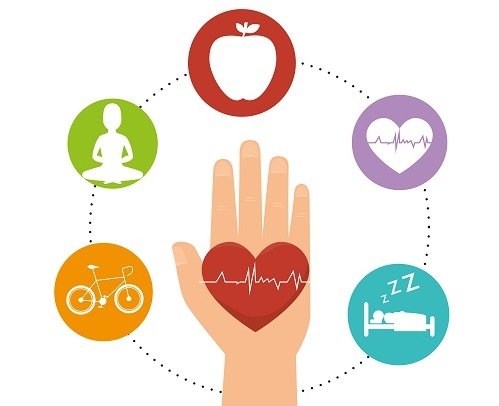
Mindful Tech Use: Balancing Screen Time and Mental Health
Updated at: 2023-08-05 23:08:20 (2 years ago by Melkisedeck Leon Shine)
Mindful Tech Use: Balancing Screen Time and Mental Health
In today's digital era, we are constantly surrounded by technology. From smartphones to laptops, our screens have become an integral part of our lives. While technology has undoubtedly made our lives more convenient and connected, it is important to recognize the impact it can have on our mental health. As AckySHINE, an expert in mindful tech use, I advise finding a balance between screen time and mental well-being. Let's explore 15 points on how to achieve this balance, with a touch of creativity and cheerfulness.
๐ฑ Understand the effects: Acknowledge the potential negative impacts excessive screen time can have on your mental health. Research has shown a link between increased screen time and symptoms of anxiety, depression, and poor sleep quality.
๐ Set boundaries: Establish boundaries for yourself when it comes to screen time. Designate specific time slots where you can enjoy your digital devices, but also ensure you have dedicated tech-free moments.
๐๏ธ Embrace the outdoors: Step away from your screens and immerse yourself in nature. Spending time outdoors has been proven to reduce stress levels and improve overall well-being.
๐ต Digital detox: Consider taking periodic breaks from all digital devices. Engage in activities that do not involve screens, such as reading a book, practicing a hobby, or spending quality time with loved ones.
๐ค Prioritize sleep: Make sleep a priority by implementing a technology-free bedtime routine. The blue light emitted by screens can disrupt your sleep patterns, so it's essential to give your mind and body a break before bed.
๐๏ธโโ๏ธ Stay active: Engage in physical activities that promote mental well-being. Exercise releases endorphins, which are natural mood boosters. Find activities you enjoy, whether it's yoga, dancing, or simply going for a walk.
๐ค Connect face-to-face: While technology allows us to connect with others easily, it's important not to neglect real-life relationships. Make an effort to spend quality time with friends and family in person.
๐จ Explore creative outlets: Use technology as a tool for creativity rather than mindless consumption. Try your hand at photography, digital art, or writing a blog. These activities can stimulate your mind and provide a sense of fulfillment.
๐๏ธ Prioritize tasks: Use digital tools to organize and prioritize your tasks effectively. This will help you stay focused and prevent feelings of overwhelm or stress.
๐ Practice mindfulness: Incorporate mindfulness techniques into your daily routine. Take a few moments each day to pause, breathe, and be present. Mindfulness can help reduce anxiety and improve overall mental well-being.
๐ซ Avoid comparison: Social media can often lead to feelings of inadequacy or FOMO (fear of missing out). Remember that what you see online is often a curated version of reality. Embrace your uniqueness and focus on your own journey.
๐ Journaling: Write down your thoughts and feelings in a journal. This can be a great way to reflect, release emotions, and gain clarity on your mental state.
๐ฎ Mindful gaming: If you enjoy gaming, choose games that challenge your mind or promote relaxation. Engage in multiplayer games to connect with friends and build social connections.
๐ Learn new skills: Use online platforms to learn new skills or pursue hobbies that interest you. This can be a great way to channel your screen time into personal growth and development.
โ Reflect and adapt: Regularly assess your tech use and its impact on your mental health. Be willing to make adjustments and find what works best for you. It's a journey, and finding balance may require some trial and error.
In conclusion, mindful tech use is about finding the right balance between screen time and mental well-being. Incorporate these 15 points into your daily life and observe the positive impact it can have. Remember, as AckySHINE, I recommend being aware of your tech habits, setting boundaries, and prioritizing activities that promote your overall mental health. Let's strive for a harmonious relationship with technology and enjoy the benefits without compromising our well-being. What are your thoughts on mindful tech use? Have you tried any of these techniques? Share your opinions!
Updated at: 2025-05-31 10:37:20 (6 months ago by Melkisedeck Leon Shine)
Modern life presents considerable challenges for men, including career pressures, familial responsibilities, and the constant pursuit of work-life balance. This sustained pressure often leads to chronic stress, negatively affecting both psychological and physiological health. Therefore, implementing effective stress management strategies is crucial for achieving optimal well-being. This article presents fifteen evidence-based techniques to cultivate resilience and enhance men's quality of life, emphasizing a proactive, holistic approach. These strategies draw upon established principles of stress and coping, incorporating the Transactional Model of Stress and Coping, Social Cognitive Theory, and the concept of self-efficacy. The Transactional Model highlights the dynamic interplay between the individual's appraisal of a stressor and their coping resources, emphasizing the importance of perceived control and available support. Social Cognitive Theory emphasizes the role of observational learning, self-efficacy, and environmental factors in shaping behavior, directly impacting coping strategies. Self-efficacy, the belief in one's ability to succeed in specific situations, is a key determinant of resilience and effective stress management.
1. Prioritizing Self-Care: A Foundation for Resilience and Well-being: Self-care, a cornerstone of proactive stress management, involves activities promoting physical and mental rejuvenation. Regular exercise, hobbies, mindfulness practices, and sufficient sleep replenish resources and mitigate stressor impact, aligning with the Conservation of Resources theory. This theory posits that individuals strive to acquire, retain, and protect resources essential for well-being, and self-care directly contributes to this resource pool.
2. Cultivating a Robust Support Network: The Power of Social Capital: Social support acts as a crucial buffer against stress. Social Support Theory emphasizes that strong social connections provide emotional resources, enhance self-esteem, and facilitate problem-solving. Actively nurturing relationships with family, friends, and colleagues, and seeking professional help when needed, are critical for stress management. This involves identifying supportive individuals and actively maintaining these relationships.
3. Establishing Realistic Goals and Effective Time Management: Optimizing Performance and Reducing Strain: Goal-setting theory highlights the importance of achievable goals. Overambitious goals lead to inadequacy and increased stress. Breaking down large tasks into smaller, manageable steps, using prioritization and delegation, and applying the Eisenhower Matrix (urgent/important) optimizes scheduling and prevents overload. This fosters a sense of accomplishment and boosts self-efficacy, enabling better stress management.
4. Developing Adaptive Coping Mechanisms: Moving Beyond Maladaptive Strategies: Maladaptive coping mechanisms, such as substance use, offer temporary relief but exacerbate underlying issues. Developing healthier coping strategies โ engaging in enjoyable activities, connecting with supportive individuals, or practicing relaxation techniques โ aligns with problem-focused and emotion-focused coping strategies. These strategies address either the stressor directly (problem-focused) or manage emotional responses to it (emotion-focused).
5. Harnessing the Power of Mindfulness and Relaxation Techniques: Regulating the Autonomic Nervous System: Mindfulness-based stress reduction (MBSR) techniques, such as meditation and deep breathing exercises, regulate the autonomic nervous system, reducing physiological stress responses. These practices promote present moment awareness, reducing rumination and anxiety. Studies demonstrate their impact on cortisol levels and other stress biomarkers.
6. Cultivating a Healthy Lifestyle: Building a Resilient Foundation: A healthy lifestyle forms the foundation for stress management. A balanced diet, regular physical activity, and adequate sleep maintain optimal physical and mental health, contributing to increased energy, improved mood regulation, and enhanced resilience. This approach supports the biopsychosocial model, recognizing the interconnectedness of biological, psychological, and social factors.
7. Setting Healthy Boundaries: Protecting Personal Resources: Setting clear boundaries prevents burnout and protects mental and emotional resources. This involves politely declining overwhelming requests and prioritizing self-care, reflecting self-awareness and self-respect, crucial components of stress resilience.
8. Practicing Positive Self-Talk: Enhancing Self-Efficacy and Resilience: Negative self-talk amplifies stress. Challenging negative thoughts and replacing them with positive affirmations fosters a more resilient mindset. This cognitive restructuring modifies maladaptive thought patterns, enhancing self-esteem and self-efficacy.
9. Managing Technology Consumption: Promoting Mental Clarity and Rest: Excessive technology use contributes to stress and anxiety. Scheduling technology-free periods, disconnecting from work emails outside work hours, and engaging in non-screen activities promote relaxation and mental clarity.
10. Harnessing the Power of Humor: The Therapeutic Effects of Laughter: Laughter, a potent stress reliever, releases endorphins, reducing stress hormones and boosting mood. Incorporating humor into daily life counteracts stress.
11. Seeking Professional Guidance: Utilizing Expert Support: When stress is overwhelming, professional help is crucial. Therapists and counselors provide personalized strategies and support.
12. Engaging in Meaningful Activities: Finding Purpose and Fulfillment: Engaging in value-aligned activities provides purpose and reduces stress levels. Volunteering, pursuing hobbies, or creative pursuits contribute to resilience and well-being.
13. Nurturing Meaningful Connections: Strengthening Social Bonds: Strong social connections provide emotional support and belonging, crucial for stress management. Investing time in relationships enhances well-being and resilience.
14. Prioritizing Sleep Hygiene: Restoring and Rejuvenating: Sufficient, quality sleep is essential. Establishing a regular sleep schedule and optimizing the sleep environment contributes significantly to stress management and well-being.
15. Regular Physical Activity: Enhancing Physical and Mental Health: Regular exercise reduces stress hormones, improves mood, and promotes better sleep, a crucial aspect of proactive stress management.
Conclusions and Recommendations:
Effective stress management for men demands a holistic approach integrating diverse strategies. This article presented fifteen evidence-based techniques grounded in psychological theories and models. A comprehensive approach encompassing proactive self-care, strong social support, and healthy lifestyle choices builds resilience and fosters well-being. Future research should explore the efficacy of these techniques across diverse male populations, analyzing their impact on various health outcomes. These strategies are applicable in workplace wellness programs and public health initiatives, promoting men's mental health. Recommendations include developing tailored interventions for specific age groups and occupational settings. Longitudinal studies investigating the long-term effects on stress levels, mental health, and quality of life are needed. Furthermore, research examining cultural influences on stress management practices in diverse settings will enhance intervention effectiveness. A mixed-methods approach, combining quantitative data on stress levels and qualitative data on lived experiences, could provide a more nuanced understanding of the effectiveness of these strategies and their applicability across different contexts.
Reader Pool: What additional strategies or modifications to the presented approaches would you suggest to enhance their effectiveness in diverse cultural and socioeconomic contexts for men's stress management?
Updated at: 2025-03-02 16:31:45 (9 months ago by Melkisedeck Leon Shine)
```htmlMen's sexual health is a critical component of overall well-being, yet societal stigmas and cultural norms often hinder open discussions. This silence creates a significant barrier to seeking help and maintaining healthy sexual lives. This article explores fifteen key reasons why fostering open conversations around men's sexual health is paramount to promoting wellness and fulfillment.
1. Dismantling the Stigma: Open dialogue is the first step towards breaking down deeply ingrained societal stigmas surrounding men's sexual health. A culture of acceptance allows men to express concerns without fear of judgment or shame, fostering a supportive and understanding environment.
2. Education and Awareness: Open conversations provide a platform for disseminating accurate information and dispelling harmful myths. Empowered by knowledge, men can make informed decisions about their sexual health and proactively seek necessary care.
3. Addressing Performance Anxiety: Performance anxiety is a widespread issue significantly impacting men's sexual well-being. Open discussion normalizes this experience, reassuring men they are not alone and offering strategies for managing anxiety and improving sexual experiences.
4. Cultivating Healthy Relationships: Open communication about sexual health is crucial for building strong, healthy relationships. Honest dialogue about desires, boundaries, and concerns strengthens intimacy and fosters mutual understanding and respect between partners.
5. Promoting Regular Check-ups: Openly discussing the importance of preventative sexual health check-ups encourages men to prioritize their well-being. Regular screenings for STIs, prostate cancer, and other conditions enable early detection and improved treatment outcomes.
6. Raising Awareness about Erectile Dysfunction (ED): Erectile dysfunction affects a substantial portion of the male population, yet misunderstanding and avoidance often prevail. Open conversations about ED encourage men to seek medical advice and explore treatment options, improving their quality of life.
7. Supporting Mental Well-being: A strong correlation exists between men's sexual health and mental well-being. Addressing the psychological impact of sexual health challenges, such as body image issues or performance anxiety, is essential for holistic well-being.
8. Building Supportive Networks: Open discussions create supportive communities where men can connect with others facing similar experiences. Sharing experiences reduces feelings of isolation and provides a safe space for seeking advice and emotional support.
9. Empowering Men to Seek Help: Embarrassment and fear of appearing weak often deter men from seeking professional help. Open dialogue normalizes help-seeking, empowering men to actively manage their sexual health.
10. Preventing Unintended Pregnancies: Open discussions about contraception and family planning are crucial. Educating men about various methods and their effectiveness promotes responsible sexual behavior and prevents unintended pregnancies.
11. Fostering Safe and Consensual Intimacy: Open conversations about consent, boundaries, and respect are fundamental to establishing safe and healthy sexual relationships. Promoting these values cultivates a culture that prioritizes the well-being of all individuals.
12. Embracing Sexual Diversity: Supporting men's sexual health requires embracing and respecting sexual diversity. Open conversations about diverse sexual orientations and identities promote inclusivity and ensure that all men feel valued and supported.
13. Encouraging Healthy Lifestyle Choices: Open dialogue extends to promoting healthy lifestyle choices, including regular exercise, balanced nutrition, and sufficient sleep, which all contribute to overall well-being and sexual health.
14. Normalizing Help-Seeking: Openly discussing sexual health concerns helps normalize seeking help from healthcare professionals or therapists, removing the stigma associated with seeking support.
15. Sustaining the Dialogue: Supporting men's sexual health is an ongoing process, requiring continuous open dialogue to ensure that men feel supported throughout their lives and that their needs are consistently addressed.
In conclusion, fostering open and honest conversations about men's sexual health is essential. By breaking down stigmas, promoting education, and creating supportive environments, we can empower men to prioritize their sexual well-being and lead healthier, happier lives. Let's initiate this critical dialogue and work together to improve men's sexual health.
Share your thoughts on the importance of open conversations regarding men's sexual health in the comments below.
```
Updated at: 2025-05-29 10:46:20 (6 months ago by Melkisedeck Leon Shine)
Societal well-being is intrinsically linked to the health of its male population. This comprehensive guide outlines fifteen crucial strategies for men to proactively manage their health, leading to more fulfilling and productive lives. We will explore evidence-based approaches emphasizing the application of health behavior models and the importance of a collaborative relationship with healthcare providers. This proactive health management represents an investment in longevity, improved quality of life, and enhanced overall societal productivity.
Regular health screenings are paramount in early detection and prevention of diseases. This aligns with the principles of preventative medicine and the disease surveillance model, emphasizing proactive intervention rather than reactive treatment. Annual physical examinations should include age-appropriate screenings such as blood pressure, cholesterol, and blood glucose monitoring, tailored to individual risk factors and family history. Early detection significantly improves treatment outcomes and overall prognosis, exemplifying the effectiveness of the "upstream" approach in public health.
Optimal health is predicated on the synergistic effects of regular physical activity and a balanced diet. The Health Belief Model highlights the importance of perceived susceptibility and perceived severity in motivating health-promoting behaviors. The CDC's recommendations of at least 150 minutes of moderate-intensity aerobic exercise or 75 minutes of vigorous-intensity aerobic activity per week, combined with strength training twice weekly, are crucial for maintaining cardiovascular health and musculoskeletal strength. Simultaneously, adhering to a diet rich in fruits, vegetables, lean proteins, and whole grains, while minimizing processed foods and sugary drinks, optimizes metabolic function and reduces the risk of chronic diseases. This approach leverages principles of the Social Cognitive Theory, emphasizing the role of self-efficacy and environmental factors in shaping health behaviors.
Mental health is inextricably linked to physical health. The biopsychosocial model underscores the interconnectedness of biological, psychological, and social factors in influencing well-being. Stress management techniques, such as mindfulness-based stress reduction (MBSR) and cognitive behavioral therapy (CBT), can mitigate the negative impacts of chronic stress on both mental and physical health. Cultivating strong social connections, as emphasized by social support theory, provides a crucial buffer against stress and promotes emotional resilience. Seeking professional help when needed is a sign of strength and self-awareness, critical for navigating complex emotional landscapes.
Sufficient sleep is crucial for physiological and cognitive restoration. Sleep deprivation negatively impacts various physiological processes, impacting immune function, mood regulation, and cognitive performance. Adhering to a consistent sleep schedule, creating a relaxing bedtime routine, and ensuring a conducive sleep environment are essential. Addressing persistent sleep disturbances through consultation with a healthcare professional is vital for ensuring optimal sleep quality, consistent with the principles of restorative sleep theory.
Maintaining a healthy weight through a combination of regular exercise and balanced nutrition significantly reduces the risk of various chronic diseases. The Transtheoretical Model (Stages of Change) is crucial for understanding the process of weight management, which involves progressing through different stages of change. A holistic approach involves setting realistic goals, adopting sustainable lifestyle changes, and seeking support from healthcare professionals or registered dietitians. This ensures effective and long-term weight management strategies tailored to individual needs and circumstances.
Excessive alcohol consumption and smoking are significant risk factors for various health problems. The principles of harm reduction emphasize minimizing negative consequences associated with substance use. Limiting alcohol intake or abstaining altogether and quitting smoking drastically improves health outcomes and reduces the risk of chronic diseases like cardiovascular disease and cancer. Support groups and cessation programs can significantly enhance the success of these efforts.
Safe sexual practices are essential for preventing sexually transmitted infections (STIs). Consistent use of barrier methods (e.g., condoms) and regular STI screenings, especially for individuals with multiple partners, are critical for minimizing risks. Open and honest communication with partners about sexual health fosters mutual respect and responsibility. Applying the principles of the Health Belief Model can aid in promoting safe sexual practices.
Regular health screenings serve as a cornerstone of preventative healthcare. These include blood pressure checks, cholesterol tests, blood sugar tests, and cancer screenings as appropriate based on age, risk factors, and family history. These strategies adhere to the principles of evidence-based medicine and aim for early intervention to prevent or manage disease progression, improving overall health outcomes.
Regular testicular self-examinations are crucial for early detection of testicular cancer. Performing monthly self-checks allows for the identification of any abnormalities (lumps, changes in size or shape, or pain). Promptly seeking professional medical attention if abnormalities are detected is critical for improving treatment outcomes and overall survival rates.
Maintaining a healthy work-life balance is paramount for overall well-being. Adhering to workplace safety protocols, practicing ergonomic techniques, and managing workplace stress are essential for preventing burnout and injury. This aligns with the principles of occupational health and safety, emphasizing the importance of a safe and supportive work environment.
Open and honest communication with healthcare providers is vital for effective healthcare. Proactive communication about health concerns, symptoms, or questions ensures accurate diagnoses, appropriate treatments, and improved health outcomes. The patient-centered medical home model emphasizes the importance of this collaborative partnership in achieving optimal health results.
Developing effective coping mechanisms for stress is vital for building resilience. Utilizing techniques like mindfulness, deep breathing exercises, and engaging in enjoyable hobbies enhances emotional regulation and reduces the negative impact of stress on physical and mental health. This concept is central to resilience theory, emphasizing adaptability and recovery in the face of adversity.
Strong social support networks are essential for mental and emotional well-being. Actively engaging with family, friends, and community members offers a crucial buffer against stress and fosters a sense of belonging and social cohesion. This reflects the principles of social support theory and underscores the importance of positive social interactions for health and well-being.
Understanding personal health information and actively participating in healthcare decisions empowers individuals to manage their own health effectively. Promoting health literacy and self-advocacy enables men to navigate the healthcare system effectively and make informed decisions about their well-being. This concept is crucial for promoting patient autonomy and collaborative care.
Health optimization is an ongoing process that requires continuous learning and adaptation. Staying informed about health advancements, adopting new healthy habits, and making adjustments based on personal circumstances ensures ongoing progress toward optimal well-being. This reflects the principles of lifelong learning and self-improvement in health management.
Updated at: 2023-08-05 23:08:19 (2 years ago by Melkisedeck Leon Shine)
๐ Celebrating Men's Health: Empowering Healthier Lives ๐๏ธโโ๏ธ
Men's health is an important topic that often goes overlooked in our society. However, as AckySHINE, I am here to shed light on the significance of men's health and empower men to take charge of their well-being. In this article, we will explore 15 points to celebrate and promote men's health. So, grab a cup of coffee โ๏ธ and let's dive in!
1๏ธโฃ Regular Exercise: Engaging in physical activities not only helps improve physical fitness but also boosts mental well-being. As AckySHINE, I recommend incorporating at least 150 minutes of moderate-intensity exercise, such as brisk walking or cycling, into your weekly routine.
2๏ธโฃ Balanced Diet: A healthy diet is key to maintaining overall well-being. Men should aim for a balanced intake of essential nutrients, including fruits, vegetables, lean proteins, and whole grains. Remember to hydrate frequently with water ๐ง and limit the consumption of processed foods.
3๏ธโฃ Mental Health Awareness: It's crucial to acknowledge that mental health is as important as physical health. Men should prioritize their mental well-being by seeking support when needed, practicing self-care, and engaging in stress-reducing activities like meditation or hobbies.
4๏ธโฃ Regular Health Check-ups: Prevention is always better than cure. As AckySHINE, I advise men to have regular health check-ups, including screenings for common conditions like high blood pressure, cholesterol levels, and prostate health.
5๏ธโฃ Adequate Sleep: Quality sleep is vital for optimal functioning and overall health. Make sure to establish a consistent sleep routine, create a comfortable sleep environment, and aim for 7-9 hours of uninterrupted sleep each night ๐ด.
6๏ธโฃ Safe Sexual Practices: Practicing safe sex is crucial for protecting both physical and reproductive health. Use protection like condoms and consider regular screening for sexually transmitted infections to ensure a healthy sexual life.
7๏ธโฃ Maintaining a Healthy Weight: Obesity and overweight can contribute to various health issues. As AckySHINE, I recommend maintaining a healthy weight through a combination of regular exercise and a balanced diet.
8๏ธโฃ Limit Alcohol Consumption: Excessive alcohol consumption can negatively impact men's health, leading to liver damage, increased risk of accidents, and various other health problems. As AckySHINE, I advise moderate alcohol consumption or considering alternatives like mocktails ๐น.
9๏ธโฃ Stress Management: Chronic stress can have detrimental effects on both physical and mental health. Find healthy ways to manage stress, such as exercise, practicing mindfulness techniques, or engaging in hobbies that bring joy and relaxation.
๐ Building Social Connections: Strong social connections and support systems are crucial for mental and emotional well-being. As AckySHINE, I encourage men to cultivate and nurture relationships with friends, family, and communities.
1๏ธโฃ1๏ธโฃ Regular Screenings: Regular health screenings, such as blood pressure checks, cholesterol tests, and cancer screenings, can help detect potential health issues early on. As AckySHINE, I recommend scheduling these screenings regularly.
1๏ธโฃ2๏ธโฃ Smoking Cessation: Quitting smoking is one of the best things men can do for their overall health. Smoking is a leading cause of preventable diseases such as lung cancer, heart disease, and respiratory issues. Seek support and resources to quit smoking for good ๐ญ.
1๏ธโฃ3๏ธโฃ Testicular Health Awareness: Testicular health is essential, and men should regularly perform self-examinations to detect any abnormalities or changes. AckySHINE recommends monthly self-checks and immediate medical attention if something unusual is noticed.
1๏ธโฃ4๏ธโฃ Occupational Health and Safety: Men often work in physically demanding or hazardous occupations. Prioritize workplace safety measures, use protective equipment, and follow proper ergonomic practices to prevent injuries and maintain your health.
1๏ธโฃ5๏ธโฃ Open Communication: Finally, it's crucial for men to feel comfortable discussing their health concerns openly. Don't hesitate to consult healthcare professionals, share symptoms, and ask questions. Remember, proactive communication leads to better health outcomes.
In conclusion, celebrating men's health means empowering men to take charge of their well-being through healthy lifestyle choices, regular check-ups, and open communication. As AckySHINE, I encourage all men to prioritize their health, set positive examples for others, and inspire a healthier and happier society.
Now, dear reader, what are your thoughts on men's health? How do you celebrate and promote it in your own life? Share your opinions in the comments below! ๐งก
Updated at: 2025-05-09 01:38:21 (7 months ago by Melkisedeck Leon Shine)
Sexual health and wellness are integral components of overall well-being, significantly influencing psychological and emotional well-being, and contributing substantially to life satisfaction. A comprehensive approach to sexual wellness necessitates attention comparable to physical and mental health maintenance. This exploration outlines fifteen strategies for cultivating and sustaining robust sexual vitality, grounded in established models of health and wellness.
Biopsychosocial Model of Sexual Health: Nutritional and Physical Foundations
The biopsychosocial model posits that biological, psychological, and social factors intricately intertwine to shape an individual's health. Applying this model to sexual wellness highlights the importance of addressing these interconnected elements.
Optimizing Nutritional Intake: A balanced diet, rich in micronutrients and macronutrients, is fundamental. The incorporation of libido-enhancing foods, such as almonds, avocados, and dark chocolate, alongside whole grains, lean proteins, and abundant fruits and vegetables, promotes sustained energy levels and overall vitality. This aligns with the principles of nutritional psychiatry, recognizing the strong link between diet and mental health, which profoundly impacts sexual function.
Enhancing Cardiovascular Health through Physical Activity: Regular physical activity, tailored to individual preferences and capabilities, is crucial. Activities like walking, jogging, swimming, or yoga enhance cardiovascular health, improving blood circulation, a pivotal factor in sexual function. This supports the principles of exercise physiology and its impact on vascular health.
Prioritizing Sleep Hygiene for Hormonal Regulation: Adequate sleep, typically 7-8 hours of quality rest, is paramount for optimal hormonal regulation, influencing libido and overall sexual function. Sleep deprivation negatively affects multiple physiological systems, underscoring the significance of prioritizing sleep hygiene.
Maintaining Adequate Hydration: Hydration is crucial for numerous bodily functions, including efficient blood flow and lubrication. Adequate water intake supports optimal physiological processes essential for sexual health.
Eliminating Tobacco Use: Smoking significantly impairs blood flow, contributing substantially to erectile dysfunction and other sexual health complications. Cessation of smoking offers substantial improvements in both overall and sexual health outcomes.
Moderating Alcohol Consumption: Excessive alcohol consumption negatively impacts sexual performance and overall health. Moderate and responsible alcohol use, adhering to recommended guidelines, is advisable.
Psychological and Relational Dimensions of Sexual Wellness
Addressing the psychological and relational aspects of sexual health is equally crucial. This section explores the impact of stress management, communication, and intimacy on sexual vitality.
Implementing Effective Stress Management Techniques: Stress significantly diminishes libido and sexual performance. Implementing stress reduction strategies, such as meditation, deep breathing exercises, yoga, or engaging in enjoyable hobbies, is vital for mitigating the negative impact of stress on sexual health. This is consistent with stress management theories and their impact on overall well-being.
Cultivating a Balanced Approach to Sexual Stimuli: While occasional pornography consumption may not be inherently harmful, excessive use can contribute to unrealistic expectations and sexual desensitization. A balanced approach to sexual stimuli is recommended.
Optimizing Vitamin D Levels through Sun Exposure: Adequate sunlight exposure is essential for Vitamin D synthesis, a nutrient with a recognized role in sexual health. Regular sun exposure, while adhering to sun safety guidelines, is recommended.
Fostering Open Communication and Shared Decision-Making: Open and honest communication with one's partner forms the foundation of a fulfilling sexual relationship. Discussing desires, addressing concerns, and collaboratively exploring ways to enhance intimacy are crucial for mutual satisfaction. This aligns with communication theories in interpersonal relationships.
Building Intimacy Beyond Sexual Intercourse: Intimacy encompasses various forms of physical affection beyond sexual intercourse. Cuddling, kissing, and other expressions of physical affection foster deep emotional connection and enhance relationship satisfaction.
Enhancing Sexual Self-Awareness and Practice
This section focuses on embracing personal sexuality, continuous learning, and safe sexual practices.
Embracing Positive Sexual Self-Concept: Embracing one's sexuality as a positive and integral aspect of life is essential for sexual well-being. Exploring personal desires and preferences without shame or guilt contributes to a positive self-image.
Pursuing Continuous Education and Self-Development: Staying informed about sexual health, techniques, and practices through reading, workshops, or consultations with healthcare professionals expands knowledge and enhances understanding. This aligns with principles of lifelong learning and self-improvement.
Prioritizing Safe Sexual Practices: Safe sex practices, including consistent use of barrier methods like condoms and regular STI testing, are crucial for preventing the transmission of sexually transmitted infections (STIs).
Regular Self-Reflection and Adjustment: Regular reflection on sexual experiences, identification of sources of pleasure, and open communication of preferences with one's partner facilitates continuous adaptation and refinement of sexual wellness practices.
Conclusions and Recommendations
Sexual wellness is a multifaceted journey requiring a holistic approach encompassing biological, psychological, and relational factors. This integrated approach, incorporating nutritional optimization, stress management, open communication, and safe sexual practices, significantly enhances sexual vitality. Further research is warranted to explore the long-term effects of these strategies on different demographics and to develop culturally sensitive interventions. The application of these recommendations, coupled with proactive self-care and open communication, paves the way toward a fulfilling and vibrant sexual life. Seeking professional guidance from healthcare providers or sex therapists when needed is highly recommended. The integration of these strategies into comprehensive sexual health education programs could have a significant public health impact.
Updated at: 2025-05-12 17:25:19 (7 months ago by Melkisedeck Leon Shine)
In contemporary society, characterized by relentless demands and rapid pace, the cultivation of inner peace and mental well-being is paramount for men. Mindfulness and meditation, defined respectively as the practice of focusing attention on the present moment without judgment, and the act of training the mind to focus and redirect attention, offer potent strategies for achieving this equilibrium. This exploration will analyze the multifaceted benefits of these practices for men's holistic well-being, examining their impact on various aspects of life through established psychological and physiological frameworks.
Enhanced Self-Awareness and Emotional Regulation: Through mindful observation of thoughts, emotions, and bodily sensations, men gain increased self-awareness, a cornerstone of emotional intelligence. This heightened awareness, as described by the self-regulation model, facilitates improved emotional regulation, allowing for more balanced responses to stressors. Regular meditation practice, particularly utilizing techniques such as Vipassanฤ meditation, strengthens this self-regulatory capacity, enabling men to navigate challenging situations with greater composure.
Stress Reduction and Cognitive Enhancement: The practice of mindfulness directly counteracts the physiological effects of stress. By anchoring attention to the present, the mind disengages from rumination on past anxieties or future uncertainties. This process aligns with the principles of Cognitive Behavioral Therapy (CBT), interrupting negative thought patterns and promoting a sense of calm. Furthermore, studies support the notion that mindfulness meditation enhances cognitive functions, including focus, memory, and executive function, potentially through increased grey matter density in brain regions associated with attention and self-awareness.
Anger Management and Improved Relationships: Mindfulness and meditation provide powerful tools for anger management. By fostering self-awareness, these practices allow men to identify the triggers and physiological responses associated with anger, interrupting the impulsive reaction cycle. This aligns with the principles of Dialectical Behavior Therapy (DBT), emphasizing mindful acceptance of emotions alongside skills for emotional regulation. This improved emotional intelligence fosters healthier communication patterns and enhances relationship quality.
Promoting Self-Compassion and Self-Acceptance: Mindfulness cultivates self-compassion, a key element of positive psychology. By practicing kindness and acceptance towards oneself, even during moments of struggle or self-criticism, men build resilience and self-esteem. This process counters negative self-talk, a significant contributor to low self-worth, as identified in self-esteem theory. The development of self-compassion facilitates greater self-acceptance and overall happiness.
Physical Health Benefits and Transcending Societal Norms: Empirical evidence suggests that regular mindfulness and meditation practices positively influence physical health. Studies have demonstrated links between these practices and reduced blood pressure, improved sleep quality, and enhanced immune function. Furthermore, by fostering self-discovery and self-acceptance, these practices empower men to break free from restrictive societal expectations, promoting authenticity and self-expression. This aligns with humanistic psychology's emphasis on self-actualization and personal growth.
Creative Expression and Global Perspective: The quieting of the mind through meditation can unlock creative potential, providing a space for intuition and inspiration. This resonates with theories of creativity that highlight the role of divergent thinking and the importance of accessing unconscious processes. Moreover, cultivating inner peace often translates to increased empathy and compassion, fostering a broader, interconnected worldview and improving interpersonal relationships at all levels.
Practical Application and Accessibility: The benefits of mindfulness and meditation are widely accessible, regardless of background or belief systems. Numerous apps and online resources offer guided practices, making these techniques readily available. Even brief daily sessions can yield substantial benefits. The integration of mindfulness into daily routines of high-achieving individuals, from athletes to CEOs, underscores its practical applicability across diverse fields.
Mindfulness and meditation offer a comprehensive approach to enhancing men's well-being, impacting emotional regulation, cognitive function, physical health, and interpersonal relationships. These practices, grounded in established psychological and physiological principles, are accessible and adaptable to individual needs. Further research could explore the specific mechanisms through which these practices influence brain plasticity and hormonal responses, leading to more targeted interventions. Promoting the integration of mindfulness and meditation into men's health initiatives could have a significant positive impact on mental and physical health outcomes. The universality of these techniques makes them a valuable tool for addressing a wide range of challenges, from stress management to relationship difficulties and self-esteem concerns.
Reader Pool: Considering the presented evidence on the benefits of mindfulness and meditation for men, what further research avenues would you propose to explore the long-term impacts of these practices on specific demographic groups within the male population?
Updated at: 2025-05-18 14:23:02 (7 months ago by Melkisedeck Leon Shine)
Holistic wellness transcends a fleeting trend; it represents the fundamental principle of the inextricable link between the mind and body. A substantial body of research substantiates the profound bidirectional influence of mental well-being on physical health, and vice versa. This article explores this dynamic interplay, providing evidence-based strategies for cultivating a balanced and flourishing life. Understanding this fundamental connection is paramount to realizing one's full potential for vibrant health and happiness. Key concepts explored include the biopsychosocial model, the concept of allostasis and allostatic load, the gut-brain axis, and the application of various therapeutic modalities.
The biopsychosocial model posits that biological, psychological, and social factors interact dynamically to influence health and illness. This model highlights the interconnectedness of physical and mental processes, emphasizing that a holistic approach is necessary for optimal well-being. For instance, chronic stress, a prominent psychological factor, triggers the hypothalamic-pituitary-adrenal (HPA) axis, leading to the release of cortisol. Prolonged elevation of cortisol (allostatic load) is linked to various physical ailments, including cardiovascular disease, immune dysfunction, and gastrointestinal problems. Conversely, positive mental states foster resilience, promoting efficient allostasis (adaptation to stress) and enhancing physiological well-being.
Cultivating positive emotions transcends mere optimism; it represents a proactive approach to well-being, rooted in cognitive restructuring and fostering resilience. Positive psychology principles emphasize the importance of cultivating positive emotions, engaging in meaningful activities, and building strong relationships. Research consistently demonstrates that optimism enhances immune function, accelerates healing processes, and improves overall health outcomes. This positive mindset strengthens coping mechanisms in the face of adversity, fostering inner peace and enhancing life satisfaction. The concept of learned optimism, developed by Martin Seligman, highlights how individuals can cultivate a more optimistic outlook through cognitive techniques and behavioral changes.
Effective stress management is pivotal to holistic wellness, requiring the integration of stress-reducing techniques into daily life. Mindfulness-based stress reduction (MBSR) techniques, including meditation, deep breathing exercises, and yoga, effectively calm the nervous system and mitigate the physical consequences of stress. These practices promote relaxation, improve sleep quality, and contribute significantly to both mental and physical health. Regular practice builds resilience, enabling individuals to navigate challenges with increased ease and composure. Furthermore, the practice of yoga, for example, combines physical postures, breathing techniques, and meditation to reduce stress and promote relaxation.
The gut-brain axis, a rapidly expanding area of research, elucidates the intricate bidirectional communication pathway between the gastrointestinal system and the brain. Maintaining a healthy gut microbiome, through a diet rich in prebiotics and probiotics, is crucial for both digestive and mental health. A flourishing gut microbiome contributes to improved mood, reduced anxiety, and enhanced cognitive function. The gut microbiome produces neurotransmitters like serotonin and dopamine, which have a significant impact on mood regulation and cognitive function. Nourishing the gut is therefore an investment in both physical and mental well-being. This supports the concept of the microbiota-gut-brain axis as a significant factor in overall health.
Chronic pain management benefits significantly from a mind-body approach. Mindfulness practices, visualization techniques, and Cognitive Behavioral Therapy (CBT) effectively reduce pain perception and enhance quality of life. These interventions empower individuals to actively participate in pain management, fostering a sense of control and reducing feelings of helplessness. CBT, for example, helps individuals identify and change negative thought patterns and behaviors that contribute to their pain experience. The gate control theory of pain further explains how psychological factors can modulate pain perception.
Holistic therapies, such as acupuncture, aromatherapy, and Reiki, offer complementary approaches to wellness. These practices aim to restore physiological balance, addressing both the physical and emotional dimensions of health. They can be particularly effective in managing stress, promoting relaxation, and supporting the body's natural healing processes. Acupuncture, for instance, works by stimulating specific points on the body to influence energy flow and reduce pain. These therapies often complement conventional medical approaches.
Optimal nutrition forms the cornerstone of holistic well-being. A balanced diet, rich in fruits, vegetables, whole grains, and lean proteins, provides essential nutrients for optimal brain function and physical health. Prioritizing nutrient-dense foods boosts energy levels, improves mood, and enhances cognitive performance. The effect of nutrition on neurotransmitter production highlights its importance for mental health. For example, deficiencies in certain vitamins and minerals can negatively impact mood and cognitive function.
Strong social connections are fundamental to both mental and physical health. Social support theory underscores the importance of positive relationships in buffering against stress and promoting well-being. Nurturing positive relationships, participating in social activities, and cultivating a sense of belonging provide crucial emotional support and reduce feelings of isolation. Meaningful connections enhance happiness, mitigate stress, and foster a stronger sense of purpose. The social determinants of health model illustrates the profound impact of social factors on overall well-being.
Self-care is not a luxury but a necessity. Prioritizing self-care activitiesโengaging in hobbies, practicing mindfulness, or simply taking time to relaxโis crucial for replenishing energy and nurturing a healthy mind-body connection. Regular self-care improves mood, reduces stress, and enhances resilience. This aligns with the self-determination theory which highlights the importance of autonomy, competence, and relatedness in promoting well-being.
Quality sleep is paramount for overall health; sleep deprivation significantly impacts cognitive function and emotional regulation. Establishing a relaxing bedtime routine, minimizing screen time before sleep, and creating a conducive sleep environment are crucial for promoting restorative sleep and enhancing both physical and mental well-being. Prioritizing sleep is an investment in overall health and vitality. Sleep hygiene practices, such as maintaining a consistent sleep schedule and creating a dark, quiet sleep environment, are essential for promoting good sleep quality.
Humor and laughter are potent tools for well-being; laughter releases endorphins, elevates mood, and boosts the immune system. Incorporating laughter into daily life significantly improves overall well-being. This aligns with the benefits of positive affect on health and well-being.
Mindfulness, the practice of cultivating present moment awareness without judgment, reduces stress, enhances emotional regulation, and fosters a deeper appreciation for life's simple pleasures. Mindfulness practices can be integrated into daily activities, promoting presence and inner calm. Regular mindfulness practice strengthens stress management skills and enhances overall well-being. Mindfulness-based interventions have shown efficacy in reducing stress and improving mental health.
Maintaining a healthy balance between technology and real-life experiences is essential in our digital age. Setting boundaries around screen time, engaging in technology-free activities, and prioritizing face-to-face interactions are crucial for safeguarding mental and emotional well-being. Consciously disconnecting from technology allows reconnection with oneself and the surrounding world. This is crucial in light of the increasing evidence of technology overuse's negative impact on mental health.
Regular physical activity benefits both physical and mental health. Exercise releases endorphins, reduces stress, improves sleep, and boosts mood. Finding enjoyable forms of movement and incorporating them into a routine profoundly impacts overall well-being. Exercise also influences brain plasticity and neurogenesis, promoting cognitive function and mental health. The exercise-induced release of endorphins contributes to improved mood and reduced stress.
Seeking professional support is crucial if struggling with stress, anxiety, or chronic pain. Mental health professionals, therapists, and holistic practitioners offer personalized guidance and support. Seeking help is a sign of strength, not weakness, and a crucial step towards achieving lasting well-being. The collaborative care model emphasizes the importance of integrating mental health services with primary care to provide comprehensive support.
The mind-body connection is a powerful force emphasizing the inseparable link between mental and physical health. Adopting a holistic approach to wellnessโincorporating physical activity, healthy nutrition, stress management techniques, and mindful practicesโnurturing this vital connection cultivates a life of vibrant well-being. Prioritizing self-care, positive relationships, and seeking support when necessary unlocks one's full potential for health and happiness.
Conclusions and Recommendations: This exploration of the mind-body connection underscores the critical need for holistic approaches to health and well-being. Integrating evidence-based strategies across multiple domains โ physical activity, nutrition, stress management, and mindfulness โ empowers individuals to proactively manage their physical and mental health. Future research could focus on developing more personalized interventions tailored to individual needs and preferences, exploring the long-term effects of holistic wellness practices on various health outcomes, and examining the cost-effectiveness of holistic approaches to healthcare. The findings presented here highlight the significant impact of lifestyle choices on overall well-being and suggest the need for a shift towards a more preventative and holistic model of healthcare. The applicability of these findings extends to various settings, from individual self-care to public health initiatives promoting wellness. The integration of these principles into healthcare systems could lead to improved health outcomes and reduced healthcare costs in the long run.
Reader Pool: How might the integration of mind-body approaches into conventional healthcare systems enhance patient outcomes and contribute to a more sustainable and cost-effective healthcare model?
Updated at: 2025-06-22 02:39:25 (6 months ago by Melkisedeck Leon Shine)
Maintaining optimal hydration is paramount for athletic performance and overall health. This article examines the critical role of water and electrolyte balance during exercise, providing evidence-based strategies for achieving peak physical function. Key concepts discussed include hydration, electrolyte balance, and the application of fluid and electrolyte management strategies across various exercise intensities and environmental conditions. We will explore these concepts within the frameworks of homeostasis, fluid balance, and the physiological effects of dehydration.
Physical activity significantly disrupts homeostasis, leading to substantial fluid loss through sweat and respiration. Dehydration, resulting from this fluid deficit, impairs thermoregulation, reduces cardiovascular efficiency (decreased stroke volume, increased heart rate), and compromises neuromuscular function, ultimately leading to reduced athletic performance and increased risk of heat-related illnesses. Adequate hydration is thus crucial in maintaining homeostasis and ensuring optimal physiological function during exercise. This is supported by numerous studies demonstrating the negative impact of even mild dehydration on exercise capacity and performance.
Electrolytes, such as sodium (Na+), potassium (K+), and magnesium (Mg2+), are essential minerals that regulate fluid balance, neuromuscular transmission, and muscle contraction. Significant electrolyte loss occurs during prolonged or intense exercise through sweat, impacting these critical physiological processes. Replenishing these electrolytes is as important as replacing fluid volume to prevent hyponatremia (dangerously low sodium levels), muscle cramps, and fatigue. The process can be explained through the principles of fluid and electrolyte transport across cell membranes.
Effective hydration management follows a multi-phased approach, encompassing pre-hydration, intra-hydration, and post-hydration strategies. This approach can be viewed through the lens of a dynamic equilibrium model, where hydration levels need to be continually adjusted to match fluid and electrolyte losses. These three phases are not independent, rather, they are interconnected and synergistic components of a comprehensive hydration strategy.
Pre-exercise hydration aims to begin exercise with adequate fluid stores and electrolyte levels. Consuming sufficient fluids (16-20 ounces of water 2-3 hours prior, followed by an additional 8-10 ounces 10-20 minutes before exercise) helps prevent early onset of dehydration and maintains optimal plasma volume, which is critical for cardiovascular efficiency. This preemptive approach aligns with the principles of proactive physiological management.
Intra-exercise hydration focuses on matching fluid and electrolyte losses during activity. Regularly consuming water or electrolyte beverages throughout exercise helps to maintain hydration status and prevent significant reductions in plasma volume and electrolyte concentrations. The selection of the appropriate beverage should consider the duration and intensity of exercise. The rate of fluid intake should be individualized and adjusted according to sweat rate.
Post-exercise hydration aims to replenish fluid and electrolyte losses to support recovery and restore homeostasis. This includes replacing fluids lost through sweat, as well as replenishing electrolytes lost through sweat. A general guideline is to consume 16-24 ounces of fluid for every pound of weight lost, emphasizing electrolyte-rich fluids to facilitate rehydration and muscle recovery. This aligns with the principles of restorative physiology and recovery optimization. The timing of fluid and electrolyte replenishment is critical for efficient recovery.
Incorporating electrolyte-rich foods such as bananas, oranges, coconut water, and yogurt into the diet provides a natural and sustained approach to electrolyte replenishment. These foods contribute to overall hydration and health, offering a complementary approach to sports drinks and other electrolyte supplements.
Environmental factors like heat and humidity significantly increase sweat rate and fluid loss, demanding a modified hydration strategy. Similarly, exercise intensity and duration significantly affect hydration needs. Endurance events necessitate a more prolonged hydration approach, while high-intensity interval training may require immediate fluid replenishment to prevent rapid dehydration. This requires a flexible and adaptable approach to hydration management tailored to the individual's specific needs and circumstances.
Recognizing the signs of dehydrationโincreased thirst, dry mouth, fatigue, dizziness, and dark-colored urineโis crucial. Promptly increasing fluid intake and addressing potential electrolyte imbalances are essential for preventing further dehydration and its negative consequences. Early detection allows for timely intervention, minimizing potential performance decrements and health risks.
Individual hydration needs vary based on factors such as body size, activity level, metabolic rate, and environmental conditions. A personalized hydration strategy, based on individual assessment and monitoring, is crucial for optimizing performance and well-being. Regular self-monitoring of fluid intake and urine color can aid in determining individual needs.
Updated at: 2025-06-01 10:23:44 (6 months ago by Melkisedeck Leon Shine)
```htmlSleep, a fundamental pillar of human health, allows for physiological restoration and cognitive rejuvenation. However, obstructive sleep apnea (OSA), a prevalent sleep disorder, significantly compromises sleep quality. This article provides a comprehensive overview of OSA, its management, and strategies for improving restorative sleep, drawing upon relevant medical concepts and models.
Obstructive sleep apnea (OSA) is characterized by recurrent episodes of complete or partial upper airway obstruction during sleep, leading to apneas (cessation of breathing) and hypopneas (decreased breathing). This intermittent hypoxia (reduced oxygen levels) and hypercapnia (increased carbon dioxide levels) disrupt sleep architecture, causing fragmented sleep and reduced sleep efficiency. The pathophysiology involves interplay of anatomical factors (e.g., narrowed airway, enlarged tonsils, obesity), neuromuscular dysfunction (decreased upper airway muscle tone), and potential genetic predispositions. The severity of OSA is assessed using the Apnea-Hypopnea Index (AHI), which quantifies the number of apneas and hypopneas per hour of sleep. OSA's impact extends beyond daytime sleepiness, affecting cardiovascular health, cognitive function, and overall quality of life, highlighting the need for effective management.
OSA frequently presents with symptoms including loud snoring, witnessed apneas (breathing pauses), excessive daytime sleepiness, morning headaches, impaired cognitive function (e.g., difficulty concentrating, memory problems), and irritability. These symptoms, often reported by bed partners, warrant a clinical evaluation. Polysomnography (PSG), a comprehensive sleep study, remains the gold standard for diagnosing OSA, objectively assessing sleep stages, breathing patterns, and oxygen saturation. This allows for precise AHI calculation and aids in treatment planning. Other diagnostic tools, such as home sleep apnea testing (HSAT), offer a more convenient, albeit less comprehensive, alternative.
OSA management typically involves a combination of lifestyle modifications, therapeutic interventions, and ongoing medical monitoring. This integrated approach aligns with the biopsychosocial model, addressing biological, psychological, and social factors contributing to the condition.
Weight management is paramount, as obesity significantly increases OSA risk. Weight loss, even modest amounts, can substantially improve symptoms. This aligns with the principles of metabolic health and its impact on respiratory function. Regular exercise, promoting healthy weight and improving respiratory muscle strength, is also crucial. Furthermore, minimizing alcohol consumption and avoiding sedatives before sleep is advised, as these substances relax pharyngeal muscles, exacerbating airway obstruction. This strategy is supported by evidence showing the negative impact of alcohol and sedatives on sleep quality and breathing patterns.
Creating a conducive sleep environment is essential for improved sleep quality. Sleeping on one's side rather than supine (on the back) position helps maintain airway patency. Ergonomic considerations extend to choosing a supportive mattress and pillow to promote proper spinal alignment and comfortable breathing. A dark, cool, and quiet bedroom minimizes environmental sleep disturbances and improves sleep hygiene.
Stress and anxiety can worsen OSA symptoms. Incorporating relaxation techniques like deep breathing exercises, mindfulness meditation, or progressive muscle relaxation into a pre-sleep routine can promote relaxation and improve sleep onset. This aligns with the principles of stress management and its positive impact on the autonomic nervous system. Limiting screen time before bed minimizes exposure to blue light, which interferes with melatonin production and circadian rhythm regulation. Establishing a regular sleep schedule further reinforces the body's natural sleep-wake cycle, promoting more regular and efficient sleep.
Continuous positive airway pressure (CPAP) therapy remains the first-line treatment for moderate to severe OSA. CPAP delivers a continuous flow of pressurized air through a mask, preventing airway collapse during sleep. Adherence to CPAP therapy is critical for efficacy. Oral appliances, custom-fitted devices that reposition the jaw and tongue, provide an alternative for mild to moderate OSA. Surgical interventions, such as uvulopalatopharyngoplasty (UPPP) or other procedures, may be considered in select cases, especially when anatomical abnormalities contribute significantly to OSA.
Regular follow-up appointments with a healthcare professional are essential for monitoring treatment efficacy, addressing any complications, and adjusting the treatment plan as needed. This allows for continuous assessment of AHI, symptom improvement, and overall health outcomes. Participation in support groups or online communities provides valuable emotional support and facilitates knowledge sharing among individuals managing OSA.
Effective OSA management necessitates a holistic and individualized approach that combines lifestyle adjustments, behavioral therapies, and potentially medical interventions. The integrated strategy presented, encompassing lifestyle modifications, sleep environment optimization, relaxation techniques, and medical treatments, aligns with a biopsychosocial model for comprehensive care. Further research is needed to explore the interplay of genetic and environmental factors in OSA development and to evaluate novel treatment approaches, particularly non-invasive interventions targeting neuromuscular dysfunction. The long-term impacts of untreated OSA on cardiovascular health and cognitive function underscore the importance of early diagnosis and comprehensive management. Personalized treatment plans, incorporating regular monitoring and patient support, are crucial for achieving optimal outcomes and improving the quality of life for individuals affected by this prevalent sleep disorder.
Reader Pool: Considering the multifaceted nature of OSA management presented in this article, what additional factors, beyond those discussed, should be considered for a truly comprehensive and personalized treatment approach?
```