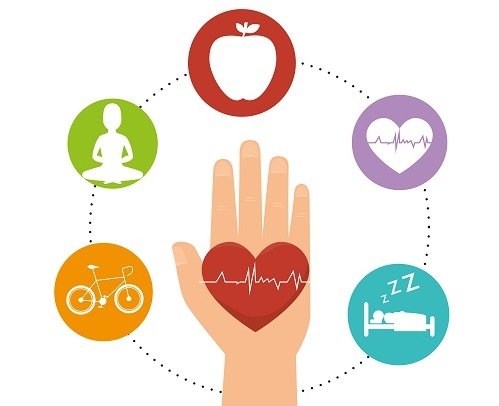
Managing Autoimmune Disorders: Tips for Women
Updated at: 2023-08-05 23:03:12 (3 years ago by Melkisedeck Leon Shine)
Managing Autoimmune Disorders: Tips for Women
Living with an autoimmune disorder can be challenging, but with the right management strategies, women can lead healthy and fulfilling lives. As someone who has dedicated years to studying and understanding autoimmune disorders, I, AckySHINE, am here to provide you with valuable tips and advice to help you navigate this journey. So, let's dive in and explore how you can better manage your autoimmune disorder as a woman.
Educate Yourself: Understanding your specific autoimmune disorder is key to managing it effectively. Research about the condition, its symptoms, triggers, and available treatments. π
Build a Support Network: Surround yourself with people who understand and support you. Connect with other women who are going through similar experiences and join support groups or online communities. π€
Prioritize Self-Care: Taking care of your physical and mental wellbeing is crucial. Make time for activities you enjoy, practice mindfulness, and ensure you get enough rest and sleep. πββοΈ
Follow a Balanced Diet: A healthy diet can play a significant role in managing autoimmune disorders. Focus on nutrient-dense foods, incorporate anti-inflammatory ingredients, and limit processed foods and added sugars. π₯
Regular Exercise: Engaging in regular physical activity can help manage symptoms and improve overall health. Choose activities that are suitable for your condition, such as swimming, yoga, or walking. ποΈββοΈ
Manage Stress: Stress can exacerbate autoimmune symptoms. Find stress-relieving techniques that work for you, such as meditation, deep breathing exercises, or engaging in hobbies you enjoy. π§ββοΈ
Stay Consistent with Medications: Follow your prescribed medication regimen diligently. Skipping doses or stopping medications abruptly can have adverse effects on your health. π
Monitor Your Symptoms: Keep a symptom journal to track any changes or triggers. This will help you identify patterns and make necessary adjustments to your lifestyle or treatment plan. π
Stay Hydrated: Drinking enough water is essential for maintaining optimum health. Aim for at least eight glasses of water a day to support your body's functions. π¦
Protect Yourself from the Sun: Many autoimmune disorders can make your skin more sensitive to the sun. Always wear sunscreen, protective clothing, and seek shade when necessary. π
Communicate with Your Healthcare Provider: Regularly check in with your healthcare provider, share your concerns, and discuss any changes in your symptoms or treatment plan. Open communication is crucial for effective management. π
Get Regular Check-ups: Routine check-ups and screenings can help identify any potential complications or changes in your condition. Stay proactive in managing your health. π©ββοΈ
Pace Yourself: It's important to listen to your body and not overexert yourself. Pace your activities and learn to say no when necessary. Remember, self-care should always be a priority. β³
Find Stress-Relieving Activities: Engage in activities that bring you joy and help alleviate stress. Whether it's painting, gardening, or spending time with loved ones, make time for things that make you happy. πΌ
Be Kind to Yourself: Living with an autoimmune disorder can be challenging, so be gentle with yourself. Acknowledge your achievements, celebrate small wins, and remember that you are doing your best. π
Remember, these tips are general guidelines, and it's important to consult with your healthcare provider for personalized advice. Each autoimmune disorder is unique, and what works for one person may not work for another. Share your opinions and experiences below and let's support each other on this journey! πͺπ
Updated at: 2023-08-05 23:02:37 (3 years ago by Melkisedeck Leon Shine)
Supporting Women with Postpartum Challenges πΈ
Bringing a new life into the world is a joyful and transformative experience. However, for many women, the postpartum period can be accompanied by a range of physical and emotional challenges. As AckySHINE, I advise that it is crucial for society to come together to support these women during this delicate time. In this article, I will discuss 15 ways in which we can offer our support and help women navigate through the postpartum challenges they may face. π€±πͺ
Provide Emotional Support: Women may experience a rollercoaster of emotions during the postpartum period. As AckySHINE, I recommend offering a listening ear and a shoulder to lean on. ππ
Offer Practical Help: New mothers often struggle with everyday tasks while adjusting to their new role. As AckySHINE, I suggest lending a helping hand by offering to cook meals, run errands, or help with household chores. π½οΈππ§Ί
Encourage Self-Care: Remind women to prioritize their own well-being. Encourage them to take breaks, practice self-care activities, and seek help when needed. As AckySHINE, I emphasize the importance of self-care in maintaining overall mental and physical health. πββοΈπ
Educate on Postpartum Challenges: Many women are unaware of the potential challenges they may face during the postpartum period. As AckySHINE, I recommend providing information and resources to help women better understand and prepare for these challenges. ππ°
Normalize Postpartum Experiences: As AckySHINE, I emphasize the need to normalize the postpartum experience and discuss it openly. By doing so, we can reduce the stigma surrounding postpartum challenges and foster a supportive environment. ππ£οΈ
Connect with Support Groups: Encourage women to join support groups where they can connect with other mothers facing similar challenges. These groups provide a safe space for sharing experiences, seeking advice, and finding camaraderie. As AckySHINE, I recommend researching local support groups or online communities that cater to postpartum women. π€π
Promote Breastfeeding Support: Breastfeeding can be a challenging journey for some women. As AckySHINE, I recommend promoting breastfeeding support services such as lactation consultants or breastfeeding peer counselors. These professionals can provide valuable guidance to new mothers. π€±πΌ
Involve Partners and Family: The support of partners and family members can make a world of difference for postpartum women. As AckySHINE, I advise involving partners and family in the support process, encouraging them to provide emotional and practical help. π¨βπ©βπ§βπ¦π
Provide Resources for Mental Health: Postpartum depression and anxiety are common challenges faced by many women. As AckySHINE, I recommend providing information about mental health resources and encouraging women to seek professional help if needed. ππββοΈ
Encourage Body Positivity: It is important to remind women that their bodies have gone through significant changes during pregnancy and childbirth. As AckySHINE, I recommend promoting body positivity and self-acceptance by highlighting the beauty of the postpartum body. πΊπ
Offer Childcare Assistance: Balancing the demands of a newborn baby can be overwhelming for new mothers. As AckySHINE, I suggest offering childcare assistance, such as babysitting or arranging playdates, to give mothers a much-needed break. πΌπΆπ
Be Non-Judgmental: Every woman's postpartum experience is unique. As AckySHINE, I encourage avoiding judgment and instead offering support and empathy. Let's remember that what works for one person may not work for another. π ββοΈβ€οΈ
Help with Meal Preparation: Proper nutrition is essential for postpartum recovery. As AckySHINE, I recommend organizing a meal train or providing pre-made meals to help alleviate the burden of cooking for new mothers. π²π©βπ³
Assist with Baby Care: Taking care of a newborn can be exhausting. As AckySHINE, I suggest offering to help with baby care tasks, such as diaper changing, soothing, or feeding. This can provide mothers with much-needed rest and support. πΆβ€οΈ
Advocate for Policy Changes: As AckySHINE, I believe it is crucial to advocate for policy changes that support postpartum women. This includes extended maternity leave, access to affordable healthcare, and increased mental health support. ππͺ
In conclusion, supporting women with postpartum challenges requires a collective effort from society. By offering emotional support, practical help, and resources, we can help women navigate through this transformative period with confidence and resilience. Let's be there for our new mothers and celebrate the beautiful journey of motherhood together! ππΈ
What do you think about these ways to support women with postpartum challenges? Do you have any other suggestions to add? Share your thoughts!
Updated at: 2023-08-05 23:00:15 (3 years ago by Melkisedeck Leon Shine)
Wellness Workshops for Women: Investing in Self-Growth
In today's fast-paced and demanding world, it is more important than ever for women to prioritize their well-being and invest in self-growth. That's why wellness workshops specifically tailored for women have gained immense popularity in recent years. These workshops provide a nurturing environment where women can focus on their physical, mental, and emotional health, and gain valuable tools to enhance their overall well-being. As AckySHINE, I advise every woman to consider attending a wellness workshop to reap the numerous benefits they offer.
Here are 15 reasons why investing in wellness workshops for women is a great idea:
πΈ Personal growth: Wellness workshops provide an opportunity for personal growth by helping women gain a deeper understanding of themselves and their needs.
π§ββοΈ Stress management: Learning effective stress management techniques can greatly benefit women, as they often juggle multiple roles and responsibilities.
π Building self-confidence: Wellness workshops can empower women to embrace their strengths and boost their confidence levels.
πͺ Physical well-being: These workshops often include fitness activities, such as yoga or dance classes, which promote physical health and vitality.
π³ Connection with nature: Some workshops incorporate outdoor activities like hiking or nature walks, which provide a refreshing break from the urban environment and help women reconnect with nature.
π¨ Creative expression: Many workshops encourage creative expression through art therapy or writing exercises, allowing women to explore their creativity and find new ways to express themselves.
π Emotional healing: Women often face unique emotional challenges, and wellness workshops offer a safe space to address and heal past traumas or emotional wounds.
πΌ Professional development: Some workshops focus on enhancing professional skills, such as leadership or communication, which can be invaluable for career growth.
πΊ Self-care practices: Women often prioritize the needs of others over their own. Wellness workshops teach valuable self-care practices that enable women to prioritize their own well-being.
πΏ Mindfulness and meditation: These workshops often introduce mindfulness and meditation practices, which can help women cultivate a sense of inner peace and clarity.
π Supportive community: Wellness workshops provide an opportunity to connect with like-minded women, fostering a supportive community where individuals can learn from each other's experiences.
π Motivation and inspiration: Attending a wellness workshop can reignite motivation and inspire women to pursue their dreams and goals with renewed vigor.
π Self-expression: Dance and movement-based workshops allow women to express themselves freely and release pent-up emotions in a joyful and liberating way.
π Spiritual exploration: Some workshops delve into spirituality, offering women a chance to explore their beliefs, values, and purpose in life.
πΈ Lasting impact: The knowledge and skills gained from wellness workshops have a lasting impact, empowering women to continue their self-growth journey long after the workshop ends.
Overall, wellness workshops for women are an invaluable investment in self-growth and well-being. They provide a nurturing environment, offer practical tools, and create lasting connections, all while promoting personal growth and self-care. As AckySHINE, I recommend every woman to explore the various wellness workshops available and choose the ones that resonate with her specific needs and interests. Remember, investing in yourself is always a wise decision!
What are your thoughts on wellness workshops for women? Have you attended any? How did it impact your life? Share your opinions below!
Updated at: 2025-02-23 23:26:31 (1 year ago by Melkisedeck Leon Shine)
```Postpartum anxiety and depression are prevalent mental health challenges affecting numerous women after childbirth. These conditions significantly impact a mother's well-being and her capacity to care for her newborn. As a mental health expert, I offer guidance and support to women navigating these difficulties. This comprehensive guide outlines fifteen crucial strategies for supporting women experiencing postpartum anxiety and depression.
1. Validate Her Feelings: Acknowledge and validate her emotions. Emphasize that experiencing anxiety or depression after childbirth is entirely normal and not a sign of weakness. Let her know she's not alone.
2. Be an Active Listener: Dedicate time to attentively listen to her concerns without judgment. Offering a compassionate ear can make a profound difference in her emotional well-being. Simply being heard is often the most powerful form of support.
3. Educate Yourself: Gain a thorough understanding of postpartum anxiety and depression. This knowledge empowers you to provide more informed and effective support, allowing you to better understand her experiences and challenges.
4. Engage Family and Friends: Encourage her loved ones to offer emotional support and practical assistance with household tasks. This collaborative support network allows her to focus on her recovery and well-being.
5. Prioritize Self-Care: Gently remind her of the importance of self-care, encompassing both physical and mental well-being. Encourage ample rest, nutritious eating, and engaging in activities she finds enjoyable and relaxing.
6. Promote Physical Activity: Suggest gentle exercise such as yoga or walking. Regular physical activity is a proven method for alleviating symptoms of anxiety and depression, and social interaction during these activities can also be beneficial.
7. Structure Daily Routines: Establishing a consistent daily routine provides structure and stability, mitigating feelings of overwhelm and anxiety. A predictable schedule can significantly reduce stress and promote a sense of calm.
8. Connect with Support Networks: Encourage joining support groups or online communities. Connecting with other women sharing similar experiences offers validation, shared understanding, and valuable peer support.
9. Offer Consistent Reassurance: Reassure her that she is not alone and that her feelings are valid. Emphasize that with time, support, and appropriate treatment, things will improve significantly.
10. Create a Safe Space: Foster a secure and non-judgmental environment where she feels comfortable expressing her struggles without fear of criticism or dismissal. Avoid making assumptions or minimizing her feelings.
11. Encourage Self-Expression: Suggest creative outlets such as journaling, art therapy, or music. These activities provide healthy avenues for expressing emotions and finding solace during challenging times.
12. Seek Professional Guidance: If symptoms persist or worsen, strongly encourage her to seek professional help from a therapist specializing in postpartum mental health. Early intervention is key.
13. Maximize Sunlight Exposure: Sunlight exposure positively impacts mood and can help alleviate depressive symptoms. Encourage spending time outdoors, weather permitting.
14. Consider Natural Remedies (With Caution): Some herbal remedies, such as St. John's Wort or lavender oil, may offer relief. However, it is crucial to consult a healthcare professional before using any herbal supplements, to ensure safety and avoid potential interactions with other medications.
15. Celebrate Small Victories: Acknowledge and celebrate each step she takes towards recovery, no matter how small. Recognizing and praising her achievements, such as getting out of bed or attending a support group, reinforces positive progress and boosts her self-esteem.
Conclusion: Supporting women with postpartum anxiety and depression requires empathy, understanding, and a commitment to providing both emotional and practical assistance. Offer kindness, compassion, and unwavering encouragement to seek professional help when needed. By actively listening, educating ourselves, and providing reassurance, we can build a supportive environment where mothers feel empowered to prioritize their mental health. Your support can significantly impact their journey to recovery.
Share your thoughts on supporting women experiencing postpartum anxiety and depression in the comments below. How have you supported a loved one facing similar challenges? Let's create a supportive community together.
```
Updated at: 2025-06-22 10:03:43 (1 year ago by Melkisedeck Leon Shine)
Prioritizing mental well-being is paramount in today's demanding environment, especially for women navigating multifaceted societal pressures. This article presents a holistic framework, grounded in self-acceptance, positive relationships, and proactive self-care, outlining fifteen strategies to cultivate authentic well-being. We will explore these strategies through the lens of relevant psychological theories and models, illustrating their practical application in real-world scenarios. Key concepts such as self-compassion, boundary setting, and the cultivation of supportive relationships will be defined and explained.
Societal expectations often impede women's self-acceptance, contributing to mental health challenges. Authenticityβcongruence between inner self and outward expressionβis foundational to mental wellness. This necessitates consistent self-reflection and self-compassion, aligning with the principles of self-determination theory, which emphasizes intrinsic motivation and autonomy as crucial for well-being.
1. Cultivating Self-Compassion: Based on Neff's self-compassion model, this involves treating oneself with kindness, understanding, and mindfulness in the face of personal shortcomings. This counters self-criticism and fosters resilience, illustrated by individuals practicing self-soothing techniques during periods of stress.
2. Establishing Healthy Boundaries: Setting limits on personal commitments and interactions protects mental and emotional health, preventing burnout. This aligns with the concept of assertiveness training, promoting effective communication and self-respect, as demonstrated in individuals confidently declining requests that compromise their well-being.
3. Prioritizing Proactive Self-Care: Self-care, a cornerstone of the holistic health model, involves activities that nourish mind, body, and spirit. Regular engagement in activities such as exercise, mindfulness practices, and creative pursuits contributes to stress reduction and increased well-being, exemplifying the preventive approach to mental health.
4. Nurturing Supportive Relationships: Social support theory emphasizes the role of strong social networks in buffering stress and improving mental health. Cultivating positive relationships provides emotional support and a sense of belonging, observed in individuals finding solace and strength in their connections during difficult times.
5. Cognitive Restructuring: Negative self-talk, a hallmark of cognitive distortions, can be challenged through cognitive behavioral therapy (CBT) techniques. Replacing negative thoughts with positive affirmations and realistic self-assessments improves self-esteem and reduces anxiety, as seen in individuals successfully reframing their negative thoughts.
6. Integrating Mindfulness and Gratitude: Mindfulness-based stress reduction (MBSR) and positive psychology's emphasis on gratitude cultivate present moment awareness and appreciation for life's positive aspects. These practices, exemplified by individuals regularly practicing meditation or keeping gratitude journals, reduce stress and enhance emotional well-being.
7. Utilizing Creative Expression: Engaging in creative activities serves as a cathartic outlet for emotions and promotes self-expression. This aligns with art therapy principles, enabling individuals to process emotions and foster self-discovery, as demonstrated in individuals experiencing emotional release through artistic endeavors.
8. Assertive Communication: Developing assertive communication skills allows for clear and confident expression of needs and boundaries, empowering individuals to protect their well-being without compromising relationships. This contrasts with passive or aggressive communication styles and promotes healthier interactions.
9. Seeking Professional Support: Professional mental health services, based on evidence-based therapies, provide structured support for managing mental health challenges. Seeking help from therapists or counselors provides tools and strategies for coping and healing, reflecting the importance of seeking professional guidance when needed.
10. Practicing Radical Acceptance: Accepting oneself unconditionally, including imperfections, fosters self-compassion and promotes self-acceptance. This is consistent with acceptance and commitment therapy (ACT) principles, enabling individuals to embrace their experiences without judgment.
11. Building a Strong Support Network: Actively cultivating a diverse support system, including friends, family, mentors, and professional help, provides individuals with multiple avenues for emotional support and resilience. This reinforces the significance of social connectedness in mental well-being.
12. Meaningful Self-Reflection: Regular introspection through journaling, meditation, or mindfulness practices promotes self-awareness, facilitating personal growth and adaptation. This is crucial for identifying personal strengths, weaknesses, and areas for development.
13. Celebrating Achievements: Acknowledging accomplishments reinforces self-efficacy and promotes positive self-perception. This aligns with the concept of positive reinforcement, motivating continued personal growth and development.
14. Embracing Change and Growth: Viewing challenges as opportunities for growth fosters resilience and adaptability. This aligns with the concept of post-traumatic growth, demonstrating that individuals can emerge stronger and wiser from adversity.
15. Promoting Authenticity: Living in accordance with one's values and beliefs enhances self-esteem and overall well-being. This fosters congruence between inner self and outward expression, resulting in greater life satisfaction and meaning.
Reader Pool: How might the application of these strategies be further refined to address the unique mental health challenges faced by women in specific cultural or socioeconomic contexts?

Updated at: 2025-06-04 14:29:12 (1 year ago by Melkisedeck Leon Shine)
This article investigates the crucial influence of sleep on women's health across various domains. We will utilize established theoretical frameworks from sleep science and women's health to illuminate the multifaceted benefits of adequate sleep. Key concepts such as sleep homeostasis (the process regulating sleep drive and sleep need), the hypothalamic-pituitary-adrenal (HPA) axis (the neuroendocrine system governing stress response), and the significance of circadian rhythm (the body's internal biological clock) in hormonal regulation and overall well-being will be defined and applied to real-world scenarios. This analysis will demonstrate how sufficient sleep contributes to enhanced physical and mental health outcomes for women.
1. Cognitive Function and Neuroprotection: Sleep is fundamental for cognitive restoration and neural repair. During sleep, the brain consolidates memories, processes information, and clears metabolic waste products. This process, described by the synaptic homeostasis hypothesis, suggests sleep strengthens and refines neural connections. Empirical evidence demonstrates a strong correlation between adequate sleep and enhanced cognitive performance, encompassing memory, attention, executive function, and overall cognitive efficiency. Conversely, sleep deprivation impairs cognitive abilities, increasing error rates and reducing productivity. This aligns with the cognitive reserve hypothesis, indicating that sufficient sleep builds cognitive resilience against age-related decline. For example, insufficient sleep among female medical students can lead to impaired performance on exams and clinical rotations, highlighting the real-world implications of inadequate sleep on cognitive functions crucial for professional success.
2. Hormonal Regulation and Reproductive Health: Sleep profoundly impacts the endocrine system, regulating hormone production and secretion vital for reproductive health. The intricate interplay between sleep and the HPA axis is particularly relevant. Adequate sleep supports the natural rhythms of cortisol and melatonin, mitigating stress and promoting optimal reproductive function. Sleep disruption can dysregulate these hormones, potentially causing menstrual irregularities, fertility issues, and increased risk of conditions like polycystic ovary syndrome (PCOS). This is consistent with the allostatic load theory, emphasizing that chronic stress from sleep deprivation cumulatively burdens the body's regulatory systems. For instance, studies show a correlation between insufficient sleep and irregular menstrual cycles in women, indicating direct consequences on reproductive health.
3. Metabolic Health and Weight Management: Sleep significantly influences metabolism and appetite. Sleep deprivation disrupts the hormonal balance regulating hunger and satiety β leptin and ghrelin β leading to increased appetite, cravings for high-calorie foods, and weight gain. Furthermore, inadequate sleep correlates with increased insulin resistance, raising the risk of type 2 diabetes. This aligns with the metabolic syndrome framework, highlighting the interconnectedness of sleep deprivation, weight gain, insulin resistance, and cardiovascular risk. In a clinical setting, sleep interventions integrated into weight management programs for women can improve metabolic health outcomes, demonstrably impacting insulin sensitivity and body weight.
4. Immunological Function and Disease Prevention: Sleep is a cornerstone of immune function. During sleep, the body produces cytokines, crucial for fighting infection and inflammation. Sleep deprivation weakens immune responses, increasing susceptibility to infections and worsening inflammatory conditions. This supports the immunocompetence concept, emphasizing that a robust immune system requires sufficient sleep for optimal function. Chronic sleep deprivation increases the risk of chronic diseases like cardiovascular disease due to elevated inflammation and impaired immune response. A practical example includes increased susceptibility to colds and flu in women experiencing chronic sleep restriction, highlighting the direct link between sleep and immune defense.
5. Mental Health and Emotional Well-being: Sleep deprivation significantly increases the risk of mood disorders like depression and anxiety. Sleep disruption disrupts neurotransmitter balance, impacting mood regulation. Adequate sleep fosters emotional stability, resilience, and effective stress management. This aligns with the biopsychosocial model, which emphasizes the interaction of biological, psychological, and social factors in mental health. Clinical studies show a strong correlation between insufficient sleep and increased risk of depressive symptoms in women, emphasizing the importance of sleep for mental well-being. Implementing interventions focusing on sleep improvement, such as cognitive behavioral therapy for insomnia (CBT-I) can lead to significant improvements in depressive symptoms, demonstrating its real world applications.
6. Enhanced Physical Performance and Recovery: Sleep is critical for physical recovery and athletic performance. During sleep, the body repairs tissues, replenishes energy stores, and consolidates motor skills. Sufficient sleep enhances muscle growth, improves coordination, and reduces injury risk. This aligns with the concept of recovery sleep, highlighting its role in repairing the body after physical activity. In the realm of sports medicine, ensuring adequate sleep is a cornerstone of training regimens for female athletes, promoting optimal performance and injury prevention. The measurable impacts include improved endurance, reduced muscle soreness, and faster recovery times.
7. Skin Health and Appearance: Sleep is vital for skin regeneration. During sleep, the body releases growth hormones stimulating cell renewal, collagen production, and improved skin elasticity. Adequate sleep promotes a healthier complexion, reduces the appearance of fine lines and wrinkles, and enhances overall skin radiance. This is linked to the process of tissue repair and regeneration, which occurs more efficiently during sleep. In the cosmetic industry, promoting sufficient sleep is often included in skincare regimens, reflecting its acknowledged influence on skin health and appearance. The visible result is improved skin tone, texture, and overall radiance.
Conclusion and Recommendations: This analysis reveals the profound and multifaceted impact of sleep on women's health. Optimizing sleep hygiene is crucial for maintaining hormonal balance, enhancing cognitive function, supporting metabolic health, strengthening the immune system, improving mental health, and promoting physical performance and recovery. Implementing strategies such as establishing regular sleep schedules, creating conducive sleep environments, practicing relaxation techniques (e.g., mindfulness, progressive muscle relaxation), and minimizing screen time before bed is crucial. For persistent sleep disturbances, professional help from sleep specialists is recommended. Future research should investigate the subtle relationships between sleep quality and specific aspects of women's healthβfor example, sleep quality and fertility or the effects of sleep deprivation on hormonal fluctuations throughout the menstrual cycle. Such investigation will help integrate sleep optimization into comprehensive women's health strategies. A multi-disciplinary approach involving sleep specialists, endocrinologists, and mental health professionals can provide holistic interventions to address the various factors impacting sleep and overall women's health.
Reader Pool: Given the substantial influence of sleep on women's well-being across various health domains, what innovative approaches can be implemented to effectively promote sleep health awareness and education among women of all ages and backgrounds?
Updated at: 2023-08-05 23:03:18 (3 years ago by Melkisedeck Leon Shine)
Healthy Relationships: Nurturing Positive Connections
Building and maintaining healthy relationships is essential for our overall well-being and happiness. Whether it's with our partners, family, friends, or colleagues, positive connections enrich our lives and bring us a sense of belonging and support. As AckySHINE, I am here to share my expertise and provide advice on nurturing healthy relationships and fostering positive connections. So, let's dive in!
Communication is Key π£οΈ: Effective communication is at the heart of every healthy relationship. Open and honest conversations allow both parties to express their thoughts, feelings, and needs. This helps to create understanding, resolve conflicts, and build a stronger bond.
Build Trust π€: Trust is the foundation of any successful relationship. As AckySHINE, I recommend being reliable, keeping your promises, and being transparent. Trust is not built overnight, but over time through consistent actions and words.
Show Empathy and Respect β€οΈ: Understanding and respecting each other's feelings and perspectives is crucial. Acknowledge and validate the emotions of your loved ones, and treat them with kindness and respect. This will strengthen your connection and build a safe space for open communication.
Spend Quality Time Together β°: In our busy lives, it's important to make time for the people who matter most. Plan activities or simply spend quality time with your loved ones. This shows them that they are a priority in your life and strengthens the bond you share.
Practice Active Listening π: Listening is an underrated skill that can make a world of difference in relationships. Be fully present when someone is talking to you, give them your undivided attention, and respond empathetically. This helps to foster deeper connections and shows that you value their thoughts and feelings.
Celebrate Individuality π: In a healthy relationship, it is important to celebrate and appreciate each other's unique qualities. Encourage personal growth, support individual goals, and allow each person to shine in their own way. This promotes a sense of freedom and autonomy within the relationship.
Resolve Conflicts Constructively βοΈ: Conflicts are inevitable in any relationship, but how we handle them makes all the difference. As AckySHINE, I recommend approaching conflicts with a calm and compassionate mindset, actively listening to the other person's perspective, and finding collaborative solutions.
Practice Forgiveness π: Holding onto grudges and past mistakes can poison relationships. As AckySHINE, I advise practicing forgiveness and letting go of resentment. Forgiveness allows for healing and growth, giving your relationship a chance to thrive.
Support Each Other's Dreams and Goals π : Encouraging and supporting each other's dreams and aspirations is vital in maintaining a healthy relationship. Celebrate achievements, lend a helping hand, and offer words of encouragement. This creates a sense of teamwork and strengthens the bond you share.
Keep the Romance Alive π: Romance is not just reserved for the early stages of a relationship; it should be nurtured and maintained throughout. Surprise your partner with thoughtful gestures, plan date nights, and express your love and affection regularly. Small gestures can go a long way in keeping the spark alive.
Practice Self-Care π»: Taking care of yourself is essential for maintaining healthy relationships. As AckySHINE, I recommend setting boundaries, prioritizing self-care activities, and communicating your needs to your loved ones. When you are well-cared for, you can show up fully in your relationships.
Be a Good Listener and Supporter π§: Sometimes, all someone needs is a listening ear or a shoulder to lean on. Be there for your loved ones, offer support without judgment, and provide a safe space for them to share their joys and struggles. This builds trust and deepens your connection.
Find Common Interests π¨: Shared hobbies and interests can bring people closer together. Explore activities that you both enjoy and make time to engage in them regularly. This strengthens your bond and creates opportunities for shared experiences and memories.
Practice Gratitude π: Expressing gratitude for the people in your life and the positive aspects of your relationships can have a profound impact. As AckySHINE, I recommend regularly expressing appreciation for the love, support, and joy that your loved ones bring into your life. This fosters a positive and grateful mindset.
Seek Professional Help if Needed π: If you're facing challenges in your relationships that seem insurmountable, don't hesitate to seek professional help. Relationship therapists or counselors can provide guidance and tools to navigate through difficulties and help you build a stronger and healthier connection.
In conclusion, healthy relationships are built on a foundation of trust, communication, respect, and understanding. Nurturing positive connections requires effort, but the rewards are immeasurable. As AckySHINE, I encourage you to apply these tips and techniques in your relationships, and remember that every relationship is unique and requires individual attention and care. So, what are your thoughts on building and nurturing healthy relationships? I'd love to hear your opinions!
Updated at: 2023-08-05 23:03:39 (3 years ago by Melkisedeck Leon Shine)
Building Resilience in the Face of Life's Challenges
Life is full of ups and downs, and it's during the tough times that our resilience is truly put to the test. Resilience is the ability to bounce back from adversity, to withstand the challenges that life throws at us, and to come out stronger on the other side. As AckySHINE, I advise that developing resilience is crucial for our overall well-being and success in life. In this article, I will share 15 points on how to build resilience in the face of life's challenges, all while maintaining a cheerful and creative tone.
Acknowledge your emotions: π It's important to recognize and honor your feelings during difficult times. Allow yourself to feel sadness, anger, or frustration, as suppressing these emotions can be detrimental to your resilience.
Practice self-care: π» Taking care of yourself physically, mentally, and emotionally is key to building resilience. Make time for activities you enjoy, get enough sleep, eat nourishing foods, and engage in regular exercise.
Cultivate a strong support network: π€ Surround yourself with people who uplift and support you. Having a network of friends, family, or mentors can provide valuable guidance and emotional support during challenging times.
Develop a positive mindset: π Adopting a positive outlook can make a significant difference in building resilience. Focus on the silver linings, practice gratitude, and reframe negative thoughts into positive ones.
Set realistic goals: π― Break down your long-term goals into smaller, achievable steps. By setting realistic expectations for yourself, you'll be more likely to stay motivated and resilient in the face of setbacks.
Learn from setbacks: π Instead of viewing failures as defeats, see them as opportunities for growth and learning. Reflect on what went wrong, adjust your approach, and use setbacks as stepping stones towards success.
Practice mindfulness and meditation: π§ββοΈ Taking time to be present and cultivate mindfulness can help you build resilience in the face of challenges. Incorporate meditation or mindfulness practices into your daily routine to promote mental clarity and emotional stability.
Build your problem-solving skills: π οΈ Developing effective problem-solving skills can help you navigate through challenging situations with ease. Identify the problem, brainstorm potential solutions, and take action to overcome obstacles.
Embrace change: π Life is filled with unexpected changes, and being adaptable is a key aspect of resilience. Embrace change as an opportunity for growth and personal development, rather than resisting it.
Seek opportunities for personal growth: π± As AckySHINE, I recommend seeking out new experiences and challenges that push you out of your comfort zone. By continuously learning and growing, you'll become more resilient and better equipped to handle life's challenges.
Practice self-compassion: π Treat yourself with kindness and compassion, especially during difficult times. Remember that setbacks are a natural part of life, and being gentle with yourself can help build resilience.
Foster a sense of humor: π Laughter truly is the best medicine. Cultivate a sense of humor and find joy in the little things. Being able to see the lighter side of life can help you maintain resilience in the face of adversity.
Maintain a healthy work-life balance: βοΈ Finding a balance between work, personal life, and self-care is essential for building resilience. Prioritize self-care and make time for activities that bring you joy and relaxation.
Practice gratitude: π Expressing gratitude for the good things in your life can help shift your mindset and build resilience. Take time each day to reflect on what you are grateful for, no matter how small.
Seek professional help if needed: π€ If you find that your resilience is significantly impacted by life's challenges, don't hesitate to seek professional help. Therapists and counselors can provide valuable support and guidance in building resilience.
In conclusion, building resilience is a lifelong journey that requires self-reflection, self-care, and a positive mindset. By following these 15 points, you can develop the resilience needed to navigate life's challenges with grace and fortitude. Remember, as AckySHINE, I recommend embracing each obstacle as an opportunity for growth, maintaining a cheerful outlook, and seeking support when needed. Now, I would love to hear your opinion on building resilience in the face of life's challenges. How do you personally build resilience in your own life? Share your thoughts below!
Updated at: 2023-08-05 23:03:15 (3 years ago by Melkisedeck Leon Shine)
πΈ Holistic Approaches to Women's Health and Nutrition πΈ
Hello there, lovely readers! Welcome to today's article where we will be diving deep into the world of holistic approaches to women's health and nutrition. I, AckySHINE, am here to shed some light on this topic and provide you with some valuable insights and advice. So, let's get started!
1οΈβ£ Incorporate a Balanced Diet: As AckySHINE, I recommend following a balanced diet that includes all the essential nutrients your body needs. Think colorful fruits and vegetables, lean proteins, whole grains, and healthy fats. Remember, a well-nourished body is a healthy body.
2οΈβ£ Stay Hydrated: It's no secret that hydration is vital for overall health. As AckySHINE, I advise drinking enough water throughout the day to keep your body properly hydrated. Hydration plays a crucial role in digestion, detoxification, and maintaining healthy skin.
3οΈβ£ Practice Mindful Eating: Mindful eating is all about being present and fully aware of your eating habits. As AckySHINE, I recommend taking the time to savor your meals, paying attention to hunger and fullness cues, and truly enjoying the food you eat.
4οΈβ£ Prioritize Self-Care: Women often juggle multiple responsibilities, leaving little time for self-care. However, it's crucial to make self-care a priority. As AckySHINE, I suggest setting aside time for activities that bring you joy and help you relax, such as reading, taking a bath, or practicing yoga.
5οΈβ£ Reduce Stress: Chronic stress can have a significant impact on women's health. As AckySHINE, I advise finding healthy ways to manage stress, such as practicing meditation, engaging in regular physical activity, or seeking support from loved ones.
6οΈβ£ Get Enough Sleep: Quality sleep is essential for overall well-being. As AckySHINE, I recommend aiming for seven to nine hours of sleep per night. Good sleep hygiene, such as establishing a bedtime routine and creating a comfortable sleep environment, can help improve sleep quality.
7οΈβ£ Regular Exercise: Regular physical activity is not only beneficial for maintaining a healthy weight but also for boosting mood and reducing the risk of chronic diseases. As AckySHINE, I suggest finding activities you enjoy, such as dancing, hiking, or swimming, to make exercise a fun part of your daily routine.
8οΈβ£ Herbal Remedies: In addition to conventional medicine, some women find herbal remedies helpful for certain health concerns. However, it's crucial to consult with a healthcare professional before trying any herbal supplements or remedies.
9οΈβ£ Seek Support: Women's health and nutrition can often be complex, so it's essential to seek support when needed. As AckySHINE, I encourage you to reach out to trusted healthcare professionals or seek guidance from registered dietitians who can provide personalized advice.
π Practice Body Positivity: Embracing body positivity is vital for your mental and emotional well-being. As AckySHINE, I advise focusing on self-love and acceptance, celebrating your body's strengths, and appreciating the incredible things it can do.
1οΈβ£1οΈβ£ Hormonal Balance: Hormonal imbalances can affect women's health and well-being. As AckySHINE, I recommend paying attention to any signs or symptoms of hormonal imbalance and consulting with a healthcare professional for proper diagnosis and treatment.
1οΈβ£2οΈβ£ Limit Processed Foods: Processed foods are often high in unhealthy fats, added sugars, and artificial ingredients. As AckySHINE, I suggest limiting your intake of processed foods and opting for whole, nutrient-dense foods instead.
1οΈβ£3οΈβ£ Practice Regular Self-Examinations: Regular self-examinations, such as breast self-exams and skin checks, are crucial for early detection of potential health concerns. As AckySHINE, I advise incorporating these self-examinations into your routine and seeking medical attention if any abnormalities are found.
1οΈβ£4οΈβ£ Support Gut Health: A healthy gut is essential for overall well-being. As AckySHINE, I recommend including probiotic-rich foods like yogurt, kimchi, and sauerkraut in your diet to support a healthy gut microbiome.
1οΈβ£5οΈβ£ Embrace a Holistic Lifestyle: Holistic approaches to women's health and nutrition encompass not only physical health but also mental, emotional, and spiritual well-being. As AckySHINE, I encourage you to embrace a holistic lifestyle by nurturing all aspects of your being.
So, there you have it, my friends! Some valuable insights and advice on holistic approaches to women's health and nutrition. Remember, it's essential to listen to your body, prioritize self-care, and seek professional guidance when needed. Stay healthy, happy, and shine bright like the beautiful individuals you are! β¨
What are your thoughts on holistic approaches to women's health and nutrition? Do you have any additional tips or experiences to share? Let's continue the conversation in the comments below!
Updated at: 2025-06-01 11:44:04 (1 year ago by Melkisedeck Leon Shine)
Premenstrual syndrome (PMS), a prevalent condition affecting a significant portion of the female population, presents a constellation of debilitating physical and emotional symptoms considerably impacting daily life. Effective management requires a comprehensive strategy that mitigates these challenges and empowers women to navigate their menstrual cycles with improved ease and control. This article proposes a holistic framework, integrating evidence-based methodologies and practical interventions to alleviate PMS discomfort and enhance overall well-being, ultimately fostering a healthier and more fulfilling life. Central to our discussion are the biopsychosocial model, the concept of self-efficacy, and the principles of personalized medicine. We will define these key terms before delving into their practical applications.
The biopsychosocial model posits that health and illness are determined by a complex interplay of biological, psychological, and social factors. In the context of PMS, biological factors include hormonal fluctuations, psychological factors encompass stress and mood regulation, and social factors relate to support systems and lifestyle influences. Self-efficacy refers to an individual's belief in their capacity to execute behaviors necessary to produce specific performance attainments. Finally, personalized medicine advocates for tailoring medical treatment to individual characteristics, including genetics, lifestyle, and environment, thus optimizing effectiveness and minimizing adverse effects. Applying these concepts to PMS management allows for a tailored and holistic treatment approach.
Lifestyle modifications represent a cornerstone of effective PMS management. This approach, deeply rooted in the principles of health promotion, prioritizes proactive measures to enhance both physical and mental well-being. Regular physical activity, especially moderate-intensity exercises like brisk walking or swimming, stimulates endorphin release, which counteracts PMS-associated anxiety and depression. Furthermore, a balanced diet rich in whole, unprocessed foods provides sustained energy and supports hormonal equilibrium, thus minimizing symptom severity. Conversely, reducing or eliminating caffeine, alcohol, and processed foods can significantly mitigate symptom exacerbation. Maintaining adequate hydration is equally crucial, promoting efficient toxin removal and reducing bloating and fluid retention. These lifestyle choices are consistent with the principles of the Health Belief Model, which emphasizes the individual's perception of susceptibility, severity, benefits, and barriers to health-promoting behaviors.
The established link between stress and PMS severity underscores the critical role of effective stress management techniques. Chronic stress intensifies symptom intensity, highlighting the need for proactive interventions. Mindfulness-based practices, such as meditation and deep breathing exercises, activate the parasympathetic nervous system, counteracting stress-induced physiological responses and promoting relaxation. Cognitive Behavioral Therapy (CBT) principles can be utilized to identify and modify negative thought patterns and behaviors associated with PMS, fostering improved coping mechanisms and emotional resilience. Moreover, cultivating a strong social support network provides crucial emotional buffering, mitigating feelings of isolation, and enhancing overall well-being during PMS. This approach aligns with the Social Cognitive Theory, emphasizing the reciprocal interactions between personal factors, behavior, and environmental influences.
Effective PMS management transcends a purely biomedical approach. The biopsychosocial model provides a more comprehensive framework, recognizing the intricate interaction of biological, psychological, and social factors in the manifestation and experience of PMS. Through meticulous self-monitoring of the menstrual cycleβrecording physical symptoms (e.g., bloating, breast tenderness, headaches), emotional shifts (e.g., irritability, anxiety, mood swings), and energy levelsβwomen can establish a baseline understanding of their unique PMS profile. This personalized approach facilitates the development of tailored coping strategies and proactive planning. This self-monitoring process is directly linked to self-efficacy theory, where increased understanding cultivates a greater sense of control and ultimately, improved symptom management. This detailed understanding allows for personalized interventions based on the individualβs unique experience.
Integrative medicine offers complementary approaches that can be synergistically combined with conventional treatments to augment PMS management. Acupuncture, grounded in traditional Chinese medicine principles, targets specific meridian points believed to influence hormonal balance and reduce pain. Herbal remedies, under the strict supervision of a healthcare professional, may provide additional symptom relief. However, it is imperative to consult a healthcare provider or licensed practitioner before incorporating any alternative therapy to ensure safety, efficacy, and to avoid potential interactions with existing medications. This approach aligns with the principles of evidence-based practice, integrating rigorous scientific evidence with clinical judgment and patient preferences.
Adequate sleep (7-8 hours nightly) is paramount for hormonal regulation and overall well-being, significantly mitigating PMS symptoms. Establishing a consistent sleep schedule and a relaxing bedtime routine enhances sleep quality. Nutritional supplementation, such as calcium, magnesium, and vitamin B6, may prove beneficial for some individuals. However, consultation with a healthcare professional is crucial before initiating any new supplement regimen to ensure safety and efficacy, considering potential interactions with medications or pre-existing conditions. Seeking professional help when symptoms are severe, debilitating, or negatively impact quality of life is essential. A healthcare provider can offer a thorough evaluation, personalized recommendations, and appropriate medical interventions when necessary.
Effective PMS management demands a holistic approach, seamlessly integrating lifestyle modifications, stress management strategies, and, when appropriate, integrative therapies. A personalized strategy, informed by the biopsychosocial model and principles of self-efficacy, is paramount. Future research should investigate the combined efficacy of various interventions, focusing on their long-term effectiveness and cost-effectiveness. Studies should also explore cultural influences on PMS experience and management. Clinicians should prioritize patient education, empowering women to actively participate in their care and make informed treatment decisions. This holistic approach, emphasizing personalized care and evidence-based practices, promises substantial improvements in the quality of life for women experiencing PMS. The application of the Transtheoretical Model of Change can be utilized to guide patients through the stages of change, fostering long-term adherence to healthy lifestyle choices.
Reader Pool: Given the intricate interplay of biological, psychological, and social factors in PMS, what strategies would you suggest for optimizing the integration of conventional and complementary therapies within a patient-centered care framework?