Mental Health for Mothers: The Importance of Self-Care
Updated at: 2023-08-05 23:03:04 (2 years ago by Melkisedeck Leon Shine)
Mental Health for Mothers: The Importance of Self-Care
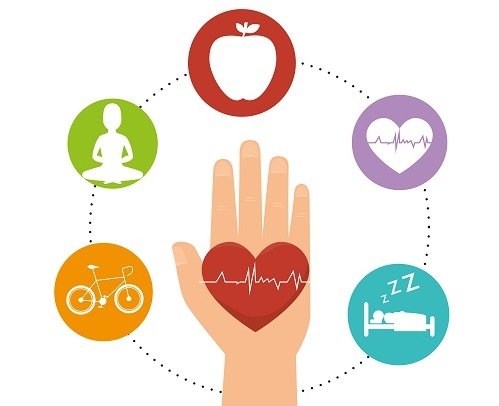
Being a mother is a beautiful journey filled with love, joy, and countless precious moments. However, it can also be incredibly demanding, both physically and mentally. As AckySHINE, I understand the importance of self-care for mothers and how it can significantly impact their overall mental health and well-being. In this article, I will delve into the topic of mental health for mothers, highlighting the significance of self-care and providing valuable advice on how to prioritize it in your daily life.
πΈ AckySHINE recommends setting aside dedicated time each day for self-care activities. This could be as simple as enjoying a cup of herbal tea, reading a book, taking a long bath, or practicing mindfulness and meditation.
πΈ It's crucial for mothers to remember that taking care of themselves is not selfish, but rather an essential part of being able to care for their children effectively. As AckySHINE, I advise finding a balance between fulfilling your own needs and those of your family.
πΈ AckySHINE suggests reaching out for support when needed. It's okay to ask for help from your partner, family members, or friends. Remember, a support system is there to lend a helping hand and share the load.
πΈ Regular exercise has been proven to boost mental health and reduce stress levels. As AckySHINE, I encourage mothers to engage in physical activities they enjoy, whether it's going for a walk, practicing yoga, or joining a fitness class.
πΈ AckySHINE emphasizes the importance of maintaining a healthy diet. Proper nutrition can positively impact your mood and energy levels. Incorporate a variety of fruits, vegetables, whole grains, and lean proteins into your meals.
πΈ Getting enough sleep is crucial for maintaining good mental health. As a mother, it can be challenging to get adequate sleep, but as AckySHINE, I recommend establishing a bedtime routine and creating a relaxing environment to ensure quality rest.
πΈ Social connections play a significant role in mental well-being. AckySHINE advises mothers to nurture relationships with friends and family members, whether it's through regular phone calls, meet-ups, or even online interactions.
πΈ Taking breaks and allowing yourself moments of solitude is essential. As AckySHINE, I suggest finding activities that bring you joy and provide an opportunity for self-reflection, such as painting, gardening, or listening to your favorite music.
πΈ It's essential for mothers to set boundaries and learn to say no when necessary. As AckySHINE, I advise prioritizing your own needs and not overstretching yourself to please others.
πΈ AckySHINE recommends seeking professional help if you are struggling with your mental health. Therapy or counseling can provide valuable support, guidance, and coping strategies.
πΈ AckySHINE acknowledges that motherhood can be overwhelming at times, and it's okay to feel a range of emotions. Remember that seeking help is a sign of strength, not weakness.
πΈ Being kind to yourself is crucial. As AckySHINE, I advise practicing self-compassion and not being too hard on yourself. Celebrate your successes, no matter how small they may seem.
πΈ AckySHINE suggests practicing gratitude as a way to enhance mental well-being. Taking a few moments each day to reflect on the things you are grateful for can bring a sense of positivity and contentment.
πΈ Connecting with other mothers who may be going through similar experiences can be incredibly beneficial. As AckySHINE, I recommend joining support groups or online communities where you can share your thoughts, concerns, and experiences.
πΈ Lastly, AckySHINE would like to hear from you. What are your thoughts on the importance of self-care for mothers? Share your experiences and any additional tips you may have in the comments below.
In conclusion, prioritizing self-care is essential for maintaining good mental health as a mother. By taking time for yourself, seeking support, and engaging in activities that bring you joy, you can ensure that you are better equipped to navigate the challenges of motherhood. Remember, you are not alone, and there are various resources and techniques available to support you on your journey. Take care of yourself, and in turn, you will be able to provide the love and care your children deserve.
Updated at: 2023-08-05 23:03:34 (2 years ago by Melkisedeck Leon Shine)
Emotional Resilience: Finding Strength in Vulnerability
In today's fast-paced and demanding world, it can be easy to feel overwhelmed and emotionally drained. The pressures of work, relationships, and everyday life can take a toll on our mental well-being. However, there is a powerful concept that can help us navigate through these challenges with grace and strength - emotional resilience. π
What is emotional resilience? π€ Emotional resilience is the ability to adapt and bounce back from adversity, trauma, and stress. It encompasses our capacity to cope with difficult emotions and experiences, while still maintaining a positive outlook and a sense of well-being. πͺ
Why is vulnerability important? π Contrary to popular belief, vulnerability is not a weakness. In fact, it is the key to unlocking emotional resilience. Embracing our vulnerability allows us to connect with our emotions and experiences in a genuine and authentic way. It opens the door to self-discovery and personal growth. πͺ
Acknowledging and accepting emotions π As AckySHINE, I recommend embracing all emotions, whether positive or negative. By acknowledging and accepting our emotions, we create space for growth and healing. Remember, it's okay to feel vulnerable at times β it's a sign that we are human. π
Building a support system π€ Having a strong support system can greatly contribute to emotional resilience. Surround yourself with people who uplift and encourage you. Seek out individuals who can provide guidance and understanding during difficult times. Your support system can be your rock when you need it most. π
Practicing self-care πββοΈ Taking care of your physical, mental, and emotional well-being is crucial in building emotional resilience. Engage in activities that bring you joy and relaxation, such as exercise, meditation, or spending time in nature. Self-care allows you to recharge and replenish your emotional reserves. πΏ
Cultivating a positive mindset π As AckySHINE, I advise focusing on the positive aspects of life, even during challenging times. By cultivating a positive mindset, you can reframe negative experiences and find valuable lessons within them. This shift in perspective can foster emotional resilience and inner strength. π
Celebrating small victories π Acknowledge and celebrate your achievements, no matter how small they may seem. By recognizing your accomplishments, you boost self-confidence and reinforce your emotional resilience. Remember, every step forward is a step in the right direction. π
Learning from setbacks π Setbacks are an inevitable part of life, but they don't define us. As AckySHINE, I recommend viewing setbacks as opportunities for growth and learning. Reflect on the lessons they offer and use them as stepping stones toward personal development and emotional resilience. π§
Seeking professional help when needed π©Ί There may be times when the weight of emotional challenges becomes overwhelming. During such moments, it is important to reach out to a mental health professional. They can provide guidance, support, and techniques to help you navigate through difficult emotions and build emotional resilience. π€
Practicing gratitude π Expressing gratitude for the blessings in your life can significantly boost emotional resilience. Take a moment each day to reflect on what you are thankful for. This simple practice can shift your focus from negativity to positivity, fostering resilience in the face of adversity. πΌ
Embracing change π« Change is an inevitable part of life, and being adaptable is key to emotional resilience. Embrace change with an open mind and see it as an opportunity for growth and new experiences. By adapting to change, you cultivate flexibility and strength in the face of uncertainty. π
Setting realistic goals π― Setting goals that are achievable and realistic can enhance emotional resilience. Break down larger goals into smaller, manageable steps. Celebrate each milestone along the way, as it reinforces your belief in your abilities and helps you stay resilient in the face of challenges. π
Finding meaning and purpose π As AckySHINE, I encourage you to explore your passions and find meaning and purpose in your life. Engaging in activities that align with your values and bring you joy can enhance emotional resilience. When you have a sense of purpose, it becomes easier to navigate through tough times. πΊοΈ
Embracing self-compassion π Be kind and gentle with yourself as you navigate the ups and downs of life. Treat yourself with the same compassion and understanding you would offer a close friend. Remember, self-compassion is an essential ingredient in building emotional resilience. π€
Cultivating emotional resilience is a journey π Building emotional resilience takes time and effort. It is not a destination but rather a lifelong journey. As AckySHINE, I encourage you to be patient and kind to yourself throughout this process. Celebrate your progress and remember that every step forward counts. π
In conclusion, emotional resilience is a powerful tool that can help us thrive in the face of adversity. By embracing vulnerability, practicing self-care, cultivating a positive mindset, and seeking support when needed, we can develop inner strength and bounce back from life's challenges. Remember, as AckySHINE, I recommend you to embrace your emotions, seek support, and celebrate your victories along the way. What are your thoughts on emotional resilience? How do you practice vulnerability in your own life? Share your opinions and experiences in the comments! ππ
Updated at: 2025-06-06 11:51:45 (8 months ago by Melkisedeck Leon Shine)
Cardiovascular disease (CVD), encompassing conditions like coronary artery disease and stroke, poses a significant threat to women's health globally, surpassing many other causes of mortality. A proactive approach to cardiovascular health necessitates a thorough understanding of the multifaceted risk factors specific to the female population. This analysis explores fifteen key risk factors, integrating established theoretical frameworks and models to provide a comprehensive understanding and guide towards effective preventive strategies. Key concepts such as the Health Belief Model (HBM), which explains health behaviors based on perceived susceptibility, severity, benefits, and barriers, and the Social Cognitive Theory (SCT), which emphasizes the reciprocal interplay between personal factors, environmental influences, and behavior, are central to our understanding of risk factor mitigation. Furthermore, the application of epidemiological studies and risk stratification models will be utilized throughout the analysis.
1. Metabolic Syndrome: This cluster of conditionsβincluding abdominal obesity, hypertension, dyslipidemia (abnormal lipid levels), and elevated fasting glucoseβsignificantly increases CVD risk. Applying the Framingham Heart Study's risk prediction model, which identifies individuals at high risk based on these factors, helps guide personalized preventive interventions. Lifestyle modifications focusing on weight management, diet, and exercise are crucial.
2. Dyslipidemia: Abnormal levels of cholesterol and other lipids in the blood contribute directly to atherosclerosis, the build-up of plaque in arteries. This process aligns with the lipid hypothesis, which posits a direct link between elevated LDL cholesterol and CVD risk. Regular lipid profile testing and dietary adjustments, potentially incorporating statin therapy as prescribed by a physician, are vital for managing this risk factor.
3. Hypertension: Elevated blood pressure exerts excessive strain on the cardiovascular system, accelerating the development of atherosclerosis and increasing the likelihood of heart attack and stroke. Management aligns with the principles of the JNC 8 guidelines, emphasizing lifestyle changes and pharmacological interventions (if needed) to achieve optimal blood pressure control.
4. Tobacco Use: Nicotine's vasoconstrictive effects constrict blood vessels, increasing blood pressure and promoting platelet aggregation, thereby substantially increasing the risk of CVD. Smoking cessation, guided by models such as the Transtheoretical Model (stages of change), is critical. Support resources including nicotine replacement therapy and counseling are recommended.
5. Type 2 Diabetes Mellitus: Hyperglycemia damages blood vessels and increases inflammation, significantly escalating CVD risk. This aligns with the glucose hypothesis, connecting elevated blood glucose to vascular complications. Strict glycemic control through diet, exercise, and medication (when necessary) is essential for reducing CVD risk in diabetic women.
6. Obesity: Excess body weight, particularly abdominal obesity, is strongly associated with insulin resistance, hypertension, and dyslipidemia, contributing significantly to the development of metabolic syndrome. The Body Mass Index (BMI) and waist circumference are key indicators. Weight loss through comprehensive lifestyle interventions is crucial.
7. Physical Inactivity: Sedentary lifestyles promote weight gain, insulin resistance, and hypertension, negatively impacting cardiovascular health. Following recommendations from the American Heart Association, aiming for at least 150 minutes of moderate-intensity aerobic activity per week and incorporating strength training are recommended.
8. Genetic Predisposition: Family history of premature CVD significantly increases an individual's risk. Utilizing family history as a screening tool within risk stratification models allows for targeted preventive measures and earlier interventions.
9. Advancing Age: The risk of CVD increases progressively with age due to accumulated vascular damage and age-related hormonal changes. Regular health screenings, customized based on age-specific risk profiles, become more important with increasing age.
10. Chronic Stress: Prolonged exposure to stress elevates cortisol levels, leading to increased blood pressure and inflammation. Stress management techniques, including mindfulness, relaxation exercises, and social support, are crucial. The cognitive appraisal model of stress can help to understand and manage stressful situations.
11. Unhealthy Diet: A diet high in saturated and trans fats, sodium, and processed foods increases inflammation and promotes the development of atherosclerosis. The Dietary Approaches to Stop Hypertension (DASH) diet provides a framework for a heart-healthy eating plan.
12. Excessive Alcohol Consumption: Heavy alcohol use contributes to hypertension, arrhythmias, and cardiomyopathy. Adhering to moderate alcohol intake guidelines (as recommended by health organizations) is advised.
13. Menopause-Related Hormonal Changes: The decline in estrogen levels during menopause contributes to increased cholesterol levels and reduced cardiovascular protection. Regular monitoring and discussion with healthcare professionals are essential for managing potential risks.
14. Sleep Disorders: Conditions like sleep apnea are linked to hypertension, metabolic dysfunction, and increased risk of CVD events. Diagnosis and treatment of sleep apnea are vital for mitigating this risk.
15. Lack of Social Support: Social isolation and loneliness contribute to increased stress and poor health outcomes. Building and maintaining strong social connections is a critical component of overall health and well-being, impacting cardiovascular health directly.
Conclusions and Recommendations
This analysis highlights the complex interplay of risk factors contributing to CVD in women. A multi-faceted approach, combining lifestyle modifications and medical interventions where necessary, is crucial for effective prevention and management. Future research should focus on the development of more precise and individualized risk prediction models, particularly incorporating the nuances of hormonal influences throughout a woman's lifespan. Furthermore, studies on the efficacy of various stress management techniques and social support interventions in mitigating CVD risk would enhance our understanding of this complex area. The ultimate goal is to empower women with the knowledge and resources to take proactive steps towards optimizing their cardiovascular health, leading to improved quality of life and longevity. Translating this knowledge into accessible and culturally appropriate health promotion strategies is essential for meaningful impact.
Reader Pool: What are the most impactful and readily implementable lifestyle changes, based on your understanding of the presented risk factors, that women can adopt to reduce their risk of cardiovascular disease?
Updated at: 2025-02-21 20:39:28 (11 months ago by Melkisedeck Leon Shine)
```htmlPrioritizing mental health is paramount, especially for women navigating multifaceted societal pressures. This article, presented by AckySHINE, a leading voice in women's mental wellness, explores fifteen crucial strategies to embrace authenticity and foster a thriving mental landscape.
Society often imposes unrealistic expectations on women, hindering genuine self-acceptance. Embracing authenticity is the cornerstone of mental wellness, allowing women to flourish without conforming to external pressures.
1. Unconditional Self-Acceptance: Love yourself completely, flaws and all. Acknowledge your inherent worth, independent of external validation.
2. Vulnerability as Strength: Seeking support isn't a weakness; it's a testament to courage. Lean on trusted friends, family, or mental health professionals for guidance during challenging times.
3. Establishing Healthy Boundaries: Prioritizing your well-being doesn't equate to selfishness. Setting clear boundaries protects your mental health and prevents burnout.
4. The Power of Self-Care: Self-care isn't a luxury; it's a necessity. Engage in activities that nourish your soulβexercise, hobbies, relaxationβto recharge and revitalize.
5. Cultivating Supportive Relationships: Surround yourself with individuals who uplift and genuinely care about your well-being. Nurturing positive relationships strengthens your mental resilience.
6. Confronting Negative Self-Talk: Negative thoughts can be detrimental. Replace self-criticism with self-affirmations and cultivate a positive internal dialogue.
7. The Practice of Mindfulness and Gratitude: Mindfulness fosters presence, while gratitude enhances appreciation for life's blessings. Integrating these practices into your daily routine promotes mental clarity and contentment.
8. Creative Expression as Therapy: Unleash your creativity through painting, writing, music, or dance. Artistic expression provides a healthy outlet for emotions and fosters self-discovery.
9. The Art of Saying "No": Learning to decline requests that compromise your well-being is crucial. Prioritize your needs without guilt.
10. Seeking Professional Guidance: Don't hesitate to consult mental health professionals if you're struggling. Expert support can provide invaluable tools and strategies for healing.
11. Self-Compassion: Treat yourself with the same kindness and understanding you would offer a friend. Acknowledge imperfections and embrace the process of self-growth.
12. Building a Strong Support Network: Cultivate relationships with empowering individualsβfriends, family, therapists, or support groupsβto foster a sense of belonging and validation.
13. The Importance of Self-Reflection: Regularly reflect on your thoughts, emotions, and experiences. Journaling or meditation facilitates self-awareness and personal growth.
14. Celebrating Milestones, Big and Small: Acknowledge and celebrate your achievements, no matter how insignificant they may seem. Recognizing progress reinforces positive self-perception.
15. Embracing Growth and Change: Life is a continuous journey of evolution. Embrace challenges and new experiences as opportunities for personal development and self-discovery. Authenticity thrives in the midst of change.
Empowering women's mental wellness requires ongoing self-reflection, self-compassion, and a resolute commitment to authenticity. By prioritizing self-care, establishing healthy boundaries, nurturing supportive relationships, and seeking help when needed, women can cultivate a happier, more fulfilling life. Remember to challenge negative self-talk, celebrate achievements, and embrace the transformative power of change. Your journey towards authentic well-being is a testament to your strength and resilience.
Share your thoughts on the importance of authenticity in empowering women's mental health in the comments below!
```
Updated at: 2023-08-05 23:03:01 (2 years ago by Melkisedeck Leon Shine)
ππ§ββοΈ Mindful Eating: Nourishing the Body and Mind π½οΈπ§
In today's fast-paced world, it's easy to fall into the habit of mindless eating. We grab a quick snack on the go, eat our meals in front of the TV, or mindlessly munch on chips while scrolling through social media. But what if we took a moment to slow down and truly savor our food? This is where the concept of mindful eating comes in.
As AckySHINE, I advise you to take a step back and think about the way you eat. Mindful eating is about being present in the moment, paying attention to the sensations, flavors, and textures of your food. It's about nourishing both your body and mind.
Here are 15 reasons why practicing mindful eating can benefit you:
π§ββοΈ It helps you develop a healthier relationship with food. By being mindful of what you eat, you can make more conscious choices and avoid mindless overeating or emotional eating.
π₯¦ It allows you to truly enjoy your meals. When you slow down and savor each bite, you can fully appreciate the flavors and textures of your food.
π½οΈ It helps you recognize when you're full. By paying attention to your body's signals, you can avoid overeating and feel more satisfied after meals.
π It helps you make healthier food choices. When you're aware of how different foods make you feel, you can make choices that support your overall well-being.
π½οΈ It promotes better digestion. When you eat mindfully, you allow your body to properly digest and absorb the nutrients from your food.
π§ It improves your mental well-being. Mindful eating can help reduce stress, anxiety, and depression by promoting a more positive relationship with food.
π₯ It encourages you to eat a balanced diet. By being present in the moment, you can make sure to include a variety of nutrients in your meals.
π It promotes gratitude. Taking the time to appreciate your food can foster a sense of gratitude for the nourishment it provides.
π₯¦ It can help with weight management. By being mindful of your portions and listening to your body's cues, you can maintain a healthy weight.
π½οΈ It can improve your overall health. By making conscious food choices and practicing mindful eating, you can support your body's overall health and well-being.
π It can enhance your sense of self-control. By being more aware of what and how much you eat, you can develop a greater sense of control over your food choices.
π₯ It can improve your cooking skills. When you're present in the moment while preparing and cooking your meals, you can experiment with flavors and ingredients, resulting in more delicious and nutritious dishes.
π§ It can boost your creativity. Mindful eating encourages you to explore new foods and flavors, sparking your creativity in the kitchen.
π₯¦ It can improve your body image. By focusing on the nourishment your food provides rather than restrictive diets or external standards, you can develop a more positive body image.
π½οΈ It can lead to a more joyful and satisfying relationship with food. When you approach eating with curiosity, appreciation, and mindfulness, every meal becomes an opportunity for nourishment and pleasure.
As AckySHINE, I recommend incorporating mindful eating practices into your daily life. Start by setting aside dedicated time for meals, free from distractions. Focus on each bite, savoring the flavors and textures. Listen to your body's signals of hunger and fullness. And most importantly, be kind to yourself and enjoy the experience of nourishing both your body and mind.
What are your thoughts on mindful eating? Have you tried it before? π½οΈπ§
Updated at: 2025-05-19 13:49:14 (8 months ago by Melkisedeck Leon Shine)
Contemporary society presents significant challenges to women's well-being, often demanding a precarious balance between professional, familial, and personal responsibilities. This frequently results in the neglect of self-care, a critical component of holistic health. This comprehensive guide offers a framework for achieving optimal well-being, emphasizing the interconnectedness of physical, mental, and emotional health, aligning with the biopsychosocial model. This model posits that biological, psychological, and social factors are inextricably intertwined in influencing health outcomes. Prioritizing well-being is not merely a lifestyle choice; it is a fundamental necessity for a fulfilling and vibrant life.
The mind-body connection is a cornerstone of holistic health. Stress, anxiety, and negative self-perception significantly impact physical health, often manifesting as psychosomatic symptoms. Mindfulness-based interventions, such as yoga and meditation, are efficacious in reducing stress, enhancing cognitive function, and fostering mind-body integration. These practices activate the parasympathetic nervous system, lowering cortisol levels, and promoting relaxation and a sense of inner peace. This aligns with the principles of stress reduction and relaxation response theory, demonstrating a direct link between mental state and physiological well-being. Implementing regular mindfulness practices cultivates resilience and enhances coping mechanisms.
Optimal nutrition forms the bedrock of physical and mental health. A balanced diet rich in fruits, vegetables, whole grains, lean proteins, and healthy fats provides the essential micronutrients required for physiological function and energy production. The adoption of a balanced diet minimizes the risk of nutritional deficiencies and chronic diseases, consistent with the principles of nutritional science and the Dietary Guidelines for Americans. Mindful eating, paying close attention to hunger and satiety cues, is critical for weight management and preventing overeating, promoting a healthy relationship with food. This is crucial for reducing the risk of eating disorders and promoting body positivity.
Regular physical activity is indispensable for both physical and mental health. A well-rounded exercise regimen should incorporate both cardiovascular training and resistance training. Cardiovascular exercise, encompassing activities such as brisk walking, running, swimming, or cycling, improves cardiovascular health, increases energy levels, and contributes to weight management. Resistance training, utilizing weights or bodyweight exercises, builds muscle mass, increases bone density, combating age-related bone loss (osteoporosis), and enhances metabolism, fostering long-term health benefits. This approach aligns with the principles of exercise physiology and the recommendations of leading health organizations for physical activity guidelines.
Rest and recovery are equally vital components of a successful fitness regimen. Adequate sleep (7-9 hours per night) allows for cellular repair, muscle protein synthesis, and immune system regeneration. Prioritizing rest, including incorporating rest days into workout routines, is crucial for preventing burnout and injuries, aligning with the principles of sports medicine and injury prevention. Insufficient sleep can negatively affect mood, cognitive function, and increase the risk of chronic diseases.
Mental health is integral to overall well-being. Individuals facing mental health challenges should seek professional assistance. Building a supportive network of friends, family, or a therapist provides essential emotional support. Engaging in activities that promote mental well-being, such as spending time in nature, practicing gratitude, or pursuing enjoyable hobbies, enhances overall mood and resilience. This adheres to principles of positive psychology and the importance of social support in promoting mental well-being.
Chronic stress poses significant threats to both physical and mental health. Effective stress management techniques, including deep breathing exercises, meditation, yoga, or spending time in nature, are crucial for mitigating the negative impacts of stress. Journaling provides a valuable outlet for processing emotions and reducing stress levels. These strategies are supported by research on the effectiveness of stress reduction techniques in improving both physical and mental health outcomes.
Strong social connections are fundamental to a happier and healthier life. Cultivating positive relationships with loved ones and participating in social activities combats feelings of loneliness and isolation, improving overall mood and well-being. This aligns with social support theory and the positive correlation between strong social connections and improved mental and physical health.
Consistent self-care, encompassing activities that nurture the mind, body, and soul, is essential. This can include activities such as taking relaxing baths, reading, getting massages, or engaging in creative hobbies. Self-care promotes stress reduction, mood enhancement, and overall well-being, aligning with the concept of self-compassion and prioritizing personal needs.
Regular health check-ups with healthcare providers are crucial for early detection and management of potential health concerns. Preventative care, including screenings and vaccinations, plays a vital role in maintaining good health and preventing serious illnesses. This aligns with the principles of preventative medicine and emphasizes the importance of proactive health management.
Healthy relationships contribute significantly to overall well-being. Nurturing positive relationships while avoiding toxic ones is crucial for maintaining emotional and mental health. This aligns with relationship theory and the impact of social support on individual well-being.
Establishing achievable health and fitness goals, aligning with individual lifestyle and capabilities, is essential. Breaking down larger goals into smaller, manageable steps promotes motivation and facilitates celebrating incremental progress. This principle is consistent with goal-setting theory, emphasizing the importance of specific, measurable, achievable, relevant, and time-bound (SMART) goals.
Developing a positive body image involves appreciating the body's capabilities rather than focusing solely on its appearance. Rejecting societal pressures and celebrating individual uniqueness promotes self-acceptance and fosters a healthier relationship with one's body. This aligns with the concepts of self-esteem and body positivity.
Improving health and fitness is a continuous journey, not a destination. Celebrating achievements, practicing self-compassion, and focusing on progress, not perfection, fosters sustained commitment to well-being. This emphasizes the importance of self-efficacy and a growth mindset in achieving long-term health goals.
Reader Pool: What specific strategies outlined in this article resonate most with your current lifestyle and how do you plan to incorporate them into your daily routine to enhance your holistic well-being?
Updated at: 2025-06-06 12:10:33 (8 months ago by Melkisedeck Leon Shine)
```htmlIntroduction: This article explores the multifaceted influence of community support on women's wellness, conceptualized as a holistic state encompassing physical, mental, and emotional well-being. We will examine how community initiatives, informed by social support theory and the ecological model of health, can effectively address the unique challenges women face, promoting their overall health and empowerment. Key concepts include social support (the perceived and received assistance from others), the ecological model (which emphasizes the interplay between individual factors and environmental contexts), and the salutogenic approach (focusing on factors that promote health rather than just illness).
1. Promoting Physical Health through Collective Action: Regular physical activity is a cornerstone of holistic wellness. Social Cognitive Theory highlights the importance of observational learning and self-efficacy in adopting healthy behaviors. Community-based interventions, such as group fitness classes, organized sports, or community-wide fitness challenges, leverage these principles. These initiatives not only improve physical health but also foster social connection, bolstering self-efficacy and reducing feelings of isolation. The creation of a supportive environment through shared activity directly addresses the challenges of maintaining consistent exercise routines.
2. Strengthening Mental Well-being through Supportive Networks: Mental health is intrinsically linked to overall well-being. The creation of safe and inclusive spaces, informed by the principles of community-based participatory research, is crucial. Community-led support groups, workshops, and educational programs addressing stress management, coping mechanisms, and mental health literacy can significantly impact women's mental health. These initiatives, informed by the principles of social support theory, offer avenues for emotional expression, peer support, and the development of resilience.
3. Cultivating Emotional Well-being through Creative Expression: Emotional well-being is a critical component of holistic health. Utilizing arts-based interventions, aligned with expressive therapies, communities can provide avenues for self-discovery and emotional processing. Art therapy, creative writing workshops, or storytelling events encourage self-expression, emotional regulation, and the fostering of a sense of community among participants. These initiatives acknowledge the profound impact of emotional validation and shared experience on individual well-being.
4. Ensuring Equitable Access to Healthcare Resources: Access to quality healthcare is fundamental to women's well-being. Communities can bridge healthcare disparities by collaborating with healthcare providers to offer affordable or free screenings, preventative care initiatives, and health education programs specifically tailored to women's health needs. This approach aligns with health equity principles, aiming to eliminate barriers to healthcare access and improve health outcomes for all women, regardless of socioeconomic status or geographic location.
5. Building Safe and Inclusive Spaces for Empowerment: The creation of safe spaces within the community is paramount, particularly considering the disproportionate impact of violence and discrimination on women. These spaces, guided by feminist principles and trauma-informed care, provide refuge, support, and access to resources for women facing various challenges. Offering counseling services, legal aid, and advocacy support within these safe spaces can significantly improve their safety and well-being.
6. Empowering Women through Skill Development and Education: Investing in women's skill development enhances their autonomy and well-being. Community-based programs focused on financial literacy, vocational training, digital literacy, and leadership development equip women with the tools they need to thrive personally and professionally. These initiatives contribute to economic empowerment, reducing financial dependence and improving overall life satisfaction. Human capital theory underscores the importance of investing in the skills and knowledge of individuals, creating a positive ripple effect across the community.
7. Fostering Mentorship and Intergenerational Support: Mentorship programs pair experienced women with those seeking guidance and support. This approach, grounded in social learning theory, facilitates knowledge transfer, skill development, and the building of supportive relationships. Mentorship provides valuable role models, fostering confidence and resilience among mentees. Such programs also contribute to the perpetuation of positive role models within the community.
8. Promoting Financial Independence and Economic Security: Financial independence is essential for women's autonomy and decision-making power. Community-based initiatives promoting financial literacy, entrepreneurship training, and access to microfinance can significantly enhance women's economic security. This contributes to their overall well-being by providing them with greater control over their lives and reducing economic vulnerability.
9. Advocating for Women's Rights and Gender Equality: Community involvement in advocating for women's rights and challenging gender inequalities is critical. By raising awareness of gender-based violence, discrimination, and systemic biases, communities can create a more equitable and just environment for all women. This advocacy work contributes to structural changes that directly impact women's well-being and safety.
10. Celebrating Women's Achievements and Contributions: Recognizing and celebrating women's accomplishments is crucial for boosting self-esteem and fostering a culture of appreciation. Community-led events, awards, and recognition programs highlight women's successes, inspiring others and promoting a sense of collective pride. This positive reinforcement contributes to a healthier and more supportive social environment.
Conclusions and Recommendations: Community support is not merely supplementary but integral to women's holistic well-being. A multi-pronged approach integrating social support, educational initiatives, healthcare access, and advocacy is essential. Future research should focus on evaluating the long-term impact of community-based interventions on various dimensions of women's wellness, exploring culturally sensitive approaches, and examining the effectiveness of different intervention models across diverse communities. The creation of robust data collection and analysis frameworks will be crucial for understanding the long-term effects and optimizing the impact of community-based programs. Effective evaluation methods are vital for demonstrating the return on investment in these initiatives and securing continued funding and support.
Reader Pool: Considering the multifaceted nature of women's well-being, what innovative community-based strategies could most effectively address the unique challenges faced by marginalized women within specific socio-economic contexts?
```
Updated at: 2023-08-05 23:02:36 (2 years ago by Melkisedeck Leon Shine)
Supporting Women's Mental Health: The Role of Family and Friends
π Introduction π
Hello everyone! I hope you're all doing well. Today, as AckySHINE, I have some valuable insights to share with you regarding the important role that family and friends play in supporting women's mental health. We all know that maintaining good mental health is essential for overall well-being, and having a strong support system can make a world of difference. So, let's dive right in and explore!
1οΈβ£ Understand and Listen: One of the most crucial ways family and friends can support women's mental health is by simply being there to listen. It's important to create a safe space where women can freely express their thoughts, emotions, and concerns without fear of judgment. π£οΈ
2οΈβ£ Offer Empathy and Validation: Acknowledging and validating a woman's feelings is key to providing support. Empathy goes a long way in letting her know that her emotions are understood and accepted. π€
3οΈβ£ Encourage Self-Care: As AckySHINE, I recommend encouraging the women in your life to prioritize self-care. Remind them to engage in activities that bring them joy and relaxation, such as practicing mindfulness, taking walks in nature, or indulging in hobbies they love. πββοΈ
4οΈβ£ Respect Boundaries: It's crucial to respect the boundaries of the women you're supporting. Understand that everyone copes with their mental health differently, and some may need more space or alone time. Respecting their boundaries shows that you genuinely care about their well-being. π§
5οΈβ£ Educate Yourself: It's important to educate yourself about mental health conditions that women may face, such as postpartum depression, anxiety disorders, or eating disorders. This knowledge will help you better understand their experiences and provide appropriate support. π
6οΈβ£ Offer Practical Help: Sometimes, practical help can make a huge difference. Offer assistance with household chores, childcare, or errands, especially during times when women may feel overwhelmed or physically exhausted. Small acts of kindness can have a significant impact. π
7οΈβ£ Encourage Professional Help: If you notice that a woman is struggling with her mental health, it's essential to encourage her to seek professional help. As AckySHINE, I recommend suggesting therapy or counseling as a valuable resource in their journey towards healing. π₯
8οΈβ£ Be Non-Judgmental: Creating a non-judgmental environment is crucial for supporting women's mental health. Avoid making assumptions or passing judgments about their experiences. Instead, offer compassion and understanding. π ββοΈ
9οΈβ£ Learn Effective Communication: Communication plays a vital role in supporting women's mental health. As AckySHINE, I advise using active listening techniques, asking open-ended questions, and using empathy in your conversations. This will help women feel heard and understood. π’
π Celebrate Achievements: Celebrating even the smallest achievements is a great way to uplift women's spirits and boost their mental well-being. Acknowledge their efforts and accomplishments, no matter how insignificant they may seem. π
1οΈβ£1οΈβ£ Encourage Social Connections: Social connections are crucial for mental health. Encourage the women in your life to maintain relationships with friends, join support groups, or engage in community activities. Connecting with others can provide a sense of belonging and support. π
1οΈβ£2οΈβ£ Lead by Example: Set a positive example by prioritizing your own mental health and well-being. Show the women in your life that self-care and seeking help when needed are essential. By doing so, you inspire them to take care of themselves as well. πͺ
1οΈβ£3οΈβ£ Stay Available: Always be there for the women in your life, even if they don't reach out. Check in on them regularly, send a thoughtful text or give them a call. Letting them know that you're available and care about their well-being can make a world of difference. βοΈ
1οΈβ£4οΈβ£ Be Patient: Supporting someone's mental health journey takes time and patience. Understand that healing is a process, and setbacks may occur. As AckySHINE, I recommend being patient and offering unwavering support throughout their ups and downs. π°οΈ
1οΈβ£5οΈβ£ Advocate for Mental Health: Lastly, but certainly not least, advocate for mental health awareness and resources within your family and community. Encourage open discussions, fundraisers, or initiatives to help reduce stigma and promote a supportive environment for all. π
π Conclusion π
As AckySHINE, I sincerely hope that these fifteen points have shed light on the crucial role that family and friends play in supporting women's mental health. Together, we can create a world where every woman feels understood, supported, and empowered. Let's continue to lift each other up and prioritize mental well-being. Remember, you have the power to make a difference. What are your thoughts on this topic? How do you support the mental health of the women in your life? I would love to hear your opinion! ππΈ
Updated at: 2025-06-06 14:26:49 (8 months ago by Melkisedeck Leon Shine)
The transition into one's forties marks not a decline, but a significant life stage characterized by accumulated experience and potential for personal growth. While chronological aging is unavoidable, lifestyle choices significantly influence the quality of life during and beyond this period. This guide presents evidence-based strategies for women focusing on holistic well-being and vitality enhancement, drawing upon established health models and theories.
Regular health screenings and check-ups are foundational to proactive health management. Early detection of potential health concerns significantly improves treatment outcomes and quality of life. This involves consistent monitoring of vital signs, age-appropriate disease screenings, and personalized preventive advice from healthcare providers. The proactive approach aligns with the principles of preventative medicine, emphasizing early intervention and risk mitigation.
This model emphasizes the interconnectedness of biological, psychological, and social factors in influencing health outcomes. Holistic self-care, therefore, must encompass these three dimensions. Regular physical activity, balanced nutrition, and sufficient sleep form the basis of physical health. Mental well-being requires stress management techniques (meditation, mindfulness), social connection, and timely professional help for mental health challenges. Strong social networks provide emotional support and resilience, mitigating the impact of stress and enhancing overall well-being. This integrated approach maximizes the effectiveness of health interventions.
Optimal nutrition is crucial for maintaining cellular health and reducing the risk of age-related diseases. A diet rich in fruits, vegetables, lean proteins, whole grains, and healthy fats supports cellular function and overall health. Dietary patterns like the Mediterranean diet, characterized by its emphasis on plant-based foods and healthy fats, are associated with longevity and reduced risk of chronic diseases. Conversely, minimizing processed foods, sugary drinks, and unhealthy fats is vital for disease prevention. Adequate hydration is also paramount for optimal bodily functions. This approach is grounded in the principles of nutritional science and its impact on cellular metabolism.
Regular physical activity is essential for maintaining physical function and reducing the risk of chronic diseases, such as cardiovascular disease and type 2 diabetes. World Health Organization guidelines recommend at least 150 minutes of moderate-intensity aerobic activity per week, combined with muscle-strengthening activities twice a week. The selection of enjoyable activities is crucial for long-term adherence. Exercise benefits extend beyond physical health; it significantly improves mood, reduces stress, and positively impacts cognitive function, aligning with the biopsychosocial modelβs emphasis on the mind-body connection.
Quality sleep is critical for cellular repair and cognitive function. Aiming for 7-9 hours of sleep per night is essential. Establishing a consistent sleep schedule regulates the circadian rhythm, optimizing the body's restorative processes. Creating a conducive sleep environment, minimizing screen time before bed, and practicing relaxation techniques contribute to improved sleep quality. Sleep deprivation negatively impacts cognitive performance, mood regulation, and overall health.
Protecting the skin from sun damage is paramount for preventing premature aging and skin cancer. Daily application of broad-spectrum sunscreen with an SPF of 30 or higher, coupled with seeking shade during peak sun hours and wearing protective clothing, is crucial. Regular moisturizing maintains skin hydration and suppleness. This emphasizes the importance of photoprotection in maintaining skin health and youthfulness.
Maintaining a healthy weight is linked to a reduced risk of chronic diseases. This involves a balanced approach encompassing balanced nutrition and regular physical activity. Sustainable lifestyle changes, rather than short-term dieting, are crucial for long-term weight management. Body Mass Index (BMI) provides a general indicator, though individual factors should be considered, and personalized advice from healthcare professionals is recommended. This emphasizes a sustainable approach to weight management aligned with behavioral change theories.
Strong social connections are essential for mental and emotional well-being. Nurturing relationships with family, friends, and community groups combats loneliness and isolation, promoting happiness and resilience. Social support acts as a buffer against stress and enhances psychological well-being, aligning with social support theories that highlight the protective effects of strong social networks.
Mental health is integral to overall well-being. Addressing mental health concerns promptly is crucial. Stress management techniques, including meditation, deep breathing exercises, and engaging in enjoyable activities, are essential coping mechanisms. Seeking professional help when needed is a sign of strength and is critical for effective mental health management.
Maintaining cognitive function throughout life requires ongoing mental stimulation. Activities like puzzles, reading, learning new skills, and creative pursuits challenge the brain, promoting neuroplasticity, improving memory and concentration. This approach aligns with principles of cognitive reserve, emphasizing the importance of mental engagement in maintaining cognitive health.
Excessive alcohol consumption poses significant health risks. Moderate alcohol consumption or abstinence is recommended. Responsible alcohol consumption, if chosen, requires awareness of potential health implications.
Effective stress management is critical for maintaining overall health. Developing healthy coping mechanisms, incorporating relaxation techniques and mindfulness practices, and engaging in stress-reducing activities builds resilience and reduces the negative impacts of stress. Utilizing evidence-based stress reduction techniques enhances well-being and improves coping skills.
Reader Pool: Considering the breadth of strategies presented, how can this guide be further tailored to meet the diverse needs and preferences of women in their forties and beyond, ensuring accessibility and relevance across various backgrounds and lifestyles?
Updated at: 2025-06-06 13:27:01 (8 months ago by Melkisedeck Leon Shine)
Breast health is a critical aspect of women's overall well-being across all demographics. A proactive approach, incorporating preventative measures, significantly mitigates the risk of breast cancer and related conditions. This comprehensive guide details fifteen key strategies for optimizing breast health and promoting wellness. We will explore these strategies within the context of established healthcare models and theories, such as the Health Belief Model (HBM) which emphasizes the role of perceived susceptibility, severity, benefits, barriers, cues to action, and self-efficacy in health behaviors, and the Transtheoretical Model (TTM) which outlines the stages of behavioral change (precontemplation, contemplation, preparation, action, and maintenance).
1. Establishing a Baseline: Breast Self-Awareness and Clinical Examinations. Regular breast self-examinations (BSE) are fundamental. Familiarity with normal breast tissue characteristics allows for early identification of any deviations. The HBM highlights the importance of perceived susceptibility β understanding one's own risk β as a key motivator for BSE. Complementing BSE with annual clinical breast examinations (CBE) by a healthcare professional enhances detection capabilities, leveraging professional expertise to identify subtle abnormalities potentially missed during self-examination. This aligns with the preventive care component of the TTM's action stage.
2. Implementing Preventative Screening: Mammography and Risk Assessment. Mammography, a cornerstone of breast cancer screening, should be incorporated based on age and risk factors. Individualized screening schedules, determined through shared decision-making with healthcare providers, account for personal and family history. This approach reflects the principles of shared decision-making and patient autonomy within healthcare. The frequency of mammography aligns with the proactive health maintenance strategies emphasized in the TTM.
3. Promoting a Healthy Lifestyle: Nutrition, Physical Activity, and Weight Management. Maintaining a healthy weight through balanced nutrition and regular physical activity is paramount. Obesity is a recognized risk factor for breast cancer. Adopting a diet rich in fruits, vegetables, whole grains, and lean proteins, combined with regular exercise, addresses both weight management and overall health, impacting multiple risk factors simultaneously. This adheres to the principles of primary prevention as outlined in public health models.
4. Addressing Lifestyle Risks: Alcohol Consumption and Tobacco Use. Limiting alcohol intake is crucial, as research indicates a positive correlation between excessive alcohol consumption and breast cancer risk. Similarly, smoking cessation is vital due to its association with various cancers, including breast cancer. These lifestyle modifications represent key behavioral changes consistent with the TTM, impacting both immediate and long-term health outcomes. These actions are directly relevant to the concept of secondary prevention β preventing progression of disease.
5. Navigating Hormonal Influences: Informed Decision-Making on Hormone Therapy. Hormone therapy decisions require careful consideration of individual circumstances and potential risks and benefits. Thorough discussions with healthcare providers enable informed choices tailored to individual needs and risk profiles. This reflects the principles of patient-centered care and shared decision making.
6. Environmental Considerations: Toxin Minimization and Sun Protection. Reducing exposure to environmental toxins, including pesticides and certain chemicals, is an important aspect of overall health promotion. While not directly linked to breast cancer, minimizing exposure to carcinogens aligns with a holistic approach to preventative care. Additionally, the practice of sun safety, while not directly impacting breast health, reduces the risk of skin cancer, which highlights the interconnectedness of overall health. This aligns with the broader concept of environmental health influencing overall well-being.
7. Enhancing Psychological Well-being: Stress Management Techniques. Chronic stress can negatively impact overall health. Stress management strategies, including meditation, yoga, and other relaxation techniques, contribute to both mental and physical well-being and can indirectly influence risk factors for breast cancer. This aspect falls under the broader umbrella of holistic healthcare approaches.
8. Continuous Learning and Advocacy: Staying Informed and Seeking Support. Continuous learning regarding breast health advancements, screening options, and risk reduction strategies is essential. Active engagement in one's healthcare, including open communication with healthcare providers, enables informed decision-making and proactive health management. This is a critical component of health literacy and self-management.
9. The Importance of Regular Healthcare Visits: Preventative Care and Early Detection. Regular check-ups with healthcare providers are essential for preventative care, early detection, and personalized guidance. These visits allow for addressing individual concerns and tailoring health recommendations to specific needs. This aligns with the preventative care model emphasizing proactive health management.
10. Supportive Undergarments: Comfort and Physical Support. Wearing a well-fitting, supportive bra provides comfort and minimizes potential strain on breast tissue, especially during physical activity. This is a simple, yet often overlooked aspect of physical well-being that can impact comfort and daily life.
11. Genetic Predisposition and Family History: Understanding and Addressing Risks. Genetic factors can play a significant role in breast cancer risk. Understanding family history and considering genetic testing, when appropriate, can inform preventative measures and personalized screening strategies. This highlights the role of genetic predisposition in influencing individual risk profiles.
12. Breastfeeding and Lactation: Exploring Potential Benefits. Breastfeeding has been associated with a reduced risk of breast cancer in some studies. While more research is needed to fully understand this relationship, it is an important factor to consider in the context of overall breast health.
13. Understanding and Managing Medications: Evaluating Potential Impacts on Breast Health. Certain medications can influence hormone levels or have other effects that may impact breast health. Open communication with healthcare providers about all medications is essential to proactively manage potential risks.
14. Addressing Pre-existing Conditions: Managing Comorbidities and Their Impact. Pre-existing conditions, such as diabetes or cardiovascular disease, can increase the risk of breast cancer. Effective management of these conditions plays an important role in reducing overall risk.
15. Seeking Second Opinions: Empowering Informed Choices. Seeking second opinions from different healthcare providers empowers individuals to make well-informed decisions about their healthcare based on multiple perspectives and recommendations.
Conclusions and Recommendations: A holistic, proactive approach to breast health, integrating lifestyle modifications, preventative screening, and regular healthcare check-ups is crucial. This approach minimizes breast cancer risk and promotes overall well-being. Future research should further explore the interplay of lifestyle factors, genetic predispositions, and environmental influences on breast cancer risk to refine preventative strategies. Emphasis on public health campaigns to promote awareness and education about breast health is critical for empowering women to take charge of their health. The integration of these preventative strategies into routine healthcare practices can significantly improve early detection rates and reduce morbidity and mortality associated with breast cancer. Further research should focus on developing more personalized risk assessment tools, considering individual genetic backgrounds, lifestyle factors, and environmental exposures, to optimize preventative strategies for individual women. The implementation of cost-effective interventions focused on modifiable risk factors is also crucial to improve the accessibility and impact of breast cancer prevention programs.
Reader Pool: Considering the multifaceted nature of breast health and the diverse risk factors involved, what further research areas would you prioritize to improve the effectiveness of preventative strategies and ensure equitable access to care for all women?